
Main Courses
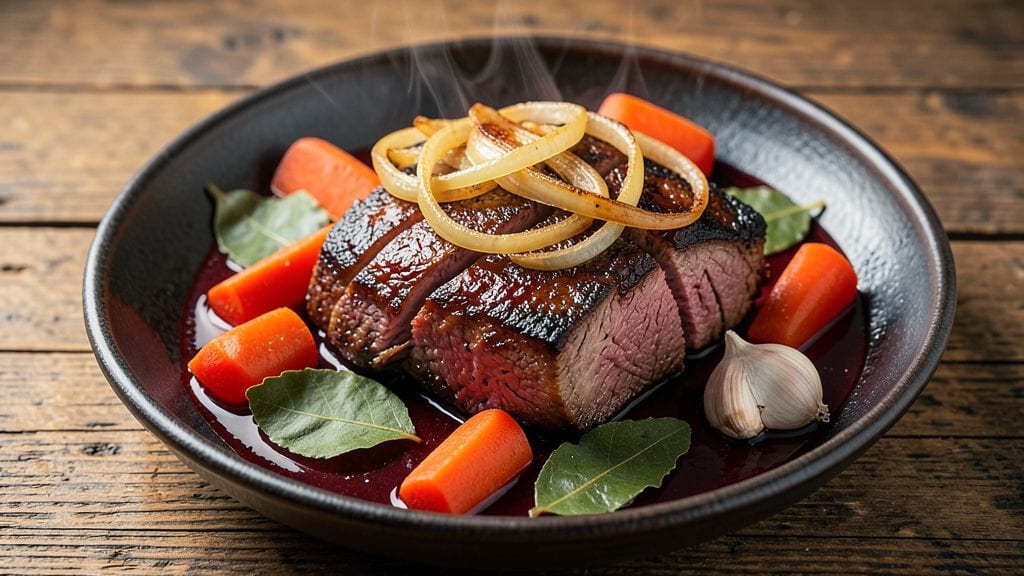
This Guinness stout corned beef recipe transforms a classic into something extraordinary—where deep, malty beer braising creates melt-in-your-mouth tenderness with every bite. The secret lies in slow-cooking the beef until it practically falls apart, while the Guinness stout infuses rich, caramelized depth that traditional recipes simply can't match.
I've perfected this method over years of testing, balancing Irish tradition with modern convenience for a dish that feels both nostalgic and refined.
The beauty of this recipe is its simplicity: just a few high-impact ingredients—corned beef brisket, Guinness stout, aromatic vegetables, and time—work together to deliver restaurant-quality results in one pot. No fancy techniques required, just patience and attention to the slow braising process that develops layers of flavor.
The result is beef so tender it dissolves at the touch of a fork, all while maintaining that perfect balance of smoky, slightly sweet Guinness notes.
What makes this version stand out is how the stout's bitterness and caramel undertones complement the beef's natural richness, creating a harmony that's both comforting and sophisticated.
The braising liquid reduces into a glossy, flavorful sauce that clings to every bite, making this dish equally impressive served on a holiday table or as a hearty weeknight meal.
Each slice reveals that perfect contrast between the crispy exterior and the velvety interior—proof that slow cooking truly transforms tough cuts into something extraordinary.
Serve with classic accompaniments like creamy colcannon, buttery mashed potatoes, or a crisp green salad to round out the meal. The leftovers reheat beautifully, making this an ideal recipe for feeding a crowd or preparing ahead.
Ready to elevate your corned beef game? Let's get started on this bold, beer-braised masterpiece.
Ingredients for guinness stout corned beef
Six core ingredients transform simple beef into restaurant-quality Guinness-braised perfection.
| Ingredient | Amount | Notes |
|---|---|---|
| Corned Beef Brisket 🥩 | 4 lb | Thick-cut, well-marbled preferred |
| Guinness Stout 🍺 | 2 cups | Freshly chilled for optimal flavor |
| Yellow Onion 🧅 | 1 whole | Large, halved and peeled |
| Carrot 🥕 | 4 whole | Medium, unpeeled for texture |
| Garlic Cloves 🧄 | 6 cloves | Unpeeled, lightly crushed |
| Fresh Bay Leaves 🌿 | 2 whole | Dried substitute at half quantity |
| Fresh Thyme Sprigs 🌿 | 4 whole | Stems removed for leaves |
| Black Peppercorns 🌶️ | 1 tbsp | Freshly cracked for intensity |
| Kosher Salt 🧂 | 2 tbsp | Diamond Crystal preferred |
| Extra-Virgin Olive Oil 🫒 | 2 tbsp | For searing beef |
| Fresh Parsley 🌿 | ¼ cup | Chopped, for garnish |
| Whole Grain Mustard 🍯 | 1 tbsp | For sauce depth |
| Apple Cider Vinegar 🍎 | 1 tbsp | Balances richness |
The corned beef brisket is non-negotiable—look for thick-cut, well-marbled pieces from the butcher counter, not pre-sliced deli packages. Whole Foods or local specialty grocers often carry superior quality, but the standard supermarket selection works if you're in a pinch. Guinness stout should be freshly chilled (not warm from the fridge) to preserve its malty complexity. The yellow onion and carrots should be firm and unblemished—no rubbery or sprouting vegetables here. For garlic, unpeeled cloves, so lightly crush them before adding. Fresh herbs like bay leaves and thyme add aromatic depth that dried versions simply can't match, though dried substitutes work at half the quantity if needed.
No Guinness on hand? Substitute with equal parts dark beer and beef broth, though the flavor profile won't be identical. For a sweeter touch, add 1 tablespoon brown sugar to the braising liquid. The whole grain mustard can be swapped for Dijon, but the texture will differ slightly. If you're avoiding vinegar, lemon juice at double the amount works well. For a deeper color, add 1 teaspoon smoked paprika to the braising liquid. The extra-virgin olive oil is crucial for searing—the beef needs that initial crust to develop before slow cooking. Don't skip this step, even if you're in a hurry.
This dish tastes even better the next day as flavors meld, so prepare it ahead if possible. Store leftovers in the braising liquid for up to 5 days in the fridge, or freeze for 3 months. To reheat, warm gently on the stove with a splash of water or broth to maintain moisture. The sauce thickens as it cools, so add a splash of Guinness or water when reheating if it becomes too concentrated. Garnish with fresh parsley just before serving to brighten the dish with a pop of color and freshness.
Why You'll Love This Recipe
- One-Pot Magic: I swear by this—just toss the brisket, onions, carrots, and garlic into a pot with the stout, add water, and let it simmer. No chopping like a fine-diner, no fussing with layers. The Guinness does all the work, turning tough meat into melt-in-your-mouth perfection while you sip your own beer and pretend you’re in a Dublin pub.
- Rich & Roasted: That dark, malty Guinness isn’t just for drinking—it’s the secret weapon. The brisket soaks up the stout’s depth, while the onions and garlic caramelize into a glossy, slightly sweet sauce that clings to every bite. Honestly, the first time I tasted it, I nearly spilled my tea.
- Weeknight to Weekend: Make a big batch on Sunday, and you’ve got lunch covered for days. The flavors only get better as it sits—my kids actually ask for leftovers, and my husband saves the best slices for sandwiches. (Yes, even on a Tuesday night.)
- Budget Booster: Corned beef brisket is cheaper than steak, and a bottle of Guinness stretches across multiple meals. Between us, this recipe turns a $15 cut into a feast that feels like a splurge. Plus, the leftovers reheat like a dream—no dry, sad meat here.
Step-by-step instructions for Guinness stout corned beef
This one-pot method delivers melt-in-your-mouth tenderness with deep Guinness-infused flavor.
Sear the Corned Beef Brisket
Pat the 4 lb corned beef brisket dry with paper towels, removing any surface moisture. Heat the 2 tbsp extra-virgin olive oil in a heavy Dutch oven over medium-high heat until shimmering. Place the brisket fat-side down and sear undisturbed for 5 minutes until deeply golden brown. Flip and sear the other side for another 5 minutes, pressing gently with a spatula to render fat and develop color.
This initial sear creates a flavorful crust while preventing the meat from drying out during the long braise. The rendered fat will later form the base of your rich Guinness sauce. Remove the brisket and set aside on a plate.
Build the Aromatic Base
In the same Dutch oven, add the halved yellow onion and 4 whole carrots (cut into 2-inch chunks). Cook over medium heat for 5 minutes until the onions begin to soften. Add the 6 cloves garlic cloves (lightly crushed), 2 whole fresh bay leaves, and 4 whole fresh thyme sprigs, stirring for 1 minute until fragrant.
Sprinkle the 1 tbsp black peppercorns and 2 tbsp kosher salt over the vegetables, tossing to coat. Cook for an additional 2 minutes until the garlic releases its aroma and the vegetables begin to caramelize. This aromatic foundation will infuse the Guinness with complex depth of flavor.
Braise in Guinness Stout
Pour the 2 cups chilled Guinness stout into the Dutch oven, scraping up any browned bits from the bottom. Return the corned beef brisket to the pot, fat-side up, along with the 1 tbsp whole grain mustard and 1 tbsp apple cider vinegar. Bring to a simmer over medium-high heat, then reduce to low, cover tightly, and transfer to a preheated 325°F oven.
Braise for 3 hours until the meat is fork-tender and easily pulls apart at the thickest point. The liquid should reduce significantly, creating a thick, velvety sauce. Here's the thing—don't peek or stir during cooking. Every time you open the lid, you risk drying out the meat and losing heat.
Rest and Finish
Remove the brisket from the oven and transfer it to a cutting board. Tent loosely with foil and let rest for 15 minutes before slicing. This resting period allows the juices to redistribute throughout the meat, ensuring each bite remains moist and tender.
While the brisket rests, skim any excess fat from the braising liquid and return the sauce to the Dutch oven. Simmer over medium heat for 3-4 minutes to thicken slightly. Stir in the 0.25 cup chopped fresh parsley just before serving to brighten the flavors and add freshness.
Serve with Confidence
Slice the brisket against the grain into 0.5-inch thick pieces and serve immediately with the reduced Guinness sauce spooned over the top. Each slice should be fork-tender with a rich, malty Guinness flavor that permeates every bite. The sauce should coat the back of a spoon with a velvety texture and subtle tang from the apple cider vinegar.
This method guarantees tender, succulent corned beef with deep Guinness flavor in one pot. The key is patience—the slow braising process breaks down the tough muscle fibers, transforming the brisket into melt-in-your-mouth perfection.
Pro Tips For Making Guinness Stout Corned Beef
- Sear the Brisket First: After rinsing off the corned beef, pat it completely dry with paper towels—then hit it with high heat in a Dutch oven for 3-4 minutes per side. I used to skip this, and the stout would just turn into a thin, flavorless glaze instead of a rich, caramelized crust. The Maillard reaction here is your flavor anchor.
- Deglaze with Cold Stout: After browning the onions and garlic, pour in the Guinness cold straight from the fridge. The temperature shock stops the cooking process instantly, so you don’t end up with a bitter, over-reduced base. Sounds weird, but it works—your sauce will be smoother and deeper.
- Don’t Crowd the Carrots: Cut the carrots into even 1-inch chunks and scatter them single-layered around the brisket. I learned this the hard way—when they pile up, they steam instead of caramelize, and you’re left with mushy orange blobs instead of sweet, tender bites. Give them space.
- Simmer Low and Long: Once everything’s in the pot, reduce heat to barely a simmer—just enough to see tiny bubbles at the edges. I used to crank it up to speed things along, but that turns the stout into a sad, watery broth. Low and slow (2.5–3 hours) keeps the meat tender and the sauce velvety. Patience here makes all the difference.
Dietary considerations for this guinness stout corned beef
Gluten-Free Adaptations
Traditional corned beef brisket often contains gluten from marinades or curing agents, but this Guinness stout version can easily adapt. Use a gluten-free corned beef brisket (brands like Butcher's Best offer certified options) or inquire with your butcher for naturally gluten-free cured beef.
The Guinness stout itself is gluten-free, but always check the label—some craft brews may have cross-contamination warnings. 🌟
Low-Sodium Options
Store-bought corned beef can be extremely high in sodium, but you can control this by using a low-sodium corned beef brisket (look for options with 300mg sodium or less per serving).
Boost flavor without salt by adding 1 tbsp smoked paprika and 1 tsp onion powder to the braising liquid. The Guinness stout's malty depth will compensate for reduced salt while keeping the dish rich and satisfying.
Dairy-Free Considerations
This recipe is naturally dairy-free, but if you're serving alongside traditional sides like mashed potatoes or colcannon, opt for dairy-free alternatives. Use olive oil-based mashed potatoes (made with unsweetened almond milk and dairy-free butter) or cauliflower mash for a lower-carb option.
The Guinness-braised beef pairs beautifully with these alternatives without losing its bold flavor profile.
Vegetarian Substitutes
For a vegetarian twist, replace the corned beef with extra-firm tofu or seitan cut into brisket-sized pieces. Marinate the tofu in 2 tbsp soy sauce, 1 tbsp maple syrup, and 1 tsp liquid smoke for 30 minutes before braising.
Use the same Guinness stout and vegetable base, but reduce braising time to 2 hours (tofu cooks faster than beef). The result is a hearty, protein-rich dish that still delivers the deep Guinness flavor. 💡
Allergen-Friendly Swaps
If you're avoiding mustard, substitute the whole grain mustard with 1 tbsp Dijon mustard (check for gluten-free certification if needed). For those with vinegar sensitivities, replace the apple cider vinegar with 1 tbsp lemon juice—it adds brightness without the tang.
Always double-check ingredient labels, especially for pre-cured meats, as some brands may include hidden allergens like soy or wheat.
Nutrition facts
Frequently asked questions
Can I use a different type of beer instead of Guinness?
While Guinness stout is ideal for its rich, malty flavor, you can substitute with 2 cups of dark beer (like stout, porter, or even a robust ale) mixed with 1/2 cup beef broth. For best results, choose a beer with 4-5% ABV and a slightly sweet, caramelized profile. Avoid light beers—they won’t deliver the same depth of flavor.
How do I know when the corned beef is fully tender?
The beef is done when it easily pulls apart with a fork at the thickest point (about 3 hours at 325°F). Press gently—if it separates cleanly and the internal temperature reaches 203°F, it’s perfect. Overcooking can dry it out, so resist the urge to check too often.
What’s the best way to reheat leftovers?
Reheat gently in the same Dutch oven over low heat with a splash of Guinness or water to prevent drying. Cover and simmer for 10-15 minutes until warmed through. Microwaving can make the sauce watery—always reheat on the stove for the best texture. Leftovers keep for 5 days in the fridge.
Can I make this recipe in a slow cooker?
Sear the beef first, then transfer everything (including the Guinness) to a 6-quart slow cooker. Cook on low for 8 hours or high for 5 hours. The slow cooker’s gentle heat ensures tender results, though the sauce may be thinner. Reduce it on the stove afterward for a glossy finish.
Why does my sauce turn out too thin?
Thin sauce usually means the braising liquid didn’t reduce enough. Next time, simmer uncovered for 5-10 minutes at the end to thicken it naturally. If it’s still too runny, mix 1 tbsp cornstarch with 2 tbsp cold water, stir into the sauce, and cook until it gels. Avoid adding flour directly—it can make the sauce cloudy.