
Main Courses
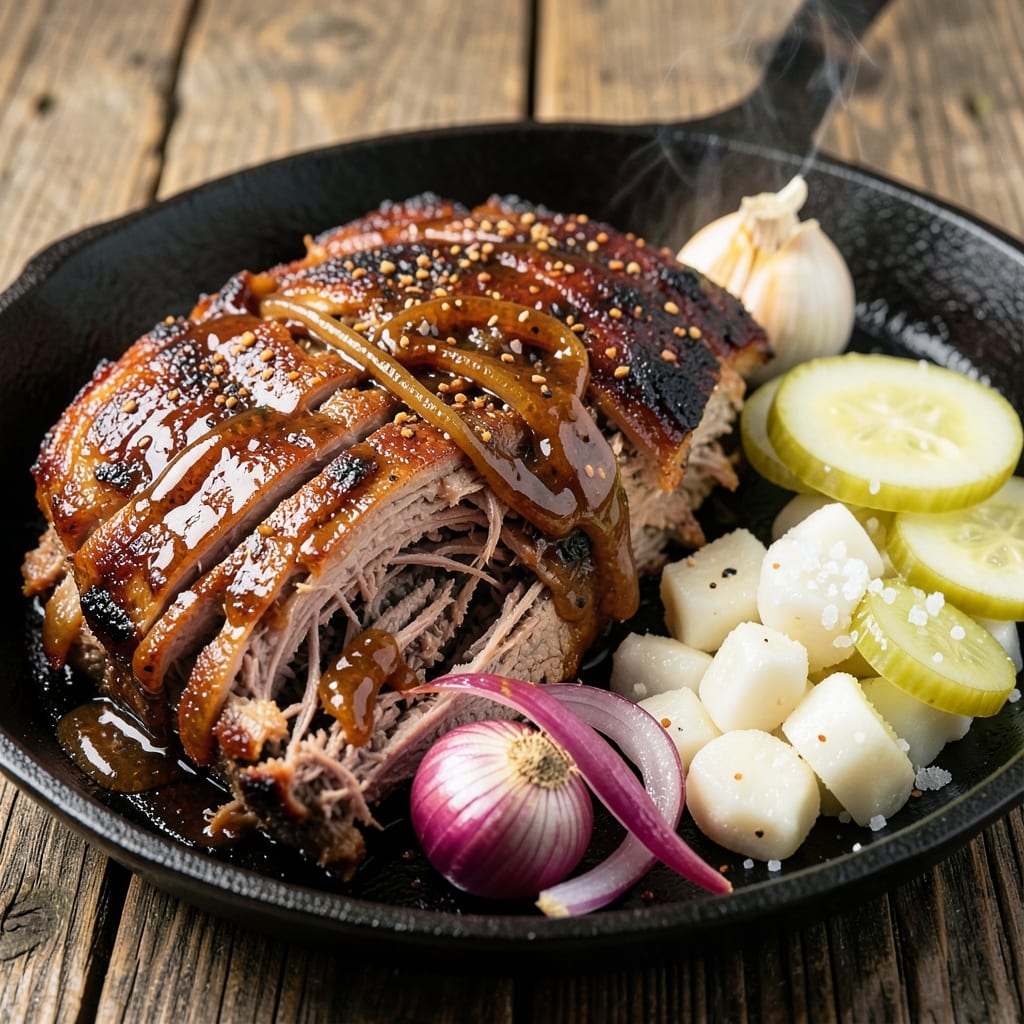
This BBQ pulled beef brisket recipe delivers restaurant-quality results with a perfect balance of smoky depth and tender, shreddable meat. As a pitmaster trained in French technique, I've perfected the art of slow-smoking brisket to create that coveted Maillard crust while keeping the interior melt-in-your-mouth tender. The key lies in patience and precision—two things that transform tough cuts into showstopping centerpieces.
The process begins with a carefully chosen dry rub that develops a flavorful bark during the long cook, while the low-and-slow method breaks down connective tissue into rich, juicy strands. What makes this recipe special is the flexibility—whether you're using a smoker, oven, or even a slow cooker, the principles remain the same. The result is beef so tender it practically falls apart at the touch, with layers of smoky flavor that'll have everyone asking for seconds.
By the time you're done, you'll have perfectly pulled beef that's ready for sandwiches, tacos, or bowls—each bite delivering that perfect combination of smoky aroma, tender texture, and deep, savory flavor. The beauty of this method is that it rewards your time with a dish that feels like a celebration, no matter what occasion you're cooking for. Let's get started on creating your showstopping brisket.
This recipe builds on my years of experience balancing traditional pitmaster techniques with modern shortcuts, ensuring you get professional results without sacrificing flavor or authenticity. The secret weapon? A combination of proper fat cap management, precise temperature control, and knowing exactly when to pull the meat at its peak tenderness. Trust me—once you master this, you'll never buy brisket again.
Ingredients for bbq pulled beef brisket
Eight ingredients for the dry rub, plus a few more for the sauce and smoke. This is where restaurant-quality brisket begins.
| Ingredient | Amount | Notes |
|---|---|---|
| Beef Brisket 🥩 | 6 lb | Whole packer cut with fat cap intact |
| Yellow Onion 🧅 | 2 whole | Yellow or red, sliced thick |
| Garlic Cloves 🧄 | 8 cloves | Peeled, smashed slightly |
| Smoked Paprika 🌶️ | ¼ cup | High-quality, not pre-mixed |
| Brown Sugar 🍚 | ½ cup | Light or dark, packed |
| Kosher Salt 🧂 | ¼ cup | Diamond Crystal preferred |
| Ground Black Pepper 🌶️ | 2 tbsp | Freshly cracked |
| Ground Cumin 🌿 | 1 tbsp | Toasted for depth |
| Mustard Powder 🍯 | 1 tbsp | Yellow or Dijon |
| Apple Cider Vinegar 🍎 | ½ cup | Bottled or homemade |
| Beef Broth 💧 | 2 cups | Low-sodium preferred |
| Yellow Mustard 🍯 | ¼ cup | For finishing sauce |
| Wood Chips 🌳 | 2 cups | Hickory or oak preferred |
| Butter 🧈 | ½ cup | Unsalted, for wrapping |
The brisket cut matters most—packer cuts with fat cap intact are non-negotiable for that perfect bark and moisture. Costco or your local butcher will have the best quality. Look for a cut that's at least 4-6 inches thick with good marbling. If you're buying a whole brisket, trim the fat cap to about 1/4-inch thickness—this helps the bark form evenly without burning. The smoked paprika should be pure, not the pre-mixed stuff from the spice aisle—Penzeys or bulk bins at Whole Foods are your best bets for quality.
No smoked paprika? Substitute with a mix of sweet paprika and liquid smoke—about 1/4 tsp liquid smoke per tablespoon of paprika. The apple cider vinegar can be swapped for red wine vinegar or even lemon juice in a pinch. For the mustard powder, Dijon powder works perfectly. If you're using a smoker but can't find wood chips, chop up a few oak or hickory logs—just soak them in water for 30 minutes first. The beef broth can be swapped for water plus a bouillon cube, but it'll lack depth. And if you're short on time, pre-made BBQ sauce works for finishing, though homemade is always better.
The dry rub keeps for 3 months in an airtight container, so make extra. Store the brisket in the fridge for up to 3 days before cooking—this actually improves flavor as the meat ages. For leftovers, the pulled beef keeps for 5 days in the fridge or 3 months frozen. Wrap it tightly in foil or vacuum-seal for best results. I always make a double batch—one for sandwiches, one for tacos. The sauce can be made ahead and reheated with a splash of water to loosen it up.
Why You'll Love This Recipe
- One-Pan Magic: I swear by this—just toss the brisket, onions, and garlic in one pot with the spices, and it does all the work. No flipping, no fussing, no extra dishes. That smoky paprika and brown sugar caramelize right into the meat while you’re doing anything else.
- Deep, Smoky Love: The brisket falls apart with a pull, but it’s not just tender—it’s bursting with that sweet-spicy-savory punch. The onions melt into the sauce, and the garlic? Oh, it’s the star that makes you close your eyes and sigh. (Yes, even on a Tuesday night.)
- Leftovers That Don’t Suck: Between us, most pulled beef recipes turn into sad, dry meat after day two. Not this one. The sauce clings to every bite, and the brisket stays juicy for days—perfect for tacos, sandwiches, or just eating straight from the pot with a fork. My freezer’s always stocked.
- Budget Feast: A whole brisket feeds my family for weeks—and I’m not exaggerating. You’re getting a massive cut of meat for less than you’d pay for two steaks, plus the onions and spices cost pennies. Honestly, it’s the kind of recipe that makes me feel like a hero when the grocery bill comes.
Step-by-step instructions for smoky, slow-smoked brisket
Here's how to transform a tough cut into melt-in-your-mouth pulled beef with a perfect bark.
Prepare the Brisket and Build the Rub
Begin by trimming the fat cap of the 6 lb beef brisket down to about ¼ inch thickness using a sharp boning knife. Leave the fat intact on the sides—this will protect the meat during smoking. Pat the entire surface dry with paper towels, removing any moisture that could prevent the rub from adhering properly.
In a medium bowl, combine the 0.25 cup smoked paprika, 0.5 cup brown sugar, 0.25 cup kosher salt, 2 tbsp ground black pepper, 1 tbsp ground cumin, and 1 tbsp mustard powder. Mix thoroughly until evenly distributed. Generously coat the brisket with this dry rub, pressing it into all surfaces and working it into the crevices. This ensures maximum flavor penetration and creates that coveted crust.
Preheat Smoker and Smoke the Brisket Low and Slow
Fill your smoker with the 2 cups wood chips (hickory or oak preferred) and preheat to 225°F. Allow 30-45 minutes for the smoker to reach temperature and establish a steady stream of clean, blue smoke. Place a water pan in the smoker to maintain moisture levels during the long cook.
Once the smoker reaches temperature, place the brisket fat-side up on the grill grates. Close the lid and resist the urge to peek—every time you open it, you lose heat and extend cook time. Smoke the brisket undisturbed for 6-8 hours, or until the internal temperature reaches 165-170°F. This is when you'll hit "the stall," where the temperature plateaus as moisture evaporates.
Wrap and Finish the Brisket
When the brisket hits the stall, remove it from the smoker and wrap it tightly in butcher paper (not aluminum foil). This "Texas crutch" technique helps you power through the stall while preserving that beautiful bark. Return the wrapped brisket to the smoker and continue cooking until the internal temperature reaches 200-205°F, which typically takes another 4-6 hours.
The brisket is done when it reaches probe-tender perfection—a meat thermometer inserted into the thickest part should slide in like butter with no resistance. At this point, remove the brisket from the smoker and let it rest in the butcher paper for at least 1 hour (I prefer 2 hours) wrapped in towels in a cooler. This resting period allows the juices to redistribute throughout the meat.
Shred and Mix with Finishing Sauce
Unwrap the brisket and locate the grain direction—you'll see lines running through the meat. Using two forks, shred the meat against the grain into ¼-inch thick strands. Transfer the shredded brisket to a large bowl and set aside.
In a separate saucepan, combine the 2 cups beef broth, 0.5 cup apple cider vinegar, and 0.25 cup yellow mustard. Bring to a simmer over medium heat and let it reduce by half, about 10-15 minutes. Stir in the 0.5 cup softened butter and mix until fully incorporated. Pour this sauce over the shredded brisket and toss gently to coat evenly. The brisket should be glossy and moist, with a perfect balance of smoky, sweet, and tangy flavors.
Serve Immediately for Maximum Juiciness
Serve the pulled beef immediately while it's still warm. The brisket should be tender enough to pull apart with a gentle tug, and each bite should deliver rich, smoky flavor with a perfect balance of sweetness and tang. For an authentic presentation, pile the brisket onto toasted buns and top with sliced yellow onions that have been caramelized in the brisket juices.
This method guarantees a brisket with a dark mahogany bark on the outside and a beautiful pink smoke ring just beneath. The slow smoking process creates unparalleled tenderness and depth of flavor that you simply can't achieve with faster cooking methods. Enjoy your perfectly smoked brisket with family and friends—it's worth every minute of the wait!
Pro Tips For Making Bbq Pulled Beef Brisket
- CRANK THE HEAT FIRST: Start your brisket over direct heat until it hits 150°F—yes, even if you’re nervous about burning. After burning through three batches where I played it safe, I finally realized: a good sear locks in flavor and kicks off the breakdown. Just watch it like a hawk and move it to indirect heat before it gets too dark.
- MINCE THAT ONION: Don’t just chop those yellow onions—give them a good mince, almost like you’re making a salsa. I used to toss in thick slices, and they’d just sit there like stubborn guests at a party. Finely chopped onions melt into the rub and sauce, adding sweetness every bite.
- SKIP THE CROWDED PAN: If your brisket isn’t fitting snugly in the pan, resist the urge to stack it. I learned this the hard way when my first batch turned out soggy because the meat steamed instead of caramelized. Give it space—even if it means working in batches—and you’ll get that perfect crust.
- SWEAT THE GARLIC: Don’t just toss raw garlic cloves into the mix—sweat them in oil with the onions until they’re soft and fragrant. Raw garlic burns easily and can turn bitter, especially when you’re dealing with high heat later. A few minutes of patience here means no harsh aftertaste ruining your sauce.
Serving suggestions for this bbq pulled beef brisket
Classic Sandwich Style
Serve your pulled beef on toasted brioche buns or potato rolls for that authentic BBQ joint experience. I like to layer thick-cut caramelized onions and a smear of yellow mustard on the bottom bun, then pile on the brisket. Top with a sprinkle of fresh cilantro and a drizzle of the finishing sauce. For extra decadence, add a slice of sharp cheddar that melts into the warm beef. 🥪
Taco or Nacho Bar
Transform your brisket into a taco or nacho bar by serving it with warm corn tortillas, flour tortillas, or tortilla chips. Set out toppings like pickled jalapeños, diced avocado, crumbled queso fresco, and sliced radishes. I love adding a side of black beans and charred corn to round out the meal. This is perfect for game day or family gatherings where everyone can build their own plate. 🌮
Loaded Baked Potatoes
Turn baked potatoes into a hearty meal by topping them with pulled beef, shredded cheddar, sour cream, and chopped green onions. For extra flavor, drizzle with a little hot sauce or BBQ sauce. I often serve these with a side of crispy bacon and steamed broccoli for a balanced meal. This is a great option for a cozy dinner that feels like a restaurant dish. 🥔
BBQ Bowls
Create a customizable BBQ bowl by serving the pulled beef over steamed white rice or mashed potatoes. Add toppings like sautéed bell peppers, corn kernels, black-eyed peas, and a dollop of ranch or blue cheese dressing. I like to garnish with toasted pecans for crunch and a sprinkle of fresh parsley. These bowls are perfect for meal prep and can be tailored to everyone's taste. 🍚
Grilled Cheese Twist
For a unique twist, serve the pulled beef on sourdough or Texas toast with sharp cheddar and Gruyère for a gourmet grilled cheese. Add a side of tomato soup or pickles to balance the richness. This is a fantastic way to use leftovers and create a comforting meal. 🧀
Leftovers Reinvented
Don’t let leftovers go to waste! Use pulled beef in breakfast hash with diced potatoes and onions, or stuff it into breakfast burritos with scrambled eggs and cheese. I also love making BBQ meatballs or pulled beef sliders for quick lunches. The possibilities are endless, and it’s a great way to keep the flavors going for days. 💡
Nutrition facts
Frequently asked questions
How long does it take to cook a 6 lb brisket?
Total cook time typically ranges from 12-16 hours depending on your smoker setup. The brisket needs 6-8 hours to reach the stall (165-170°F), then another 4-6 hours wrapped to hit 200-205°F. The key is patience—rushing will result in tough meat.
What's the difference between smoking and slow-cooking brisket?
Smoking adds authentic wood-fired flavor through smoke infusion, while oven slow-cooking uses indirect heat. The bark develops differently: smoked brisket gets a dark mahogany crust from smoke and rub, while oven-cooked brisket develops a more uniform brown color. For best results, use a smoker or convert your oven into a makeshift smoker with wood chips.
Can I use a different cut of beef?
This recipe is specifically designed for brisket due to its fat content and connective tissue, which create that signature tender texture. While you could try chuck roast or short ribs, they won't achieve the same melt-in-your-mouth tenderness. Brisket's fat cap is essential for both flavor and moisture during the long cook.
Why does my brisket turn out tough?
Most common causes are cooking too fast (above 250°F) or not reaching 200-205°F internal temp. The stall is critical—wrap the brisket in butcher paper when it hits 165°F to push through it. Also, never skip the rest time—the juices need 1-2 hours to redistribute.
What's the best way to reheat leftovers?
Gently reheat in a skillet with a splash of beef broth or apple cider vinegar over low heat until warmed through (165°F). Never microwave—it makes the meat dry. For sandwiches, assemble first and then warm the whole thing in the oven at 300°F for 10 minutes. This keeps everything juicy!