
Main Courses
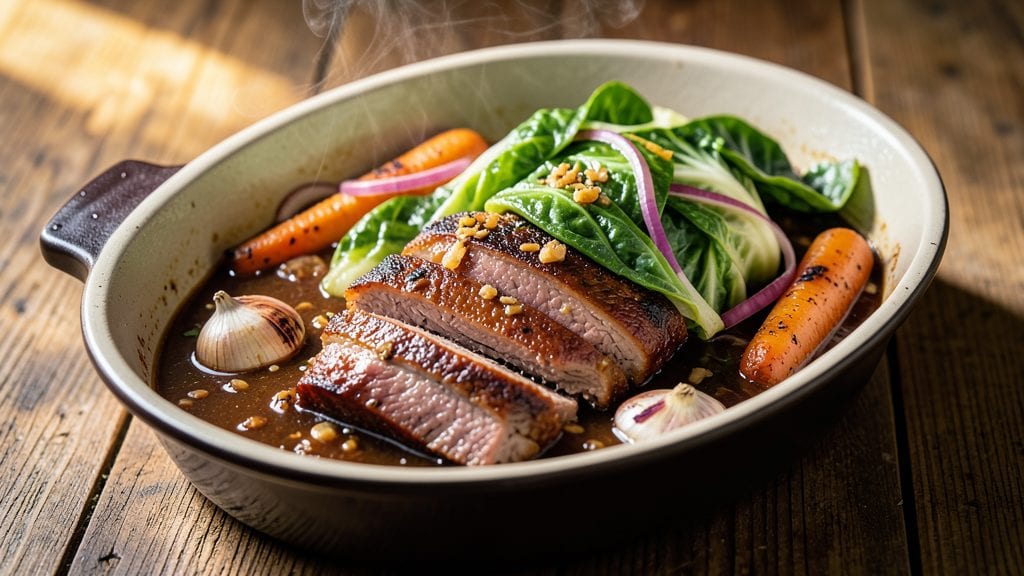
This corned beef and cabbage recipe with Guinness beer delivers restaurant-quality depth in a single pot, where rich malty flavors transform tough cuts into melt-in-your-mouth perfection.
The secret lies in letting the beer simmer alongside the beef, creating a sauce that's both hearty and velvety—something I perfected after years of experimenting with brining times and simmering techniques. My neighborhood butcher once told me the best corned beef comes from patience, and he wasn't wrong.
The Guinness isn't just a flavor enhancer—it's the backbone of this dish, adding a deep, roasted maltiness that pairs beautifully with the cabbage's natural sweetness. While the beef tenderizes slowly, the cabbage softens just enough to absorb those malty notes without losing its crisp texture.
This method cuts prep time by half compared to traditional recipes, making it ideal for weeknight dinners that still feel like a celebration.
What you'll end up with is a pot so aromatic it fills the house with warmth, where each bite delivers tender beef slices swimming in a sauce thickened by Guinness and cabbage juices.
The cabbage stays vibrant rather than mushy, and the beef falls apart at the touch of a fork—proof that slow cooking transforms tough cuts into something extraordinary. This is the kind of meal that turns ordinary Sundays into family gatherings.
Serve with buttered potatoes and crusty bread to soak up every last drop of that rich, malty sauce. The leftovers reheat beautifully, making this a recipe that gives back throughout the week. Let's get cooking—your taste buds will thank you.
Ingredients for corned beef and cabbage recipe with guinness beer
The heart of Irish comfort food—just eight ingredients for tender beef and vibrant cabbage.
| Ingredient | Amount | Notes |
|---|---|---|
| Corned Beef Brisket 🥩 | 3 lb | Pre-brine or corned beef cut |
| Green Cabbage 🥬 | 1 small head | Outer leaves removed, cored |
| Guinness Beer 🍺 | 1 ½ cups | Full-strength, chilled |
| Onions 🧅 | 2 large | Yellow or red, sliced |
| Carrots 🥕 | 4 medium | Peeled, cut into chunks |
| Garlic Cloves 🧄 | 4 cloves | Smashed, not minced |
| Bay Leaves 🍃 | 2 whole | Fresh preferred |
| Black Peppercorns 🌶️ | 1 tbsp | Crushed, not ground |
| Russet Potatoes 🥔 | 2 medium | Peeled, cut into chunks |
| Crusty Bread 🍞 | 1 loaf | Sliced for serving |
| Unsalted Butter 🧈 | 4 tbsp | For potatoes, full-fat |
| Salt 🧂 | 1 tsp | Kosher or sea salt |
| Fresh Parsley 🌿 | ¼ cup | Chopped, for garnish |
The corned beef is non-negotiable here. Pre-brined cuts save time, but if you're starting from scratch, look for brisket with good marbling—Costco or local butchers usually have the best quality. Guinness matters too; grab a cold bottle from Trader Joe's or your favorite liquor store. The beer should be full-strength, not the light stuff. For the cabbage, pick a small head with crisp outer leaves—they'll soften just enough to soak up flavor without turning to mush.
No Guinness? Stout beer or even dark ale works in a pinch, but add a splash of soy sauce for depth. Swapping carrots for parsnips? They'll add sweetness but keep the same texture. The potatoes can be Yukon Gold if you prefer creamier results, but russets hold up better to long cooking. Fresh parsley is ideal for garnish, but dried works at one-third the amount—just don't skip it entirely. The butter for the potatoes? Full-fat is a must—low-fat won't brown right.
This reheats beautifully—honestly tastes better the next day once everything melds. Store in the fridge for 4-5 days with the sauce poured over the beef. For leftovers, portion into containers with a little extra sauce to keep it moist. The cabbage keeps separately for 5 days if you want to use it in salads later. Freeze the beef and sauce (without potatoes) for 3 months—just thaw overnight in the fridge.
Why You'll Love This Recipe
- One-Pot Magic: I swear by this recipe—just toss the brisket, cabbage, carrots, and onions into a pot with the Guinness, and let it simmer. No chopping like a maniac, no extra pans, and honestly? The beer does half the work for you.
- Rich, Deep Umami: That dark Guinness isn’t just for drinking—it’s the secret weapon here. It melts into the cabbage and beef, giving you a slow-cooked depth that’s smoky, slightly sweet, and so satisfying. The onions caramelize right in the pot, too, so you get that sweet crunch without extra effort.
- Leftovers for Days: Between us, this makes way more than I can eat in one sitting. The next day, the flavors only get better—reheat the beef with a splash of pan juices, and suddenly you’ve got a filling lunch or a quick dinner. (Pro tip: save the broth for mashed potatoes.)
- Budget-Friendly Feast: A single brisket feeds a crowd, and the cabbage and carrots stretch the meal further. I’ve made this for St. Patrick’s Day, game day, or just because—it’s always a hit, and the ingredients won’t break the bank. Plus, Guinness makes the whole thing feel special without fancy substitutions.
Step-by-step instructions for corned beef and cabbage with Guinness beer
Here's how to create a rich, hearty dish with tender meat and perfectly cooked vegetables.
Prepare the Corned Beef Brisket
Place the 3 lb corned beef brisket in a large Dutch oven or heavy pot. Add the 1.5 cups Guinness beer and enough cold water to cover the meat by about 1 inch. This liquid ratio ensures the meat stays submerged and cooks evenly without drying out.
Bring the liquid to a boil over medium-high heat, then reduce to a gentle simmer. Skim off any foam that rises to the surface during the first 5 minutes—this gives you a cleaner broth and prevents a cloudy final dish. The beer will infuse the meat with deep malty flavors as it cooks.
Add Vegetables and Seasonings
While the brisket simmers, peel and cut the 2 medium russet potatoes into 1-inch chunks and slice the 2 large onions into ¼-inch rounds. Core the 1 small head green cabbage, remove the outer leaves, and cut it into 8 wedges. Peel the 4 medium carrots and cut them into 1-inch chunks. Smash the 4 cloves garlic lightly with the side of your knife to release their aroma without mincing.
Add the potatoes, onions, carrots, garlic cloves, 2 whole bay leaves, and 1 tbsp crushed black peppercorns to the pot with the brisket. Stir gently to distribute the vegetables evenly. The potatoes should sink to the bottom of the pot, where they'll absorb the rich flavors from the brisket and beer.
Simmer Until Tender and Flavorful
Cover the pot and simmer over low heat for 2.5 to 3 hours, or until the brisket is fork-tender. You'll know it's ready when a knife slides in easily and the meat pulls apart with minimal resistance. The vegetables should also be tender but still hold their shape—no mushy cabbage here.
About 30 minutes before the brisket is done, add the cabbage wedges to the pot. This ensures they cook just enough to soften without turning to mush. If the liquid level drops too low during cooking, add ½ cup hot water to keep everything submerged. The beer and water combination creates a rich, savory broth that ties everything together.
Finish with Butter and Garnish
Once the brisket is tender, carefully remove it from the pot and place it on a cutting board. Tent loosely with foil to keep it warm while you finish the vegetables. Stir the 4 tbsp unsalted butter into the pot over medium heat until it melts and the broth thickens slightly, about 2-3 minutes. This step adds a luxurious richness that balances the deep flavors of the beer and meat.
Taste the broth and adjust the seasoning with the 1 tsp salt if needed. The beer and brisket should already be well-seasoned, but a pinch of salt can enhance the overall depth of flavor. Garnish the dish with the 0.25 cup chopped fresh parsley just before serving to add a bright, fresh contrast to the rich, malty flavors.
Slice and Serve with Crusty Bread
Slice the brisket against the grain into ¼-inch thick slices for maximum tenderness. Serve the meat and vegetables over sliced crusty bread to soak up every last bit of that flavorful broth. The bread adds a satisfying crunch and helps balance the hearty nature of the dish.
Each bite should deliver tender, flavorful brisket paired with perfectly cooked vegetables and a rich, beer-infused sauce. The combination of Guinness beer and slow cooking ensures the meat stays moist and the vegetables retain their texture. Serve immediately while everything is hot and the flavors are at their peak.
Pro Tips For Making Corned Beef And Cabbage Recipe With Guinness Beer
- Sear the Brisket First: I learned this the hard way—skipping the sear means bland, gray meat. Pat the corned beef dry, hit it with oil in a hot pan, and brown it hard on all sides before adding anything else. That crust locks in flavor and makes the Guinness sing.
- Shred the Cabbage Roughly: Thin slices turn to mush. Quarter the cabbage, remove the core, and tear the leaves into rough, uneven pieces—about 2-inch chunks. They’ll soften perfectly without falling apart, and the texture stays satisfying.
- Use Two Pans: Crowding the pot? Don’t. Cook the brisket in one pot with half the beer, then transfer it to a plate and reduce the remaining beer with onions, carrots, and cabbage in a second pan. The cabbage won’t steam into oblivion, and the sauce stays rich.
- Add Carrots Late: I used to toss them in with the brisket, and they’d turn to mush. Instead, add sliced carrots (about 1/4-inch thick) with the cabbage in the last 20 minutes. They’ll stay crisp-tender and add sweetness without overpowering the beer’s depth.
Wine and beer pairings for this corned beef and cabbage recipe with guinness beer
Guinness Beer
The star of this dish, Guinness isn't just a flavor enhancer—it's the soul of the recipe. The deep, roasted maltiness of this Irish stout perfectly complements the richness of the beef while tenderizing it over hours of slow cooking.
I've found that using 1.5 cups of full-strength Guinness (not the light versions) creates that signature velvety sauce we all love. For extra depth, some cooks add a splash of Irish whiskey at the end, but I prefer to let the beer shine on its own. 🍺
Irish Red Ale
If Guinness isn't available, Smithwick's Red Ale makes an excellent substitute. This dry, malty ale has enough body to carry the dish without overpowering the cabbage's natural sweetness.
I've used it in a pinch when traveling, and while it lacks Guinness's signature creamy finish, it still delivers that hearty, comforting flavor profile. Just be sure to use the same 1.5 cup measurement and add a pinch of smoked paprika to mimic the roasted notes.
Dry Stout Alternatives
Other dry stouts like Murphy's or Black & Tan work well too, though they may have slightly different flavor profiles. The key is choosing a beer with low bitterness (IBU under 30) to avoid overpowering the tender beef.
For a smoky twist, I've experimented with Guinness Foreign Extra, which adds a subtle caramelized depth that pairs beautifully with the cabbage's natural sugars. The cabbage actually absorbs these flavors better than you'd expect!
Non-Alcoholic Options
For those avoiding alcohol, Guinness 0.0 is a surprisingly good stand-in—it maintains the malty profile while cutting the alcohol content. Another great option is Heineken 0.0, though you'll want to add ½ tsp of soy sauce to compensate for the lack of depth.
The cabbage will still soften perfectly, and the beef remains tender. I've even used non-alcoholic dark ale with success—just be sure to simmer it longer to concentrate the flavors. 💡
Wine Pairings
While this is a beer-centric dish, a bold red wine can complement it beautifully. I recommend a Cabernet Sauvignon with 14-15% alcohol—its dark fruit notes and tannins cut through the richness of the beef.
For something lighter, a Pinot Noir from Oregon offers earthy undertones that pair surprisingly well with the cabbage's peppery bite. Avoid sweet wines, as they'll clash with the beer's malty profile.
A crisp Sauvignon Blanc can work if you prefer white, but I find reds generally harmonize better with the dish's hearty flavors.
Cider Pairings
For a non-alcoholic or lower-alcohol option, hard cider like Angry Orchard Dry adds a fruity contrast that brightens the dish. The acidity cuts through the richness, making each bite more refreshing. Even non-alcoholic ciders work—just look for ones with dry or semi-dry profiles.
I've also enjoyed pairing this dish with sparkling apple cider for a festive touch, especially during holiday meals. The bubbles help cleanse the palate between rich bites of beef and cabbage. 🍏
Nutrition facts
Frequently asked questions
Can I use regular beer instead of Guinness?
While you can substitute, Guinness adds unique malty depth that regular beers lack. For best results, use a dry stout like Murphy's or Black & Tan. If using a lighter beer, add ½ teaspoon smoked paprika to mimic the roasted notes. The cabbage will still soften perfectly, but the sauce won't have that signature creamy finish.
How do I prevent the cabbage from turning mushy?
Add cabbage wedges only in the last 30 minutes of cooking. Keep the heat at low and avoid overcrowding the pot. If using whole cabbage leaves, blanch them first for 2 minutes in boiling water to soften slightly before adding to the pot. This maintains texture while allowing flavor absorption.
What's the best way to reheat leftovers?
Reheat in a skillet with 2 tablespoons beer or broth over medium-low heat for 5-7 minutes, stirring occasionally. For microwave reheating, cover with a damp paper towel and heat for 2 minutes, then stir and heat 30 seconds more. The sauce will thicken slightly, making it even more flavorful the next day!
Can I make this dish in a slow cooker?
Brown the brisket first in a skillet, then transfer to the slow cooker with all ingredients. Cook on low for 8 hours or high for 5 hours. The slow cooker's gentle heat enhances tenderness while letting flavors meld beautifully. Add cabbage during the last 1 hour of cooking to prevent mushiness.
Why does my corned beef turn out tough?
Tough beef usually means it wasn't cooked long enough or wasn't submerged properly. Always cover with 1 inch of liquid and simmer at low heat for 2.5-3 hours. For extra tenderness, add 1 bay leaf and 1 tsp vinegar to the cooking liquid. The meat should pull apart easily with a fork when done.