
Sauces & Condiments
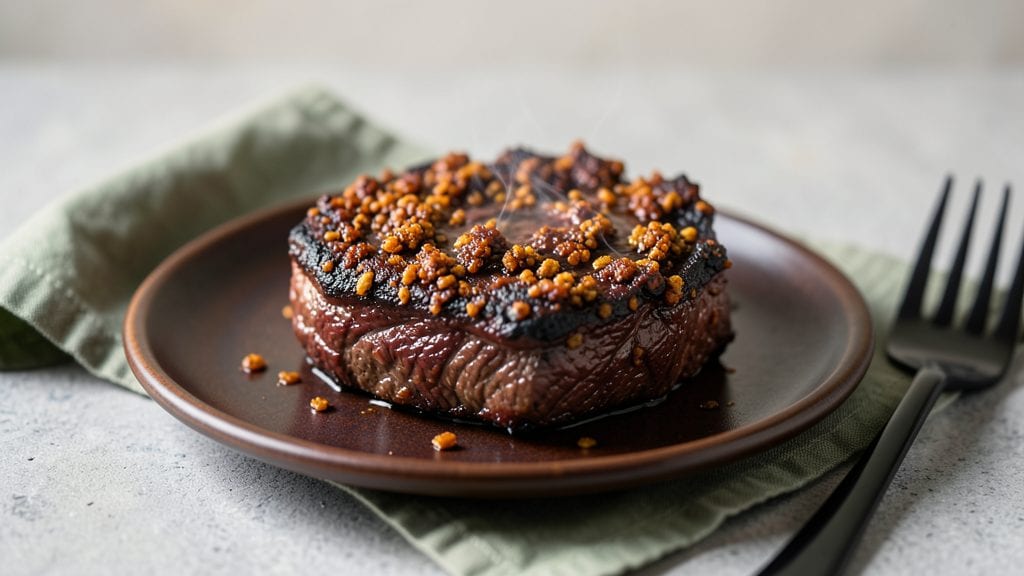
Creating the perfect dry rub for beef tenderloin transforms an already luxurious cut into something extraordinary—think steakhouse crust without the fuss. This blend of warm spices and smoky notes creates a flavorful bark that seals in tenderness while adding depth.
I developed this mix after years of testing, and it’s become my go-to for impressing guests without spending hours in the kitchen.
The secret lies in balancing sweet, savory, and aromatic spices—brown sugar for caramelization, smoked paprika for depth, and a touch of cayenne for subtle heat. Each ingredient plays a precise role: the garlic powder infuses flavor, the onion powder adds complexity, and the black pepper ensures a well-rounded finish.
It’s a professional-grade seasoning that takes just minutes to mix.
What you’ll end up with is a dry rub that clings beautifully to the beef, forming a rich, flavorful crust while keeping the interior perfectly tender. The aroma alone will have everyone anticipating dinner, and the taste?
That’s where the magic happens—bold, balanced, and impossible to resist. Store it in an airtight container for up to three months, ready to elevate any steak.
Whether you’re grilling, roasting, or pan-searing, this dry rub delivers consistent, restaurant-quality results every time. The key is applying it generously and letting it sit for at least 30 minutes before cooking—this ensures maximum flavor penetration. Here’s how to mix it up perfectly.
Ingredients for dry rub recipe for beef tenderloin
Nine spices, one luxurious crust—this dry rub turns beef tenderloin into steakhouse perfection.
| Ingredient | Amount | Notes |
|---|---|---|
| Light Brown Sugar 🍚 | ½ cup | Packed, for caramelization |
| Smoked Paprika 🌶️ | 2 tbsp | High-quality, not pre-mixed |
| Garlic Powder 🧄 | 1 ½ tbsp | Freshly ground preferred |
| Onion Powder 🧅 | 1 ½ tbsp | Finely ground for even distribution |
| Ground Black Pepper 🌶️ | 1 tbsp | Freshly cracked for intensity |
| Cayenne Pepper 🔥 | ½ tsp | Adjust for heat preference |
| Diamond Crystal Kosher Salt 🧂 | 1 tbsp | Coarse grain for texture |
| Ground Coriander 🌿 | 1 tbsp | Adds citrusy brightness |
| Mustard Powder 🍯 | 1 tsp | For subtle tanginess |
The brown sugar is non-negotiable here—it’s what creates that beautiful caramelized crust. Light brown sugar works best (the molasses content adds depth), but dark brown sugar in a pinch will still caramelize. For smoked paprika, Penzeys or McCormick’s are my go-tos—avoid the cheap grocery store stuff, which often tastes like dust. The garlic and onion powders should be freshly ground if possible; pre-ground spices lose potency fast. If you’re buying in bulk, store them in airtight containers away from light. The coriander might seem unusual, but it adds that subtle citrus note that rounds out the richness of the beef.
No smoked paprika? Substitute with 1 tbsp regular paprika plus 1/4 tsp liquid smoke—it’s not identical, but it gets you close. Short on cayenne? Red pepper flakes at half the amount work, though the heat profile will differ. Mustard powder missing? Dijon mustard powder is a direct swap. For a deeper smoky flavor, add 1/2 tsp chipotle powder. The salt matters—Diamond Crystal kosher is ideal, but Morton coarse sea salt works too. If you’re using table salt, reduce to 3/4 tbsp. Pre-mixed rubs? Don’t bother—homemade always tastes better and lets you control the heat level.
This rub keeps for up to 3 months in an airtight container, but it’s best used within 6 weeks for maximum flavor. I like to portion it into small jars—one for each steak—so it’s ready whenever inspiration strikes. For extra convenience, make a double batch and freeze half. Once applied to the beef, let it sit for at least 30 minutes (or overnight for deeper flavor). The crust forms best when the beef comes to room temperature before cooking, so plan ahead. Store unused portions in the freezer for up to 6 months—just let them thaw completely before using.
Why You'll Love This Recipe
- Five-Ingredient Magic: I swear by this combo—just mix, rub, and roast. No fancy prep, no measuring cups cluttering your counter. That paprika and brown sugar caramelize into a sticky, smoky crust while you’re still setting the table.
- Crowd-Pleasing Crust: Between us, this is the kind of dish that gets passed around the table before it even hits your plate. The brown sugar gives it that deep, buttery sweetness, while the smoked paprika adds a hint of campfire warmth—like a steakhouse bite at home.
- Weeknight to Weekend: Honestly, I use this for everything: a quick dinner with roasted potatoes, a showstopper for date night, or even sliced thin for charcuterie boards. The same rub works for all of it, and the leftovers? Still incredible reheated the next day.
- Steakhouse Without the Hassle: No need to spend $50 on a cut—this rub makes even a modest tenderloin taste like a splurge. The garlic and onion powders add depth without overpowering, and the black pepper? Just enough to keep it sharp. It’s my secret for turning budget-friendly beef into something people rave about.
Step-by-step instructions for beef tenderloin dry rub
Here's how to blend this restaurant-worthy spice crust for melt-in-your-mouth beef.
Measure Ingredients Precisely
Start by gathering all ingredients in their exact quantities. Use a kitchen scale for the 0.5 cup light brown sugar to ensure proper packing - it should be firmly settled in the measuring cup without mounding. For the 2 tablespoons smoked paprika, I recommend using a fine-mesh strainer if your paprika has any large particles, as this creates a smoother texture on the beef's surface.
When measuring the 1.5 tablespoons each of garlic powder and onion powder, use a flat-edged measuring spoon and level it off with the back of a knife. This prevents overfilling and ensures even distribution later. The 1 tablespoon ground black pepper should be freshly cracked if possible - pre-ground pepper loses its intensity quickly.
Combine Dry Ingredients Thoroughly
In a medium mixing bowl, add all ingredients in this order: light brown sugar, smoked paprika, garlic powder, onion powder, ground black pepper, 0.5 teaspoon cayenne pepper, 1 tablespoon diamond crystal kosher salt, 1 tablespoon ground coriander, and finally 1 teaspoon mustard powder. This sequence prevents the sugar from clumping with the cayenne.
Use a whisk to combine the ingredients gently at first, then switch to a rubber spatula to fold and press the mixture together. You'll notice the sugar begins to break down slightly as it mixes with the dry spices - this is normal and actually helps create adhesion when applied to the beef. Work the mixture for about 2-3 minutes until it forms a cohesive, slightly grainy paste with no dry spots remaining.
Test and Adjust for Balance
Take a small pinch of the mixture between your fingers and taste it. The flavor should be complex - you should detect sweetness from the brown sugar, smokiness from the paprika, heat from the cayenne, and a subtle tang from the mustard powder. If you find the heat level too intense from the 0.5 teaspoon cayenne pepper, reduce it to 0.25 teaspoon for a milder version.
For the perfect balance, the rub should have a slightly sweet aroma with underlying smoky and spicy notes. If it smells flat, add an extra 0.25 teaspoon smoked paprika or 0.25 teaspoon garlic powder to enhance complexity. Transfer the finished rub to an airtight container and store in a cool, dark place for up to 3 months - the flavors will deepen over time.
Apply to Beef Tenderloin
Pat the beef tenderloin completely dry with paper towels - moisture is the enemy of proper crust formation. Generously apply the rub all over the tenderloin, pressing it firmly into the meat so it adheres well. For a 4-pound tenderloin, you'll use about 2 tablespoons of the rub, reserving any leftovers for future use.
Let the seasoned beef sit at room temperature for 30-45 minutes before cooking. This allows the rub to penetrate slightly and the meat to come to an even temperature. The surface should develop a slightly sticky, spice-coated appearance. When you're ready to cook, you'll want to use either a high-heat sear or grill method to develop that coveted crust while keeping the interior perfectly tender.
Pro Tips For Making Dry Rub Recipe For Beef Tenderloin
- PAT THE RUB IN: Don’t just sprinkle and walk away—press the rub into every crevice of the tenderloin, especially the sides and ends where the crust often skips. I learned this the hard way when my first try came out with pale spots that tasted like they’d been forgotten.
- TOAST THE SUGAR: Lightly toast the brown sugar in a dry pan for 2-3 minutes until it smells caramelized. This deepens the flavor and prevents it from turning into a sticky mess on your hands while mixing. (Yes, even if you’re impatient like me.)
- LET IT SIT: Apply the rub at least 4 hours ahead—or overnight if you’re not in a rush—and keep it refrigerated. The spices need time to penetrate, and the sugar will start caramelizing on the surface, giving you that perfect crust without sticking to the pan.
- SEAR IN BATCHES: Tenderloin is a big cut, so resist the urge to crowd the pan. Sear in batches over high heat for 2-3 minutes per side until deep brown—this builds the crust layer that makes all the difference. (Your future self will thank you.)
Wine and beer pairings for dry rub recipe for beef tenderloin
Red Wine Pairings
For this rich, smoky dry rub, I reach for a bold red wine that can stand up to the beef's intensity while complementing its caramelized crust.
A Cabernet Sauvignon from Napa Valley—like Caymus Vineyards—is my go-to, with its dark fruit flavors and firm tannins cutting through the sweetness of the brown sugar. The wine's structure mirrors the rub's complexity, creating a harmonious balance. 🍷
If you prefer something slightly lighter, a Syrah from the Rhône Valley offers spicy notes that echo the cayenne and smoked paprika. I love Guigal Côte-Rôtie for its peppery finish, which pairs beautifully with the mustard powder in the rub.
Both wines elevate the dish without overpowering it, making them perfect choices for a special dinner.
Malbec for Heat Lovers
For those who like their beef with a kick, a Malbec from Argentina delivers the perfect pairing. The wine's dark fruit and subtle smokiness complement the cayenne while its velvety texture softens the heat.
I recommend Catena Zapata Malbec—its depth of flavor matches the rub's intensity, creating a match made in steakhouse heaven.
Beer Pairings
If you're serving this beef with beer, a dark amber ale or stout works beautifully. I love Deschutes Brewery's Mirror Pond—its caramel and chocolate notes harmonize with the brown sugar crust, while the hop bitterness balances the richness.
For a lighter option, a Belgian-style witbier like Hoegaarden adds a refreshing citrus contrast to the smoky rub.
Craft IPA Balance
A hazy IPA from a Pacific Northwest brewery can be a surprising but excellent match. The wine-like qualities of Ecliptic Brewing's Hazy Little Thing complement the rub's complexity, while the juicy hop flavors provide a bright counterpoint.
The slight sweetness in the IPA also echoes the brown sugar in the rub, creating a cohesive pairing. 🍺
Non-Alcoholic Options
Don’t drink alcohol? No problem. A sparkling blackberry iced tea with a splash of lime adds a fruity, refreshing contrast to the smoky, spicy rub. For something richer, try a smoked cherry soda—the smokiness mirrors the paprika, while the sweetness balances the cayenne.
Both options keep the meal vibrant and satisfying without alcohol.
Nutrition facts
Frequently asked questions
Can I use this dry rub on other cuts of beef?
This blend works beautifully on ribeye, filet mignon, or strip steak, but adjust the amount—thicker cuts need more rub. For brisket or chuck roast, reduce the cayenne to 1/4 teaspoon to avoid overpowering the meat. The sugar-heavy crust shines best on fatty cuts where it can caramelize properly.
How do I store leftover dry rub?
Keep unused portions in an airtight container in a cool, dark place for up to 3 months. For longer storage, freeze portions in small jars or bags for up to 6 months. Thaw completely before using—never microwave, as heat dulls the spices. A pro tip: portion into single-use servings to avoid re-measuring later.
What if I don’t have smoked paprika?
Substitute with 1 tbsp regular paprika + 1/4 tsp liquid smoke for depth, though the flavor won’t be identical. For a smokier alternative, add 1/2 tsp chipotle powder instead. The rub will still work—just expect a slightly different profile. The brown sugar and garlic powder will still deliver that signature caramelized crust.
Can I make this rub spicier?
Double the cayenne to 1 teaspoon for serious heat, or add 1/2 tsp red pepper flakes for texture. For a smoky kick, increase the smoked paprika to 3 tbsp. Test small batches first—some spices intensify when mixed. The mustard powder adds tang, so reduce it slightly if you’re boosting heat elsewhere.
Why does my rub look clumpy?
Clumps usually mean the brown sugar absorbed too much moisture. Mix the rub with a fork while dry to break up lumps, or add 1/2 tsp cornstarch to absorb excess. Store in a sealed container with a silica packet to prevent future clumping. If it’s too dry, a tiny splash of olive oil (1/2 tsp) can help bind it without affecting flavor.