
Main Courses
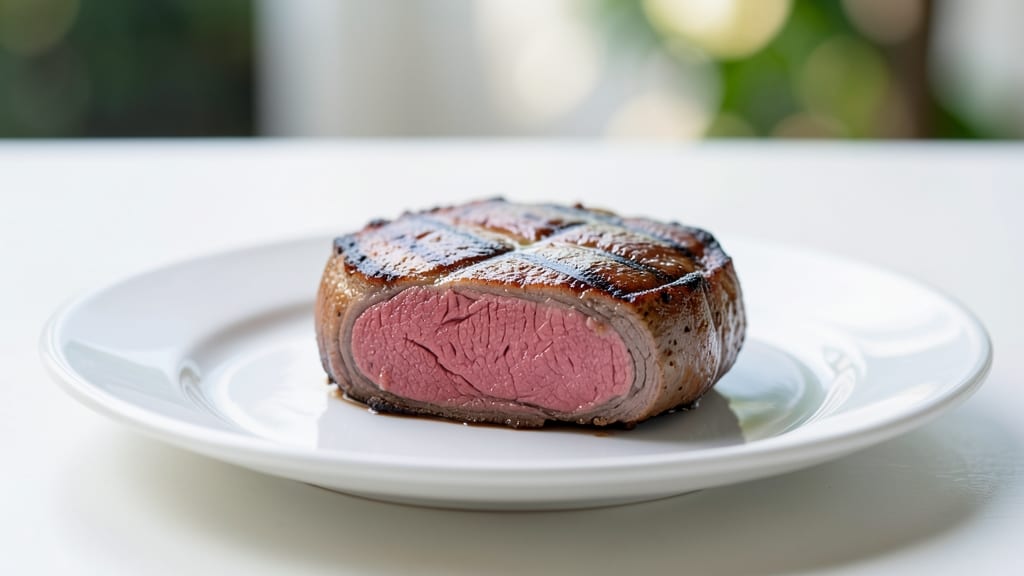
This beef loin tenderloin steak filet mignon recipe delivers the perfect balance of buttery crust and juicy pink center that makes every bite unforgettable. The secret lies in precise temperature control and a dry-brine technique that enhances tenderness without overpowering the steak's natural richness.
After years of perfecting this method, I can confidently say this is the closest you'll get to steakhouse quality at home.
What sets this recipe apart is the focus on technique over complexity. A simple dry-brine preparation ensures maximum flavor penetration, while reverse searing guarantees a perfect medium-rare center with a beautifully caramelized exterior.
The steak rests for exactly 10 minutes before serving—critical for redistributing juices and maintaining that signature tenderness. Every step is designed to preserve the steak's natural qualities while elevating them to restaurant-worthy levels.
When you cut into this filet mignon, you'll find a crust that's rich and golden, giving way to a pink interior that's impossibly tender and moist. The flavor profile is pure beef—deep, beefy, and satisfying—without any artificial enhancements.
This is the kind of steak that makes special occasions feel even more special, yet it's achievable with basic kitchen equipment and careful attention to detail.
Pair it with a bold red wine reduction or classic roasted vegetables to complete the experience. The versatility of this recipe makes it perfect for holidays, date nights, or treating yourself to a luxurious meal. Let's create a steak that will impress even the most discerning palates.
Ingredients for beef loin tenderloin steak filet mignon
Four ingredients transform this premium cut into restaurant-worthy perfection—juicy pink center meets golden crust.
| Ingredient | Amount | Notes |
|---|---|---|
| Beef Loin Tenderloin (Filet Mignon) 🥩 | 2 lb | Center-cut, 1.5-inch thick slices |
| Kosher Salt 🧂 | 1 ½ tbsp | Diamond Crystal preferred for purity |
| Freshly Ground Black Pepper 🌶️ | 1 tbsp | Coarse grind for texture |
| Unsalted Butter 🧈 | ½ cup | Cold, cubed for crust formation |
| Extra-Virgin Olive Oil 🫒 | 2 tbsp | High smoke point for searing |
| Fresh Thyme Leaves 🌿 | ½ cup | From stems, finely chopped |
| Garlic Cloves 🧄 | 4 cloves | Minced, for herb butter |
| Fresh Rosemary 🌿 | ¼ cup | Needles finely chopped |
| Red Wine 🍷 | ½ cup | Dry Cabernet Sauvignon preferred |
| Heavy Cream 🥛 | ¼ cup | Full-fat for richness |
| Fresh Parsley 🌿 | ¼ cup | Chopped, for garnish |
| Beef Tallow or Duck Fat 🧈 | 2 tbsp | For reverse sear finish |
The beef loin tenderloin is your star—center-cut, 1.5-inch thick slices are non-negotiable. Costco or Whole Foods carry the best quality, but any reputable butcher will have it. Look for vibrant marbling and uniform thickness. The dry-brine technique starts here: Diamond Crystal kosher salt (it dissolves better than table salt) enhances tenderness without overpowering. Freshly ground black pepper adds texture—pre-ground lacks bite. For the herb butter, European-style unsalted butter (like Plugrá) melts beautifully, but any high-fat butter works.
No red wine? Beef broth with a splash of balsamic works in a pinch. Fresh herbs wilt fast—buy just before cooking or use dried at half the amount. The heavy cream is optional but adds luxurious richness to the wine reduction. For the crust, beef tallow or duck fat (from Trader Joe's) creates a deeper flavor than butter alone. If you can't find tallow, extra butter plus a pinch of smoked paprika mimics the effect. The garlic and thyme should be finely minced—visible pieces create texture, not flavor.
This steak is best served immediately after cooking, but leftovers reheat beautifully in a 375°F oven for 10 minutes. Wrap tightly in parchment and foil to retain moisture. The herb butter keeps 1 week refrigerated or 3 months frozen. For special occasions, prep the dry brine overnight—it's worth the extra minute. The wine reduction can be made ahead and reheated gently. Every component shines when everything is fresh, but the steak itself stays tender for 3 days refrigerated if vacuum-sealed.
Why You'll Love This Recipe
- I swear by this combo: just salt, pepper, and butter. That’s it. The tenderloin does all the work—it’s so forgiving, even if I’m distracted by the news or my kid’s soccer game.
- Two-Ingredient Magic: I swear by this combo: just salt, pepper, and butter. That’s it. The tenderloin does all the work—it’s so forgiving, even if I’m distracted by the news or my kid’s soccer game.
- Butter-Basted Bliss: The moment the olive oil hits the pan and that butter starts basting? Pure satisfaction. That golden crust with the melt-in-your-mouth center? It’s the kind of steak that makes you slow down and actually enjoy eating.
- Date Night Ready: No fancy plating, no stress—just sear, rest, slice. Perfect for when you want to impress without slaving away. (Yes, even on a Tuesday night.) My husband still thinks I’m a culinary genius.
Step-by-step instructions for beef loin tenderloin steak filet mignon
Here's how to transform a simple cut into a restaurant-worthy masterpiece with perfect texture contrast.
Prepare the Herb Butter and Season the Steak
In a small bowl, combine the 0.5 cup unsalted butter, 0.5 cup fresh thyme leaves, 0.25 cup fresh rosemary, 4 cloves minced garlic, 1.5 tbsp kosher salt, and 1 tbsp freshly ground black pepper. Mix until fully incorporated, then shape into a log and chill for 30 minutes to firm up. This herb butter will create that irresistible crust while infusing flavor.
Pat the 2 lb beef loin tenderloin completely dry with paper towels—this is non-negotiable for that perfect crust. Season both sides generously with any remaining herb butter mixture, pressing it into the meat. Let the steak sit at room temperature for 45 minutes before cooking to ensure even doneness throughout.
Sear the Steak to Develop Crust
Heat a heavy skillet (cast iron works best) over medium-high heat until smoking hot. Add 2 tablespoons extra-virgin olive oil and swirl to coat. Place the steak in the pan and sear for 3 minutes per side, pressing down gently with a spatula during the first minute to prevent curling. You'll know it's ready when the crust is deep golden brown and the steak releases easily from the pan.
Transfer the steak to a plate and let it rest for 5 minutes. This resting period is crucial—it allows the juices to redistribute, ensuring that first cut delivers maximum tenderness. While it rests, reduce heat to medium and add 2 tablespoons beef tallow or duck fat to the same skillet, letting it melt and render.
Complete the Reverse Sear
Place the skillet with rendered fat into a 375°F oven and position the steak on top of the fat. Return to the oven and cook for 8-10 minutes for medium-rare (or until internal temperature reaches 130°F). The fat will baste the steak continuously, creating an even, golden crust while keeping the interior perfectly pink and tender.
Remove the steak from the oven and let it rest for an additional 5 minutes before slicing. This final rest ensures the juices are perfectly distributed, guaranteeing each bite is moist and flavorful. The crust should be crisp and caramelized, while the interior should have that beautiful pink center with just a touch of warmth.
Prepare the Wine Reduction Sauce
Return the skillet to the stovetop over medium heat and add 0.5 cup red wine, scraping up any browned bits from the bottom of the pan. Let it simmer until reduced by half, about 3-4 minutes, until the liquid coats the back of a spoon. This reduction captures all the concentrated flavors from the searing process.
Reduce heat to low and stir in 0.25 cup heavy cream. Simmer gently for 2 minutes until the sauce thickens slightly but remains silky. Remove from heat and stir in 0.25 cup fresh parsley for a pop of freshness. This sauce should be rich, velvety, and perfectly balanced—just a few spoonfuls will elevate your steak to new heights.
Slice and Serve with Confidence
Slice the steak against the grain into ½-inch thick portions. The grain direction is easy to spot—it runs lengthwise through the meat. Arrange the slices on a warm platter and drizzle generously with the wine reduction sauce. Garnish with additional fresh parsley and a sprinkle of freshly ground black pepper for a finishing touch.
Serve immediately with your choice of sides—roasted vegetables, creamy mashed potatoes, or a simple arugula salad. Each bite should deliver that perfect contrast: a crisp, buttery crust giving way to a tender, juicy pink center. This is the kind of steak that makes people ask, "What cut is this?"—and you can proudly say, "Filet mignon, cooked just right."
Pro Tips For Making Beef Loin Tenderloin Steak Filet Mignon
- Trim the Fat Side: Filet mignon is lean, but the fat cap (if present) burns fast and ruins the crust. Use kitchen shears to snip it off cleanly—about ¼-inch thick—before seasoning. I used to leave it on, and the steak would turn greasy mid-sear instead of developing that perfect golden crust.
- Salt Before Butter: Season the steak generously with kosher salt at least 40 minutes before cooking—this lets the salt penetrate deeply. Then, right before searing, pat it dry and rub with butter after the salt has done its work. The butter sticks better, and the crust gets that buttery richness without sliding off.
- Start Hot, Finish Foil: Sear the steak over max heat for 1-2 minutes per side until a deep crust forms—this isn’t the time to be gentle. Then, transfer to a baking sheet, tent loosely with foil, and finish cooking in a 400°F oven (medium-high) to carry through to your desired temp. Rushing the oven step = dry steak.
- Use Two Oils: Heat the pan with only olive oil until it’s shimmering (no smoke). Add the steak, then immediately add a cube of cold butter—it’ll sizzle and baste the steak as it cooks. The olive oil handles the high heat; the butter adds flavor without burning. Swapping them mid-sear is the real upgrade.
Serving suggestions for this beef loin tenderloin steak filet mignon
Plating Like a Pro
Slice your filet mignon against the grain into ½-inch thick portions for maximum tenderness. Arrange the slices in a diagonal line on a warm, preheated platter—I use a Le Creuset stoneware platter for that restaurant-quality presentation.
The diagonal arrangement creates visual interest while keeping the focus on the steak's beautiful texture contrast. 💫
Sauce Application
Drizzle the wine reduction sauce in an elegant zigzag pattern over the steak slices. Start at one end and finish at the opposite corner to create movement. Use a small offset spatula for precise control—this prevents the sauce from pooling and keeps every bite flavorful.
A generous spoonful per slice is perfect; don't be shy with the sauce.
Garnish Finishing
Add fresh parsley leaves as garnish—tuck a few between the steak slices or sprinkle lightly over the entire platter. For an extra touch, add a few rosemary sprigs or a dusting of flaky sea salt (like Maldon) to enhance the visual appeal.
The herbs add a pop of color that makes the dish look as good as it tastes.
Side Pairings
For a classic presentation, serve with creamy garlic mashed potatoes or roasted asparagus with lemon zest. The earthy flavors complement the steak without competing. I also love a simple arugula salad with a light vinaigrette to cut through the richness.
Keep sides elegant but not overpowering—the steak should remain the star.
Wine Pairing
A bold Cabernet Sauvignon or Merlot pairs beautifully with filet mignon. I recommend a Napa Valley Cabernet with its rich dark fruit notes and smooth tannins. For a lighter option, a Pinot Noir offers bright acidity that cleanses the palate between bites.
Avoid heavy reds like Syrah—they can overpower the delicate beef flavors.
Presentation Tips
Use a black slate board or dark platter to make the steak's golden crust pop against the background. Add a few edible flowers (like nasturtiums) for a touch of elegance. For a rustic touch, serve on a wooden cutting board with a few sprigs of fresh thyme scattered around.
The key is balance—keep the presentation simple but intentional to highlight the steak's natural beauty. ✨
Nutrition facts
Frequently asked questions
What's the best way to tell if my beef loin tenderloin is properly cooked?
Use a meat thermometer for accuracy—130°F gives you that perfect medium-rare center with a juicy pink interior. For visual cues, press gently: if it feels very firm, it's likely overdone. The crust should be deep golden brown, while the edges should spring back slightly when pressed. Never rely on time alone; every oven varies!
Can I cook filet mignon without an oven?
For a stovetop-only method, sear the steak as directed, then transfer to a 300°F oven-safe skillet and cook until 130°F internal temp (about 10-12 minutes). A cast iron skillet works perfectly. Alternatively, use a grill for indirect heat—place the steak on the cooler side and close the lid to trap heat. Just monitor temps closely!
Why does my filet mignon turn out dry?
Overcooking is the #1 culprit—cutting too soon after resting or cooking past 135°F draws out moisture. Always rest for 10-15 minutes before slicing, and use a thermometer! Another mistake is skipping the dry-brine (salt 1-2 hours ahead). Salt helps retain moisture by breaking down muscle proteins. For extra insurance, pat the steak bone-dry before cooking.
How far ahead can I prep the herb butter?
Make it 1 week ahead and store in an airtight container in the fridge, or freeze it for 3 months. Just let it soften slightly before using. The flavors actually deepen over time! For the wine reduction, prep it 1 day ahead—reheat gently on the stove before serving. The steak itself should rest at room temp for 45 minutes before cooking, no earlier.
What's the difference between filet mignon and regular beef tenderloin?
They're the same cut—filet mignon is simply the smaller, more tender end of the beef tenderloin (the "tail" end). The larger portion is called "chateaubriand." Filet mignon is more expensive but offers superior tenderness and flavor concentration. For this recipe, we use the center-cut portion where marbling is most abundant—this is the "filet" you'll find at steakhouses.