
Sauces & Condiments
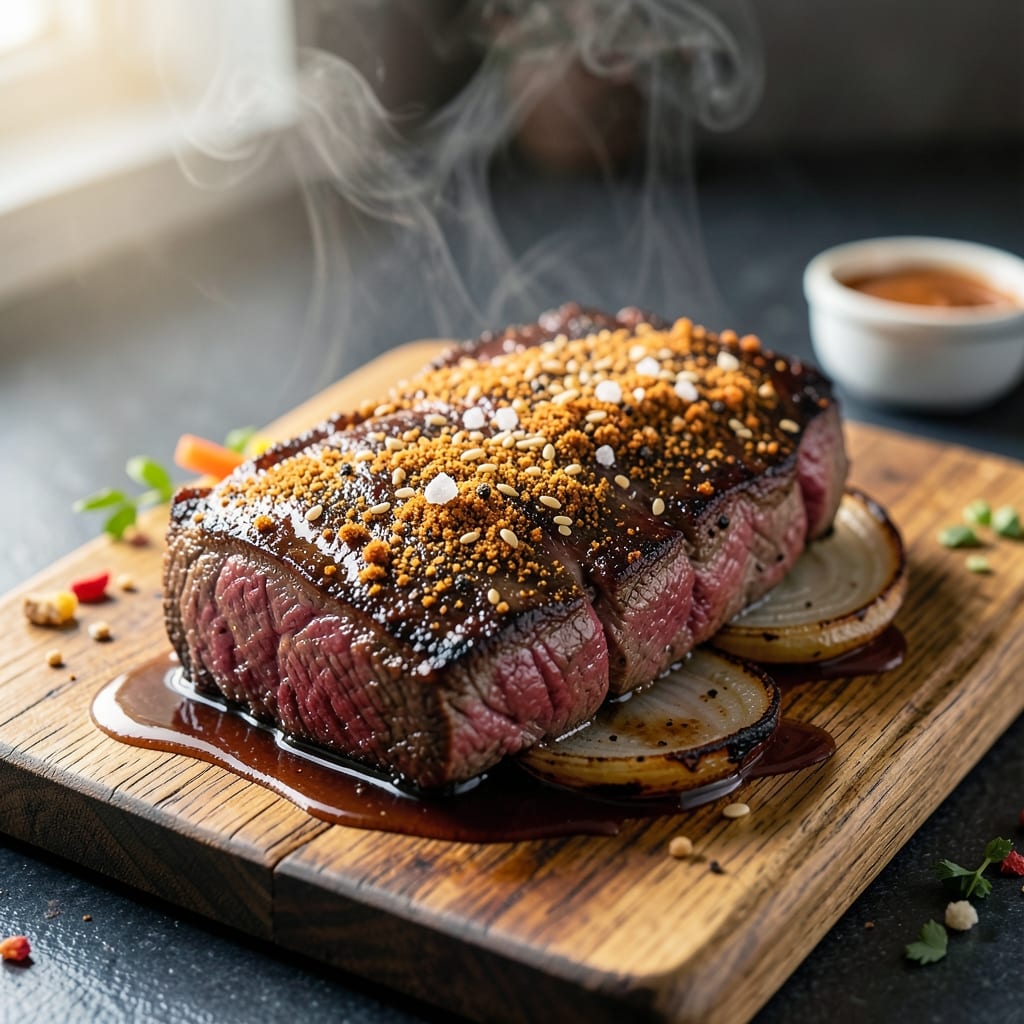
This BBQ beef dry rub recipe transforms tough cuts into finger-licking perfection with a smoky-spiced crust that clings to every bite. 🔥 As a pitmaster, I've spent years refining this blend—where smoked paprika meets brown sugar to create that signature bark you crave. The key is balancing sweetness, heat, and depth, so each bite delivers complex flavor without overpowering the meat.
The foundation starts with 2 tablespoons smoked paprika for that unmistakable BBQ aroma, paired with 1 tablespoon each of garlic powder and onion powder for savory depth. A touch of cayenne (½ teaspoon) adds subtle heat, while 1 tablespoon brown sugar caramelizes into a sticky crust. Don't forget coarse salt (1½ teaspoons) and freshly cracked black pepper (1 teaspoon)—the backbone of any great rub.
What makes this blend special is its versatility—whether you're smoking brisket, grilling steaks, or roasting chicken thighs, this rub delivers restaurant-quality results. The spices are designed to develop during cooking, creating layers of flavor that turn simple beef into show-stopping centerpieces. Store it in an airtight container for up to 6 months, ready to elevate any dish.
For extra depth, I sometimes add a pinch of wild-harvested rosemary or thyme from my coastal forages—just a little goes a long way. The beauty of a dry rub is its simplicity: no mess, no marinating, just pure flavor that transforms ordinary beef into something extraordinary. Let's get started!
Ingredients for bbq beef dry rub
Nine spices that transform tough beef into smoky, sticky perfection with minimal effort.
| Ingredient | Amount | Notes |
|---|---|---|
| Smoked Paprika 🌶️ | 2 tbsp | High-quality for authentic BBQ aroma |
| Garlic Powder 🧄 | 1 tbsp | Freshly ground preferred |
| Onion Powder 🧅 | 1 tbsp | Not onion salt |
| Brown Sugar 🍚 | 1 tbsp | Light or dark variety |
| Coarse Kosher Salt 🧂 | 1 ½ tsp | Diamond Crystal preferred |
| Ground Black Pepper 🌶️ | 1 tsp | Freshly cracked for best flavor |
| Cayenne Pepper 🔥 | ½ tsp | Adjust for heat preference |
| Ground Cumin 🌿 | ½ tsp | Toasted for deeper flavor |
| Wild-Harvested Dried Rosemary 🌿 | ¼ tsp | Optional for extra depth |
| Wild-Harvested Dried Thyme 🌿 | ¼ tsp | Optional for coastal aroma |
The smoked paprika is non-negotiable—Penzeys or bulk bins at Whole Foods deliver the deepest flavor. I always grab the smoked variety over sweet, as it gives that authentic BBQ aroma. Brown sugar should be light unless you're going for a deeper caramelization—Domino works fine for everyday use. For the salt, Diamond Crystal is my go-to because it dissolves more easily and gives a cleaner flavor. The cayenne? Trader Joe's has a great organic option that's not too harsh. If you're foraging your own rosemary and thyme, make sure they're completely dry before grinding—any moisture will ruin the blend.
No smoked paprika? Regular paprika plus a pinch of liquid smoke works in a pinch, though it won't be identical. Swap brown sugar for white sugar plus 1/4 tsp molasses if that's what you've got. The cumin is optional but worth it—it adds that earthy depth that separates good rubs from great ones. If you're sensitive to heat, cut the cayenne to 1/4 tsp or use red pepper flakes instead. For extra smokiness without liquid smoke, add 1/4 tsp smoked sea salt. And if you're using this on chicken or pork, you can bump the cayenne up to 1 tsp—those meats handle the heat better.
Store this in an amber glass jar with a tight seal—keeps the spices fresh and blocks light. Good for 6 months in a cool, dark pantry. For extra longevity, freeze portions in ice cube trays—just pop out what you need. I make a double batch every time; one jar stays in my pantry, and the other goes in my smoker box. The flavors actually improve slightly after a few weeks as the spices meld together. Just give it a good shake before using—spices settle differently than you'd expect.
Why You'll Love This Recipe
- Pantry-to-Table Speed: I swear by this mix—no fancy tools, just a bowl and a spoon. The smoked paprika and brown sugar caramelize instantly on the heat, so you’re not stuck waiting for marinades to soak.
- Sweet-Smoky Magic: That balance of garlic powder and onion powder? It’s like a hug for your taste buds. The brown sugar adds just enough sweetness to make the coarse salt’s kick feel intentional, not overpowering.
- Game for Any Gather: Use it on brisket for a Sunday feast or toss it on steak strips for a quick weeknight stir-fry. My kids even ask for it on chicken thighs—because honestly, it works everywhere.
- Budget Booster: A little goes a long way, and you’ll use it up before it gets stale. I’ve made a whole rub batch last me months, saving money while keeping every bite packed with that smoky-sweet punch.
Step-by-step instructions for creating a smoky-spiced beef rub
Here's how to blend this bold, aromatic mix that transforms any beef into a smoky masterpiece.
👨🍳 Step 1: Measure All Ingredients Precisely
Start by gathering all your ingredients in a medium bowl. I always use a measuring spoon set for accuracy—especially with spices like cayenne and rosemary where small variations make a big difference. The 2 tablespoons smoked paprika is your flavor foundation, so don't skimp here. The brown sugar adds just enough caramelization to balance the heat.
For the herbs, I recommend using a fine mesh strainer if your rosemary and thyme are particularly fibrous. This ensures you're getting pure flavor without any unwanted texture in your rub. The 1.5 teaspoons coarse kosher salt should be distributed evenly—this is what makes the rub truly cling to the meat.
🥘 Step 2: Combine Dry Ingredients Thoroughly
Using a whisk or small fork, combine all ingredients in the bowl. Start with the larger quantities—smoked paprika, garlic powder, and onion powder—and mix until they're fully integrated. This prevents clumping and ensures even distribution when you apply the rub later.
Here's where it gets interesting: Add the brown sugar and ground cumin next, mixing until you see a uniform color throughout. The cumin adds earthy depth, while the sugar creates that perfect balance between sweet and smoky. Finally, incorporate the cayenne pepper, rosemary, and thyme—these are your flavor boosters. Mix for another 30 seconds until no dry spots remain.
🔪 Step 3: Grind for Maximum Flavor Development
For the absolute best results, transfer your dry rub to a spice grinder or mortar and pestle. Pulse or grind for 10-15 seconds until the mixture becomes fine and powdery. This step is crucial—it breaks down the spices into microscopic particles that adhere perfectly to the meat's surface, creating that coveted bark.
I know it seems like overkill, but trust me: The difference between a coarse rub and one that's been finely ground is like night and day. You'll notice the aroma intensify as you grind—this is your signal that the flavors are being released and blending together. If you don't have a grinder, a fork will work, but you'll need to work a bit harder to achieve the same fine texture.
⏰ Step 4: Test and Adjust the Heat Level
Before applying your rub to meat, taste a pinch on the tip of your tongue. You should detect layers of smokiness from the paprika, sweetness from the brown sugar, and a subtle warmth from the cayenne. If it's too mild, add another pinch of cayenne pepper—this is where you can customize the heat to your preference.
Here's the thing—this rub works on everything from brisket to steaks, but the application method changes slightly. For thin cuts like flank steak, I recommend using 1 teaspoon per pound of meat. For thick cuts like pork shoulder, you can go up to 2 teaspoons per pound. The key is to press the rub firmly into the meat so it adheres well and doesn't fall off during cooking.
🔥 Step 5: Store for Future Use
Transfer your freshly ground rub to an airtight container—I prefer glass jars with silicone seals. Store it in a cool, dark place like your pantry for up to 3 months for maximum freshness. The flavors actually deepen over time, making this rub perfect for meal prep.
Pro tip: If you're using this rub immediately, I recommend applying it 1-2 hours before cooking (or overnight in the fridge for even better adhesion). The longer the rub sits on the meat, the more it penetrates and develops flavor. And remember—this isn't just for beef! It works beautifully on chicken, pork, and even vegetables for a smoky char.
Pro Tips For Making Bbq Beef Dry Rub
- TOAST THE SPICES FIRST: I learned this the hard way—skipping it makes the rub taste flat. Heat smoked paprika and garlic powder in a dry pan for 30 seconds until fragrant. That deepens the flavor and cuts through the sweetness of the brown sugar, so it doesn’t cloy.
- WEIGH THE RUB: A "handful" isn’t precise. For 2 lbs of beef, use 2 tablespoons of rub total (about 1 tsp per ingredient). Too much salt or sugar hides the meat’s natural taste—trust the numbers, not your eyeballs.
- PAT DRY BEFORE RUBBING: Wet surfaces = rub won’t stick. Pat the beef thoroughly with paper towels—even if it’s chilled. The rub needs direct contact to form that crust, and damp meat just turns into a sticky mess.
- LET IT REST AFTER RUBBING: I know, waiting sucks. But give the beef 10–15 minutes uncovered in the fridge before cooking. The salt breaks down the meat fibers, so the rub clings tighter and the crust forms faster—no more flaking off during grilling.
Storing and reheating this recipe
Pantry Storage
Store your freshly made rub in an amber glass jar with a tight-sealing lid—this blocks light and preserves flavor for up to 6 months. I keep mine in a cool, dark pantry away from the stove where heat can degrade spices faster. The amber glass is non-negotiable; clear jars let light break down the paprika's color and potency over time. 🌶️
For extra protection, add a desiccant packet (the kind that comes with new shoes) to absorb moisture. I’ve found that even small amounts of humidity can clump the brown sugar in the mix, making it harder to apply evenly later. Label your jar with the date—trust me, you’ll forget!
Freezer Preservation
If you’re not using your rub within a month, freeze it in ice cube trays for portion control. Once frozen, transfer the cubes to a ziplock bag and flatten them to save space. This method keeps the rub fresh for up to 1 year without losing any of its punch. Just pop out what you need when ready to cook—no thawing required!
For bulk storage, divide the rub into small glass jars (like 2-ounce mason jars) and freeze those. The smaller containers let you grab exactly what you need without defrosting the whole batch. I keep a jar in my freezer specifically for quick weekend grilling sessions.
Reviving Old Rub
If your rub has been sitting for a few months, don’t toss it! Sprinkle a damp paper towel over the top and let it sit for 10 minutes to restore moisture balance. Then give it a good shake—this breaks up any clumps and revives the spices. The flavor might be slightly muted, but it’s still better than buying a new bag of spices!
For a flavor boost, add a pinch of fresh garlic powder or a dash of smoked paprika before using. I’ve revived rubs that were 8 months old this way, and they still delivered that signature smoky crust. Just don’t expect it to be as vibrant as fresh—age does catch up with spices eventually.
Application Prep
Before applying stored rub, let it sit at room temperature for 5-10 minutes if it’s been in the fridge or freezer. Cold rub sticks poorly to meat and can create uneven coating. I like to sprinkle a little on my palm first to test the texture—it should feel fine and powdery, not clumpy.
For extra adhesion, especially with fatty cuts like brisket, lightly mist the meat with water or apple cider vinegar before applying the rub. The acid helps the spices stick better during cooking. Just don’t overdo it—too much moisture will dilute the rub’s intensity. 💡
Nutrition facts
Frequently asked questions
Can I use this rub on other meats besides beef?
This versatile blend works beautifully on chicken thighs, pork chops, and even lamb chops. For poultry, you can increase the cayenne to 1 teaspoon since it handles heat well. Just reduce the application time before cooking to 30-60 minutes to prevent over-seasoning delicate cuts.
How do I adjust the heat level if cayenne is too spicy?
Start by reducing the cayenne to 1/4 teaspoon for a milder kick. For even less heat, swap it out with red pepper flakes (1/2 teaspoon) or omit it entirely. If you love smoky flavor but want to keep it mild, add 1/4 teaspoon of ground coriander—it adds brightness without heat. Always taste before applying to meat!
Why does my homemade rub clump together?
Clumping usually happens from moisture exposure. Store your rub in an airtight container with a desiccant packet to absorb humidity. If clumps form, break them up with a fork or sieve before using. For extra insurance, freeze portions in ice cube trays—this preserves texture perfectly for up to a year.
Can I make this rub without smoked paprika?
Yes! Mix 2 tablespoons regular paprika with 1/4 teaspoon liquid smoke for a similar effect. For deeper flavor, add 1/2 teaspoon smoked sea salt instead. The brown sugar will still create that signature caramelized crust, though the aroma won't be identical. This works well for quick recipes when you're short on specialty spices.
How much rub should I use for different cuts?
For thin cuts like flank steak, use 1 teaspoon per pound of meat. For thick cuts like pork shoulder, go up to 2 teaspoons per pound. Press the rub firmly into crevices and sear immediately to lock in flavor. Pro tip: Pat meat dry first—moisture prevents the rub from sticking properly.