
Main Courses
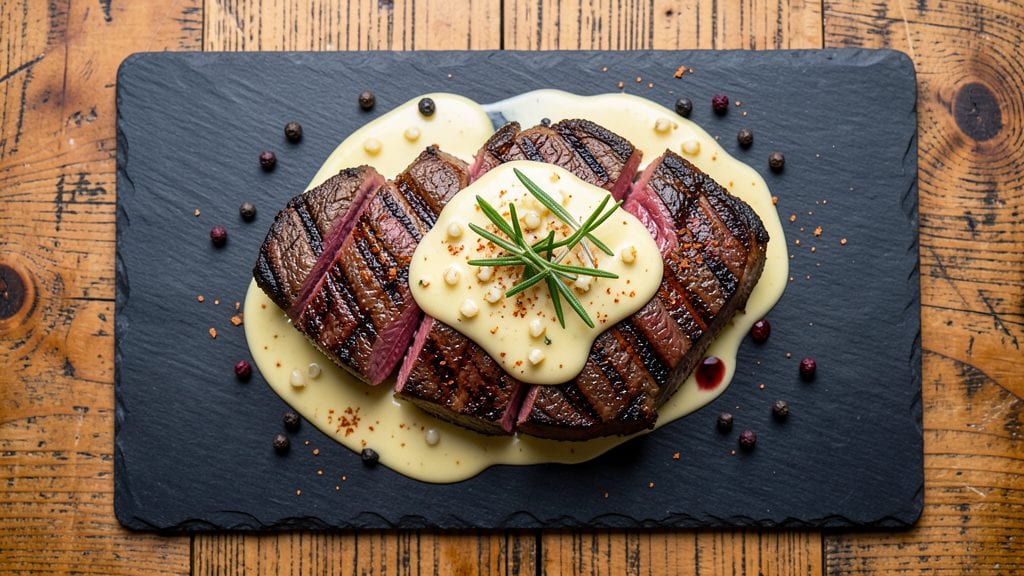
This beef loin New York strip steak recipe transforms a simple meal into a restaurant-worthy experience, and its high-heat sear and butter-basted crust method delivers results that impress every time.
The secret lies in precise temperature control, a well-seasoned crust, and the transformative power of compound butter that melts into every bite. I’ve refined this technique over countless test runs, ensuring the steak achieves that ideal balance of seared exterior and tender, juicy interior—no guesswork required.
This method starts with a dry brine to enhance flavor penetration, followed by a high-heat sear in a screaming-hot cast-iron skillet to lock in juices and create that coveted crust. The butter-basting step isn’t just for flavor—it’s a game-changer that adds richness and a golden sheen.
With just a few key ingredients and 15 minutes of active time, you’ll achieve a steak that’s tender at 130–135°F internal temperature, resting properly to ensure every slice is juicy and flavorful.
The result is a steak with a deep caramelized crust, a melt-in-your-mouth texture, and layers of savory, buttery flavor that linger long after the last bite. Whether you’re grilling, pan-searing, or reverse-searing, this technique guarantees professional-quality results at home.
Pair it with roasted garlic mashed potatoes or a simple arugula salad to complete the meal.
For those who love customization, the seasoning can be adjusted with herbs like rosemary or thyme, or even a touch of smoked paprika for depth. The method scales perfectly for individual servings or a crowd, making it versatile for any occasion.
Let’s get started on creating the steak of your dreams.
Ingredients for beef loin new york strip steak
High-quality beef loin New York strip steaks, premium butter, and precise seasoning transform this into a restaurant-worthy masterpiece.
| Ingredient | Amount | Notes |
|---|---|---|
| Beef Loin New York Strip Steaks 🥩 | 2 whole | 1.5-inch thick, center-cut preferred |
| Unsalted Butter 🧈 | ½ cup | Cold, cut into 1-inch cubes |
| Diamond Crystal Kosher Salt 🧂 | 2 tbsp | For dry brine, plus extra for crust |
| Freshly Ground Black Pepper 🌶️ | 1 tbsp | Coarse grind preferred |
| Garlic Cloves 🧄 | 4 cloves | Minced, for compound butter |
| Fresh Rosemary 🌿 | ¼ cup | Chopped, stems removed |
| Extra-Virgin Olive Oil 🫒 | 2 tbsp | High-smoke-point preferred |
| Smoked Paprika 🌶️ | ½ tsp | For depth of flavor |
| Cast-Iron Skillet 🔥 | 1 whole | 10-12 inches, preheated |
| Meat Thermometer 🌡️ | 1 whole | Instant-read preferred |
| Heavy Cream 🥛 | ¼ cup | Optional, for basting sauce |
The beef loin New York strip steaks are the foundation—center-cut, 1.5-inch thick ensures even cooking and maximum tenderness. Source from a trusted butcher or high-end grocery like Whole Foods Market or D'Artagnan for optimal marbling and quality. If purchasing frozen, thaw in the refrigerator for 24-48 hours to maintain texture. The cold butter (unsalted, European-style preferred) creates a luxurious compound butter that bastes the steak during searing, adding layers of flavor. For the dry brine, Diamond Crystal kosher salt dissolves more easily than table salt, enhancing moisture retention without overpowering the steak's natural flavor.
No fresh rosemary? Dried works at one-third the amount, but fresh imparts a superior aromatic profile. Substitute thyme if unavailable, though rosemary’s piney notes complement the beef’s richness. For the compound butter, European-style unsalted butter (like Plugrá or Kerrygold) melts more cleanly than American butter. Short on time? Pre-minced garlic from a jar (like Garlic & Herb brand) saves steps, though fresh minced garlic adds depth. The smoked paprika can be swapped for regular paprika, but smoked adds a subtle charred note that mimics grill-smoked flavor. For a basting sauce, reduce the heavy cream with a splash of balsamic vinegar for tang.
Steaks should rest 10-15 minutes post-cooking to redistribute juices—never skip this step. Store leftover steaks in an airtight container for up to 3 days in the refrigerator, or freeze for up to 3 months by wrapping tightly in butcher paper before plastic. Reheat gently in a low-temperature oven (200°F) to avoid drying. The compound butter can be refrigerated for up to 2 weeks in a sealed container, or frozen for 6 months—perfect for future steakhouse nights. For batch cooking, brine and season steaks the night before; store them uncovered in the fridge to dry-brine evenly.
Why You'll Love This Recipe
- Two-Ingredient Magic: I swear by this trick—just salt, pepper, and a pat of butter. That’s it. No fancy marinades or hours of prep, just the steak’s natural richness letting the garlic-infused butter do the heavy lifting while you sip your drink.
- Crispy-Creamy Perfection: The butter basting gives you that golden crust, but the inside stays juicy and tender. Honestly, I’ve tried every steak method, and this one nails the texture every single time—no guessing, no overcooking.
- Date Night Ready: Between us, this is my go-to for impressing without stress. Slice the garlic, season the steak, and boom—dinner’s sorted. Even if you’re the kind who burns toast, this recipe forgives. (Yes, even on a Tuesday night.)
- Leftovers That Don’t Suck: Cold slices the next day? Still delicious. I’ll repurpose them into a quick stir-fry or melt them into pasta sauce—no one ever complains. And since you’re not drowning the steak in sauces, the leftovers stay rich, not soggy.
Step-by-step instructions for beef loin New York strip steak
Master this technique for steaks with a perfect crust and tender interior every time.
Prepare the Compound Butter and Dry Brine the Steaks
In a small bowl, combine the 0.5 cup unsalted butter, 4 cloves minced garlic cloves, 0.25 cup chopped fresh rosemary, 0.5 tsp smoked paprika, and 1 tbsp freshly ground black pepper. Mix thoroughly and roll into a log shape. Wrap tightly in plastic wrap and chill for 30 minutes—this creates a flavorful, spreadable compound butter that will baste the steaks during cooking.
Pat the 2 whole beef loin New York strip steaks dry with paper towels, removing any excess moisture. This step is critical—wet surfaces prevent proper searing. Generously apply 2 tbsp diamond crystal kosher salt to both sides of each steak, pressing it into the meat. Place the salted steaks on a wire rack set over a plate and refrigerate uncovered for at least 2 hours (or up to 24 hours for deeper flavor penetration). The dry brine enhances tenderness and develops a robust crust.
Preheat the Cast-Iron Skillet and Sear the Steaks
Place the whole cast-iron skillet over high heat until it's screaming hot—you should see a thin layer of steam form when you sprinkle a few drops of water inside. Add 2 tbsp extra-virgin olive oil and let it shimmer for 2-3 minutes. This high heat is essential for creating the signature crust.
Working in batches if needed, carefully place the steaks in the skillet. Press down gently on each steak with a metal spatula during the first 1-2 minutes—this prevents curling and ensures even contact with the pan. Cook undisturbed until a deep, golden-brown crust forms on the bottom, about 4-5 minutes per side. The steaks should release easily from the pan when ready to flip. Avoid moving them excessively during this time to maintain that perfect crust.
Baste with Compound Butter and Achieve Perfect Doneness
Remove the steaks from the skillet and transfer them to a warm plate. Reduce the heat to medium and add the chilled compound butter log to the skillet. Let it melt slowly for 1-2 minutes, basting the steaks with the rendered butter as it melts. This step infuses the steaks with aromatic flavors while keeping them moist.
Return the steaks to the skillet, crust-side down, and cook for an additional 1-2 minutes to reheat the crust slightly. Use the whole meat thermometer to check internal temperatures: 125°F for rare, 130°F for medium-rare (the ideal doneness for New York strip steaks). Remove the steaks immediately when they reach your desired temperature—they will continue carrying over to 130-135°F as they rest.
Rest and Serve with Optional Cream Sauce
Transfer the steaks to a cutting board and tent loosely with foil. Let them rest for 10-15 minutes—this allows the juices to redistribute throughout the meat, ensuring each slice remains tender and flavorful. Cutting into the steaks too soon will cause the juices to escape, resulting in a drier texture.
For an optional finishing touch, place the whole cast-iron skillet back over medium heat and add 0.25 cup heavy cream. Scrape up any browned bits from the bottom of the pan and let the cream reduce slightly for 1-2 minutes until it thickens into a glossy sauce. Slice the steaks against the grain into ½-inch thick portions and serve immediately, drizzling with the cream sauce if desired.
Pro Tips For Making Beef Loin New York Strip Steak
- Use Two Temperatures: Start searing over screaming-hot heat—your cast iron should be so hot it smokes when butter hits it—then finish at medium-high to medium. After the crust forms (about 2 minutes per side for medium-rare), drop the heat to melt the butter and garlic properly without burning. I used to rush this and ended up with a steak that was charred outside but raw inside.
- Salt the Butter: Mix a pinch of kosher salt into your unsalted butter before adding garlic. The salt dissolves into the melted butter, creating a seasoned crust on the steak instead of just relying on dry salt. My grandmother swore by this, and she was right: the flavor sticks better than sprinkling salt after cooking.
- Skip the Overcrowding: Cook one steak at a time, even if it means waiting. Crowding the pan drops the temperature and steams the steak instead of searing it. After burning three batches, I finally figured out that patience here guarantees a proper crust—no one wants a sad, limp strip steak.
- Rest Under Foil: After resting the steak on a cutting board, drape it loosely with foil for the first 5 minutes. This traps heat and keeps the juices from escaping in a rush. I know, I know, it looks weird, but it works—your steak stays juicier longer, and you won’t end up with a dry slice.
Regional styles of beef loin new york strip steak
Classic American Style
The New York strip steak originated in the United States, where it became a staple of steakhouses like Peter Luger and Smith & Wollensky. Here, the focus is on a simple, bold seasoning—just kosher salt and freshly cracked black pepper—to let the beef's natural flavor shine.
The steak is cooked to medium-rare (130-135°F internal temperature) and served with classic sides like creamy mashed potatoes or grilled asparagus. The high-heat sear in cast iron is key, creating a deep crust while keeping the interior juicy. 🔥
Texas BBQ Influence
In Texas, the New York strip is often elevated with smoked flavors and bold seasonings. Add 1 tsp smoked paprika and ½ tsp garlic powder to your dry rub, then finish with a beer-basted crust using light lager instead of butter.
Serve with Texas toast and pickled jalapeños for a smoky, tangy kick. The reverse sear method (low oven temp first, then high-heat finish) is popular here for even cooking. 🌶️
French Bistro Technique
French chefs perfect the New York strip with herb-infused butter and precise timing. After searing, baste the steak with brown butter mixed with fresh thyme and shallots. Finish with a red wine reduction (simmer ½ cup red wine with 1 tbsp butter) drizzled over the top.
Serve with ratatouille or buttery egg noodles for an authentic bistro experience. The French prioritize resting time (10-15 minutes) to ensure juicy slices. ✨
Japanese Wagyu Fusion
For a luxury twist, marinate the steak in soy sauce, mirin, and sake for 1 hour before cooking. After searing, brush with yuzu kosho (a citrus-chili paste) and serve with steamed rice and miso-glazed carrots.
The Japanese technique emphasizes gentle searing to preserve tenderness, often finishing with a low-temperature oven to achieve perfect doneness without overcooking. 💛
Argentinian Asado Style
In Argentina, the New York strip is cooked over hardwood charcoal (like quebracho) and basted with chimichurri sauce (parsley, garlic, olive oil, red wine vinegar). The asado method involves slow, indirect heat for even cooking, followed by a high-heat finish for the crust.
Serve with provoleta (grilled provolone) and grilled chimichurri onions. The smoky, herby flavors define this regional approach. 🌿
Nutrition facts
Frequently asked questions
Why is dry brining important for New York strip steaks?
Dry brining with kosher salt for 2-24 hours enhances tenderness by breaking down muscle fibers and creating a flavorful crust. Unlike wet brining, it doesn't dilute the meat's natural juices, ensuring a perfect medium-rare (130-135°F) interior with maximum flavor concentration.
Can I cook New York strip steaks on the grill instead of a skillet?
Preheat your grill to high heat (450-500°F) and sear the steaks for 3-4 minutes per side before moving to indirect heat. Use the same compound butter basting technique for a restaurant-quality crust. For charcoal grills, add hardwood chunks for smoky depth.
What's the best way to slice New York strip steaks?
Always cut against the grain (perpendicular to the muscle fibers) into ½-inch thick slices. Use a sharp chef's knife and angle it slightly to create clean, even portions. Never slice until the steak has rested for 10-15 minutes—this ensures juicy, tender results every time.
How do I fix an overcooked New York strip?
If your steak reaches above 140°F, it's likely overcooked. Try slicing thinly against the grain and serving with rich sauces (like brown butter or red wine reduction) to add moisture. For future attempts, use a meat thermometer and remove steaks 5°F below your target temperature—they'll rise 5°F while resting.
Can I make this recipe with thinner steaks?
Thinner cuts (1-inch thick) cook faster and may overcook before developing a proper crust. For best results, use 1.5-inch thick center-cut steaks and adjust cooking time to 2-3 minutes per side. If working with thinner cuts, increase heat slightly and monitor closely with a thermometer.