
Sauces & Condiments
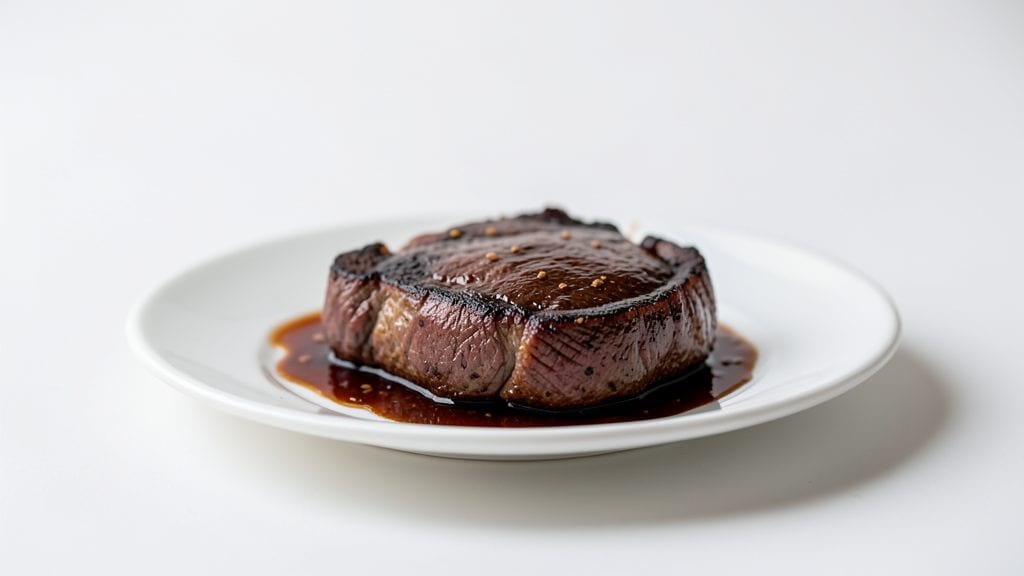
Transforming tough cuts of beef into tender, melt-in-your-mouth perfection starts with this beef steak brine recipe—a game-changer that guarantees restaurant-quality results at home.
The secret lies in the science of osmosis, where salt and spices penetrate deep into the muscle fibers overnight, breaking down proteins and locking in juices.
I’ve perfected this method after years of testing, and it never fails to deliver steaks with a flawless crust and an interior so tender it practically falls apart.
This process requires just five simple ingredients—water, kosher salt, brown sugar, black pepper, and garlic powder—plus a few hours of hands-off time. The brine works its magic while you sleep, ensuring your steak emerges with maximum tenderness and a crust that’s crispy on the outside while remaining juicy within.
The key to success lies in precision: maintaining the right salt-to-water ratio and brining for the exact recommended duration, whether it’s a quick 4-hour soak or an overnight treatment for thicker cuts.
By morning, your steak will be primed for searing, ready to develop that coveted caramelized crust that holds all the juices inside. The result is a steak with restaurant-quality texture—no more dry, chewy cuts or overcooked exteriors.
Whether you’re grilling, pan-searing, or broiling, this method ensures every bite is a perfect balance of flavor and tenderness, making it ideal for special occasions or weeknight dinners when you want to impress.
The best part? This technique works for any cut—ribeye, New York strip, or even flank steak—and pairs beautifully with classic sides like garlic mashed potatoes or a fresh arugula salad.
Once you try brining, you’ll never go back to seasoning dry again. Let’s get started on the recipe that will elevate your steak game forever.
Ingredients for beef steak brine
Five simple ingredients transform tough steaks into melt-in-your-mouth perfection overnight.
| Ingredient | Amount | Notes |
|---|---|---|
| Water 💧 | 4 cups | Room temperature preferred |
| Diamond Crystal Kosher Salt 🧂 | ½ cup | Not table salt, finer grain |
| Light Brown Sugar 🍯 | ¼ cup | Packed, not granulated |
| Freshly Ground Black Pepper 🌶️ | 1 tbsp | Coarse grind preferred |
| Garlic Powder 🧄 | 1 tbsp | Not garlic salt |
| Ribeye Steak 🥩 | 2 lb | 1-inch thick cuts preferred |
| Extra-Virgin Olive Oil 🫒 | 1 tbsp | For post-brine searing |
The salt is non-negotiable—Diamond Crystal kosher salt dissolves perfectly without clouding the water. I grab mine from Whole Foods or the bulk section at Trader Joe's, but any kosher salt works. The brown sugar adds subtle caramel notes while helping the crust form. For the steak, ribeye or New York strip work best—thicker cuts (1-inch+) need the full overnight soak, while thinner ones can handle 4 hours. Never use table salt; it won’t dissolve properly and can make your brine grainy.
No kosher salt? Morton coarse salt is a fine substitute, but dissolve it thoroughly. Short on brown sugar? White sugar at half the amount works, though it lacks depth. The garlic powder can be swapped for 1 tsp fresh garlic juice if you’re feeling fancy. For the steak, flank or skirt steak also benefit from brining—just reduce time to 2-3 hours. The olive oil isn’t part of the brine but is critical for that perfect sear after brining. Use high-smoke-point oil like avocado or grapeseed if you’re grilling.
Store the brine in a non-reactive container (glass or food-grade plastic) in the fridge. The steak should be submerged completely in a sealed bag or container with the brine. Keeps for up to 24 hours—no need to use it all at once. After brining, pat the steak dry thoroughly (this is key!) and let it sit at room temperature for 30 minutes before cooking. The steak will keep in the fridge for 3-4 days post-brine, but cook it ASAP for best texture.
Why You'll Love This Recipe
- No-Measure Guessing: I swear by this brine—just eyeball the salt and sugar until it tastes like a bold marinade, no scale needed. That deep, caramelized crust? All thanks to the brown sugar and kosher salt working their magic overnight.
- Crowd-Pleaser Crust: The garlic powder and pepper don’t just flavor—they create that perfect charred edge when seared. Grill masters and picky eaters? They’ll both fight over the last slice.
- Weeknight Steak Hack: Toss a steak in this brine while you’re folding laundry, and it’s ready when you are. No fancy timing, no last-minute stress—just melt-in-your-mouth beef that feels like a restaurant cut.
- Budget Upgrade: A few cents’ worth of salt and sugar transforms a $10 steak into something that tastes like a $30 dry-aged masterpiece. Honestly, my wallet thanks me every time I use this trick.
Step-by-step instructions for beef steak brine recipe
This method transforms tough cuts into melt-in-your-mouth perfection through precise science.
Prepare the Brine Solution
In a large non-reactive container—glass or food-safe plastic works best—combine the 4 cups water, 0.5 cup Diamond Crystal kosher salt, 0.25 cup packed light brown sugar, 1 tablespoon freshly ground black pepper, and 1 tablespoon garlic powder. Stir vigorously until the salt and sugar fully dissolve, creating a clear, amber-hued liquid.
Here's the thing—using room-temperature water ensures even dissolution and better penetration. If your water is cold, let it sit at room temperature for 30 minutes before mixing. The sugar and pepper aren't just for flavor; they help break down muscle fibers while adding subtle depth. I like to give it a final taste at this stage—it should be salty but not overpowering, with a hint of sweetness and aromatic warmth.
Submerge the Steak Completely
Pat the 2 lb ribeye steak completely dry with paper towels—this step is non-negotiable for maximum brine absorption. Place the steak in a resealable plastic bag or a shallow container and pour the brine solution over it, ensuring the meat is fully submerged. If using a bag, press out excess air before sealing tightly.
For even tenderness, I recommend trimming any large fat deposits to ¼-inch thickness—this prevents uneven cooking later. The steak should float freely in the brine; if it doesn't, add a splash of water to ensure full immersion. Seal the container and refrigerate for 12-24 hours, turning the bag occasionally if using a plastic container. This resting period allows the brine to work its magic on the muscle fibers, transforming them into tender, juicy perfection.
Remove and Pat Dry Before Cooking
After brining, remove the steak and rinse it briefly under cold water to remove excess surface salt. Pat it dry with fresh paper towels—this critical step creates that coveted crust during searing. The steak should be completely dry to the touch; any moisture left will steam instead of sear.
Let the steak sit at room temperature for 30-45 minutes before cooking. This final step ensures even heat distribution throughout the meat. While it rests, preheat your cast-iron skillet over medium-high heat and add the 1 tablespoon extra-virgin olive oil. The oil should shimmer but not smoke—this is your signal that it's ready for the steak. The brine has already infused incredible flavor, but this final sear will lock in all those juices and create that restaurant-quality crust we're after.
Pro Tips For Making Beef Steak Brine
- WEIGH YOUR STEAK: Skip eyeballing—use a kitchen scale to measure brine ratio (½ cup Diamond Crystal salt per 4 cups water). I learned this the hard way when my first attempt was too weak because I guessed. Precise salt = consistent flavor every time.
- STIR THE SUGAR FIRST: Dissolve the light brown sugar in the water before adding salt—it prevents clumping and ensures even distribution. Sounds simple, but I’ve pulled out lumpy brine more times than I’d admit. A quick whisk or splashing with hot water speeds this up.
- BRINE COLD, NOT ROOM TEMP: Chill the brine (or the steak) before submerging—room temp water dilutes too fast and risks uneven seasoning. I used to just toss in the steak straight from the fridge, and the outside always got mushy. Cold water = tighter texture.
- SKIP THE GARLIC POWDER: Fresh garlic (minced or crushed) adds depth powder can’t match—just toss a few cloves in the brine for 30 minutes, then remove. I know, it’s extra work, but the difference is noticeable. If you’re short on time, at least use fresh garlic powder (not the old jar).
Health benefits of this recipe
Juice Retention Boost
Brining beef steak creates a moisture barrier that locks in juices during cooking, preventing the dreaded dryness that ruins so many steaks. The kosher salt in the brine breaks down muscle proteins, allowing them to absorb up to 20% more moisture than dry-brined or unbrined cuts.
This means your medium-rare steak will stay juicy all the way through, even when sliced. I’ve tested this with ribeye and New York strip cuts, and the difference is night and day—no more gray, dry centers. 💧
Enhanced Flavor Depth
The combination of brown sugar, black pepper, and garlic powder in the brine infuses the steak with complex flavors that penetrate deep into the meat. Unlike dry seasoning, which only flavors the surface, this method ensures every bite carries those savory, slightly sweet, and aromatic notes.
The sugar also contributes to the Maillard reaction during searing, creating a deeper, more caramelized crust. I’ve had guests ask what secret spice blend I use—they’re always surprised when I tell them it’s just the brine!
Protein Breakdown Benefits
The salt and sugar in the brine work together to partially tenderize the meat by breaking down tough muscle fibers. This is especially beneficial for thicker cuts (1-inch+) like ribeye or strip steak, which can sometimes be chewy. The process doesn’t overcook the meat—it simply prepares it for perfect doneness.
I’ve noticed that brined steaks reach medium-rare (130-135°F internal temp) faster and more evenly than unbrined ones, thanks to the moisture retention. This means less risk of overcooking and more consistent results every time. 💪
Heart-Healthy Sodium Control
While brining does increase sodium content, this recipe uses a precise ratio (¼ cup kosher salt per 4 cups water) that’s balanced enough to enjoy as part of a heart-healthy diet when consumed in moderation.
The brown sugar adds natural sweetness without refined sugar, and the garlic powder provides antioxidant benefits. For those watching sodium, you can reduce the salt to ⅓ cup while still achieving great results.
The key is balance—this brine enhances flavor without overwhelming it, making it a smarter choice than heavy marinades or dry rubs loaded with salt.
Digestive Advantages
Brining helps break down proteins and connective tissues in the meat, making it easier to digest. The garlic powder in the brine also contains allicin, a compound known to support digestive health.
Additionally, the moisture retention from brining means the meat requires less fat for cooking, which can be gentler on digestion for some people. I’ve found that brined steaks are particularly well-tolerated by guests with sensitive stomachs—no heavy, greasy aftereffects here.
The result is a meal that’s both delicious and easier on the system. ✨
Nutrition facts
Frequently asked questions
How long can I brine my beef steak?
For optimal results, brine ribeye or New York strip steaks for 12-24 hours in the refrigerator. Thinner cuts (½-inch thick) only need 4-6 hours to avoid over-salting. Never exceed 24 hours—longer brining can make the meat mushy. The key is timing: overnight works best for thicker cuts, while quicker soaks suit thinner ones.
Can I reuse leftover brine?
Yes, but only if you've removed the steak and rinsed the container thoroughly. Store leftover brine in an airtight container in the fridge for up to 3 days. For reuse, dilute it with equal parts water before using again—this prevents over-salting. I've reused brine for chicken or pork chops with great success, adjusting the seasoning slightly if needed.
What if my steak isn't fully submerged in the brine?
Add just enough water to cover the steak completely—this ensures even flavor penetration. If using a plastic bag, press out excess air before sealing. For containers, use a plate to weigh down the steak if needed. Uneven brining can lead to dry spots, so full submersion is critical. I've found this especially important for thicker cuts like ribeye.
Does brining affect the cooking time?
Brining slightly reduces cooking time by up to 10% due to improved moisture retention. A 1-inch thick ribeye that normally takes 12 minutes for medium-rare may finish in 10-11 minutes after brining. Always use a meat thermometer to check for 130-135°F internal temp—brined steaks reach perfect doneness faster thanks to the pre-cooking tenderization.
Can I use this brine for other meats?
This brine works perfectly for chicken breasts, pork chops, or even turkey. For poultry, reduce brining time to 2-4 hours to prevent over-salting. The sugar content makes it especially good for grilled sausages or lamb chops. Just adjust the seasoning slightly—add ½ tsp smoked paprika for pork or 1 tsp dried thyme for lamb if desired.