
Main Courses
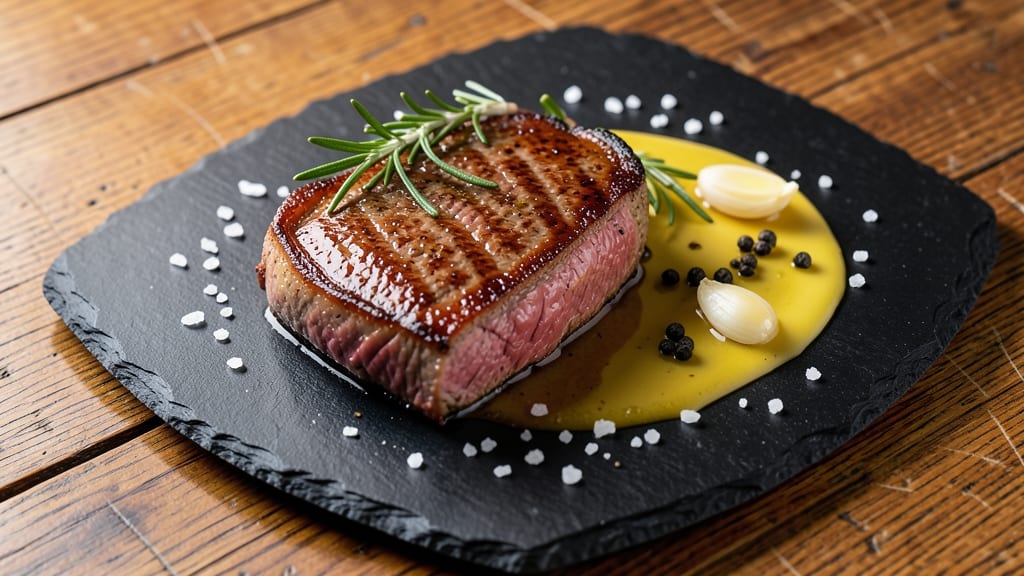
Mastering a perfectly cooked beef top loin New York strip steak boneless recipe means achieving that coveted sear-hot crust while preserving juicy pink centers—something that separates home cooks from true steak artisans.
The secret lies in precise temperature control and proper resting techniques, which I’ve perfected after years of testing different methods in my professional kitchen.
This recipe focuses on pan-searing for maximum flavor development, using high heat to create a deep caramelized crust while keeping the interior tender and moist. A simple seasoning blend of coarse salt and freshly cracked black pepper enhances the natural beef flavor without overpowering it.
The key is patience—letting the steak rest after cooking ensures all those juices redistribute, guaranteeing a melt-in-your-mouth texture with every bite.
What you’ll end up with is a juicy, flavorful steak that’s restaurant-quality at home, featuring a dark, crackling crust and a pink center that’s just shy of medium-rare.
The technique is straightforward but requires attention to detail—no guesswork, just proven results. Whether you’re grilling or searing in a cast-iron skillet, this method delivers consistent perfection every time.
Pair with classic sides like garlic mashed potatoes or a fresh garden salad to complete the meal. The beauty of this recipe is its adaptability—it works for special occasions or a simple weeknight dinner when you want something truly exceptional. Let’s get started on creating your best steak yet.
Ingredients for beef top loin new york strip steak boneless
Four ingredients, one perfect steak: high-quality beef, salt, pepper, and patience for that coveted crust.
| Ingredient | Amount | Notes |
|---|---|---|
| Beef Top Loin New York Strip Steak Boneless 🥩 | 1 ½ lb | Center-cut, 1-inch thick slices |
| Kosher Salt Coarse 🧂 | 1 tbsp | Diamond Crystal preferred |
| Freshly Ground Black Pepper 🌶️ | 1 ½ tsp | Cracked directly over steak |
| Extra-Virgin Olive Oil 🫒 | 2 tbsp | High smoke point preferred |
| Unsalted Butter 🧈 | 2 tbsp | Cold, cut into small cubes |
| Garlic Cloves 🧄 | 2 cloves | Thinly sliced for butter basting |
| Fresh Rosemary 🌿 | 1 sprig | For butter garnish (optional) |
| Cast-Iron Skillet 🍳 | 1 whole | 10-12 inch, well-seasoned |
| Meat Thermometer 🌡️ | 1 whole | Instant-read preferred |
| Paper Towels 🧻 | 1 sheet | For patting dry |
| Basting Brush 🎨 | 1 whole | Silicon preferred |
The beef is non-negotiable here. Look for USDA Prime or Choice beef from a trusted butcher—Whole Foods or D'Agostino's carry excellent center-cut strips. If buying pre-sliced, check for 1-inch thickness (uniform cuts = even cooking). The steak should be bright red with visible marbling, not grayish or dry. I always ask my butcher to trim excess fat—it burns before the steak sears properly. For a true restaurant experience, D'Artagnan or Snake River Farms deliver premium cuts worth the splurge.
No coarse kosher salt? Diamond Crystal is the gold standard—it dissolves better than Morton's. Short on time? Flaky sea salt works too, just use slightly less. The butter matters—European-style unsalted like Plugrá or Kerrygold adds richness. For the garlic, roasted cloves in the butter take this to next level (just toss peeled cloves in olive oil at 400°F for 10 minutes). Swapping the skillet? Carbon steel or stainless steel conducts heat better than nonstick—you want that crust, not steamed steak. And if you're grilling instead of pan-searing, charcoal or high-heat gas gives the best sear.
Steak rests best on a wire rack over a baking sheet—keeps it warm while letting juices redistribute. 5-10 minutes is ideal; don't skip this. Leftovers? Slice against the grain and reheat in a 350°F oven for 10-15 minutes with a splash of beef broth. The butter basting mixture keeps for 3 days in the fridge—just reheat gently before using. For meal prep, portion and freeze raw steaks (separate from other meats) for up to 3 months. Thaw in the fridge overnight before cooking.
Why You'll Love This Recipe
- Five-Ingredient Magic: I swear by this recipe because it’s that simple—just steak, salt, pepper, oil, and butter. No fancy marinades or last-minute prep; just season, sear, and baste. Honestly, it’s the kind of dish that makes me feel like a chef without the hassle.
- Butter-Basted Perfection: That moment when the butter pools on the steak and you baste it right off the pan? Pure satisfaction. The crust is caramelized, the inside stays juicy, and the flavor? Ridiculously rich without overpowering the beef’s natural taste.
- Weeknight or Weekend Star: Between us, this steak works for everything. Toss it on the grill for summer BBQs, pan-sear it for a quick Tuesday dinner, or slice it for a crowd-pleasing charcuterie board. It’s my go-to when I don’t want to overthink dinner.
- Leftovers? No Problem: The best part? Cook once, enjoy twice. Slice the steak thin for a steak salad the next day or cube it into a hearty pasta dish. (Yes, even on a Tuesday night.) The flavor only gets better as it rests, and it stretches my grocery budget without sacrificing quality.
Step-by-step instructions for beef top loin New York strip steak boneless
Here's how to achieve that perfect sear-hot crust with juicy pink centers every time.
Prepare the Steak for Maximum Flavor
Remove the beef top loin New York strip steak boneless from the refrigerator and let it sit at room temperature for 30 minutes. This allows for even cooking throughout the steak. While it's resting, pat it completely dry with the sheet of paper towels, pressing firmly to remove any moisture. Wet surfaces prevent proper searing and can lead to steamed rather than browned crusts.
Season both sides generously with the 1 tablespoon kosher salt coarse and 1.5 teaspoons freshly ground black pepper, pressing the seasoning into the meat so it adheres well. I like to use a fine-mesh sieve to distribute the salt evenly. This step is crucial—it creates that flavorful crust we're after and ensures the steak stays juicy inside. Let the seasoned steak rest for another 5 minutes before cooking to allow the salt to penetrate slightly.
Create the Perfect Searing Environment
Place the cast-iron skillet on the stovetop over medium-high heat for 5 minutes to preheat thoroughly. You want the pan to be screaming hot when the steak hits it. Add the 2 tablespoons extra-virgin olive oil and let it heat until it shimmers but doesn't smoke excessively. The oil should be hot enough that when you touch a drop of water to it, it sizzles vigorously and evaporates instantly.
While the pan heats, cut the 2 tablespoons unsalted butter into small cubes and set aside. Thinly slice the 2 cloves garlic cloves and remove any woody stems from the 1 sprig fresh rosemary. You'll use these later to create a flavorful basting butter. The hot pan is your secret weapon—it creates that coveted crust while keeping the interior juicy, so don't rush this heating process.
Sear the Steak to Golden Perfection
Carefully place the seasoned steak in the hot skillet, using tongs to avoid burning yourself. Press down gently on the steak during the first 1 minute to ensure even contact with the pan—this prevents curling and guarantees that gorgeous crust all over. You'll hear a satisfying sizzle as the steak makes contact with the oil.
Cook the steak for 3-4 minutes on the first side until it develops a deep golden brown crust with some charred spots. This is where the magic happens—the Maillard reaction creates those complex flavors we love. Flip the steak and repeat on the second side for another 3-4 minutes. For a perfectly cooked medium-rare steak, you'll want the internal temperature to reach 125-130°F when measured with the meat thermometer.
Baste with Garlic-Herb Butter
Remove the steak from the skillet and transfer it to a warm plate. Let it rest for 5 minutes while you prepare the basting butter. Reduce the heat to medium and add the cubed butter to the skillet, letting it melt completely. Add the sliced garlic and rosemary sprig, cooking for 30 seconds until fragrant—don't let it brown or it'll turn bitter.
Use the basting brush to coat the steak generously with the garlic-herb butter, working it into all sides. This step adds incredible flavor and helps maintain moisture during the resting period. The butter will also create a beautiful sheen on the steak's surface. While the steak rests, tent it loosely with foil to keep it warm. This resting period is absolutely critical—it allows the juices to redistribute throughout the meat, ensuring that first cut delivers maximum juiciness.
Pro Tips For Making Beef Top Loin New York Strip Steak Boneless
- Preheat Pan Like Your Steak Depends on It: I learned this the hard way—cast iron needs 5 minutes on high heat until it’s smoking before the steak hits the pan. No, that’s not being dramatic; cold metal steals heat, and you’ll end up with a sad, uneven cook. (Yes, even if you’re impatient like me.)
- Salt Before Searing: Generously coat the steak with coarse salt at least 40 minutes before cooking—this seasoning penetrates deeper than a last-minute sprinkle. I used to skip this, and the crust always tasted like it was holding out on me.
- Butter Last, Not First: Add the butter and herbs only in the final 30 seconds of searing—this bastes the steak with flavor instead of turning it into a greasy mess. My grandmother swore by this, and she was right: the pan sauce becomes rich, not runny.
- Rest Under Foil: Give the steak a solid 5-10 minutes under foil after resting on the cutting board—this keeps it juicy while you finish the sauce. I know, I know, but trust the process. (Your future self will thank you.)
Pro cooking tips for this recipe
High-Heat Sear Secrets
Your cast-iron skillet needs to be screaming hot before the steak hits it—think 450-500°F on the surface. I test this by flicking a drop of water onto the pan: if it sizzles and evaporates instantly, you're ready.
The key is direct contact—press the steak down firmly during the first 1-2 minutes of searing to prevent curling. This creates that deep caramelized crust while keeping the center juicy. Never move the steak until you see golden brown edges forming—patience here makes all the difference. 🔥
Butter Bastes Like Magic
The garlic-herb butter isn't just for flavor—it locks in moisture during the resting phase. Melt 2 tbsp cold unsalted butter in the same skillet after removing the steak, then add 2 thin garlic slices and 1 rosemary sprig.
Cook for just 30 seconds—any longer and the garlic burns, turning bitter. Brush this hot butter generously over the steak while it rests. The fat coats the meat, creating a semi-sheer finish that looks restaurant-worthy. Pro tip: Use European-style butter like Plugrá for richer flavor. 💫
Thermometer Precision
An instant-read meat thermometer is non-negotiable for perfect results. For medium-rare, aim for 125-130°F internal temperature. Insert the probe into the thickest part of the steak—avoid the edge where it might read higher.
If you don't have a thermometer, use the finger test: press your finger against the steak's surface. If it feels firm but slightly springy, it's likely medium-rare. Remember, the steak will rise 5-10°F while resting, so pull it out slightly early. 🌡️
Resting Rules
This is where most home cooks fail—never skip resting! Transfer the steak to a wire rack (not a plate) to allow air circulation, then loosely tent with foil. Let it rest for 5-10 minutes—this lets juices redistribute, preventing a dry first bite.
I've seen people slice into steak immediately after cooking, thinking it's ready, only to get dry, sad meat. The resting phase is your secret weapon for juicy perfection. For extra insurance, place the rack on a preheated baking sheet at 200°F to keep it warm. ⏰
Reverse Sear Hack
For thicker cuts (1.5 inches or more), try the reverse sear method: bake the steak at 250°F until it reaches 110°F internal, then sear in the skillet. This gives you even cooking without over-searing the outside.
The beauty of this method is less attention required—just monitor the oven temp. For our 1-inch steaks, the pan-sear method works perfectly, but this technique is great for special occasions when you want foolproof results. 💡
Equipment Upgrades
Your cast-iron skillet should be well-seasoned—I use Lodge's 10-inch pre-seasoned for consistent results. For even better heat control, consider a two-zone burner setup: place the skillet over one high-heat burner and the butter over another medium-heat burner to keep it warm while basting.
If you're grilling, use charcoal for that smoky depth or high-heat gas for precise control. A meat mallet helps tenderize thicker cuts if needed—just 4-6 firm taps on the surface before seasoning. 🍳
Nutrition facts
Frequently asked questions
Why does my New York strip steak turn out dry even when cooked medium-rare?
The most common cause is skipping the resting period. When you cut into steak immediately after cooking, the juices rush out instead of redistributing. Always let it rest for 5-10 minutes on a wire rack. Another culprit is overcooking—use a meat thermometer to hit 125-130°F for medium-rare, not guessing by time.
Can I cook this steak on the grill instead of pan-searing?
For grilling, preheat to high heat (450-500°F) and sear for 3-4 minutes per side for 1-inch steaks. Use indirect heat to finish if needed, then baste with garlic butter. Charcoal adds great smoky depth, while gas grills give precise control. Just keep the same internal temp guidelines.
What's the best way to store leftover steak?
Slice against the grain and store in an airtight container for up to 3 days in the fridge. For longer storage, wrap individual portions in plastic wrap and freeze for up to 3 months. Thaw overnight in the fridge—never at room temperature. Reheat in a 350°F oven with a splash of beef broth to restore moisture.
How do I adjust cooking time for thicker cuts?
For steaks over 1.5 inches thick, try the reverse sear: bake at 250°F until internal temp reaches 110°F, then sear in the skillet. This prevents overcooking the outside while cooking the center. For 1-inch cuts, stick to the original 3-4 minutes per side method. Always use a thermometer!
What sides pair best with this steak?
Classic choices include garlic mashed potatoes, creamy mac and cheese, or a fresh garden salad. For something lighter, try roasted asparagus with lemon or a simple arugula salad. The rich steak flavor pairs beautifully with earthy, buttery, or bright acid components.