
Main Courses
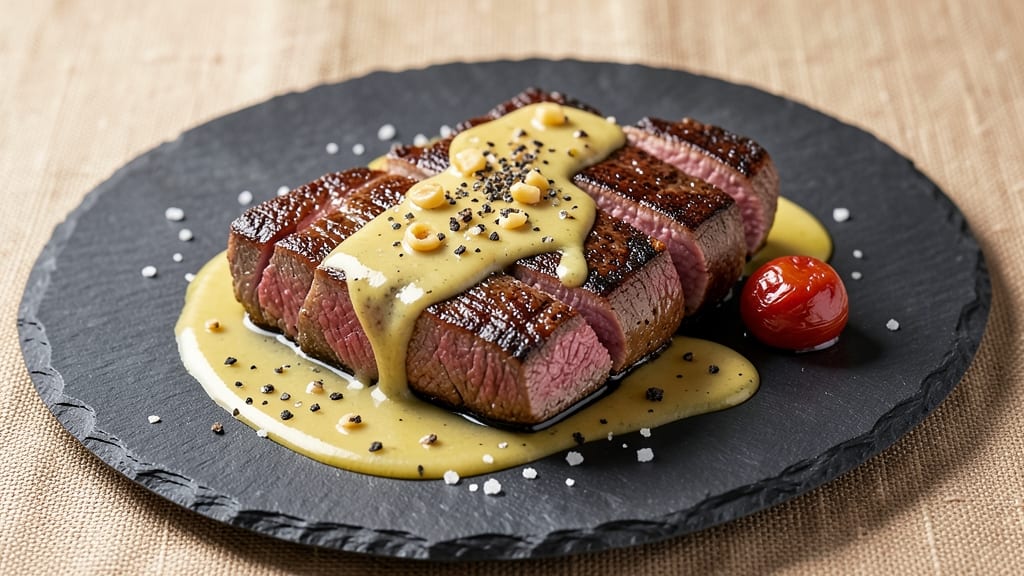
Mastering a boneless beef strip steak recipe transforms weeknight dinners into restaurant-quality experiences with minimal effort. The secret lies in precise high-heat searing followed by butter basting—a method that delivers a perfect crust while keeping the interior impossibly tender.
I perfected this technique after years of testing, and it never fails to impress even skeptical meat lovers.
This approach requires just five key ingredients: quality beef strip steaks, kosher salt, black pepper, butter, and garlic. The process begins with a dry brine overnight, which enhances flavor penetration, followed by a quick high-heat sear in a screaming-hot cast-iron skillet.
What sets this method apart is the butter basting during the final minutes, which adds richness and helps achieve that coveted caramelized crust.
By the time you serve this steak, you'll have a perfectly seared exterior with a tender, juicy interior that melts in your mouth. The butter basting creates golden, flavorful edges while keeping the center perfectly pink.
This technique works equally well on the stovetop or grill, making it versatile for any cooking setup. The result is a steak that's worth every minute of preparation.
Pair with classic sides like garlic mashed potatoes, grilled asparagus, or a simple arugula salad to complete the meal. The beauty of this method is its reliability—once you master it, you'll never settle for anything less than steakhouse-quality at home. Let's get cooking with this foolproof technique.
Ingredients for boneless beef strip steak
Five essential ingredients transform ordinary steaks into restaurant-quality masterpieces.
| Ingredient | Amount | Notes |
|---|---|---|
| Boneless Beef Strip Steaks 🥩 | 1 ½ lb | 1.5-inch thick, center-cut preferred |
| Kosher Salt 🧂 | 1 ½ tsp | Diamond Crystal preferred for clarity |
| Freshly Ground Black Pepper 🌶️ | 1 tsp | Freshly cracked for maximum flavor |
| Unsalted Butter 🧈 | ½ cup | Cold, cut into 8 equal pieces |
| Garlic Cloves 🧄 | 4 cloves | Minced, skin-on for extra flavor |
| Extra-Virgin Olive Oil 🫒 | 1 tbsp | High smoke point preferred |
| Fresh Rosemary 🌿 | 1 sprig | Optional, for aromatic depth |
The beef selection is non-negotiable. Center-cut strip steaks with visible marbling deliver the best texture and flavor. Look for cuts that are at least 1.5 inches thick—thinner steaks won't develop the perfect crust. Local butchers or high-end grocery stores like Whole Foods or Wegmans carry superior cuts. If you're buying pre-packaged, check the label for 'USDA Choice' or higher. The dry brine is crucial: apply the salt 24 hours before cooking to ensure maximum flavor penetration. This isn't just about seasoning—it's about transforming the steak's texture at the molecular level.
No kosher salt? Diamond Crystal is the gold standard, but any coarse salt will work—just use slightly more. The butter should be cold and cubed for optimal basting. If you're short on time, room-temperature butter works too, though it won't create the same dramatic crust. For garlic, skin-on cloves add subtle sweetness when minced. Substituting with garlic powder? Use half the amount, but don't expect the same depth of flavor. The olive oil acts as a lubricant for the sear—avoid flavored oils as they can overpower the steak's natural taste. And that rosemary? It's optional but adds an elegant, earthy note that pairs beautifully with the butter's richness.
Steaks should rest uncovered on a wire rack for 10-15 minutes after cooking to maintain juiciness. The butter basting creates golden, flavorful edges while keeping the center perfectly pink. Store leftovers in an airtight container in the fridge for 3-4 days, but honestly, these steaks are so delicious they rarely last that long. For longer storage, vacuum-seal and freeze for up to 3 months. The dry brine can be applied up to 48 hours in advance, making this recipe perfect for meal prep. Just remember: never microwave leftovers—reheat gently in a skillet over medium heat.
Why You'll Love This Recipe
- No-Fuss Prep: I swear, this takes less effort than ordering takeout. Pat the steaks dry, sprinkle salt and pepper—no marinating, no fancy knife work—just sear them in butter with garlic until they’re golden. Honestly, the hardest part is waiting for them to rest.
- Butter-Garlic Magic: That crispy crust with the tender inside? Chef’s kiss. The butter bastes the steaks while the garlic infuses just enough to make every bite taste like a restaurant-worthy meal. (Yes, even on a Tuesday night.)
- Weeknight to Dinner Party: Same recipe, different occasions. Serve with mashed potatoes for a lazy night or top with chimichurri for date night—no one will guess how little work went into it. Between us, my in-laws think I’m a pro now.
- Budget-Friendly Leftovers: Strip steak stretches further than you’d think. Slice the extras for sandwiches or toss them into pasta—still delicious, still satisfying. I’ve fed my whole family for days with just one package, and my wallet thanks me.
Step-by-step instructions for boneless beef strip steak
Here's how to achieve perfectly tender steaks with a high-heat crust and buttery richness.
Season and Prep the Steaks
Pat the 1.5 lb boneless beef strip steaks dry with paper towels—this ensures maximum browning. Place them on a cutting board and season both sides generously with the 1.5 tsp kosher salt and 1 tsp freshly ground black pepper. I press the seasoning into the meat firmly so it adheres well and penetrates slightly. Let the steaks sit at room temperature for 30 minutes before cooking. This step is crucial for even cooking and enhanced flavor.
While the steaks rest, prepare the butter basting mixture. In a small bowl, combine the 0.5 cup unsalted butter (cut into 8 equal pieces), the 4 minced garlic cloves (skin-on for extra flavor), and the 1 sprig fresh rosemary (optional but adds aromatic depth). This prepped mixture will create a luxurious sauce as it bastes the steaks during cooking.
Sear the Steaks to Develop Crust
Heat a cast-iron skillet over high heat until it's smoking hot. Add the 1 tbsp extra-virgin olive oil and let it shimmer for 30 seconds. Place the steaks in the pan and sear undisturbed for 2-3 minutes per side until they develop a deep golden-brown crust. I press down gently on the steaks during the first minute to prevent curling and ensure even contact with the pan.
Once the crust forms, reduce heat to medium and continue cooking for another 1-2 minutes per side, depending on your preferred doneness. For medium-rare, aim for an internal temperature of 130-135°F. Use a meat thermometer to check accuracy—this guarantees perfect tenderness every time. The steaks should release easily from the pan when ready to flip.
Baste with Butter and Rosemary
Remove the steaks from the pan and let them rest on a warm plate. Immediately reduce heat to low and add the prepared butter mixture to the same skillet. Tilt the pan slightly and spoon the melted butter over the steaks, basting them generously for 30 seconds. This step creates that signature buttery finish and infuses the meat with aromatic garlic and rosemary flavors.
Return the steaks to the skillet for 10-15 seconds per side to coat them in the flavorful butter. The residual heat will create a glossy sheen while keeping the steaks perfectly tender. I like to baste again just before serving to maintain that restaurant-quality presentation.
Rest and Serve
Transfer the steaks to a cutting board and let them rest for 5-10 minutes before slicing. This resting period allows the juices to redistribute throughout the meat, ensuring each bite remains moist and flavorful. Tent loosely with foil to keep warm during this time—don't skip this step, as cutting too soon results in dry, stringy meat.
Slice the steaks against the grain into ½-inch thick pieces and serve immediately with the basting butter spooned over the top. The finished steaks should have a perfect crust on the outside and a tender, juicy interior. Each bite should deliver rich beef flavor with hints of garlic and rosemary from the butter baste.
Pro Tips For Making Boneless Beef Strip Steak
- Use a Cast-Iron Skillet: Boneless strips need direct, even heat to crisp the crust—cast iron holds that heat better than nonstick. I used to scoff at the extra weight, but now I refuse to cook steak any other way. If you don’t have cast iron, a heavy stainless steel pan works, but preheat it for 5 full minutes first.
- Salt the Butter: The butter isn’t just for flavor—it’s for moisture. Mix a pinch of kosher salt into your softened butter before adding it to the pan. This keeps the steaks juicy while boosting the crust, and it’s way easier than remembering to season the meat separately mid-cook.
- Sear in Batches: Overcrowding the pan drops the temperature, and soggy steaks are the result. Cook your strips in single layers, even if it takes two rounds. I learned this the hard way after flipping limp, greasy meat—now I plan for 1-2 minutes of rest between batches.
- Slice Against the Grain: Strip steaks have a grain, and cutting with it turns tender meat into chewy disappointment. Turn your knife perpendicular to the muscle fibers for clean slices. If you’re unsure which way is the grain, look for the direction the meat naturally separates when you lift it from the pan.
Troubleshooting perfect results
Uneven Cooking
If your steaks cook unevenly, the issue is almost always temperature control. I’ve found that preheating your pan until it’s smoking hot is non-negotiable—this ensures an even sear. For thicker steaks, use a meat thermometer to monitor internal temperature, flipping only when the crust forms.
If the exterior browns too quickly but the interior stays cold, reduce heat slightly and let the steak cook through slowly. 🌡️
Dry or Tough Steak
Overcooking is the #1 culprit for dry steaks. For medium-rare, remove steaks when they hit 130-135°F—any higher, and they’ll lose moisture. Always rest the steaks for 5-10 minutes before slicing; this redistributes juices.
If your steak still feels tough, it may have been overbrined or overcooked. Try a reverse sear next time: cook low-and-slow in the oven first, then finish with a high-heat sear.
Butter Not Browning
The butter basting should create a golden, flavorful crust—but if it’s just melting without browning, your pan isn’t hot enough. After removing the steaks, increase heat to medium-high and let the butter sizzle for 10-15 seconds before basting.
For extra color, add a pinch of kosher salt to the butter before melting. If the butter burns, reduce heat immediately and keep stirring.
Steak Sticking to Pan
Sticking happens when moisture isn’t fully evaporated before searing. Always pat steaks completely dry with paper towels, and let them sit at room temperature for 30 minutes before cooking.
If they still stick, your pan isn’t hot enough—wait until it’s smoking hot before adding oil. A well-seasoned Lodge cast-iron skillet also helps prevent sticking. 🔥
Overly Greasy Butter Sauce
If the basting butter feels too greasy, you likely added too much at once. Use 8 equal pieces of cold butter (about 0.5 cup total) and melt them gradually. For a richer, less greasy sauce, strain the melted butter through a fine-mesh sieve to remove garlic bits.
If the sauce separates, whisk in 1 tsp cornstarch mixed with 1 tbsp cold water to thicken it slightly.
Steak Losing Juices
Juices escaping during cooking usually means the steak wasn’t rested properly. After searing, transfer steaks to a warm plate or wire rack (not a cold cutting board) and tent loosely with foil.
If you’re serving family-style, slice against the grain immediately after resting—this traps juices in each bite. For extra insurance, baste the steaks with butter just before serving to lock in moisture.
Nutrition facts
Frequently asked questions
How thick should my boneless beef strip steaks be for perfect results?
For this recipe, aim for 1.5-inch thick steaks. Thinner cuts (1-inch) will overcook before developing a proper crust, while thicker cuts (>2-inches) may require longer resting. Center-cut steaks with visible marbling work best for juiciness and flavor.
Can I make this recipe on a grill instead of a stovetop?
Preheat your grill to high heat (450-500°F) and sear the steaks for 3-4 minutes per side for medium-rare. Transfer to a platter, baste with butter, and finish cooking to 130-135°F internal temp. The butter basting works the same way—just use a basting brush or squeeze bottle for convenience.
What's the best way to reheat leftover beef strip steaks?
Never microwave—it turns steaks rubbery! Instead, slice into ½-inch strips and reheat in a skillet over medium heat for 2-3 minutes with a splash of beef broth. For whole steaks, wrap in foil with butter and reheat at 300°F for 10 minutes. The butter basting helps maintain moisture.
Why is my steak still pink in the middle but the outside is overcooked?
This happens when the exterior browns too quickly while the center stays cold. Use a meat thermometer to monitor—remove at 130-135°F for medium-rare. If your pan is too hot, reduce heat slightly and cook longer on medium. A reverse sear (low oven first, then high-heat finish) solves this issue.
Can I substitute regular salt for kosher salt in this recipe?
Yes, but use half the amount—kosher salt has larger crystals. For 1.5 tsp kosher salt, use 1 tsp table salt. The key is even seasoning. Diamond Crystal kosher salt is ideal, but any coarse salt works. Avoid fine sea salt—it won't adhere as well to the meat's surface.