
Main Courses
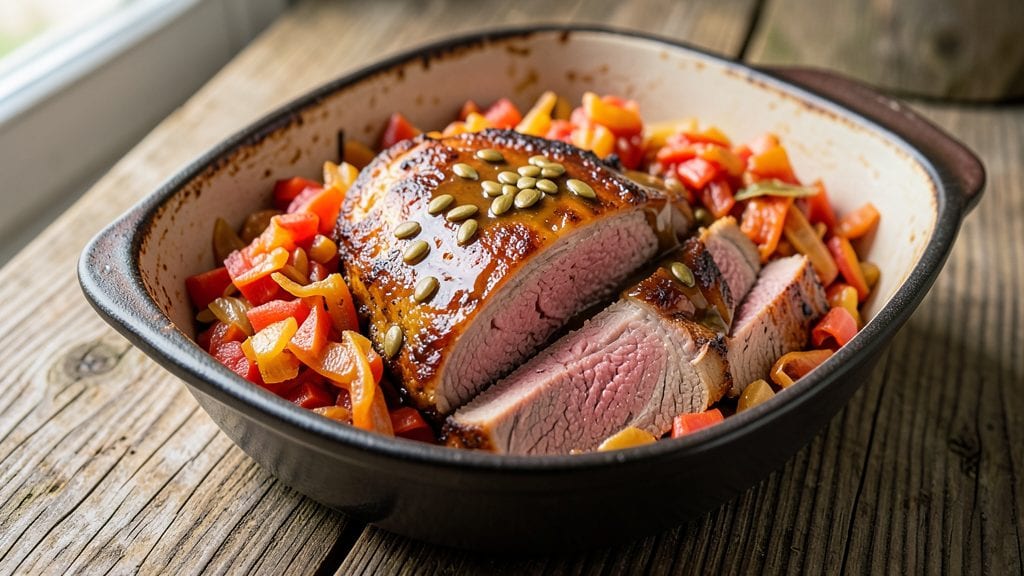
This corned beef brisket and sauerkraut recipe delivers the ultimate comfort food experience with rich, tender meat and tangy sauerkraut in one pot. After years of perfecting the slow-cooking process, I've developed a method that transforms tough brisket into melt-in-your-mouth perfection while preserving the crisp texture of the sauerkraut.
The key lies in balancing the smoky-sweet flavors of the corned beef with the sharp, fermented tang of the sauerkraut—a harmony that's hard to resist.
The beauty of this recipe is its simplicity and efficiency. You'll start with a brisket brined overnight in a flavorful corned beef solution, then slow-cook it until fork-tender. Meanwhile, the sauerkraut simmers alongside, absorbing just enough of the meat's juices to enhance its natural tang without overpowering it.
This method ensures every bite delivers that perfect balance of textures and flavors, making it ideal for Sunday dinners or special occasions.
By the time you're done, you'll have a pot filled with succulent corned beef brisket that practically falls apart at the touch of a fork, paired with sauerkraut that's tender but still retains its signature crunch.
The aroma alone will fill your home with the comforting scent of a classic meal, while the flavors create a symphony that's both hearty and refreshing. Serve with a dollop of mustard and a slice of rye bread for the complete experience.
This recipe is designed to be your go-to for family gatherings, holiday meals, or whenever you crave that satisfying combination of rich and tangy. The slow-cooking process means minimal effort on your part, but maximum flavor reward.
Let's get started on creating this timeless dish that brings comfort and tradition to your table.
Ingredients for corned beef brisket and sauerkraut
Six ingredients transform tough brisket into melt-in-your-mouth perfection paired with tangy sauerkraut.
| Ingredient | Amount | Notes |
|---|---|---|
| Corned Beef Brisket 🥩 | 4 lb | Flat-cut, 1-inch thick slices |
| Sauerkraut 🥬 | 2 cups | Unopened jar, drained |
| Corned Beef Spice Mix 🧂 | 2 tbsp | Diamond Crystal kosher salt |
| Brown Sugar 🍯 | ½ cup | Light or dark, packed |
| Mustard Seeds 🌶️ | 1 tbsp | Yellow or brown seeds |
| Bay Leaves 🍃 | 3 whole | Fresh preferred |
| Garlic Cloves 🧄 | 6 cloves | Peeled, smashed |
| Onion 🧅 | 1 whole | Yellow, sliced thick |
| Beef Broth 💧 | 2 cups | Low-sodium preferred |
| Apple Cider Vinegar 🍎 | ¼ cup | Raw, unfiltered |
| Black Peppercorns 🌶️ | 1 tbsp | Freshly cracked |
| Carrots 🥕 | 2 whole | Baby or whole, sliced |
| Dijon Mustard 🍯 | 2 tbsp | For serving |
| Fresh Parsley 🌿 | ¼ cup | Chopped, for garnish |
The brisket is the star here, so pick a 4-pound flat-cut—it's leaner and more forgiving than point-cut. If your butcher doesn't carry it, ask for a thick slice from the flat. Costco or Whole Foods usually have it pre-sliced, but if you're buying whole, trim any excess fat. The corned beef spice mix is non-negotiable—Diamond Crystal kosher salt dissolves better than table salt, which means deeper flavor penetration. For the sauerkraut, grab the unopened jar from the refrigerated section (the shelf-stable stuff lacks that fresh tang).
No corned beef spice mix? Make your own with 1 tbsp salt, 1 tsp black peppercorns, 1 tsp mustard seeds, 1 tsp coriander seeds, and 1 tsp sugar. Short on time? Store-bought corned beef brisket works in a pinch, but it won't have that homemade depth. The sauerkraut can be swapped for green cabbage with 1 tbsp apple cider vinegar and 1 tsp caraway seeds if you're feeling adventurous. The carrots? Baby carrots are fine, but whole carrots add a nice rustic touch. And if you're serving this for a crowd, double the mustard and parsley—they disappear fast.
This dish tastes even better the next day, so make it ahead if you can. Store the brisket and sauerkraut separately in the fridge for up to 4 days, or freeze for 3 months. To reheat, add a splash of broth and simmer until heated through. The sauerkraut reheats beautifully—just toss it in the pot with the brisket. For serving, keep the mustard and parsley on the table so everyone can customize their plate. Trust me, the leftovers are legendary.
Why You'll Love This Recipe
- One-Pot Magic: I swear by this—just toss the brisket, sauerkraut, and spices into one pot. No chopping, no fussing, and that tangy-sweet sauce basically cooks itself while you sip your coffee.
- Sweet & Tangy Bomb: The brown sugar caramelizes into the juices, while the mustard seeds add a tiny crunch. Honestly, the first bite makes me close my eyes—it’s like a hug in a bowl, but with more garlic.
- Leftovers That Win: Between us, this dish gets better the next day. The flavors meld into this rich, smoky goodness, and I’ve reheated portions for lunch all week without a single complaint.
- Budget Crowd-Pleaser: A single brisket feeds six, and the sauerkraut stretches it further. I’ll be real: this is my go-to for game days or when my in-laws drop by—cheap, filling, and no one ever asks for takeout after.
Step-by-step instructions for corned beef brisket and sauerkraut
Here's the method that delivers perfectly tender brisket with tangy, caramelized sauerkraut in one flavorful pot.
Sear the Brisket for Deep Flavor
Heat a Dutch oven over medium-high heat until hot. Pat the 4 lb corned beef brisket dry with paper towels - this ensures a proper sear. Place the brisket fat-side down and let it sear undisturbed for 5 minutes until the fat begins to render and the surface develops a deep golden crust.
Flip the brisket and sear the other side for another 3 minutes. Here's the thing - don't rush this step. The rendered fat will create a rich base for your sauce, and that crust locks in all the juices. Remove the brisket and set it aside on a plate.
Build the Aromatic Base
In the same Dutch oven, add 2 tablespoons of corned beef spice mix and let it toast for 30 seconds until fragrant. Add the sliced 1 whole onion and 2 whole carrots, cooking for 5 minutes until they begin to soften. Stir in the 6 cloves peeled garlic cloves and 3 whole bay leaves, cooking for another 30 seconds until the garlic becomes golden.
Add 0.5 cup packed brown sugar and 1 tablespoon mustard seeds, stirring constantly for 1 minute until the sugar begins to caramelize. This creates the perfect balance of sweetness and tang that complements the sauerkraut. The caramelization will deepen as the dish simmers.
Simmer the Brisket and Vegetables
Return the brisket to the Dutch oven along with 2 cups beef broth and 0.25 cup apple cider vinegar. Add 1 tablespoon freshly cracked black peppercorns and bring to a gentle simmer. The liquid should just barely bubble - you want to maintain a steady temperature without boiling vigorously.
Cover the pot and simmer for 2 hours on low heat. Here's what you're looking for: the brisket should be fork-tender and the vegetables should be completely softened. Check occasionally to ensure there's always some liquid in the pot - if needed, add a splash of water.
Incorporate the Sauerkraut
After 2 hours, add the 2 cups drained sauerkraut to the pot. Stir gently to combine with the cooking liquid. The sauerkraut will release its tangy juices, creating a beautiful balance with the sweet caramelized base. Return to a simmer and cook uncovered for an additional 30 minutes, allowing the flavors to meld completely.
During this final stage, the brisket will continue to absorb flavor from the sauerkraut and vegetables. The dish should develop a rich, complex sauce that coats everything beautifully. Taste and adjust seasoning if needed - you might want to add a bit more salt to enhance the flavors.
Rest and Serve
Remove the brisket from the pot and let it rest on a cutting board for 10 minutes. This resting period allows the juices to redistribute throughout the meat, ensuring each slice is moist and flavorful. Skim any excess fat from the sauce if desired.
Slice the brisket against the grain into 1-inch thick pieces and serve with the sauerkraut mixture. Garnish each serving with 2 tablespoons dijon mustard and 0.25 cup chopped fresh parsley. The contrast of tender brisket with the tangy, slightly sweet sauerkraut creates a perfect balance of flavors in every bite.
Pro Tips For Making Corned Beef Brisket And Sauerkraut
- Rinse the Brisket First: That corned beef spice mix is packed with salt—way more than you’d add fresh. Give the brisket a quick cold-water rinse before cooking to cut down on the saltiness that can make the sauerkraut taste flat. I learned this the hard way after a batch where the kraut just couldn’t compete with the brine.
- Sear in Two Batches: Crowd the pan, and you’ll steam the meat instead of browning it. Work in batches over medium-high heat—about 2 minutes per side—until the brisket develops a deep crust. That crust is what holds onto all the caramelized flavors when you add the kraut and sugar later.
- Drain and Pat the Kraut: Skip this, and you’re basically cooking a watery stew. Drain the sauerkraut in a colander, then press it dry with a clean towel to remove excess liquid. The kraut will crisp up better and soak up the brisket’s juices instead of turning mushy.
- Add Brown Sugar Late: Toss it in too early, and you’ll end up with a sticky glaze instead of a balanced sauce. Stir in the brown sugar and mustard seeds in the last 15 minutes of cooking—just enough time to caramelize slightly and deepen the flavor without turning the dish into a syrup.
Perfect pairings for this recipe
Mustard Mastery
No corned beef brisket and sauerkraut experience is complete without a dollop of Dijon mustard—it's the perfect bridge between the rich brisket and tangy sauerkraut. I recommend Maille or Amoy for their smooth yet slightly sharp profiles that cut through the dish's richness.
Serve it on the side so everyone can adjust to taste, or drizzle it directly over the brisket slices before serving. For extra flair, mix a spoonful into the sauerkraut during the final 30 minutes of cooking to infuse its flavor throughout. 🌶️
Bread Pairings
A slice of rye bread is non-negotiable—its dense texture and malty flavor stand up to the brisket's richness. Toast it lightly with a smear of butter or garlic aioli for the ultimate bite. For a lighter option, serve with crusty sourdough or pumpernickel to soak up the flavorful juices.
I also love adding crusty baguette slices for a more traditional Irish pairing that adds a satisfying crunch. 🥖
Beer Pairings
A dark lager or stout complements this dish beautifully, as their roasted malt notes echo the brisket's depth while balancing the sauerkraut's acidity. I reach for Guinness or Samuel Adams Black Lager—their creamy textures and caramel undertones enhance every bite.
For a lighter option, a German pilsner like Warsteiner provides crisp contrast. Avoid hoppy IPAs, as they can overwhelm the dish's hearty flavors. 🍺
Side Dish Harmony
Add creamy mashed potatoes with a touch of sour cream to round out the meal—their smooth texture contrasts perfectly with the brisket's tenderness. For a lighter touch, serve roasted root vegetables like carrots, parsnips, and potatoes tossed in olive oil and rosemary.
I also love adding a simple green salad with apple slices and walnuts dressed in a honey-Dijon vinaigrette to cut through the richness. 🥕
Cheese Board Additions
For a festive touch, set out a cheese board with aged cheddar, Gouda, and blue cheese—each adds a different texture and flavor profile. The sharpness of aged cheddar pairs well with the brisket, while creamy Gouda balances the sauerkraut's tang.
Add crackers, dried fruit, and nuts to create a well-rounded spread that guests will love. This works especially well for holiday gatherings or when serving leftovers. 🧀
Sweet Contrasts
Finish the meal with a fruit compote or apple sauce to cleanse the palate. I love a spiced apple sauce with cinnamon and cloves, or a blackberry compote with a hint of balsamic.
These sweet elements provide a refreshing contrast to the savory brisket and tangy sauerkraut, leaving everyone satisfied and craving more. 🍏
Nutrition facts
Frequently asked questions
Can I use a slow cooker instead of a Dutch oven?
The slow cooker method works beautifully! Brown the brisket first in a skillet, then transfer it to the slow cooker with all ingredients. Cook on low for 7-8 hours or high for 4-5 hours, adding the sauerkraut in the last 30 minutes. The slow cooker keeps the brisket tender without drying it out, and the sauerkraut absorbs all the rich flavors.
How do I know when the brisket is fully cooked?
The brisket is done when it reaches an internal temperature of 203°F and easily pulls apart with a fork. For extra assurance, check the thickest part—it should be fork-tender and juicy. If it's still slightly tough, let it rest 10-15 minutes longer. The longer it cooks, the more flavorful it becomes!
Can I make this dish ahead of time?
This recipe tastes even better the next day. Store the brisket and sauerkraut separately in the fridge for up to 4 days or freeze for 3 months. To reheat, add a splash of broth and simmer until heated through. The flavors meld beautifully over time, making it perfect for meal prep.
What if my sauerkraut is too sour?
If the tang is overpowering, balance it by adding a pinch of sugar or a splash of apple cider vinegar (just 1 teaspoon) during the final 30 minutes of cooking. You can also stir in a spoonful of Dijon mustard to mellow the acidity. The goal is harmony, not overpowering sharpness.
Can I substitute sauerkraut for something else?
For a milder option, try green cabbage sautéed with 1 tablespoon apple cider vinegar and 1 teaspoon caraway seeds. If you prefer a sweeter side, roasted carrots or potatoes work well. Just remember, sauerkraut’s tang is key to balancing the brisket’s richness.