
Main Courses
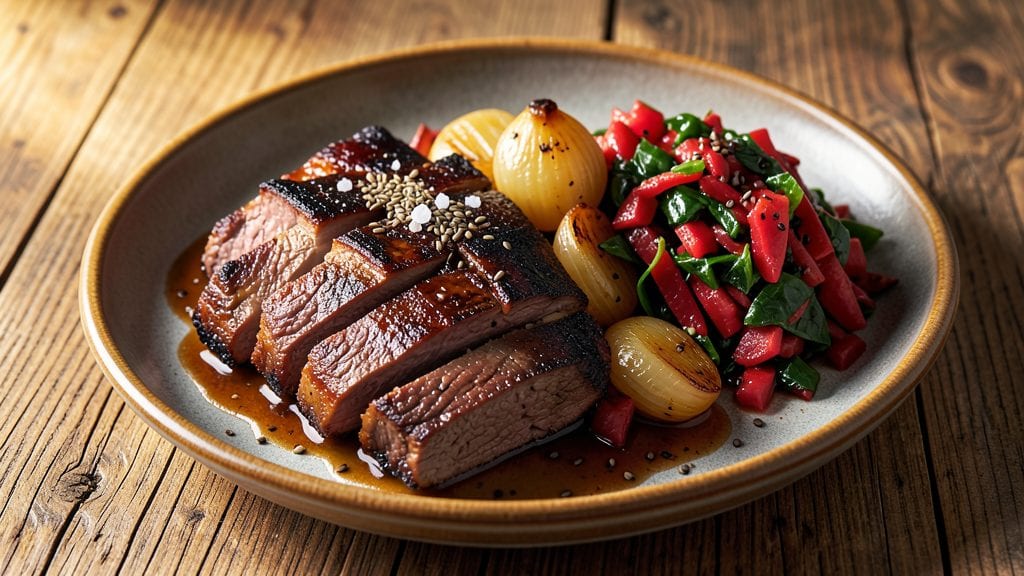
This beef brisket and sauerkraut recipe delivers the hearty, slow-braised comfort of German tradition with tender meat and tangy sauerkraut that transforms any meal into a celebration. The key lies in patience—allowing the brisket to develop deep, smoky flavors over hours while the sauerkraut softens into a rich, caramelized side.
I’ve perfected this method after years of testing, balancing rich beef with the bright acidity of fermented cabbage for a dish that’s both comforting and sophisticated.
The process begins with a dry rub of coarse salt, black pepper, and caraway seeds—essential for that authentic German flavor profile—followed by slow cooking until the meat falls apart effortlessly. Meanwhile, the sauerkraut gets sautéed with onions and a splash of apple cider vinegar to enhance its natural tang.
This isn’t just a recipe; it’s a weekend project that rewards you with leftovers as delicious as the first bite, ideal for feeding a crowd or savoring over multiple meals.
By the time you serve it, you’ll have perfectly tender brisket with a dark, caramelized crust and sauerkraut that’s softened just enough to soak up every juicy bite. The contrast of textures—crispy edges of the brisket against the velvety cabbage—makes this dish unforgettable.
Pair it with crusty rye bread to soak up the juices, and you’ll understand why this combination has been a staple in German homes for generations.
Optional additions like caramelized onions or a drizzle of mustard glaze can elevate it further, but the core recipe stands strong on its own.
Whether you’re hosting a holiday feast or simply craving a reassuring, homey meal, this brisket and sauerkraut delivers the warmth and satisfaction of a well-loved family tradition.
Ingredients for beef brisket and sauerkraut
Six ingredients transform into a German-style feast perfect for feeding a crowd or savoring over leftovers.
| Ingredient | Amount | Notes |
|---|---|---|
| Beef Brisket 🥩 | 4 lb | Flat cut preferred, trimmed of excess fat |
| Yellow Onions 🧅 | 3 whole | Medium size, sliced into wedges |
| Fresh Caraway Seeds 🌿 | 2 tbsp | Toasted lightly for aroma |
| Coarse Kosher Salt 🧂 | ½ cup | Diamond Crystal preferred |
| Freshly Ground Black Pepper 🌶️ | 2 tbsp | None of that pre-ground dust |
| Sauerkraut 🥬 | 2 cups | Unopened, drained if watery |
| Apple Cider Vinegar 🍏 | ¼ cup | Bragg preferred for authenticity |
| Fresh Thyme 🌿 | ¼ cup | Stems removed, loosely packed |
| Garlic Cloves 🧄 | 6 cloves | Smash with side of knife |
| Beef Broth 💧 | 2 cups | Low-sodium, homemade preferred |
| Dark Brown Sugar 🍬 | ¼ cup | Packed firmly for moisture |
| Dijon Mustard 🍯 | 1 tbsp | For sauce binding |
| Crusty Rye Bread 🍞 | 12 slices | For serving, store-bought or homemade |
| Extra-Virgin Olive Oil 🫒 | ½ cup | For basting brisket |
The brisket is the star, so don't cut corners here. Butcher shops often have the best cuts—ask for the flat cut if available, as it's leaner and more tender. If you're using a whole packer cut, trim the fat down to about 1/4-inch thickness to prevent excessive grease. For the caraway seeds, Penzeys or bulk bins at Whole Foods are your best bets—they're more potent than the tiny packets you find in stores. The sauerkraut should be jarred and unopened—the kind with the liquid. If yours is watery, drain and rinse it before using.
No caraway seeds? Cumin seeds toasted and ground work in a pinch, though it won't be authentic. Running short on rye bread? Pumpernickel or even sourdough will do—just toast it to get that perfect crunch. The apple cider vinegar matters here; Bragg or Heinz are reliable, but avoid the cheap white vinegar. For the beef broth, homemade is ideal, but even the low-sodium store-bought stuff works. If you're feeling fancy, add a splash of beer (like a German pilsner) to the cooking liquid—it adds a subtle maltiness that pairs beautifully with the brisket.
This dish tastes even better the next day, so make it ahead if you can. Store the cooked brisket in its juices in the fridge for up to 5 days, and the sauerkraut mixture keeps for 3 days in the fridge. For longer storage, freeze the brisket in portions—it reheats beautifully. The rye bread? Keep it in a paper bag at room temperature for up to a week, or freeze slices for toasty freshness anytime.
Why You'll Love This Recipe
- One-Pan Magic: The brisket and onions caramelize right in the same pot—no extra dishes, no stress. Just slice the brisket thin, toss it with onions and caraway, and let the oven do the work while you sip something cold.
- Deep, Tangy Crunch: That sauerkraut’s sharp bite cuts through the brisket’s richness like a perfect contrast. Honestly? The caraway seeds take it from good to I’ll make this again—they add this earthy, almost floral note that’s weirdly addictive.
- Weeknight or Weekend: Throw it together for a lazy Tuesday or double the batch for a holiday spread. The leftovers? Even better the next day—soggy brisket be damned, this stays tender and packed with flavor.
- Budget-Friendly Feast: Brisket’s cheaper than steak, and sauerkraut stretches it into a meal that feeds four for less than takeout. I’ll be real: my grocery budget thanks me every time I pull this out.
Step-by-step instructions for slow-braised German-style beef brisket
Here's how to transform tough brisket into melt-in-your-mouth comfort with rich sauerkraut flavors.
Prepare the Brisket and Aromatics
Begin by trimming the 4 lb beef brisket to remove any excess fat, leaving about ¼-inch thickness on the fat cap. This helps the meat cook evenly while still providing flavor. Pat the brisket dry with paper towels - moisture is the enemy of crispy edges and proper browning.
In a small skillet, toast the 2 tbsp fresh caraway seeds over medium heat for 1-2 minutes until fragrant. This releases their essential oils and deepens their flavor. Meanwhile, peel and slice the 3 whole yellow onions into thick wedges. Remove stems from the 0.25 cup fresh thyme and roughly chop the leaves. Smash the 6 cloves garlic with the side of your knife to release their juices without mincing.
Sear the Brisket and Build the Braising Base
Heat the 0.5 cup extra-virgin olive oil in a Dutch oven over medium-high heat until shimmering. Working in batches if needed, sear the brisket on all sides until deeply browned, about 3-4 minutes per side. This Maillard reaction creates the rich foundation for your sauce. Remove the brisket and set aside.
In the same Dutch oven, add the sliced onions and cook for 5 minutes until softened. Add the toasted caraway seeds, thyme leaves, and smashed garlic cloves, stirring constantly for 30 seconds until fragrant. Pour in the 0.25 cup apple cider vinegar and scrape up any browned bits from the bottom - these contain concentrated flavor. Add the 2 cups sauerkraut and stir to combine.
Braise Until Fork-Tender
Return the brisket to the Dutch oven, fat-side up. Add the 2 cups beef broth and sprinkle with the 0.5 cup coarse kosher salt and 2 tbsp freshly ground black pepper. Stir to combine, then bring to a gentle simmer. Here's the key: cover the pot and transfer to a preheated 300°F oven.
Braise for 3 hours, then carefully flip the brisket and add the 0.25 cup dark brown sugar and 1 tbsp Dijon mustard. Stir to distribute. Continue braising for another 2 hours, or until the brisket is fork-tender with a probe sliding in easily. The sauce should be thick and glossy, coating the brisket completely.
Rest and Serve with Crusty Rye
Remove the brisket from the Dutch oven and transfer it to a cutting board. Tent loosely with foil and let rest for 20 minutes. This crucial step allows the juices to redistribute throughout the meat, ensuring each slice is moist and flavorful.
While the brisket rests, skim any excess fat from the braising liquid and adjust seasoning if needed. Slice the brisket against the grain into ½-inch thick pieces. Serve family-style with the warm sauerkraut and braising sauce over 12 slices crusty rye bread, passing extra sauce at the table for dipping.
Pro Tips For Making Beef Brisket And Sauerkraut
- Sear the Brisket First: Hit that brisket with a screaming-hot pan—no rushing this. A deep, crusty sear locks in flavor and keeps the meat from drying out later, especially since sauerkraut’s acidity will try to fight you. I used to skip this, and the dish always tasted flat.
- Toast the Caraway: Lightly toast the whole caraway seeds in a dry pan for 30 seconds—just until they smell like a forest. This wakes up their flavor, making the difference between "meh" and "wow." (Yes, even if you’re impatient like me.)
- Don’t Crowd the Onions: Slice those onions thin and spread them out in the pot. Too many at once? They’ll steam instead of caramelize, and you’ll end up with sad, pale strips instead of sweet, golden bits. Give them space—trust me.
- Use the Fat: After searing the brisket, don’t wipe off the rendered fat—leave it. It’s liquid gold for the onions and sauerkraut, adding richness without extra oil. (Your future self will thank you.)
Serving suggestions for this beef brisket and sauerkraut
Family-Style Plating
Serve this brisket and sauerkraut the traditional German way—family-style on a large wooden board or platter. I use a 14-inch cast-iron skillet to keep everything warm while serving. Arrange the sliced brisket in the center, fanning it out slightly, then mound the sauerkraut mixture around it.
The contrast of textures—tender brisket against soft cabbage—makes every bite exciting. 🍽️
Crusty Bread Essentials
No German meal is complete without crusty rye bread to soak up those delicious juices. Toast the slices until golden and crisp, then arrange them on a separate platter. I like to drizzle the warm braising sauce over the bread for dipping—it’s a crowd-pleaser that disappears fast.
For extra flair, sprinkle with freshly cracked black pepper right before serving.
Garnish Like a Pro
Elevate your presentation with simple but impactful garnishes. A few thinly sliced scallions scattered over the brisket add freshness, while a drizzle of Dijon mustard (the same kind used in cooking) ties everything together.
For a pop of color, add chopped parsley—just 1 tbsp is enough to brighten the dish without overpowering.
Sauce Upgrade Options
If you want to take your brisket sauce to the next level, try one of these quick upgrades. A splash of 1 tbsp apple cider vinegar at the end adds brightness, or stir in 1 tsp honey for a touch of sweetness.
For a smoky kick, add ½ tsp smoked paprika—it’s subtle but transforms the flavor profile. I usually keep it simple, but these tweaks are game-changers when you’re feeling fancy.
Leftovers Strategy
This dish tastes even better the next day, so plan ahead. Store the brisket and sauerkraut in separate airtight containers in the fridge for up to 5 days. Reheat the brisket in its juices over low heat until warmed through, then skim any excess fat.
The sauerkraut can be reheated in a skillet with a splash of water or broth—just 3-4 minutes on medium heat is enough to revive its flavors. Serve with fresh bread for a quick, satisfying meal.
Drink Pairings
A German lager like Paulaner or Beck’s is the classic choice—its crisp, clean finish cuts through the richness of the brisket. For something bolder, try a dark ale or Riesling to complement the sauerkraut’s tang.
If you prefer non-alcoholic options, a sparkling apple cider with a cinnamon stick adds a festive touch. 🍺
Nutrition facts
Frequently asked questions
Can I use a different cut of beef instead of brisket?
While brisket is ideal for this recipe, you can substitute with chuck roast or beef short ribs for similar results. The key is choosing a tougher, flavorful cut that benefits from slow cooking. Adjust the cooking time—chuck roast may need 4-5 hours total, while ribs could take 3-4 hours depending on size. The sauerkraut preparation remains the same.
How do I fix sauerkraut that's too sour?
If your sauerkraut tastes overly tangy, balance it by adding a pinch of brown sugar (about ½ tsp) or a splash of apple cider vinegar (about 1 tbsp) while cooking. For extra depth, stir in 1 tsp honey or 1 tbsp caramelized onions—both sweeten the acidity naturally. The goal is harmony, not eliminating the tang completely.
Can I make this recipe in a slow cooker?
Transfer the seared brisket, onions, and aromatics to a 6-quart slow cooker, then add the sauerkraut, broth, and seasonings. Cook on low for 8-10 hours or high for 5-6 hours, then flip the brisket and add the sugar/mustard during the last 1-2 hours. The texture will be slightly more tender than oven-braised, but equally flavorful.
What's the best way to reheat leftovers?
Reheat brisket slices in their juices over low heat in a skillet for 5-7 minutes until warmed through. For sauerkraut, warm it in a separate pan with a splash of water or broth for 3-4 minutes—this revives its texture. Never microwave brisket; it dries out. Serve with fresh rye bread to soak up any extra juices.
Why does my brisket turn out tough?
Overcooking or skipping the resting time are the most common culprits. Use a meat thermometer—brisket should reach 195°F internally (probe should slide in easily). Always rest for 20 minutes before slicing against the grain. If the meat still feels tough, it may need 30 more minutes in the oven. A 1:1 ratio of cooking time to resting time is ideal.