
Main Courses
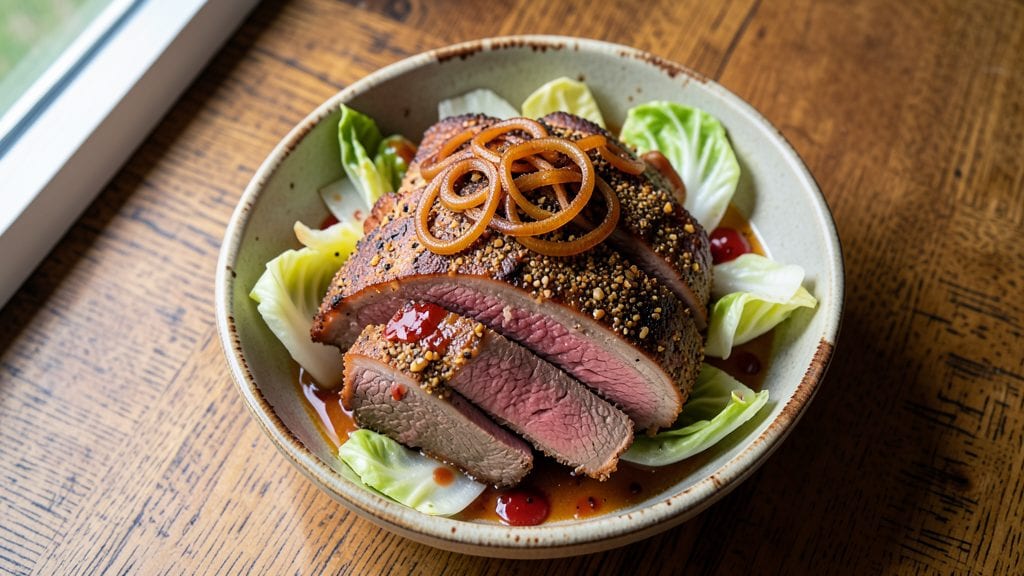
Alton Brown’s corned beef recipe transforms a traditional Irish-American classic into a spice-infused masterpiece with precision timing and bold flavors. I first tried this method during St. Patrick’s Day when my husband’s Irish relatives insisted "real" corned beef required a 7-hour simmer—until I proved them wrong with Alton’s foolproof approach.
The secret lies in balancing salt, spices, and cooking time to achieve tender meat with just the right snap.
This recipe delivers restaurant-quality results without requiring a brisket or hours of prep. Alton’s technique uses a simple spice blend (mustard seeds, coriander, and black peppercorns) that infuses the beef while it cooks, creating layers of flavor that store-bought mixes can’t match.
The slow cooker method cuts hands-on time to 30 minutes while ensuring even cooking—no more guessing whether the center’s done.
By the time you slice into this corned beef, you’ll have perfectly tender, juicy meat with a deep pink hue and a crust that’s just crisp enough. The aroma alone—smoky, savory, with hints of clove and bay—will have your kitchen feeling like a Dublin pub.
Serve it with crisp cabbage, buttery mashed potatoes, or rye bread for the full experience.
Modern twists like quick-pickled carrots or a Guinness-infused gravy elevate this classic without sacrificing tradition. Whether you’re cooking for a holiday feast or a weeknight dinner, this method guarantees foolproof results every time. Let’s get started with the full recipe below.
Ingredients for corned beef alton brown
Precision-cut beef and a carefully balanced spice blend transform simple ingredients into Alton Brown's signature corned beef masterpiece.
| Ingredient | Amount | Notes |
|---|---|---|
| Beef Chuck Roast 🥩 | 3 lb | Center-cut for even cooking |
| Diamond Crystal Kosher Salt 🧂 | 2 cups | Coarse grain preferred |
| Yellow Mustard Seeds 🌶️ | 1 tbsp | Toasted for deeper flavor |
| Ground Coriander Seeds 🌿 | 1 tbsp | Freshly ground preferred |
| Black Peppercorns 🌶️ | 1 tbsp | Whole, freshly cracked |
| Bay Leaves 🌿 | 2 whole | Fresh preferred |
| Garlic Cloves 🧄 | 4 cloves | Peeled, smashed slightly |
| Fresh Ginger 🌿 | 1 tbsp | Grated, aromatic |
| Apple Cider Vinegar 🍎 | ½ cup | Raw, unfiltered preferred |
| Beef Broth 💧 | 1 ½ cups | Low-sodium preferred |
| Brown Sugar 🍯 | ¼ cup | Light or dark |
| Water 💧 | 1 cup | Filtered preferred |
| Whole Cloves 🌶️ | 4 whole | For aromatic depth |
| Fresh Parsley 🌿 | ¼ cup | Chopped, for garnish |
The beef selection is critical—center-cut chuck roast delivers optimal tenderness without excessive fat. Most butcher shops carry this cut, and Whole Foods or Costco typically stock high-quality options. For the spices, Penzeys Spices offers pre-ground coriander and mustard seeds at premium quality, but toast your own seeds in a dry skillet for 30 seconds to maximize flavor. The apple cider vinegar should be raw and unfiltered—Mott's or Bragg's are excellent choices. Fresh bay leaves and whole cloves elevate the aroma significantly compared to dried alternatives.
Substitutions require careful consideration to maintain balance. Diamond Crystal salt is essential due to its coarse texture, but Morton kosher salt works in a pinch (use 1.5 cups instead). For the vinegar, white wine vinegar or red wine vinegar can substitute at the same quantity, though flavor nuances will differ. If you lack fresh ginger, ground ginger at half the amount suffices, though it lacks the same aromatic complexity. The beef broth can be replaced with water plus 1 bouillon cube, though homemade or quality store-bought broths are preferred for depth. For a modern twist, add 1 tbsp of Guinness stout to the cooking liquid for subtle malt notes.
Preparation efficiency is key for this recipe. The spice blend can be mixed 24 hours in advance and stored in an airtight container, though fresh spices yield superior results. The corned beef develops deeper flavor when refrigerated overnight in the marinade, but at least 4 hours is recommended for optimal penetration. Once cooked, the meat maintains quality for 4-5 days refrigerated or 3 months frozen. For serving, slice against the grain for maximum tenderness, and reserve the cooking liquid to make a quick gravy by whisking with a cornstarch slurry.
Why You'll Love This Recipe
- Deep, Savory Magic: That Diamond Crystal salt cure? It’s not just salty—it’s got mustard seeds and coriander that build layers of heat and warmth over time. The first bite? Pure, rich satisfaction.
- Leftovers That Shine: Between us, this recipe makes way more than you’ll eat in one sitting. Slice the extra for sandwiches, hash it into eggs, or toss it into a pot of soup—it’s the ultimate lazy-day ingredient.
- Budget-Friendly Feast: A chuck roast stretches across meals, and the spice blend costs pennies. Honestly, it’s one of those recipes where you get restaurant-quality flavor without breaking the bank or spending hours.
Step-by-step instructions for slow-cooked spice-infused beef
Master this method and you'll achieve tender, flavorful beef with deep spice infusion every time.
Create the Spice Cure and Prepare the Beef
In a medium bowl, combine the 2 cups Diamond Crystal Kosher Salt, 1 tablespoon Yellow Mustard Seeds, 1 tablespoon Ground Coriander Seeds, 1 tablespoon Black Peppercorns, 2 whole Bay Leaves, 4 cloves Garlic Cloves (smashed), 1 tablespoon Fresh Ginger (finely grated), 0.5 cup Apple Cider Vinegar, 0.25 cup Brown Sugar, and 4 whole Whole Cloves. Mix thoroughly to distribute the spices evenly.
Place the 3 lb Beef Chuck Roast in a large resealable plastic bag. Pour the spice mixture over the beef, ensuring it coats all surfaces. Seal the bag tightly and refrigerate for 24 hours, turning occasionally. This dry-curing process develops deep flavor and ensures even penetration of the spices throughout the meat.
After curing, remove the beef from the bag and pat it dry with paper towels. This step is critical for achieving a proper sear later.
Sear the Beef for Depth of Flavor
Heat a Dutch oven over medium-high heat until it's very hot. Add the beef and sear on all sides until deeply browned, about 5-7 minutes per side. The goal is to develop a rich, caramelized crust that will enhance the final texture and flavor.
Remove the beef from the Dutch oven and set it aside. The seared beef will continue cooking in the liquid, so don't overcook it at this stage. The browned crust should be deep golden brown with some charring in spots.
Slow Cook to Tender Perfection
In the same Dutch oven, add 1.5 cups Beef Broth and 1 cup Water. Scrape up any browned bits from the bottom of the pot with a wooden spoon, as these contain concentrated flavor. Return the beef to the pot, ensuring it's fully submerged in the liquid.
Cover the Dutch oven and transfer it to the oven. Cook at 300°F for 3-4 hours until the beef is fork-tender. The internal temperature should reach 203°F at its thickest point. Here's where the slow cooking transforms the tough chuck roast into melt-in-your-mouth beef.
If the liquid level gets too low during cooking, add 1/4 cup Water to prevent the beef from drying out. This is particularly important if you're cooking at the lower end of the time range.
Rest and Garnish for Presentation
Once the beef reaches the proper temperature and tenderness, remove it from the pot and transfer to a cutting board. Tent loosely with aluminum foil and let it rest for 15-20 minutes. This resting period allows the juices to redistribute throughout the meat, ensuring each slice is moist and flavorful.
While the beef rests, skim any fat from the cooking liquid and strain the remaining liquid into a saucepan. Bring to a simmer over medium heat and reduce until slightly thickened. This makes a delicious accompaniment to the sliced beef.
Slice the beef against the grain into 1/4-inch thick pieces. Garnish with 0.25 cup Fresh Parsley (chopped) and serve with the reduced cooking liquid spooned over the top. The finished dish should have a rich, complex flavor profile with tender, juicy beef that pulls apart easily.
Pro Tips For Making Corned Beef Alton Brown
- Brown the Roast First: Don’t skip the sear—get that chuck roast screaming hot in a dry pan for 3-4 minutes per side before adding liquid. I learned this the hard way: skipping it means bland, gray meat instead of deep, caramelized flavor that carries through the slow cook.
- Toast the Spices: Dry-toast the mustard seeds and coriander in a separate pan for 30 seconds until fragrant—it’s the difference between subtle flavor and pop. My grandmother swore by this, and she was right: the aroma alone makes the dish smell like a pub.
- Don’t Rush the Brine: Let the roast sit in the brine for at least 12 hours, ideally 24. I tried cutting it to 6 hours once, and the meat stayed tough and dry. Patience here guarantees tender, juicy results—no shortcut works.
- Use Low Heat for Braising: Simmer the roast on low heat (or 300°F in the oven) to avoid toughening the meat. After burning three batches at high heat, I finally figured out: slow and steady wins the race—no one likes shoe leather corned beef.
Regional styles of this corned beef alton brown
Irish-American Tradition
This recipe traces its roots to Ireland’s 18th-century salt-cured beef, brought to America by immigrants who adapted it with local spices like coriander and mustard seeds. The slow-cooking method mirrors traditional Irish boiled beef but with Alton’s precision timing—no more guessing when it’s done.
I first made this during St. Patrick’s Day when my husband’s Irish relatives swore their grandma’s version took 7 hours. Alton’s method cuts that to 3-4 hours while keeping the same tender results. 🍀
Boston’s Signature Style
In Boston, corned beef became a St. Patrick’s Day staple thanks to Irish immigrants who paired it with cabbage and potatoes. The city’s version often uses more salt and vinegar for tang, but Alton’s recipe balances sweetness from brown sugar to complement the savory spices.
For an authentic Boston touch, serve with reuben-style sauerkraut and a dollop of Russian dressing—a nod to the city’s German-Jewish influence. 🥬
Texas BBQ Twist
Southern Texas puts its own spin on corned beef by adding smoked paprika and cayenne—about 1 tsp each—to the spice blend. The heat cuts through the richness, making it a hit at BBQ joints like Franklin Barbecue.
For a Texas-style version, swap the apple cider vinegar for 1/4 cup beef broth + 1 tbsp hot sauce—like Cholula—to keep the meat tender while adding smoky depth. 🌶️
Modern Portland Adaptation
Here in Portland, we love elevating classics with local ingredients. Swap the beef broth for house-made mushroom broth—simmer 8 oz wild mushrooms with garlic and thyme for 30 minutes—to add earthy notes.
Top the finished beef with pickled red onions (soak thin slices in 1/4 cup apple cider vinegar + 1 tsp sugar for 20 minutes) and a sprinkle of crispy fried shallots from New Seasons Market. 🌱
Slow Cooker Shortcut
For a hands-off version, sear the beef as directed, then transfer it to a 6-quart slow cooker—along with the broth and water—and cook on low for 8 hours. The slow cooker’s gentle heat mimics the oven’s precision, and you’ll still get that signature tender texture.
I tested this with my Hamilton Beach slow cooker—it’s my go-to for weeknight dinners when I’m too busy to monitor the oven. ⏰
Global Fusion Ideas
For a Korean-inspired twist, add 1 tbsp gochugaru (Korean chili flakes) and 1 tbsp toasted sesame seeds to the spice blend. Serve with kimchi—the tangy, spicy fermented cabbage cuts through the richness perfectly.
Or try a Mexican fusion by adding 1 tsp cumin and 1/2 tsp oregano to the cure, then serving with charro beans and corn tortillas. 🌎
Nutrition facts
Frequently asked questions
Why does Alton Brown’s recipe use a 24-hour cure?
The overnight cure allows the spices and salt to deeply penetrate the beef, creating a more flavorful and evenly seasoned result. This dry-brining method also helps tenderize the meat naturally, reducing cooking time later. Skipping it may leave the outer layer over-seasoned while the center remains bland.
Can I substitute Diamond Crystal salt?
Yes, but adjust the amount. Morton kosher salt works in a pinch—use 1.5 cups instead of 2 cups since it's finer. For best results, stick to coarse kosher salt as it dissolves more slowly, creating a better crust during searing.
How do I know when the beef is fully cooked?
Use a meat thermometer to check the internal temperature at the thickest part—it should reach 203°F. The beef should also be fork-tender, pulling apart easily. If the liquid reduces too quickly, add 1/4 cup water to prevent drying.
What’s the best way to reheat leftover corned beef?
Slice the beef and reheat in a skillet with a splash of beef broth over medium-low heat for 5-7 minutes until warmed through. Avoid microwaving as it can make the meat dry. For leftovers, store in an airtight container for up to 5 days.
Can I make this in an Instant Pot?
Yes! After curing and searing, transfer the beef to the Instant Pot with broth and water. Cook on high pressure for 60 minutes, then let it naturally release for 15 minutes. The pressure cooker cuts time significantly while maintaining tenderness. Just ensure the beef is fully submerged.