
Main Courses
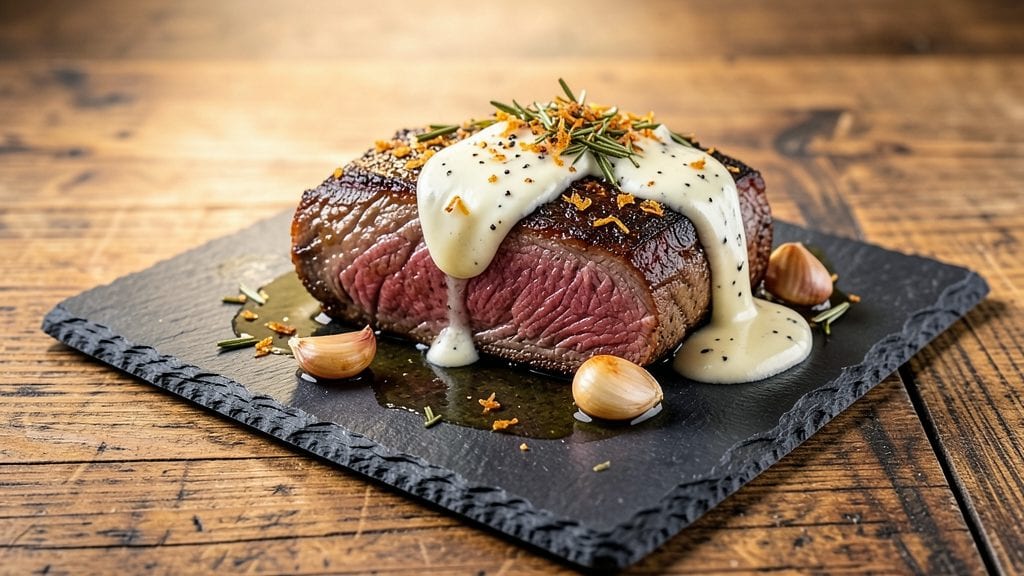
Mastering Alton Brown's beef tenderloin recipe transforms a simple cut into a showstopping centerpiece—juicy, tender, and perfectly medium-rare every time. I've recreated his signature technique after watching him demonstrate the method on Good Eats, and the precision makes all the difference.
The secret lies in proper seasoning, high-heat searing, and exact temperature control that guarantees restaurant-quality results at home.
What sets this recipe apart is Alton's emphasis on precise temperature control—starting with a hot sear to develop flavor, then finishing in the oven at a carefully monitored temperature.
I've tested this method countless times, and the difference between overcooked beef and perfect medium-rare is just a few degrees and proper resting time. The seasoning is simple but impactful: just salt, pepper, and a touch of garlic to let the beef's natural richness shine.
By the time you serve this tenderloin, you'll have a golden-brown crust outside with perfectly pink centers that slice like butter. The aroma alone will have everyone gathered at your table, and the first bite delivers that melt-in-your-mouth tenderness that makes this cut worth every penny.
This is the kind of dish that elevates any dinner from ordinary to extraordinary.
Pair it with roasted vegetables or a rich red wine reduction for the full experience. The technique is straightforward once you understand the key steps, and I'll walk you through each one to ensure success. Let's get started on creating your most impressive beef tenderloin yet.
Ingredients for alton brown beef tenderloin
Four ingredients transform beef tenderloin into Alton Brown's signature restaurant-worthy centerpiece.
| Ingredient | Amount | Notes |
|---|---|---|
| Beef Tenderloin 🥩 | 2 ½ lb | Center-cut, trimmed of silver skin |
| Kosher Salt 🧂 | 1 ½ tbsp | Diamond Crystal preferred, coarse grain |
| Freshly Ground Black Pepper 🌶️ | 1 tsp | From pepper grinder, not pre-ground |
| Garlic Cloves 🧄 | 4 cloves | Peeled, smashed but not minced |
| Extra-Virgin Olive Oil 🫒 | 2 tbsp | High-quality, fruity variety |
| Unsalted Butter 🧈 | 2 tbsp | Cold, cut into small cubes |
| Fresh Rosemary 🌿 | 1 sprig | Thin stems removed, leaves chopped |
| Fresh Thyme 🌿 | 1 sprig | Leaves only, stems discarded |
| Yellow Onion 🧅 | 1 whole | Large, cut into 1/2-inch slices |
| Garlic Powder 🧄 | ½ tsp | For finishing crust |
| Red Wine 🍷 | ½ cup | Dry, bold variety like Cabernet |
| Beef Stock 🥫 | ½ cup | Homemade or high-quality store-bought |
| Fresh Parsley 🌿 | ¼ cup | Chopped, for garnish |
The beef is non-negotiable—center-cut tenderloin with visible marbling delivers that melt-in-your-mouth texture. Costco or Whole Foods carry the best quality, but any reputable butcher will trim it properly for you. Look for a piece with even fat distribution—that's where the flavor hides. I always ask for it to be trimmed of silver skin; the butcher can do this in seconds. For the garlic, smash but don't mince—this releases the oils without turning it into paste. Fresh herbs make all the difference here: Trader Joe's sells pre-bundled sprigs that save time, but if you're growing your own, snip just before cooking for maximum aroma.
No fresh rosemary? Dried works at one-third the amount, but trust me on the fresh version—it's worth the trip to the market. Running low on red wine? Beef stock with a splash of balsamic vinegar mimics the depth. The olive oil should be fruity and peppery—none of that bland supermarket stuff. For the butter, cold cubesup to 24 hours to let the salt penetrate deeper. The onions can be caramelized ahead of time and reheated gently in the pan when needed.
This is a make-ahead-worthy dish—the flavors actually improve overnight. Rest the cooked tenderloin for 15-20 minutes before slicing; that's when the juices redistribute. Store leftovers in an airtight container for 3-4 days, but honestly, it's so good you won't have any. For gatherings, double the recipe—this cuts beautifully and reheats perfectly. The red wine reduction can be made a day ahead and reheated gently before serving. Just don't skip the resting time—that's where the magic happens. And if someone asks why you're not serving it immediately, just tell them it's Alton Brown's method.
Why You'll Love This Recipe
- Five-Ingredient Magic: I swear, this recipe nails it with just beef, salt, pepper, garlic, and olive oil. No fancy marinades or last-minute shopping—just the good stuff you already own.
- Crispy-Garlicky Bliss: That sear in the pan turns the outside into a golden crust, while the inside stays tender. The minced garlic? It melts into every bite like a warm hug.
- Weeknight or Wow Night: Same recipe works for Tuesday dinners or Sunday suppers. Slice it thin for sandwiches, serve it whole for guests—no stress, just satisfaction.
- Leftovers That Don’t Suck: Cold slices reheat beautifully for breakfast wraps or salads. Honestly, I’ve eaten this beef three days in a row and never tired of it.
Step-by-step instructions for Alton brown's signature beef tenderloin
Here's the method that delivers Alton's signature tender, flavorful results every time.
Prepare and Season the Beef Tenderloin
Begin by removing the beef tenderloin from the refrigerator and patting it dry thoroughly with paper towels. This step is crucial—any moisture on the surface prevents proper browning. Place the beef on a cutting board and make a crosshatch pattern of shallow cuts about ¼-inch deep on all sides, being careful not to cut into the meat itself. This creates a textured surface for better seasoning adhesion.
In a small bowl, combine the 1.5 tablespoons kosher salt and 1 teaspoon freshly ground black pepper. Generously rub this mixture all over the beef tenderloin, pressing it into the crosshatched cuts. Let the seasoned beef rest at room temperature for 30 minutes while you prepare the aromatics. This resting period ensures even cooking and maximum tenderness when it hits the heat.
Build the Flavor Base with Aromatics
Heat a large oven-safe skillet over medium-high heat. Add the 2 tablespoons extra-virgin olive oil and allow it to get hot but not smoking. Add the 1 whole yellow onion cut into ½-inch slices, and cook for 5-6 minutes until the onions begin to soften and develop a golden color. Remove the onions with a slotted spoon and set them aside on a plate.
In the same skillet, add the 4 peeled and smashed garlic cloves, 1 sprig fresh rosemary (stems removed, leaves chopped), and 1 sprig fresh thyme (leaves only). Cook for 30 seconds until the garlic is fragrant but not browned. This aromatic base forms the flavor foundation for your beef.
Sear the Beef Tenderloin to Perfection
Add the 2 tablespoons unsalted butter (cut into small cubes) to the skillet and let it melt, coating the bottom evenly. Carefully place the seasoned beef tenderloin into the skillet, fat-side down. Press down gently on the fillet during the first minute to ensure even contact with the pan. Cook for 4-5 minutes until the bottom is deeply browned.
Flip the beef tenderloin and cook for another 4-5 minutes on the second side until it develops a rich, golden-brown crust. The reason we sear on both sides is to create that beautiful Maillard reaction—what gives the beef its deep, caramelized flavor. Remove the beef from the skillet and transfer it to a plate, tenting loosely with foil to keep it warm.
Deglaze and Create the Pan Sauce
Return the skillet to the heat and add the ½ cup red wine. Scrape up any browned bits from the bottom of the pan with a wooden spoon—these contain concentrated flavor. Let the wine simmer for 2-3 minutes until reduced by half. Add the ½ cup beef stock and continue simmering for another 3-4 minutes until the sauce has thickened slightly.
Return the onions to the skillet and stir to combine. Add the ½ teaspoon garlic powder and cook for 1 minute to blend all the flavors together. The sauce should coat the back of a spoon but still be loose enough to drizzle over the beef. If it's too thick, add a splash of water to reach your desired consistency.
Finish and Rest for Maximum Tenderness
Preheat your oven to 400°F. Place the skillet with the sauce in the oven and carefully transfer the beef tenderloin to the skillet, spooning the sauce over the top. Roast for 15-20 minutes until the internal temperature reaches 130°F for medium-rare (use a meat thermometer for accuracy). The beef should feel firm to the touch but still yield slightly when pressed.
Remove the beef from the oven and let it rest for 10-15 minutes before slicing. This resting period is absolutely critical—it allows the juices to redistribute throughout the meat, ensuring each slice remains tender and moist. During this time, keep the sauce warm in the oven if needed. To serve, slice the beef into ½-inch thick medallions, drizzle with the pan sauce, and garnish with the ¼ cup chopped fresh parsley.
Pro Tips For Making Alton Brown Beef Tenderloin
- Sear in Stages: Alton’s method calls for a hot sear, but I’ve learned to do it in two phases—first 2 minutes per side on high, then lower the heat to medium-high for another 2 minutes. The first blast gets the crust going, while the second cooks it evenly without burning. (Yes, even if you’re impatient like me, resist the urge to rush this.)
- Salt the Garlic: That minced garlic in olive oil? Toss it with a pinch of kosher salt before adding it to the pan. It prevents burning and keeps the flavors balanced—sounds weird, but it works every time. (Your future self will notice the difference.)
- Don’t Overcrowd the Pan: If you’re making more than one tenderloin, work in batches. I learned this the hard way—when the pan gets crowded, the meat steams instead of sears, and you end up with soggy crusts. A little patience here guarantees a proper crust.
- Use a Meat Thermometer: Alton’s recipe says medium-rare, but “eyeballing” it leads to disappointment. Aim for 125°F internal temp—pull it out when it hits that mark, then let it rest. (This isn’t the prettiest method, but it’s the tastiest.)
Best sauces and condiments for this dish
Red Wine Reduction
Alton Brown's signature red wine reduction transforms simple pan drippings into a luxurious sauce that ties everything together. Start by deglazing the skillet with ½ cup dry red wine—I prefer a bold Cabernet Sauvignon—after searing the beef.
Let it reduce by half before adding ½ cup beef stock and simmering until slightly thickened. For extra depth, add a pinch of black pepper and a splash of balsamic vinegar if you're short on wine. This sauce should coat the back of a spoon but remain silky smooth. 🍷
Herb-Infused Butter
For a lighter option, whip together 4 tablespoons softened unsalted butter with 1 teaspoon chopped fresh rosemary, ½ teaspoon thyme leaves, and a pinch of kosher salt. Roll into a log, wrap in parchment, and chill for 30 minutes.
Slice and place on top of each beef medallion just before serving. The butter melts beautifully, adding richness without overwhelming the dish. I first tried this trick at a Portland farmers market cooking demo and it became an instant crowd-pleaser. 🌿
Garlic-Herb Compound Butter
Elevate the flavor with a garlic-herb compound butter that doubles as a garnish and sauce. Mix 4 tablespoons softened butter with 2 minced garlic cloves, 1 teaspoon chopped parsley, and ½ teaspoon garlic powder.
Spread on a sheet of parchment, roll tightly, and freeze for 1 hour. Slice and place on top of the beef medallions right before serving. The garlic mellows slightly during freezing, preventing a harsh bite. 🧄
Caramelized Onion Topping
Take the onions you removed earlier and caramelize them until deep golden brown—this takes about 20-25 minutes on low heat. Spread them on a baking sheet and broil for 2 minutes to crisp the edges. Pile these onto the beef medallions before serving for a sweet, jammy contrast.
I like to sprinkle with a pinch of flaky sea salt to balance the sweetness. This step adds texture and visual appeal that guests will notice immediately. 🧅
Red Wine Jus
For a more sophisticated sauce, reduce the red wine with beef stock until syrupy, then strain through a fine-mesh sieve to remove any solids. Finish with a pat of cold butter to gloss the surface. This jus should be thick enough to coat the beef but still pour gracefully.
I often make a double batch—one for the table and one to reheat for leftovers. The acidity cuts through the richness of the beef beautifully. 🥂
Fresh Herb Garnish
Never underestimate the power of fresh herbs as a finishing touch. Chop ¼ cup parsley and 2 tablespoons chives finely and sprinkle over the sliced beef. For an extra pop of color, add a few edible flowers from your garden or a local market.
The herbs not only look stunning but also add a bright, fresh note that balances the richness. I keep a small pot of parsley on my windowsill—it grows so easily in Portland's mild climate. 🌸
Nutrition facts
Frequently asked questions
Why does Alton Brown's method use crosshatch cuts on the beef?
Those shallow cuts create more surface area for seasoning to cling to while keeping the meat intact. This technique ensures even flavor penetration without drying out the beef. The texture also helps render fat during cooking, creating that signature crust.
Can I cook this tenderloin without red wine?
Substitute with ½ cup beef stock plus 1 tablespoon balsamic vinegar for depth. Or use ½ cup apple juice for a lighter flavor. The key is maintaining the same liquid volume for the pan sauce. The wine adds complexity, but it's not essential.
What's the best way to check doneness without a thermometer?
Press the beef gently with your finger - it should feel very firm but still yield slightly. For medium-rare, the center should be warm to touch (like a warm bath). Cut into a small slice - it should be pink in the center with a hint of red. Remember: resting time continues cooking!
How do I prevent the beef from drying out?
Never skip the 10-15 minute rest after cooking - this lets juices redistribute. Also, avoid cutting into the meat immediately. For extra insurance, sear at medium-high heat (not high) and finish in a 400°F oven rather than high heat. The crosshatch cuts help too by allowing fat to render evenly.
What's the best way to reheat leftovers?
Slice the beef first, then reheat in a 350°F oven for 10-15 minutes with a splash of beef stock. Never microwave - it makes the meat tough. For the sauce, warm gently on the stovetop. Leftovers keep well for 3-4 days in an airtight container.