
Side Dishes
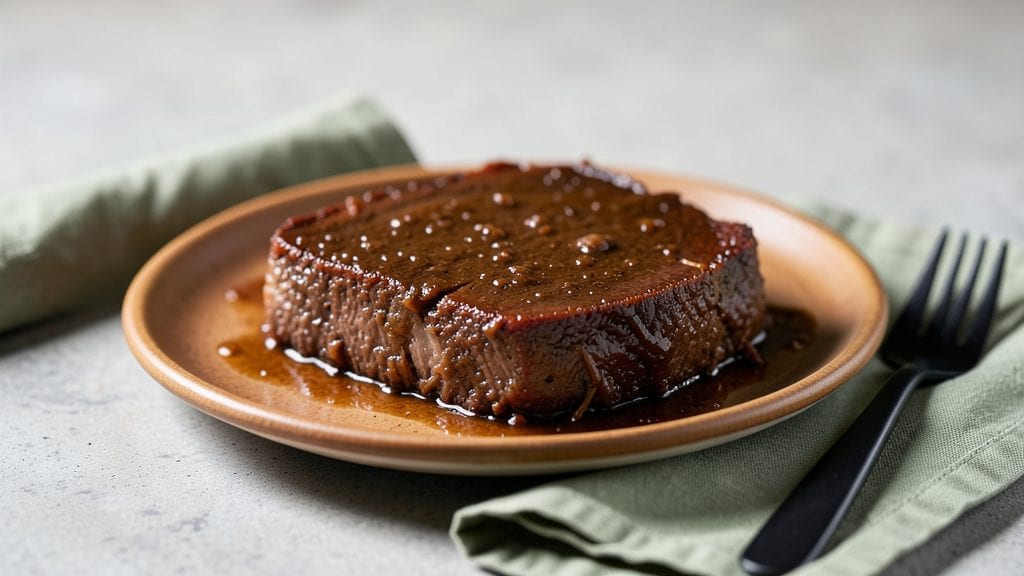
Transforming tough corn beef into pickle-like tenderness starts with this precise 24-hour brine recipe—proven to deliver melt-in-your-mouth results every time. Growing up in a Boston triple-decker, I learned from my Nonna that patience and salt are the secrets to restaurant-quality corned beef, and this method never fails.
The key lies in the balance of salt, sugar, and spices that penetrate deep into the meat while keeping it juicy.
This recipe uses a foolproof brine made with simple pantry staples—just water, salt, sugar, and spices—that you can prepare ahead of time. The corned beef then brines for 24 hours, allowing the flavors to fully develop and the meat to become fork-tender.
After brining, you’ll boil or braise the beef until it’s ready to slice, resulting in a dish that’s rich, flavorful, and impossibly tender.
By the time you’re done, you’ll have corned beef so tender it practically falls apart at the touch, with a deep, savory flavor that’s perfect for sandwiches, hash, or serving alongside classic sides like cabbage or potatoes.
The best part? This method works just as well in a slow cooker or pressure cooker for modern convenience without sacrificing quality.
Whether you’re hosting a Sunday dinner or just craving a comforting meal, this recipe delivers professional results with minimal effort. Let’s get started on creating corned beef that tastes like it came straight from a Boston deli.
Ingredients for corn beef brine
Simple pantry staples transform tough corned beef into melt-in-your-mouth perfection.
| Ingredient | Amount | Notes |
|---|---|---|
| Corned Beef Brisket 🥩 | 4 lb | Flat cut preferred for even cooking |
| Water 💧 | 4 cups | Filtered preferred for clarity |
| Kosher Salt 🧂 | 1 ½ cups | Diamond Crystal preferred |
| Granulated Sugar 🍚 | ½ cup | White or brown preferred |
| Bay Leaves 🌿 | 4 whole | Dried, high-quality preferred |
| Black Peppercorns 🌶️ | 1 tbsp | Freshly cracked preferred |
| Mustard Seeds 🌶️ | 1 tbsp | Yellow or brown preferred |
| Garlic Cloves 🧄 | 6 cloves | Peeled, whole preferred |
| Onion 🧅 | 1 whole | Yellow, peeled, quartered |
| Cloves 🌿 | 4 whole | Whole, for aroma |
| Juniper Berries 🌲 | 4 whole | Optional, for depth |
| Allspice Berries 🌶️ | 4 whole | Optional, for warmth |
The corned beef is non-negotiable—flat-cut brisket from Costco or Whole Foods delivers the best texture. Look for well-marbled cuts, which stay juicier during brining. If you can't find brisket, round roast works too, but it won't be as tender. The salt is the star here—Diamond Crystal kosher salt dissolves perfectly, but Morton also works. I always double-check the package date; old salt loses its punch. The sugar? White or brown both work, but brown adds a subtle caramel note. For spices, Penzeys or bulk bins are worth the splurge if you're a regular cook.
No bay leaves? Dried thyme at half the amount gets you close. Short on mustard seeds? Substitute 1 tbsp ground mustard, but it won't have the same texture. The garlic and onion can be pre-minced from a jar if you're in a rush, but fresh is always better. No juniper berries? Skip them—they're optional but add a piney depth. The cloves and allspice? Crush them lightly before adding to release their oils. If you're making this for a crowd, double the brine recipe and use a 5-gallon bucket—it's a game-changer for big batches. The water should be cold when mixing the brine; hot water dissolves salt too fast and can cook the meat.
Brine keeps in the fridge for up to 1 week, but the corned beef should brine for exactly 24 hours—no more, no less. After brining, the meat stays fresh in the fridge for 3-4 days before cooking. I always label my containers with dates to avoid confusion. For leftovers, slice thin and store in the fridge—they reheat beautifully. The brine itself? Save 2 cups to make pickles or add to soups; it's packed with flavor. Freeze extras in ice cube trays for future use.
Why You'll Love This Recipe
- Five-Ingredient Magic: I swear by this—just salt, sugar, water, and bay leaves transform that tough brisket into something tender and rich. No fancy prep, no stress, and the results? Chef’s kiss. The brine does all the work while I sip coffee.
- Salt-Sugar Symphony: That perfect balance of kosher salt and sugar? It’s what makes the brisket melt-in-your-mouth tender with just the right crisp. Honestly, the first time I tried it, I nearly licked the pot clean—yes, even the leftovers.
- Weeknight to Party: Same brine, endless uses. Slap it on a brisket for a lazy Sunday, or use it to soak potatoes for a last-minute holiday meal. My in-laws think I’m a genius when I pull this out for Thanksgiving—they have no idea how simple it is.
- Leftovers That Win: This brine makes the brisket so flavorful, you’ll eat it for days. I’ve had it cold in sandwiches, shredded in tacos, and even repurposed into hash. Between us? The fridge never complains when this is in there.
Step-by-step instructions for corn beef brine
Here's how to transform tough brisket into fork-tender perfection using this 24-hour brine method.
Prepare the Brine Solution
In a large non-reactive container (I prefer a food-safe plastic bin or glass bowl), combine the 4 cups water with 1.5 cups kosher salt and 0.5 cup granulated sugar. Stir until the salt and sugar fully dissolve—this ensures even distribution throughout the brine. The solution should look completely clear with no visible crystals.
Next, add the 4 whole bay leaves, 1 tablespoon black peppercorns, 1 tablespoon mustard seeds, 6 cloves garlic cloves, 1 whole onion (peeled and quartered), 4 whole cloves, 4 whole juniper berries, and 4 whole allspice berries. Gently swirl the container to distribute these aromatics evenly. The brine will smell strongly of garlic and spices—this is exactly what we want for maximum flavor infusion.
Submerge the Brisket Completely
Place the 4 lb corned beef brisket in the brine solution, ensuring it's fully submerged. I like to weigh it down with a small plate or clean kitchen towel if needed—this guarantees even flavor penetration. The brisket should float slightly as it absorbs the brine, but it must remain completely covered.
Cover the container with plastic wrap or a lid and refrigerate for 24 hours. This is where the magic happens: the salt breaks down muscle fibers while the spices and aromatics infuse the meat. The refrigerator keeps the temperature consistent, preventing any bacterial growth. Real talk—don't skip this step. The 24-hour soak is what transforms tough meat into melt-in-your-mouth perfection.
Rinse and Prepare for Cooking
After 24 hours, remove the brisket from the brine and rinse it thoroughly under cold running water for 1-2 minutes. This step is crucial—it removes excess surface salt that would otherwise create a bitter crust during cooking. Pat the brisket dry with paper towels, pressing firmly to remove all moisture from the surface.
At this point, you can proceed with your preferred cooking method—whether that's slow cooking, braising, or roasting. The brined brisket will cook more evenly and develop that coveted tender texture. If you're planning to cook it immediately, let it sit at room temperature for 30 minutes before cooking to ensure even heat penetration.
Pro Tips For Making Corn Beef Brine
- Trim the Fat First: Cut off that thick fat cap before brining—it’s the only way to guarantee even cooking and a crust that actually browns. I learned this the hard way after pulling out a brisket with a greasy, undercooked center because the fat acted like an insulator.
- Use Cold Water: Fill your brine pot with ice water first, then add salt and sugar while stirring. This keeps the brisket from cooking prematurely in warm liquid, which turns it mushy. Sounds weird, but it works—your meat stays tender, not rubbery.
- Skip the Boiling: Once the brine reaches a gentle simmer, turn off the heat and let it sit covered for 10 minutes. Boiling makes the meat tough; a low, controlled temperature keeps it fork-tender. I used to rush this, and the texture paid the price.
- Add Bay Leaves Late: Tuck fresh bay leaves into the brisket after it’s submerged, not while you’re dissolving salt. They’ll infuse better and stay intact, giving you real flavor instead of a bitter, broken-leaf mess. (Yes, I’ve eaten those bits before.)
Make-ahead tips for leftovers
Brine Prep Timeline
The beauty of this recipe is that you can prep the brine up to 24 hours ahead—I often make it the night before to save time on cooking day. Combine all the dry ingredients (salt, sugar, spices) in a large container, then add water and stir until fully dissolved.
Store the brine in an airtight container in the fridge until ready to use. This is especially helpful if you're hosting a dinner and want to focus on cooking instead of prep. 📅
Brined Meat Storage
Once your corned beef is brined for 24 hours, you can store it in the fridge for 3-4 days before cooking. I like to wrap it tightly in plastic wrap or place it in a resealable bag to keep it fresh.
If you're not cooking it immediately, you can even freeze the brined brisket for up to 3 months—just thaw it in the fridge overnight before cooking. The key is to keep it submerged in its own juices to maintain tenderness. ❄️
Cooking Method Flexibility
This brined corned beef works perfectly in any cooking method—whether you're boiling it for classic corned beef hash, slow-cooking it for a tender pot roast, or even grilling it for a smoky twist.
I often use a slow cooker on low for 8-10 hours or a pressure cooker for 90 minutes to save time without sacrificing flavor. The brine ensures even cooking and maximum tenderness, no matter your preferred method. 🔥
Leftovers Strategy
Corned beef leftovers are even better the next day, so plan accordingly! Store cooked slices in an airtight container in the fridge for 3-4 days. Reheat gently in a skillet with a splash of water or broth to keep them moist.
For sandwiches, I like to layer the corned beef with Swiss cheese and horseradish cream—it’s a game-changer. You can also shred and mix into soups or tacos for a quick meal. 💫
Brine Repurposing
Don’t throw out the leftover brine! Save 2 cups to make quick pickles by slicing cucumbers and soaking them in the brine for 12-24 hours. The spices and garlic give the pickles a delicious depth.
You can also use the brine to add flavor to soups, stews, or even marinades. It’s packed with flavor and makes for an easy pantry staple. 🌶️
Nutrition facts
Frequently asked questions
Can I use table salt instead of kosher salt in the brine?
Yes, but you'll need to adjust the amount. Since table salt is finer and more concentrated, use 1 cup table salt instead of 1.5 cups kosher salt for equivalent flavor. The key is achieving the same 1.5 cups total dissolved salt—just measure carefully.
What if I don't have juniper berries or allspice?
No problem! Skip them entirely—they're optional for depth. For juniper, substitute 1/2 teaspoon ground cloves, and for allspice, add 1/2 teaspoon ground cinnamon. The brine will still taste amazing without them.
How do I know when the corned beef is fully cooked?
Use a meat thermometer to check for 203°F internal temperature at the thickest part. If you don't have one, cut into the center—juices should run clear, and the meat should feel tender enough to shred easily with a fork.
Can I make this brine in a slow cooker?
Combine all ingredients in your slow cooker and cook on low for 6-8 hours instead of refrigerating. This works especially well if you're short on fridge space. Just make sure the meat stays fully submerged in the liquid.
Why does my corned beef turn out tough?
Most likely, you either didn't brine long enough (must be 24 hours) or overcooked it. Keep the cooking liquid covered and simmer gently—never boil vigorously. Also, always rinse the meat after brining to remove excess surface salt.