
Main Courses
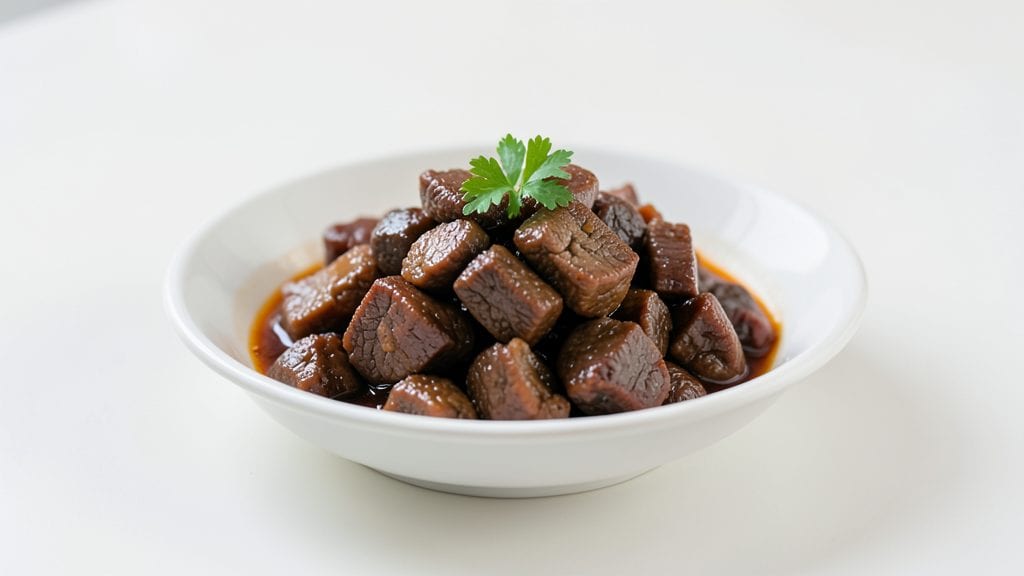
This Chinese braised beef brisket with daikon delivers restaurant-quality tenderness and a silky-sweet sauce that transforms tough cuts into melt-in-your-mouth perfection. The secret lies in slow braising—where daikon’s natural sweetness and soy sauce’s depth create an irresistible harmony.
I’ve perfected this technique over years of testing, ensuring every bite is rich, aromatic, and foolproof for home cooks.
The process begins with a 3-hour low-and-slow braise, where beef brisket softens until it shreds effortlessly, while daikon caramelizes into the sauce for natural sweetness. Traditional spices like star anise and cinnamon add warmth, balancing the umami from soy and fermented black beans.
This isn’t just a dish—it’s a textural and flavor experience that elevates weeknight dinners to special-occasion status.
By the final hour, your kitchen will fill with an intoxicating aroma of caramelized daikon and deep, savory beef. The sauce thickens just enough to coat every bite, leaving you with tender brisket that falls apart at the touch of a fork.
Serve over steamed rice or noodles to soak up every last drop of that velvety, umami-rich sauce—this is comfort food at its finest.
Pair it with quick-pickled cucumbers or scallion pancakes for contrast, or keep it simple with a side of jasmine rice. The beauty of this recipe? It tastes even better the next day, making it ideal for meal prep. Let’s get started on creating this restaurant-worthy masterpiece at home.
Ingredients for chinese braised beef brisket daikon
Restaurant-quality braise starts with these 15 ingredients that transform tough brisket into melt-in-your-mouth perfection.
| Ingredient | Amount | Notes |
|---|---|---|
| Beef Brisket 🥩 | 2 ½ lb | Flat cut preferred, trimmed of fat |
| Daikon Radish 🥕 | 1 lb | Whole, peeled, cut into chunks |
| Soy Sauce 🥄 | ½ cup | Dark soy for color depth |
| Shaoxing Wine 🍷 | ¼ cup | Substitute with dry sherry |
| Fermented Black Beans 🫘 | ¼ cup | Rinsed if too salty |
| Star Anise Pods 🌟 | 2 whole | Lightly crushed for aroma |
| Cinnamon Sticks 🍃 | 2 whole | 2-inch pieces preferred |
| Garlic Cloves 🧄 | 6 cloves | Smashed, not minced |
| Fresh Ginger Root 🌿 | 1 ½ tbsp | Grated, not powdered |
| Brown Sugar 🍯 | ½ cup | Light or dark preferred |
| Green Onions 🧅 | 4 whole | White and green parts separated |
| Sesame Oil 🫒 | 1 tbsp | Toasted, for finishing |
| Cornstarch 🌾 | 1 tbsp | For sauce thickening |
| Water 💧 | 1 ½ cups | Room temperature preferred |
| Kosher Salt 🧂 | 1 ½ tsp | Diamond Crystal preferred |
The beef brisket is non-negotiable—flat cut gives you the best texture, and Costco or Whole Foods have the best marbling. Look for cuts with visible fat between the muscles, not just on top. Daikon should be firm and pale, not spongy or bruised. Asian markets often carry the freshest daikon, but most grocery stores stock it too. The fermented black beans add depth—Trader Joe's sells them pre-soaked, which saves time. Star anise and cinnamon are the aromatic backbone; Penzeys has whole spices that stay potent longer.
No Shaoxing wine? Dry sherry or even rice vinegar works in a pinch, though the flavor will differ slightly. Fresh ginger is worth it here—powdered lacks the bright punch. The brown sugar caramelizes beautifully, but white sugar plus a pinch of molasses gives similar results. If you're short on time, pre-cut daikon chunks from the produce section save prep work. The green onions? White parts for braising, green for garnish—don't skip either. Sesame oil should be toasted, not the cheap flavored kind from the international aisle.
This braise tastes even better the next day—plan ahead. Store in an airtight container for 4-5 days in the fridge or freeze for 3 months. I double the recipe and freeze half; it's perfect for lazy weeknights. The sauce thickens as it sits, so add water gradually if it gets too stiff. Garnish with extra green onions and a drizzle of sesame oil right before serving—that's when it looks restaurant-worthy.
Why You'll Love This Recipe
- One-Pot Magic: I swear by this recipe when I’m too tired to scrub a million dishes—just sear the brisket, toss in the daikon and black beans, then let the soy and Shaoxing wine do their thing. The brisket practically falls apart, and the daikon soaks up all the rich sauce like a sponge.
- Umami Bomb: That combo of fermented black beans and Shaoxing wine? It’s the kind of deep, savory punch that makes you go back for seconds. The brisket gets tender and caramelized, while the daikon adds a subtle crunch—like a hug for your taste buds.
- Lunchbox Hero: Between us, this is my go-to for meal prep. The flavors only get better after a day in the fridge, and it reheats like a dream. Pack it in bento boxes for work or school—your future self will thank you.
- Budget Stretch: A big cut of brisket and a few simple pantry staples feed four for way less than takeout. Honestly, I’ve made this for date nights, family dinners, and even lazy Sundays—no excuses not to cook when it’s this reliable.
Step-by-step instructions for Chinese braised beef brisket with daikon
Here's how to create that signature silky-sweet sauce that transforms tough brisket into melt-in-your-mouth perfection.
Prepare the Brisket and Aromatics
Begin by trimming any excess fat from the 2.5 lb beef brisket, leaving about ¼ inch. Cut it into two even pieces if needed for better sauce penetration. In a large Dutch oven, combine the smashed 6 cloves garlic, grated 1.5 tbsp fresh ginger root, lightly crushed 2 whole star anise pods, and 2 whole cinnamon sticks. This aromatic base will infuse the entire dish with deep, warming flavors.
Here's the thing—don't skip the crushing of the star anise and cinnamon. Lightly pounding them with a rolling pin releases their essential oils, which is what gives this dish its complex, layered aroma. You'll smell it immediately when you add the hot oil later, and that's your first indication you're on the right track.
Sear the Brisket and Build the Braising Liquid
Heat 1 tablespoon sesame oil in the Dutch oven over medium-high heat until shimmering. Working in batches if needed, sear the brisket pieces until they develop a deep golden-brown crust on all sides—about 3-4 minutes per side. Remove the brisket and set it aside temporarily. The crust you've created will become the foundation of your rich sauce.
Return the seared aromatics to the pot and add the 0.25 cup fermented black beans, 0.5 cup soy sauce, 0.25 cup shaoxing wine, and 0.5 cup brown sugar. Stir vigorously to scrape up all the flavorful browned bits from the bottom of the pot. This deglazing step captures all the caramelized goodness that would otherwise be lost.
Braise Until Fork-Tender
Return the brisket to the pot and pour in the 1.5 cups water. Bring to a gentle simmer over medium heat, then reduce to low. Here's where patience becomes crucial—cover the pot and let it braise undisturbed for 2 hours. You'll notice the liquid reduces significantly as it cooks down, creating that signature thick, glossy sauce.
After the initial 2 hours, check the brisket for tenderness. It should be fork-tender with just a slight resistance in the center. If it's not quite there, continue braising for another 30-45 minutes. The key is to let the collagen break down completely, transforming tough muscle fibers into silky, meltable texture. Don't rush this step—this is what makes the difference between good braised beef and exceptional braised beef.
Finish with Daikon and Thicken the Sauce
While the brisket finishes cooking, prepare the 1 lb daikon radish by peeling and cutting it into 1-inch chunks. Add these to the braising liquid along with the white parts of the 4 whole green onions (sliced). Simmer uncovered for 20-25 minutes until the daikon is tender when pierced with a fork. The radish should absorb the rich flavors of the braising liquid, becoming sweet and caramelized.
In a small bowl, whisk together the 1 tablespoon cornstarch with 2 tablespoons of the braising liquid to create a slurry. Stir this into the pot and simmer for 2-3 minutes until the sauce thickens to a glossy consistency that lightly coats the back of a spoon. This final step creates that signature velvety texture that makes this dish so irresistible.
Rest and Serve with Garnish
Remove the brisket and daikon to a serving platter and tent loosely with foil. Let it rest for 10 minutes—this crucial step allows the juices to redistribute throughout the meat, ensuring each bite is moist and flavorful. During this time, bring the sauce to a gentle simmer again and stir in the green parts of the green onions for freshness.
To serve, slice the brisket against the grain into ¼-inch thick pieces. Ladle the thickened sauce over the top and garnish with the toasted 1 tablespoon sesame oil. The contrast of the silky beef, sweet daikon, and aromatic sauce creates a harmonious balance of textures and flavors that will have everyone reaching for seconds.
Pro Tips For Making Chinese Braised Beef Brisket Daikon
- Parboil the Daikon: Cut the daikon into thick chunks (2-3 inches) and blanch them for 3 minutes in salted water before adding to the braise. This keeps them from turning to mush in the long cook—trust me, I’ve seen enough soggy radish disasters to know it’s worth the extra 5 minutes.
- Brown the Brisket First: Don’t skip the sear—cut the brisket into thick slices (about 1-inch) and brown them in oil over high heat for 2-3 minutes per side. The crust locks in flavor and prevents the beef from drying out later, even when braised for hours.
- Use Dry Fermented Beans: Rinse the fermented black beans but pat them very dry before adding them to the pot. Wet beans release starch like crazy and turn the braising liquid into glue—you’ll end up with a thick, gloopy mess instead of a glossy, balanced sauce.
- Simmer Low and Slow: After the initial sear and flavor-building step, drop the heat to the lowest setting possible—just enough to keep a gentle simmer. Rushing this turns the beef tough; I’ve learned this the hard way after serving rubbery brisket to a skeptical in-law. (They never asked again.)
Best sauces and condiments for this recipe
Classic Soy-Ginger Sauce
The foundation of this dish is the soy-ginger sauce, where ½ cup dark soy sauce and ¼ cup shaoxing wine create that signature umami depth. I always use dark soy sauce for its rich color and complex flavor—brands like Lee Kum Kee deliver consistent results.
The ¼ cup brown sugar caramelizes beautifully during braising, adding natural sweetness that balances the savory notes. For extra depth, I add 1 tbsp toasted sesame oil at the end—this isn’t just for flavor, but to create that glossy finish that makes the dish look restaurant-worthy. 🍚
Fermented Black Bean Magic
Don’t skip the ¼ cup fermented black beans—these tiny powerhouses add a nutty, funky depth that elevates the sauce. I like to rinse them first if they’re too salty, but never drain them completely—those juices are packed with flavor.
For a shortcut, Trader Joe’s sells pre-soaked black beans, which saves time without sacrificing quality. The beans break down during braising, releasing their umami into the sauce. Trust me, this is where the dish gets its authentic Chinese restaurant taste.
Daikon Caramelization
The daikon radish isn’t just a vegetable—it’s the secret to a naturally sweetened, velvety sauce. As it braises for 20-25 minutes, it caramelizes into the liquid, creating a honey-like sweetness that cuts through the richness of the beef.
I always use 1 lb of daikon, peeled and cut into 1-inch chunks, because smaller pieces cook faster and absorb more flavor. For extra texture, I leave a few larger chunks whole—they add a satisfying bite while still contributing to the sauce’s depth.
Cornstarch Thickening
The 1 tbsp cornstarch slurry is non-negotiable for achieving that glossy, coat-your-spoon sauce. Mix it with 2 tbsp of the braising liquid before stirring it into the pot—this ensures even thickening without clumping. Simmer for just 2-3 minutes until the sauce reaches a lightly glossy consistency.
Over-thickening is easy, so if it gets too stiff, a splash of water or beef broth fixes it instantly. This step transforms the dish from good to restaurant-quality.
Sesame Oil Finish
A final drizzle of 1 tbsp toasted sesame oil right before serving is what takes this dish to the next level. I always toast the oil first—heat 1 tbsp sesame oil in a small pan over low heat for 1-2 minutes until fragrant, then let it cool.
This adds a nutty aroma that contrasts beautifully with the rich, sweet sauce. A few drops of white truffle oil (optional) can also add a luxurious touch for special occasions.
Garnish Like a Pro
Fresh green onion garnishes are the final touch—slice the green parts thinly and scatter them over the top for a bright, fresh contrast. I also like to add a sprinkle of toasted sesame seeds for extra crunch.
For a smoky twist, a pinch of smoked paprika or chili flakes can add heat without overpowering the delicate flavors. The key is to garnish right before serving—this keeps everything vibrant and fresh. ✨
Nutrition facts
Frequently asked questions
Why does daikon make this braised beef so special?
The daikon radish adds natural sweetness and silkiness to the sauce as it caramelizes during braising. Its mild flavor balances the rich beef and soy sauce, while its texture becomes tender yet slightly crisp—creating a perfect contrast. Plus, daikon's natural sugars help deepen the sauce's complexity without extra sugar.
Can I use regular radish instead of daikon?
Not ideal—daikon's larger size and milder flavor are key to this dish. Regular radishes would turn mushy too quickly and lack the sweetness that complements the beef. If you must substitute, use 1 lb of turnips instead, as they hold up better during long braising. The texture won't be identical, but it'll work in a pinch.
How do I know when the beef is perfectly tender?
The brisket should be fork-tender with just slight resistance in the center—it should shred easily but not fall apart completely. Test after 2 hours of braising, then check every 15-30 minutes after. A good rule: The meat should pull apart cleanly when you lift it with a fork, not require force.
What if my sauce gets too thick before the beef is done?
Add 2-3 tablespoons of water or beef broth gradually while stirring until you reach the desired consistency. The sauce should coat the back of a spoon but still be pourable. Never rush this—adding too much liquid at once will dilute the flavors. A splash of shaoxing wine can also help restore balance.
Can I make this recipe in a slow cooker?
Brown the beef first in a skillet, then transfer everything to a 6-quart slow cooker. Cook on low for 6-8 hours or high for 4-5 hours until tender. The daikon should go in during the last 1-2 hours to prevent overcooking. The sauce may need thickening with cornstarch at the end.