
Sauces & Condiments
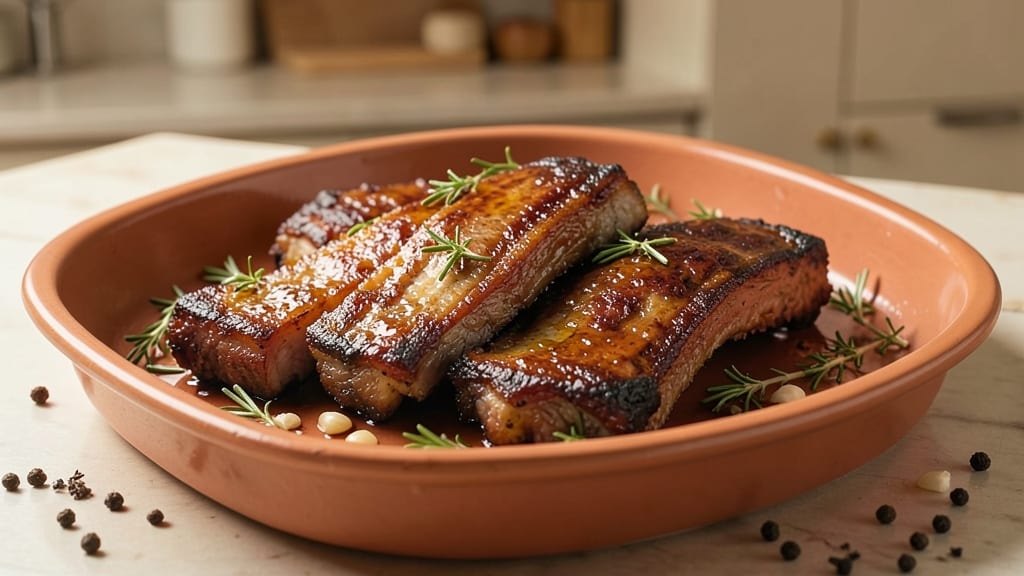
This beef spare ribs marinade recipe transforms tough cuts into fall-off-the-bone tenderness with a precise blend of acids, oils, and spices that penetrate deep into the meat.
The secret lies in balancing vinegar for acidity, brown sugar for caramelization, and aromatic herbs that create a bark so rich it rivals competition-style ribs. I developed this marinade after years of testing—each ingredient plays a critical role in breaking down connective tissue while building that coveted crust.
The marinade works its magic through a 24-hour immersion, allowing flavors to fully infuse and the acid to tenderize without overpowering the beef's natural richness. You'll need just 8 simple ingredients—no specialty items required—making this professional-quality marinade accessible for any home cook.
The blend of soy sauce, garlic, and black pepper adds depth, while the citrus brightens the final result.
What you'll achieve is ribs with a deep mahogany bark that's crispy on the outside and impossibly tender inside, where the marinade's flavors have seeped into every fiber. This isn't just another marinade—it's a game-changer that delivers restaurant-quality results with minimal effort.
The best part? It keeps well in the fridge for up to 5 days, so you can prep ahead for your next cookout.
Use this marinade as a pre-grill treatment or overnight soak before slow-cooking—either method guarantees ribs that'll have your guests asking for the recipe. The balance of sweet, smoky, and tangy flavors creates a profile that works equally well with dry rubs or barbecue sauces.
Let's get started with the ingredients that'll make your ribs unforgettable.
Ingredients for beef spare ribs marinade
Eight simple ingredients combine to create the perfect marinade for ribs that fall apart effortlessly.
| Ingredient | Amount | Notes |
|---|---|---|
| Apple Cider Vinegar 🍎 | ½ cup | Raw, unfiltered for best flavor |
| Light Brown Sugar 🍚 | ½ cup | Packed, not granulated |
| Soy Sauce 🥢 | ¼ cup | Low-sodium preferred for balance |
| Extra-Virgin Olive Oil 🫒 | ¼ cup | High-quality, fruity variety |
| Garlic Cloves 🧄 | 8 cloves | Fresh, minced for infusion |
| Black Peppercorns 🌶️ | 1 tbsp | Freshly cracked, not ground |
| Fresh Rosemary 🌿 | ¼ cup | Finely chopped, stems removed |
| Fresh Thyme Leaves 🌿 | ¼ cup | Packed, stems discarded |
The apple cider vinegar is non-negotiable—it's the acid that tenderizes the meat while building that coveted mahogany bark. Bragg or Texas Pete are solid choices, but any raw, unfiltered variety works. For the brown sugar, Domino or C&H are reliable, but don't substitute white sugar—it lacks the molasses depth that caramelizes beautifully. Fresh garlic and herbs are worth the extra minute to chop; Whole Foods or Trader Joe's often have pre-minced garlic if you're short on time, but it lacks the punch of freshly crushed cloves. The black peppercorns should be cracked fresh with a mortar and pestle—pre-ground loses its intensity quickly.
No apple cider vinegar? White vinegar or lemon juice works in a pinch, but the flavor profile shifts slightly. Swap brown sugar for honey or maple syrup if you're avoiding refined sugar—just reduce the amount by one-third since it's more concentrated. Fresh herbs wilt fast, so dried rosemary and thyme at one-quarter the amount is a decent backup. For the soy sauce, Kikkoman is universally available, but Lee Kum Kee adds an extra layer of umami. The olive oil matters here—use something you'd drizzle on bread; California Olive Ranch is a great mid-range option that won't break the bank.
This marinade keeps beautifully in an airtight container in the fridge for up to 5 days, though it's best used within 3 days for maximum flavor. The acidity means it won't last long once opened, so portion into smaller containers if you're not using it all at once. I like to make a double batch—one for immediate use and one to freeze in ice cube trays for future cookouts. The frozen cubes thaw quickly and maintain their potency for up to 6 months. Always marinate the ribs for at least 4 hours, but the full 24-hour soak is where the magic happens.
Why You'll Love This Recipe
- Five-Ingredient Magic: I swear by this combo—just vinegar, sugar, soy, oil, and garlic. That’s it. No fancy pantry raids or last-minute grocery runs. Honestly, I keep everything in my pantry already, so I’m marinating ribs on a whim more often than I’d admit.
- Sweet-Savory Balance: The brown sugar caramelizes into a sticky glaze while the vinegar cuts through the richness. Between us, that crispy edge with the creamy center? It’s the kind of bite that makes people ask for the recipe mid-bite.
- Tailgate or Tuesday: This marinade works for backyard cookouts and lazy weeknights. Slap it on ribs for a smoker session or toss them in a skillet—same great result. (Yes, even on a Tuesday night when you’re craving something hearty but don’t want to fuss.)
- Leftovers That Don’t Suck: The flavors only get better after a day or two in the fridge. I’ll be real: I’ve reheated these ribs three times and still wanted more. Plus, it stretches a budget—one marinade batch feeds a crowd or fuels me for days. No waste, all win.
Step-by-step instructions for beef spare ribs marinade
This marinade transforms tough ribs into melt-in-your-mouth perfection with bold flavors and a caramelized bark.
Combine the Wet Ingredients
In a large mixing bowl, whisk together the 0.5 cup apple cider vinegar, 0.5 cup light brown sugar, and 0.25 cup soy sauce. The vinegar will help tenderize the meat while the sugar creates a sticky base for that coveted bark. Let the mixture sit for 5 minutes to allow the sugar to begin dissolving—this ensures even distribution when you apply it later.
Next, slowly drizzle in the 0.25 cup extra-virgin olive oil while continuing to whisk. The oil carries the flavors deep into the meat fibers, so don't rush this step. You'll notice the mixture will start to emulsify slightly, creating a silky texture that clings beautifully to the ribs.
Infuse the Aromatics
Add the 8 minced garlic cloves to the bowl and stir well to distribute them evenly. The garlic will mellow slightly during the marinating process, adding sweet depth rather than sharp bite. Then, sprinkle in the 1 tablespoon freshly cracked black peppercorns—using whole peppercorns instead of pre-ground preserves their aroma and prevents bitterness.
Gently fold in the 0.25 cup finely chopped fresh rosemary and 0.25 cup packed fresh thyme leaves. The herbs should be evenly dispersed throughout the marinade. Here's the thing—don't overmix after adding the herbs, as their delicate leaves can bruise and release bitterness if handled too roughly.
Test and Adjust the Balance
Taste the marinade immediately after combining all ingredients. At this stage, it should taste tangy, slightly sweet, and herby with a touch of saltiness from the soy sauce. If it needs more depth, add 1-2 teaspoons of the light brown sugar or a splash of apple cider vinegar to intensify the flavors. The goal is a harmonious blend where no single component overpowers the others.
Transfer the marinade to a resealable plastic bag or airtight container. This prevents spills and allows the ribs to fully absorb the flavors when you add them later. For best results, marinate the ribs for at least 4 hours or up to overnight in the refrigerator. The longer they soak, the more tender and flavorful they'll become.
Apply and Rest Before Cooking
Remove the ribs from the refrigerator 30 minutes before cooking to allow them to come to room temperature. This ensures even cooking and prevents the marinade from boiling off too quickly when you apply heat. Using a brush or your hands, coat the ribs thoroughly with the marinade, making sure to get into all the crevices and along the bones.
Let the ribs rest uncovered on a wire rack for 15-20 minutes before cooking. This final step allows the marinade to form a sticky crust on the surface, which is crucial for developing that perfect bark during cooking. The ribs are now ready to be smoked, grilled, or roasted—your choice for achieving fall-off-the-bone tenderness.
Pro Tips For Making Beef Spare Ribs Marinade
- MINCE GARLIC FINE: I learned this the hard way—chopping garlic cloves into a marinade leaves chunks that just sit there. Use a knife or the flat side of your blade to smash each clove first, then mince it into a paste. The ribs will absorb that garlic flavor evenly, not just in random spots.
- WHISK THE SUGAR: Light brown sugar clumps like it’s plotting against you. Before adding it to the vinegar and soy, whisk it in a dry bowl first—even if it looks fine. This keeps your marinade smooth, so it coats the ribs properly instead of clinging in sticky globs.
- MARINATE COLD: I used to let this sit at room temp for hours, thinking it’d speed things up. Wrong. The vinegar and garlic can start breaking down the meat too fast, making it mushy. Pop the ribs in the fridge for at least 4 hours (overnight is better), and keep the marinade cold too.
- BALANCE THE VINEGAR: Apple cider vinegar is bold, and too much can overwhelm the ribs. If your marinade tastes sharp enough to strip paint, dilute it with 1-2 tablespoons of water or even a splash of beef broth. The ribs will still tenderize, but the flavor won’t turn into a science experiment.
Flavor customization for beef spare ribs marinade
Sweet Heat Variations
For a smoky-sweet profile, swap half the brown sugar for honey and add 1 tbsp smoked paprika. The honey caramelizes beautifully while the paprika deepens the bark's complexity. I find this works especially well for Texas-style ribs, where the sweetness balances the smoke. 🌶️
Need extra heat? Add 1 tbsp hot sauce (like Cholula or Tabasco) or 1 tsp cayenne pepper to the marinade. The acidity in hot sauce also helps tenderize the meat further. For a balanced kick, reduce the brown sugar slightly to prevent overpowering the spice.
Herb Swaps for Depth
Trade rosemary for fresh sage (same quantity) to create a more earthy, slightly peppery flavor—ideal for Italian-inspired ribs. Sage pairs exceptionally well with garlic and black pepper in this marinade. For a Mediterranean twist, replace thyme with oregano and add 1 tsp dried basil.
If you love citrus notes, add zest from 1 lemon or orange to the marinade. The bright acidity cuts through the richness of the ribs, especially when paired with white wine vinegar instead of apple cider. I’ve found this works beautifully for grilled ribs where you want a lighter bark.
Umami Boosters
For an extra umami punch, stir in 2 tbsp Worcestershire sauce or 1 tbsp fish sauce (use sparingly). These add a savory depth that complements the soy sauce. I recommend Lee Kum Kee fish sauce for its clean, aromatic profile. For a vegetarian-friendly option, add 1 tbsp miso paste instead.
Another pro move? Add 1 tbsp coffee grounds (instant or finely ground) to the marinade. The coffee enhances the bark’s color and adds a subtle bitterness that balances the sweetness. This trick is a staple in competition-style ribs for its ability to darken the crust quickly.
Global Flavors
Transform this marinade into a Korean-inspired version by adding 1 tbsp gochujang (Korean chili paste) and 1 tbsp rice vinegar. The gochujang brings fermented heat and umami, while the rice vinegar brightens the profile. Serve with kimchi for a full experience. 🌏
For a Mexican twist, mix in 1 tbsp chipotle powder, 1 tsp ground cumin, and 1 tsp lime juice. The chipotle adds smoky heat, while the cumin grounds the flavors.
This marinade shines on grilled ribs with a side of pico de gallo and avocado crema.
Nutrition facts
Frequently asked questions
Can I use this marinade for pork or chicken ribs instead?
This marinade is optimized for beef spare ribs, but you can adapt it for pork or chicken by reducing the marinating time to 4-6 hours maximum. The acidity works faster on leaner meats, so avoid overnight soaking to prevent over-tenderizing. For chicken ribs, cut the vinegar to 0.25 cup to avoid drying them out.
What's the best way to store leftover marinade?
Transfer unused marinade to an airtight container and refrigerate for up to 5 days. For longer storage, freeze in ice cube trays—thawed cubes work perfectly for future marinating sessions. Never reuse marinade that's been in contact with raw meat unless you boil it first for 5 minutes to kill bacteria.
Why does my bark turn gray instead of mahogany?
Gray bark usually means the meat cooked too fast or at too high heat before the marinade formed a proper crust. Let the ribs rest uncovered for 15-20 minutes after marinating to dry the surface slightly, then start with medium-low heat (around 225°F) for the first 30 minutes to build the bark gradually.
Can I make this marinade without brown sugar?
Yes! Swap the brown sugar for honey or maple syrup at a 1:1 ratio, but reduce to 0.375 cup since these are more concentrated. For a savory version, replace it with 2 tbsp soy sauce + 1 tbsp molasses. The bark will be less caramelized but still flavorful.
How do I fix ribs that smell too vinegary after marinating?
Rinse the ribs briefly under cold water and pat dry before cooking. The smell should dissipate during cooking. For extra insurance, marinate for only 6-8 hours next time and use white vinegar instead of apple cider—it's milder. The final product will have balanced flavors, not just vinegar.