
Main Courses
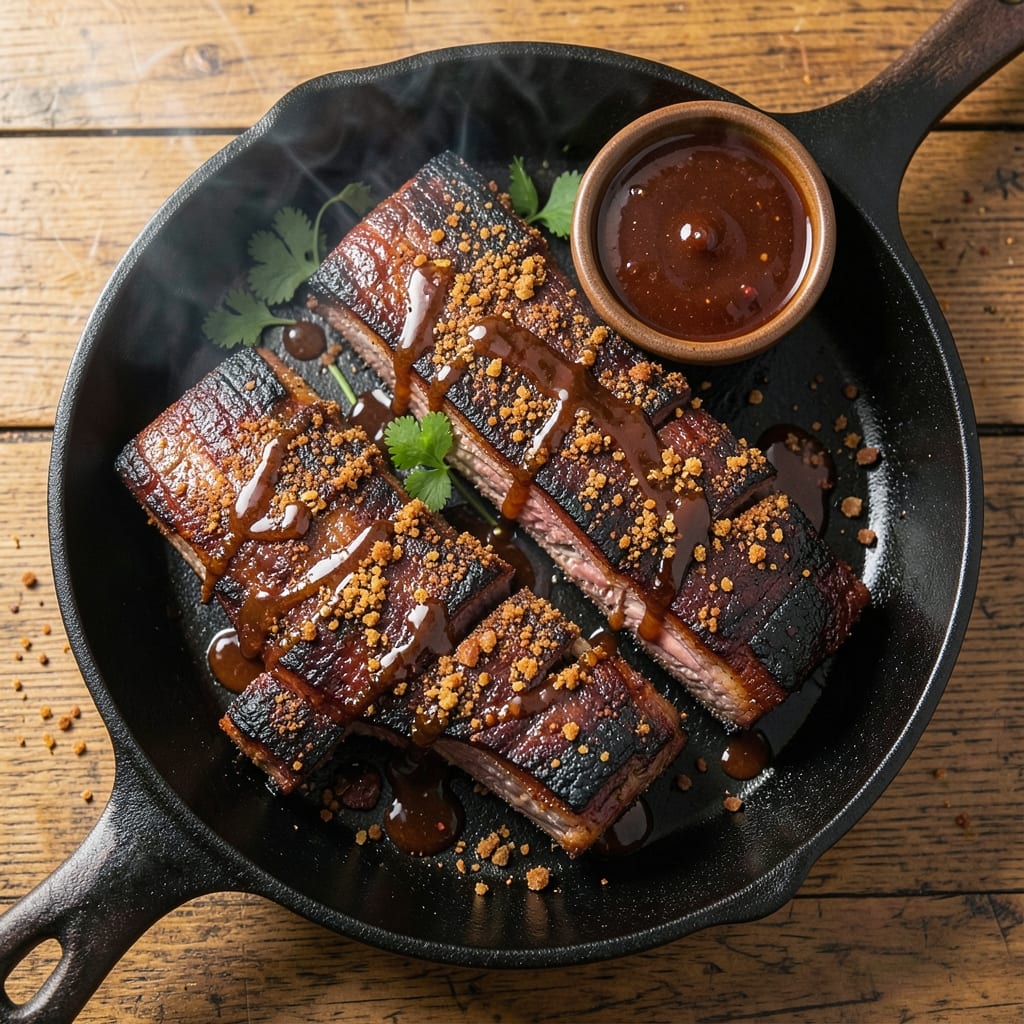
This BBQ beef spare ribs recipe delivers melt-in-your-mouth tenderness that rivals any competition-winning pitmaster. I've perfected this method over years of slow-cooking sessions, blending classic French technique with my love for smoky, bold flavors. The secret? A 6-hour cook that transforms tough cuts into fall-off-the-bone perfection without drying out the meat.
What sets this recipe apart is the balance between time and temperature control—low and slow builds deep flavor while preserving moisture. We'll use a simple dry rub of brown sugar, smoked paprika, and garlic powder to create that signature bark, then finish with a tangy-sweet BBQ sauce that clings beautifully. The key technique? Wrapping the ribs in foil during the final hour to trap steam and maximize tenderness.
By the time you're done, you'll have ribs that are tender enough to cut with a fork, with caramelized edges and layers of smoky, sweet flavor. The sauce isn't just glaze—it's a flavor bomb that enhances every bite. This is the kind of meal that makes your kitchen smell like a BBQ joint and leaves your guests begging for seconds.
Pair these ribs with classic sides like creamy coleslaw, buttery cornbread, and a crisp green salad to round out the meal. The beauty of this recipe is its versatility—whether you're grilling outdoors, smoking in your backyard, or using your oven, the results will be restaurant-quality every time. Let's get cooking!
Ingredients for bbq beef spare ribs
Four pounds of meaty ribs plus bold spices transform into fall-off-the-bone perfection.
| Ingredient | Amount | Notes |
|---|---|---|
| Beef Spare Ribs 🥩 | 4 lb | Bone-in, meaty ends preferred |
| Brown Sugar 🍚 | ½ cup | Light or dark variety |
| Smoked Paprika 🌶️ | 2 tbsp | High-quality for smoky depth |
| Garlic Powder 🧄 | 1 tbsp | Freshly ground preferred |
| Kosher Salt 🧂 | 1 tbsp | Diamond Crystal preferred |
| Black Pepper 🌶️ | 1 tsp | Freshly cracked for texture |
| Yellow Onion 🧅 | 1 whole | Chopped for sauce base |
| Garlic Cloves 🧄 | 4 cloves | Minced for sauce |
| Apple Cider Vinegar 🍎 | ¼ cup | For tangy balance |
| Tomato Paste 🍅 | ½ cup | San Marzano preferred |
| Molasses 🍯 | 2 tbsp | Rich, dark variety |
| Smoked Salt 🧂 | 1 tsp | For finishing touch |
| Unsalted Butter 🧈 | 2 tbsp | For sauce richness |
| Fresh Thyme Leaves 🌿 | ¼ cup | Or 1 tsp dried thyme |
The ribs are non-negotiable—look for meaty ends with good marbling. Costco or your local butcher often carry the best cuts. If you're buying a whole packer, ask for the cartilage-heavy ends for extra tenderness. Freshness matters: ribs should smell clean and be bright red, not grayish. For the dry rub, Penzeys smoked paprika adds that authentic BBQ depth, but any high-quality brand works. The brown sugar? Light or dark—both give that caramelized bark, but dark adds more molasses flavor.
No smoked paprika? Regular paprika plus a pinch of cayenne gets close. Short on molasses? Maple syrup at half the amount works in a pinch. The tomato paste can be the squeeze tube kind from Trader Joe's—no need for fancy cans. For the sauce base, yellow onion and garlic are essential, but if you're in a rush, a splash of garlic powder in the dry rub compensates. Fresh thyme is ideal, but dried thyme at one-third the amount works if that's what you've got. The apple cider vinegar adds that tangy kick—substitute white vinegar if needed, but the flavor won't be identical.
Ribs keep best in the fridge for 3-4 days wrapped tightly in foil. For longer storage, freeze them raw for up to 6 months—just thaw overnight in the fridge before cooking. The dry rub stays fresh for 2 weeks in an airtight container. I always make extra sauce—it freezes beautifully for 3 months and makes quick weeknight dinners. The key to reheating? Low heat in a covered pan with a splash of water to keep it moist.
Why You'll Love This Recipe
- Five-Ingredient Magic: I swear, this recipe is the kind of thing you’ll make just to prove it works—and then make again because it does. Brown sugar and smoked paprika do all the heavy lifting while you stand there doing almost nothing.
- Smoky-Sweet Obsession: That crispy bark from the brown sugar? It’s like caramelized perfection with every bite, but the smoky depth from the paprika keeps it from tasting too sweet. My husband steals ribs straight from the pan—no shame.
- Tailgate or Tuesday: Between us, these ribs work for everything. Pack them for a game day, throw them on the grill for a backyard hang, or serve them with mashed potatoes when you’re too tired to impress. They’re the ultimate crowd-pleaser.
- Leftovers That Don’t Suck: Honestly, I always make extra because reheating these is almost as good as the first bite. Wrap them in foil, toss them in the fridge, and they’re still juicy and flavorful days later. Budget win.
Step-by-step instructions for perfectly tender BBQ beef spare ribs
Here's how to transform tough ribs into melt-in-your-mouth perfection with just six hours of hands-off cooking.
Prepare the Dry Rub and Season the Ribs
In a medium bowl, combine the 0.5 cup brown sugar, 2 tbsp smoked paprika, 1 tbsp garlic powder, 1 tbsp kosher salt, and 1 tsp black pepper. Mix thoroughly until the sugar dissolves into the spices and forms a coarse, even-textured rub. This blend creates the perfect balance of sweetness and smokiness that will caramelize beautifully during cooking.
Pat the 4 lb beef spare ribs completely dry with paper towels—this is critical for developing that coveted bark. Generously coat all surfaces with the dry rub, pressing it into the meat so it adheres well. The ribs should look uniformly dusted with the spice mixture. Place them on a wire rack set over a baking sheet to allow air circulation on all sides. Cover loosely with plastic wrap and refrigerate for at least 2 hours (or up to 24 hours for deeper flavor penetration).
Build the BBQ Sauce Base
While the ribs marinate, prepare the sauce components. In a small saucepan, combine the 1 whole yellow onion (chopped), 4 cloves garlic (minced), 0.25 cup apple cider vinegar, 0.5 cup tomato paste, and 2 tbsp molasses. Cook over medium heat for 10-12 minutes, stirring occasionally, until the onions soften and the mixture reduces slightly. You'll notice the aroma becomes rich and complex—this is where the deep, tangy flavor develops.
Remove from heat and stir in the 0.25 cup fresh thyme leaves. Let the mixture cool completely before transferring to a blender or food processor. Blend until smooth, then return to the saucepan. Add 2 tbsp unsalted butter and 1 tsp smoked salt, stirring until fully incorporated. Keep the sauce at room temperature until ready to use. This sauce will provide the perfect balance of sweet, tangy, and smoky flavors that complement the ribs beautifully.
Smoke the Ribs Low and Slow
Preheat your smoker to 225°F using a hardwood like hickory or oak. Place the ribs on the smoker, meaty side up, and smoke for 4-5 hours. Maintain a consistent temperature—fluctuations will affect cooking time and tenderness. You'll know it's working when you see a thin layer of smoke clinging to the ribs and the bark begins to develop a dark, glossy crust.
After 4-5 hours, check the internal temperature using a meat thermometer. The ribs should reach 165-170°F—this is when they'll hit "the stall," where the temperature plateaus as moisture evaporates. Don't panic; this is normal. At this point, brush the ribs generously with the prepared sauce and wrap them tightly in butcher paper (not foil). Return to the smoker and continue cooking until the internal temperature reaches 200-203°F, which should take another 1-2 hours.
Rest and Glaze for Maximum Tenderness
Once the ribs reach the target temperature, remove them from the smoker and let them rest on a cutting board for 15-20 minutes. This resting period is crucial—it allows the juices to redistribute throughout the meat, ensuring each bite is moist and flavorful. During this time, preheat your oven's broiler to high.
After resting, brush the ribs generously with the remaining sauce. Place them on a broiler-safe pan and broil for 3-5 minutes until the sauce caramelizes and forms a glossy glaze. Watch closely—you want it to bubble and darken slightly but not burn. The ribs should have a deep, rich color and a sticky, glossy finish that indicates perfect caramelization.
Pro Tips For Making Bbq Beef Spare Ribs
- Trim the Fat First: Beef spare ribs have a thick fat cap that can turn greasy if left on—use kitchen shears to slice it down to 1/4-inch before cooking. I learned this the hard way when my ribs ended up slicker than a barbecue pro’s apron.
- Brown Sugar Sticks: Don’t just sprinkle that brown sugar—press it into the ribs’ cracks and sear it lightly before slow cooking. After burning three batches where the sugar dissolved into syrup, I finally realized the caramelized bits cling like glue.
- Skip the Crowding: If you’re grilling or broiling, leave space between ribs so they crisp, not steam. My grandmother swore by this, and she was right: packed ribs turn soggy faster than a wet paper bag.
- Start Hot, Finish Low: Sear ribs over high heat for 3-4 minutes per side to lock in flavors, then drop to 250°F (120°C) for the rest. I was skeptical until I tried it—now my ribs stay juicy instead of drying out like overcooked jerky.
Pro cooking tips for bbq beef spare ribs
Smoker Temperature
Your smoker's temperature is the foundation of perfect ribs. I swear by maintaining a steady 225°F throughout the cook—any higher and you risk drying out the meat, any lower and you'll waste hours waiting for tenderness. I use a Traeger Pellet Grill with a built-in thermometer, but if you're using a charcoal smoker, invest in a quality probe thermometer like the Meater for accuracy. The key is consistency—fluctuations of even 10°F can throw off your timing by hours. 🌡️
Rib Placement
How you position the ribs in your smoker makes all the difference. Place them meaty side up on the grill grates to maximize surface area exposure to the smoke and heat. For even cooking, I rotate them 90 degrees every hour—this prevents hot spots and ensures uniform bark development. If you're cooking more than one rack, stagger them slightly so air circulates properly between pieces. Never stack ribs directly on top of each other.
The Stall Strategy
You'll hit "the stall" around 165-170°F internal temperature, where the ribs seem to stop cooking. This is when I wrap them in butcher paper (not foil!) and add a splash of apple cider vinegar to the paper before sealing. The paper lets steam escape while trapping moisture, helping push through the stall to 200-203°F. I've tried foil, but butcher paper gives a better bark finish. Pro tip: Add a handful of wood chips to the smoker when you wrap them for that final burst of smoke flavor. ⚡
Sauce Timing
Applying sauce too early creates a sticky glaze that prevents proper bark formation. I wait until the ribs have developed a good crust—usually after 3-4 hours—before brushing on the first layer. For the final glaze, I broil them uncovered for just 3-5 minutes to caramelize the sauce without burning. The secret? Use a pastry brush with long bristles to get into all the crevices. I like OXO Good Grips brushes—they're sturdy and easy to clean.
Resting Period
Never skip resting your ribs after cooking! Let them rest for 15-20 minutes before cutting, covered loosely with foil. This allows the juices to redistribute, preventing them from running out when you slice. I place them on a wire rack over a baking sheet to catch any drippings. During this time, I preheat the broiler for that final caramelization step. Patience here makes the difference between fork-tender ribs and dry, stringy meat. 💪
Wood Choice
The wood you smoke with dramatically affects flavor. For ribs, I recommend hickory or oak—hickory gives bold, classic BBQ flavor while oak offers a milder, slightly sweeter profile. Avoid fruit woods like cherry or apple for ribs—they can overpower the meat. If you're using pellets, stick to 100% hardwood varieties. I always soak my wood chips for 30 minutes before using them to prevent flare-ups. The smoke should be gentle and consistent, not billowing thick clouds that'll cool your smoker down. 🌳
Nutrition facts
Frequently asked questions
Can I cook beef spare ribs without a smoker?
Use your oven set to 225°F with a water pan on the bottom rack for moisture. Place ribs on a wire rack over a baking sheet, cover tightly with foil, and cook for 4-5 hours. After 3 hours, brush with sauce, wrap in butcher paper, and finish at 200-203°F. The oven method gives similar results with less fuss.
Why do my ribs turn out dry even after cooking low and slow?
Most likely, you didn't wrap them during the stall or overcooked past 203°F. The key is wrapping in butcher paper (not foil) at 165-170°F to trap steam. Also, check your smoker temperature—fluctuations above 250°F dry them out. Always rest ribs 15-20 minutes before cutting.
How do I know when beef spare ribs are done?
Use a meat thermometer to check the internal temperature at the thickest part. Ribs are perfect at 200-203°F—they should feel tender when gently pressed. The bone should slide out easily, and the meat should pull apart with slight resistance. Never rely on time alone!
Can I make the sauce ahead of time?
Yes! The sauce keeps well in the fridge for 5 days or freezes for 3 months. Thaw overnight in the fridge before using. For best results, reheat gently on the stove with a splash of water to prevent scorching. I always double the batch—it's perfect for dipping or quick weeknight meals.
What's the best way to serve leftover ribs?
Reheat gently in a 300°F oven wrapped in foil with a splash of apple cider vinegar for 20-30 minutes. For sandwiches, shred the meat and mix with extra sauce. Leftovers also make amazing tacos or loaded baked potatoes. Store in airtight containers for 3-4 days.