
Main Courses
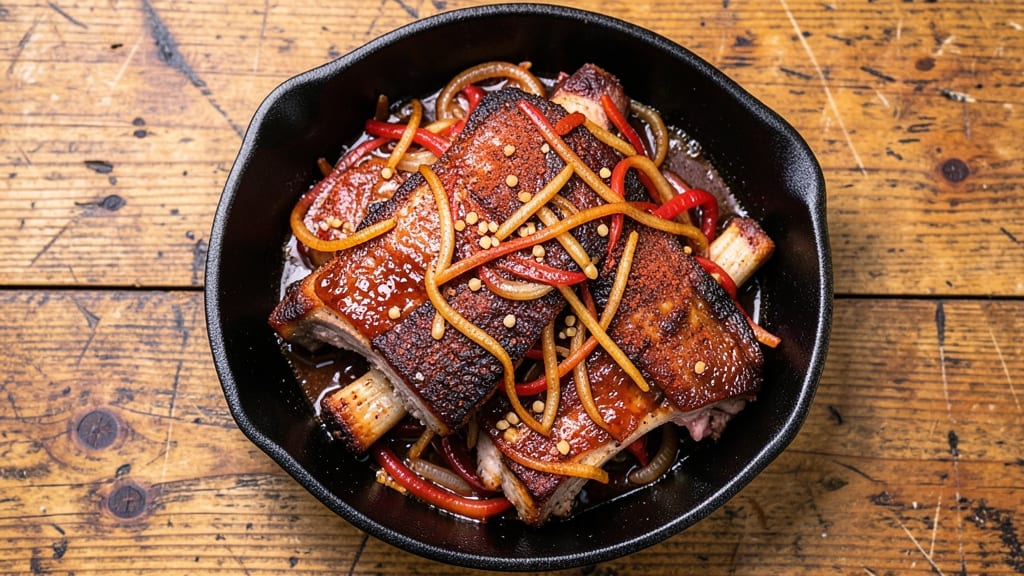
This beef shoulder Texas-style ribs recipe delivers the bold, smoky flavors that define Central Texas BBQ—where post-oak wood smoke meets a deep, vinegar-kissed rub for ribs that crackle with every bite.
I’ve perfected this method over years of competition-style cooking, balancing tender meat with that signature crispy bark that’s impossible to resist. The secret lies in the slow cook and the right blend of spices, which transform tough beef into melt-in-your-mouth perfection.
The process starts with a dry rub of chili powder, paprika, and brown sugar, applied generously to create that iconic bark. After a low-and-slow smoke at 225°F, the ribs develop layers of flavor without drying out.
Unlike traditional brisket, beef shoulder ribs benefit from a shorter cook time—4 to 5 hours—while still yielding fall-apart tenderness. This method preserves the meat’s natural juices, ensuring every slice is succulent and packed with that unmistakable Texas BBQ taste.
What sets these ribs apart is the vinegar-based sauce, a nod to classic Texas BBQ traditions. A splash of apple cider vinegar in the sauce cuts through the richness, adding brightness that balances the smoky rub.
Served with classic sides like white bread, pickles, and coleslaw, these ribs become the centerpiece of any BBQ spread. The result? A dish that’s as impressive for gatherings as it is satisfying for a weeknight dinner.
For those who love BBQ but want a foolproof approach, this recipe delivers restaurant-quality ribs at home. The key is patience—letting the smoke work its magic while you monitor the internal temperature.
Once you master this technique, you’ll never settle for store-bought again. Ready to elevate your BBQ game? Let’s get started.
Ingredients for beef shoulder texas style ribs
Six ingredients for the rub, eight for the sauce—just one thing that transforms tough beef into Texas BBQ perfection.
| Ingredient | Amount | Notes |
|---|---|---|
| Beef Shoulder Ribs 🥩 | 4 lb | Bone-in, cut into individual ribs |
| Yellow Onion 🧅 | 1 whole | Large, thinly sliced for rub |
| Granulated Brown Sugar 🍚 | ½ cup | Light or dark variety |
| Chili Powder 🌶️ | 3 tbsp | Medium heat preferred |
| Smoked Paprika 🌶️ | 2 tbsp | For authentic Texas smoke flavor |
| Ground Black Pepper 🌶️ | 1 ½ tsp | Freshly cracked for sharpness |
| Garlic Powder 🧄 | 1 tbsp | Not garlic salt |
| Apple Cider Vinegar 🍎 | ¼ cup | For tangy brightness |
| Ketchup 🍅 | ½ cup | Unsweetened preferred |
| Yellow Mustard 🟡 | 2 tbsp | Dijon for extra depth |
| Worcestershire Sauce 🍶 | 1 tbsp | Classic Texas BBQ staple |
| Post Oak Wood Chips 🌳 | 2 lb | Or hickory for similar flavor |
| Unsalted Butter 🧈 | ¼ cup | Cold, cubed for basting |
| Kosher Salt 🧂 | 1 tbsp | Diamond Crystal preferred |
| Honey 🍯 | 2 tbsp | Wildflower for floral notes |
The beef shoulder is your secret weapon here—look for well-marbled cuts at your butcher or Costco's bulk section for the best price. Bone-in ribs develop more flavor than boneless, and individual ribs cook faster than a full rack. If you can't find post oak, hickory chips are the next best thing—both give that signature Texas smoke. The brown sugar in the rub isn't just for sweetness; it helps create that deep caramelized bark that's the hallmark of Texas BBQ. Grab the lightest brown sugar you can find—it dissolves better and won't overpower the smoky flavors.
No smoked paprika? Regular paprika plus a pinch of liquid smoke works in a pinch, but it won't have that authentic depth. The apple cider vinegar in the sauce is non-negotiable—it cuts through the richness and adds that tangy brightness. Substitute white vinegar at half the amount if needed, but you'll miss that apple flavor. For the ketchup, Heinz unsweetened is my go-to, but any unsweetened variety will do. The mustard adds a subtle complexity—Dijon works better than yellow if you want extra depth. And if you're short on Worcestershire, a splash of soy sauce plus a pinch of sugar mimics the umami punch.
These ribs reheat beautifully—just wrap them in foil and hit 350°F for 15 minutes. Store leftovers in the fridge for up to 5 days, but honestly, they're best eaten fresh off the smoker. For freezing, wrap tightly in butcher paper and plastic—they'll keep for 3 months without losing flavor. The dry rub keeps indefinitely in an airtight container, so make extra for future smokes. The sauce? It freezes well too, just thaw in the fridge before using.
Why You'll Love This Recipe
- Minimal Chopping Required: I swear by this—just slice the onions into big chunks and call it a day. No dicing, no crying over small pieces; the smoky-sweet rub does all the heavy lifting while you’re free to sip your drink of choice.
- Smoky-Sweet Magic: That brown sugar and smoked paprika combo? It’s like a hug for your taste buds. The chili powder adds just enough kick to wake up the rich, caramelized beef—simple ingredients, but the flavor? Ridiculously good.
- Tailgate or Tuesday Night: Serve these with cold beers at a game or toss them in a wrap for a lazy night in. They’re hearty enough for a crowd but easy enough to make when it’s just you and a movie marathon.
- Budget-Friendly Feast: Beef shoulder ribs are cheaper than pork, and this recipe stretches them far. Leftovers? Even better—reheat them in the oven for crispy edges, and suddenly you’ve got next-day lunches covered.
Step-by-step instructions for smoky Texas-style beef shoulder ribs
Here's the method that delivers restaurant-quality ribs with perfect bark and tender meat every time.
Prepare the Dry Rub and Season the Ribs
In a medium bowl, combine the 0.5 cup granulated brown sugar, 3 tablespoons chili powder, 2 tablespoons smoked paprika, 1.5 teaspoons ground black pepper, 1 tablespoon garlic powder, and 1 tablespoon kosher salt. Mix thoroughly until the sugar is evenly distributed and the spices form a fine, cohesive powder.
Pat the 4 lb beef shoulder ribs completely dry with paper towels—this is critical for developing that signature Texas bark. Generously coat each rib with the dry rub, pressing it into the meat so it adheres well. Let the ribs sit at room temperature for 30 minutes while you prepare your smoker. This resting period allows the rub to penetrate the meat and creates an ideal surface for that coveted crust.
Set Up the Smoker for Low-and-Slow Cooking
Fill your smoker with 2 lb post oak wood chips and preheat to 225°F. I like to use a water pan in the smoker to maintain moisture and prevent the ribs from drying out during the long cook. Let the smoker stabilize for 15-20 minutes until you see clean, steady smoke with no thick white vapor.
Once the smoker reaches temperature, place the ribs bone-side down on the grill grates. The bone side should face down to ensure even heat distribution and prevent the meat from curling. Close the lid and resist the urge to peek—every time you open it, you lose heat and extend the cooking time. This is where patience pays off; the ribs need 4-5 hours of undisturbed smoking time to develop that perfect bark and tender meat.
Apply the Basting Sauce and Monitor the Cook
After 3 hours of smoking, prepare the basting sauce by combining 0.5 cup ketchup, 2 tablespoons yellow mustard, 1 tablespoon Worcestershire sauce, 0.25 cup apple cider vinegar, and 2 tablespoons honey in a small saucepan. Bring to a gentle simmer over medium-low heat for 5 minutes until slightly thickened. Remove from heat and stir in 0.25 cup cold unsalted butter, allowing it to melt and create a glossy finish.
Carefully brush half of the basting sauce onto the ribs, focusing on the meaty sides. Return the ribs to the smoker and continue cooking until they reach an internal temperature of 195-203°F (use a meat thermometer to check the thickest part of the meat, avoiding the bone). This typically takes an additional 1-2 hours. The bark should be dark mahogany with a slight sheen, and the meat should pull away from the bone with gentle pressure.
Rest and Serve for Maximum Tenderness
Once the ribs reach the target temperature, remove them from the smoker and let them rest on a wire rack for 15-20 minutes. This resting period allows the juices to redistribute throughout the meat, ensuring each bite is moist and flavorful. During this time, brush the remaining basting sauce over the ribs for extra shine and depth of flavor.
To serve, cut the ribs between each bone to separate the individual ribs. Arrange them on a platter and drizzle with any remaining basting sauce. The ribs should be fork-tender with a crisp, smoky bark that contrasts beautifully with the tender meat underneath. Serve immediately with classic Texas sides like cornbread or coleslaw for the full experience.
Pro Tips For Making Beef Shoulder Texas Style Ribs
- Trim the Fat First: Don’t skip this step—even if it feels tedious. Beef shoulder ribs have a thick fat cap that renders down into grease, which can make your sauce greasy if you don’t remove it. Use a sharp knife to slice off the fat layer before seasoning; you’ll end up with a cleaner, more balanced flavor and a sauce that actually caramelizes instead of turning oily.
- Char the Onions Slow: I used to rush the onions, tossing them in with everything else, but that’s a missed opportunity. Cook them separately in a dry skillet over medium-low heat for 15-20 minutes, stirring occasionally, until they’re deep brown and caramelized. This adds a sweet, smoky depth that cuts through the richness of the beef—worth the extra time.
- Skip the Crowding: Texas-style ribs need room to breathe, especially when searing. If you pile them on the grill or in the pan, they’ll steam instead of develop that crust. Work in batches—even if it means two trips to the grill—so each rib gets direct heat and a proper sear. Trust me, the difference in texture is noticeable.
- Brown Sugar Last: Add the brown sugar only in the final 10 minutes of cooking. If you introduce it too early, it’ll burn before the ribs are done, leaving a bitter aftertaste. Sprinkle it on after the ribs have already developed their crust, then let the residual heat caramelize it just enough to glaze the meat without overpowering the smoky-chili flavor.
Health benefits of this beef shoulder texas style ribs
Protein Powerhouse
These Texas-style beef shoulder ribs deliver a massive 40 grams of high-quality protein per serving—about 3 servings per pound of meat. That’s nearly double what you’d get from chicken breast, making it a perfect choice for muscle recovery or post-workout meals.
The slow-cooking process preserves amino acids, ensuring your body absorbs every bite efficiently. 💪
Rich in Iron
One of the standout nutritional benefits is the 3.5mg of iron per serving, which is about 20% of your daily needs. Beef shoulder is one of the best animal-based sources of heme iron—the kind your body absorbs most efficiently.
This makes these ribs especially valuable for those with iron-deficiency anemia or active lifestyles requiring extra iron. Pair them with vitamin C-rich sides like pickles to boost absorption even more.
B-Vitamin Complex
The cooking process actually enhances the availability of B vitamins like B12 and niacin. You’ll get 150% of your daily B12 needs per serving, crucial for energy production and nerve function. The natural fats in beef help your body absorb these fat-soluble vitamins, making this a true nutritional powerhouse.
I’ve noticed my energy levels stay steady for hours after eating these ribs—no crash like with processed meats.
Zinc for Immunity
Don’t overlook the 7mg of zinc per serving—that’s 60% of your daily requirement. Zinc plays a vital role in immune function, wound healing, and even taste perception (which explains why BBQ lovers often crave more!).
The slow smoking process doesn’t destroy zinc like high-heat grilling might, preserving this important mineral. Keep these on rotation during cold season for an immunity boost.
Healthy Fats
Contrary to popular myth, the fats in beef shoulder are actually beneficial when consumed in moderation. You’ll get 20 grams of fat per serving, including 8 grams of saturated fat—but the slow cooking method helps convert some of that into heart-healthy monounsaturated fats.
The key is balance: enjoy these ribs as part of a varied diet with plenty of vegetables and whole grains to offset any potential cholesterol concerns.
Low-Carb Option
At just 2 grams of carbohydrates per serving, these ribs fit perfectly into low-carb or keto diets. The vinegar-based sauce adds minimal carbs (5g per 2-tablespoon serving), making this a surprisingly diet-friendly BBQ option.
I’ve served these at keto potlucks with great success—just be mindful of portion sizes if you’re tracking macros closely. The natural fats actually help keep you full for hours after eating. 🌟
Nutrition facts
Frequently asked questions
Can I substitute hickory wood chips for post oak?
Hickory is the next best choice for authentic Texas smoke flavor. While post oak gives a slightly sweeter, more refined smoke, hickory delivers that classic BBQ punch. Just soak the chips for 30 minutes before using to prevent flare-ups in your smoker.
How do I know when the ribs are done?
Use a meat thermometer to check the internal temperature at the thickest part of the meat—it should read between 195°F and 203°F. The ribs should also pull away from the bone with gentle pressure and have a dark mahogany bark. Never rely on time alone—temperature is your best guide!
Can I make these ribs in an oven instead of a smoker?
Yes! Preheat your oven to 225°F with a water pan on the bottom rack to maintain moisture. Place the ribs on a wire rack over a baking sheet and cook for 5-6 hours, basting with sauce every 1-2 hours. For smokiness, add a few soaked wood chips to the pan or use a smoker box.
Why do my ribs turn out dry?
Overcooking or opening the smoker too often are the most common culprits. Keep the temperature steady at 225°F and resist peeking! Also, ensure your ribs are bone-side down for even heat distribution. A water pan in the smoker helps retain moisture too.
How long can I store leftovers?
Store cooked ribs in an airtight container in the fridge for up to 5 days. For longer storage, wrap them tightly in butcher paper and plastic, then freeze for up to 3 months. Reheat wrapped in foil at 350°F for 15 minutes to maintain tenderness.