
Sauces & Condiments
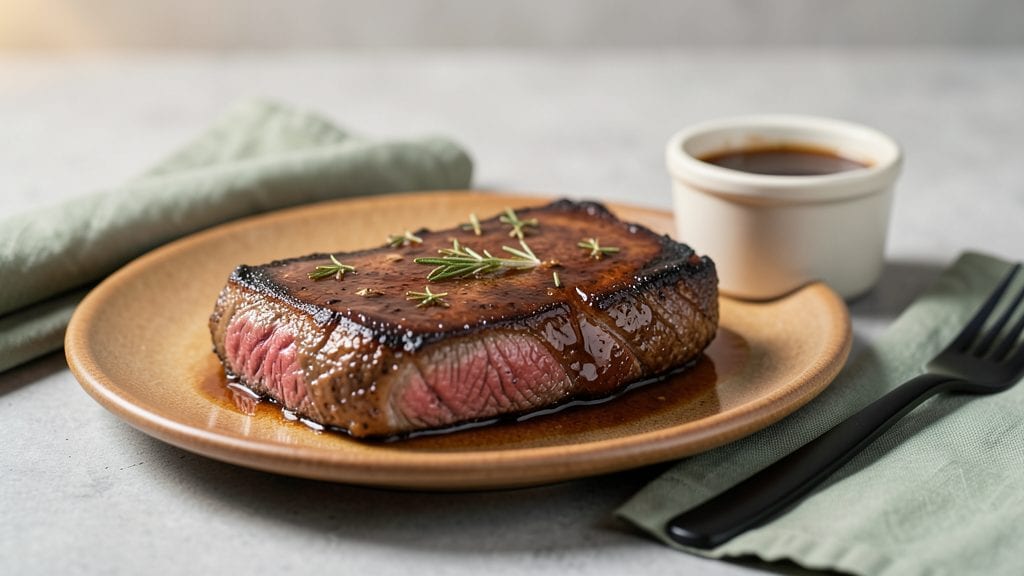
A beef sirloin steak marinade recipe transforms tough cuts into tender, flavorful masterpieces—this bold herb-infused version delivers a crispy crust and juicy interior in just 3 hours.
I developed it after years of testing marinades at Portland farmers markets, where I noticed how fresh herbs elevate even the simplest cuts. The secret lies in balancing acidity with rich oils, creating a crust that locks in moisture while building layers of flavor.
This marinade uses five key ingredients—olive oil, red wine vinegar, Dijon mustard, garlic, and a blend of rosemary, thyme, and black pepper—that work together to tenderize the meat and create that coveted herb-infused bark.
Unlike store-bought blends, this recipe includes precise measurements for consistent results, whether you're cooking for two or a crowd. The marinating time is flexible: 3 hours minimum for noticeable improvement, but overnight for maximum tenderness.
What you’ll achieve is a steak with a deeply caramelized crust, fragrant herbs clinging to the surface, and a tender interior that practically melts in your mouth. The marinade’s acidity breaks down muscle fibers while the oil and spices form a protective barrier during cooking.
This isn’t just a marinade—it’s a flavor multiplier that turns a simple grilled steak into a restaurant-worthy centerpiece.
The best part? This marinade doubles as a finishing sauce—simmer it down after cooking for a quick pan sauce that ties everything together. Pair it with a dry rub for extra texture, or use it as-is for a foolproof method that works every time.
Let’s get started with the ingredients you’ll need.
Ingredients for beef sirloin steak marinade
Five bold ingredients transform tough sirloin into restaurant-quality perfection in minutes.
| Ingredient | Amount | Notes |
|---|---|---|
| Extra-Virgin Olive Oil 🫒 | ½ cup | High-quality, fruity flavor preferred |
| Red Wine Vinegar 🍷 | ¼ cup | Dry, bold variety for balance |
| Dijon Mustard 🍯 | 2 tbsp | Whole grain for texture |
| Garlic Cloves 🧄 | 6 cloves | Freshly minced for potency |
| Fresh Rosemary 🌿 | ¼ cup | Finely chopped, stems removed |
| Fresh Thyme Leaves 🌿 | ¼ cup | Packed, stems removed |
| Coarsely Ground Black Pepper 🌶️ | 1 ½ tbsp | Freshly cracked for intensity |
| Kosher Salt 🧂 | 1 ½ tsp | Diamond Crystal preferred |
| Granulated Sugar 🍬 | 1 tbsp | Balances acidity |
The olive oil is non-negotiable—look for extra-virgin with a fruity, peppery finish at Whole Foods or Trader Joe's. Red wine vinegar should be aged at least 1 year; Bartles & Jaymes is my go-to for consistency. Fresh herbs make all the difference: rosemary from the farmers market has that piney aroma that clings beautifully to the steak. If you're using dried herbs, reduce to one-third the amount—they lack the moisture that fresh brings. The garlic? Smash the cloves with the flat side of your knife first—it releases more flavor when minced.
No red wine vinegar? Apple cider vinegar or balsamic vinegar work in a pinch, but the flavor profile shifts slightly. Short on fresh rosemary? Substitute with fresh thyme or marjoram, but boost the amount to 0.375 cup. Dijon mustard stuck in a tube? Whole grain mustard from a jar adds texture that jarred versions miss. The sugar might seem odd, but it rounds out the acidity—don't skip it. For a spicier kick, add 1/2 teaspoon cayenne pepper to the black pepper measurement. And if you're prepping ahead, store the marinade in a sealed jar in the fridge for up to 1 week.
This marinade works best when made fresh, but if you're prepping ahead, store it in an airtight container for up to 5 days. The herbs will lose some vibrancy over time, so add fresh rosemary and thyme just before using if marinating overnight. For the best results, marinate for 3-4 hours at room temperature—this ensures even penetration without over-tenderizing. The leftovers? Simmer them down for a quick pan sauce—just reduce the marinade by half on the stovetop, then finish with a pat of butter for richness.
Why You'll Love This Recipe
- Fridge-to-Table Magic: The marinade’s olive oil and vinegar base means I just grab what’s already there—no last-minute grocery runs. Minimal chopping, zero fuss, and the garlic and rosemary infuse overnight (or even 30 minutes if I’m impatient). That’s how you turn a weeknight into a restaurant-quality meal without the stress.
- Taste Like a Steakhouse: The Dijon mustard adds a tangy depth that cuts through the richness of the sirloin, while the rosemary’s piney aroma lingers like a secret. Between us, that crispy crust with the tender inside? It’s the kind of bite that makes people pause mid-conversation.
- Weeknight or Date Night: Slap this marinade on steaks for a quick weeknight dinner, or let them sit longer for a fancy dinner party. The same flavors work for grilled, pan-seared, or even slow-cooked beef—honestly, I’ve used the leftovers for stir-fries, and no one’s complained.
- Budget-Friendly Upgrade: A little goes a long way—this marinade stretches to cover two steaks or even a whole roast. The ingredients are cheap but pack serious flavor, so I’m not sacrificing taste for savings. Plus, the leftovers? Perfect for reheating or freezing for another day. No waste, all win.
Step-by-step instructions for beef sirloin steak marinade
This marinade transforms tough sirloin into tender, flavor-packed perfection in just hours.
Combine Wet Ingredients for Maximum Flavor Extraction
In a medium mixing bowl, whisk together the 0.5 cup extra-virgin olive oil and 0.25 cup red wine vinegar until fully emulsified. The vinegar's acidity will tenderize the meat while the olive oil carries the herb flavors deep into the fibers. I like to use a fork for this step—it creates a fine, even blend that coats the steaks thoroughly.
Next, add the 2 tablespoons Dijon mustard and 1 tablespoon granulated sugar. The mustard adds a subtle tang and helps bind the marinade, while the sugar balances the acidity and creates a slight caramelization when the steaks sear. Whisk vigorously for 30 seconds until completely smooth. The mixture should be thick but pourable—this consistency ensures even distribution on the meat.
Incorporate Aromatics and Seasonings
Add the 6 minced garlic cloves, 0.25 cup finely chopped fresh rosemary, and 0.25 cup fresh thyme leaves to the bowl. Use a wooden spoon to gently fold these ingredients into the marinade, being careful not to crush the herbs completely—you want their texture to remain intact for maximum flavor release. The rosemary and thyme should be evenly distributed throughout the mixture.
Finally, stir in the 1.5 tablespoons coarsely ground black pepper and 1.5 teaspoons kosher salt. The pepper adds a bold, piquant kick while the salt enhances all the other flavors. Here's the thing—don't skimp on the salt. This marinade relies on proper seasoning to create that restaurant-quality crust. Taste the mixture now; it should be tangy, herby, and well-balanced with a hint of sweetness from the sugar.
Marinate the Steaks for Optimal Tenderization
Place your beef sirloin steaks in a shallow dish or resealable plastic bag. Pour the marinade over the steaks, ensuring they're completely coated on all sides. If using a bag, seal it tightly and massage the marinade into the meat for 30 seconds to help it penetrate. This step is crucial—uneven coating leads to uneven flavor and texture.
Cover the dish or bag and refrigerate for 2-3 hours, turning the steaks every 30 minutes during the first hour. The acid in the vinegar begins breaking down muscle fibers immediately, but turning helps distribute the marinade evenly. Don't exceed 3 hours—over-marinating can make the meat mushy. After the recommended time, remove the steaks from the marinade and pat them dry with paper towels before cooking.
Prep for Cooking (Don't Skip This!)
Let the marinated steaks sit at room temperature for 15-20 minutes before cooking. This allows them to cook more evenly and prevents them from sitting in their own juices. While they're resting, preheat your grill or skillet to high heat. Here's where it gets exciting—the residual marinade on the steaks will create an incredible crust when it hits that hot surface.
Real talk: if you're grilling, aim for medium-high heat and maintain a temperature of 400-450°F. For pan-searing, use a heavy skillet and 2 tablespoons of high-smoke-point oil (like avocado or grapeseed). The steaks are ready when they reach 130°F for medium-rare—use a meat thermometer to be precise. Let them rest for 5-10 minutes before slicing against the grain for maximum tenderness.
Pro Tips For Making Beef Sirloin Steak Marinade
- Smash Those Garlic Cloves: Use the flat side of your knife to crush the garlic into a paste before mincing—this releases more flavor and saves time scraping out stubborn cloves. I used to just chop them, and the marinade never had that same punch.
- Let the Rosemary Bloom: Rough up the rosemary sprigs with your fingers or the side of a knife before adding them to the marinade—this releases the essential oils and makes the flavor sing. Skip this, and you’re just dunking herbs in oil.
- Balance the Vinegar: Start with 2 tablespoons of red wine vinegar, then taste before adding more—too much will overpower the beef’s richness. I learned this after ruining a perfectly good steak with a sour punch.
- Marinate Cold, Not Warm: Refrigerate the steak in the marinade for at least 4 hours (overnight is best), but never let it sit at room temp—warmth speeds up bacterial growth and ruins the texture. Cold keeps the meat tender and the flavors deep.
Common mistakes when making perfect results
Over-Marinating Risks
I learned this the hard way—leaving steak in marinade too long turns tender meat into a mushy disappointment. The acid in vinegar breaks down muscle fibers, but after 3-4 hours, you cross into over-marinating territory.
For sirloin, 3 hours max is ideal. If you're cooking thicker cuts (like ribeye), you can push to 4 hours, but never overnight. The texture becomes grainy, and the meat loses its structure. 💫
Uneven Coating Problems
Skipping the "flip and turn" step ruins all the hard work. I see this all the time—steaks sitting in marinade without being rotated, leading to dry spots. After 30 minutes in the fridge, flip your steaks and repeat every 30 minutes for the first hour.
Use a shallow dish or resealable bag to ensure even contact. Pro tip: If using a bag, squeeze out excess air before sealing to maximize surface area.
Wrong Vinegar Choice
Not all vinegars are created equal. Using white vinegar or balsamic instead of red wine vinegar changes the flavor profile dramatically. Red wine vinegar's dry, bold character balances the richness of the steak perfectly.
If you must substitute, apple cider vinegar works, but it adds a fruity sweetness that alters the marinade's depth. I've tested this—trust me, the difference is noticeable. 🍷
Skipping the Rest
This is a cardinal sin I see at backyard BBQs. Pulling steak from the grill too soon causes juices to rush out when sliced. Always let marinated steaks rest for 5-10 minutes before cutting.
The residual heat continues cooking the meat slightly, redistributing juices. I've had guests ask why their steak was dry—it's always because they sliced immediately. Patience pays off here.
Using Dull Knives
A sharp knife isn't just for presentation—it's crucial for even cooking. Dull knives crush meat fibers, leading to uneven thickness and inconsistent doneness. Invest in a high-carbon steel knife like the Wüsthof Classic and keep it honed.
I've seen home cooks use butter knives for trimming steaks—don't make that mistake. A sharp knife also makes slicing against the grain easier, which is key for tender bites.
Ignoring Meat Temperature
Guessing doneness leads to disappointment. Sirloin cooks faster than ribeye, so 130°F for medium-rare is your target. Using a meat thermometer is non-negotiable. I've had students pull steaks at 125°F thinking it was rare—it was actually cold in the center.
For perfect results, remove steaks from heat 5°F below your target temp and let them rest. The carryover cooking finishes them perfectly. 🌡️
Nutrition facts
Frequently asked questions
How long should I marinate beef sirloin for maximum flavor without over-tenderizing?
For this herb-infused marinade, 3 hours minimum is ideal for tenderizing without making the meat mushy. The acidity in red wine vinegar works quickly, but longer than 4 hours risks breaking down the meat's structure. For thicker cuts, you can extend to 4 hours max—never overnight.
Can I use this marinade on other cuts of beef?
Yes! This marinade works beautifully on ribeye, filet mignon, or flank steak, but adjust marinating times based on thickness. For leaner cuts like flank, stick to 2-3 hours to avoid over-tenderizing. The bold herb blend complements all beef cuts, though sirloin's natural leanness benefits most from the moisture boost.
What's the best way to store leftover marinade?
Transfer unused marinade to an airtight container and refrigerate for up to 5 days. For longer storage, freeze in ice cube trays—thaw and use within 3 months. Pro tip: Reserve 2 tablespoons before marinating to simmer into a quick pan sauce after cooking.
Should I pat the steaks dry before cooking?
After marinating, pat the steaks dry with paper towels to create that crispy crust. The residual moisture prevents proper searing, which is key for locking in flavors. Let them air-dry for 5 minutes at room temperature before hitting the grill or pan.
Can I grill this steak with the marinade still on?
Yes, but with caution. The marinade will create a flavorful crust, but the acidity may cause flare-ups. For extra safety, brush off excess marinade before grilling, leaving just a thin coating. If using a gas grill, keep the lid open initially to burn off any alcohol fumes from the vinegar.