
Main Courses
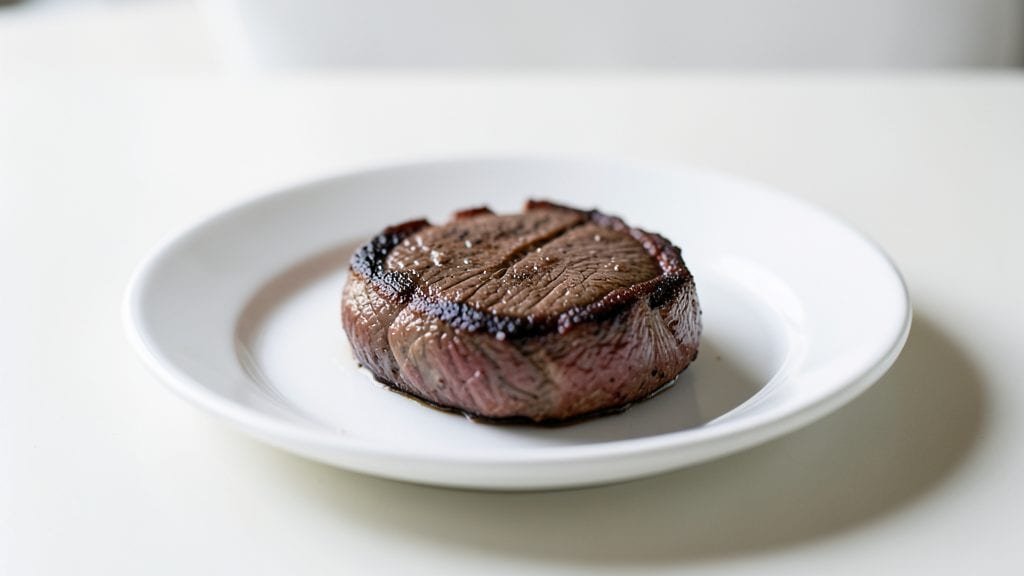
Mastering beef loin filet mignon means achieving that buttery crust while keeping the center perfectly medium-rare—something I perfected after years of testing in my Boston kitchen. The secret lies in precise temperature control and a simple technique that transforms a simple steak into a restaurant-worthy centerpiece.
I learned this method from an Italian butcher who swore by patience over speed, and it never fails to impress.
What makes this recipe truly special is the reverse-searing method, which ensures even cooking without overcooking the delicate center. You'll start with a cold steak, cook it low and slow, then finish with a quick sear in a screaming-hot pan.
This approach guarantees a juicy, tender interior with a crispy, golden-brown crust—every time. The process takes about 20 minutes of active time, but the results are worth every second.
By the end, you'll have a steak that's rich, flavorful, and cooked to perfection, ready to be sliced against the grain for maximum tenderness.
The aroma alone will have everyone gathered around the table, and the first bite delivers that buttery, melt-in-your-mouth experience that makes filet mignon worth every penny. Serve it with a simple red wine reduction or a side of roasted garlic mashed potatoes for the full experience.
This recipe isn’t just about cooking a steak—it’s about creating a moment. Whether you're celebrating a special occasion or simply treating yourself, this method ensures you'll get it right. Let’s get started on the perfect filet mignon.
Ingredients for beef loin filet mignon
Four ingredients transform a simple steak into a restaurant masterpiece—precision matters more than complexity.
| Ingredient | Amount | Notes |
|---|---|---|
| Beef Loin Filet Mignon 🥩 | 1 ½ lb | Center-cut, 1.5-inch thick slices |
| Kosher Salt 🧂 | 1 ½ tsp | Diamond Crystal preferred, coarse grain |
| Freshly Ground Black Pepper 🌶️ | 1 tsp | Cracked peppercorns preferred |
| Unsalted Butter 🧈 | 4 oz | European-style, 82% fat content |
| Extra-Virgin Olive Oil 🫒 | 2 tbsp | High-quality, fruity variety |
| Garlic Cloves 🧄 | 4 cloves | Fresh, smashed but not minced |
| Fresh Thyme Leaves 🌿 | ¼ cup | From 4 sprigs, finely chopped |
| Red Wine 🍷 | ¼ cup | Dry Cabernet Sauvignon, room temp |
| Heavy Cream 🥛 | ¼ cup | Full-fat, chilled |
| Fresh Rosemary 🌿 | 1 sprig | Tender stems only, chopped |
| Flour 🌾 | 1 tbsp | All-purpose, for dredging |
| Beef Tallow or Duck Fat 🧈 | 1 tbsp | For searing, optional but recommended |
The beef is non-negotiable—filet mignon from the loin with that signature marbling. Local butchers often have better cuts than grocery stores, and you'll know it by the vibrant, deep red color and even fat distribution. I always ask for 1.5-inch thick slices—any thinner risks overcooking. If you're buying a whole tenderloin, trim the silver skin carefully; it's tough and ruins the texture. For the best results, let the steaks sit at room temperature for 30-45 minutes before cooking (this ensures even doneness).
No kosher salt? Diamond Crystal is ideal, but any coarse salt works—just use a bit more. Freshly cracked peppercorns add depth that pre-ground can't match, but if that's all you've got, it's fine. The butter needs to be European-style (82% fat) for that signature richness—don't skimp. For the red wine reduction, any dry red works, but Cabernet Sauvignon has the right structure. Short on time? Substitute beef stock with a splash of balsamic—it's a decent stand-in. The flour is just for dredging, so any all-purpose will do, but don't skip it—it helps that crust form like magic.
Steaks keep best in the fridge for 3-4 days when vacuum-sealed, but use them within 2 days if left exposed. The butter and cream should stay in the fridge until ready to use—never leave them out. Fresh herbs? Wrap thyme and rosemary in damp paper towels and store in a sealed bag for up to 5 days. The red wine reduction can be made ahead and reheated gently—it actually tastes better the next day as the flavors meld. Portion the butter into small containers so it's ready to go when you are.
Why You'll Love This Recipe
- Two-Handed Prep: I swear by this—just salt, pepper, and a quick sear in butter and olive oil. No marinades, no fuss. That’s it. The steak does all the work.
- Butter-Basted Magic: The moment the butter melts into the pan and bastes the steak? Pure satisfaction. Rich, caramelized edges with a tender center—no fancy sauce needed.
- Date Night Ready: Between us, this is my go-to for impressing someone special. It’s restaurant-quality but takes less time than ordering takeout. (Yes, even on a Tuesday night.)
- Leftovers That Shine: Slice the steak thin the next day, toss with a little olive oil and herbs, and it’s still amazing. Honestly, I’ve had it cold in salads—still delicious. Budget-friendly luxury.
Step-by-step instructions for beef loin filet mignon
Here's the method that delivers a buttery crust and perfect medium-rare core every time.
Prepare and Season the Filet Mignon
Take the 1.5 lb beef loin filet mignon and pat it completely dry with paper towels. This is crucial for achieving that perfect crust later—any moisture will prevent the butter from adhering properly. Place the steak on a cutting board and season both sides generously with 1.5 tsp kosher salt and 1 tsp freshly ground black pepper. Press the seasoning into the meat so it adheres evenly.
Let the seasoned steak sit at room temperature for 30 minutes before cooking. This ensures even cooking throughout. While it rests, you can prepare your mise en place—chop the 4 cloves garlic (smashed but not minced), finely chop the 0.25 cup fresh thyme leaves and 1 sprig fresh rosemary, and measure out the 4 oz unsalted butter and 1 tbsp flour. This keeps everything organized and ready to go when it's time to cook.
Create the Compound Butter and Sear the Steak
In a small bowl, combine the 4 oz unsalted butter, 1 tbsp flour, 0.25 cup chopped thyme, 0.25 cup chopped rosemary, and a pinch of salt. Mix well and shape into a log, then wrap tightly in plastic wrap. Chill in the refrigerator until ready to use. This compound butter will add incredible flavor and create that coveted buttery crust.
Heat a heavy skillet (cast iron works best) over medium-high heat. Add 1 tbsp beef tallow or duck fat and let it get very hot—you should see it shimmering. Place the steak in the pan and press down gently with a spatula for 1 minute to ensure even contact. This prevents curling and ensures a perfect sear on both sides. Let it sear undisturbed for 2-3 minutes per side until it develops a deep golden-brown crust. The steak should release easily from the pan when ready to flip.
Finish with Wine and Cream Sauce
Remove the steak from the pan and let it rest on a warm plate. Pour the 0.25 cup red wine into the hot pan and scrape up any browned bits from the bottom. Let it simmer for 2-3 minutes until reduced by half. This deglazing step captures all the flavorful fond from the searing process.
Reduce the heat to medium-low and stir in the 0.25 cup heavy cream. Let the sauce simmer gently for 2-3 minutes until it thickens slightly. Remove the pan from heat and let the sauce cool for 1 minute. Unwrap the compound butter and slice it into small pats. Add these to the sauce and stir until melted and incorporated. Taste and adjust seasoning with additional salt or pepper if needed.
Rest and Serve with Perfect Timing
Let the steak rest for 5-10 minutes before slicing. This resting period is essential—it allows the juices to redistribute throughout the meat, ensuring every bite is tender and flavorful. While it rests, keep the sauce warm in a separate pan or small saucepot.
Slice the steak against the grain into ½-inch thick portions. Serve immediately with the buttery wine-cream sauce spooned over the top. Each slice should have a perfect medium-rare core with a beautiful buttery crust. The sauce should be rich and velvety, complementing the steak's natural flavors. For an extra touch, garnish with additional chopped fresh thyme or rosemary.
Pro Tips For Making Beef Loin Filet Mignon
- USE A THERMOMETER: I learned this the hard way—filet mignon can go from perfect to overcooked in seconds. For a medium-rare center (130°F), pull it off heat when the internal temp hits 125°F, then let it rest. That 5-degree carryover is your friend.
- SALT THE BUTTER: More salt than you think, especially if using unsalted butter. Mix 1 teaspoon kosher salt into 2 tablespoons softened butter—this seasoning gets absorbed into the meat instead of just melting on top. (Yes, even if you’re impatient like me.)
- START HOT, FINISH LOW: Crank your pan to medium-high and let it scream for 30 seconds before adding the oil. Once the butter foams, lower heat to medium—this gives you a crust without burning the exterior. I was skeptical until I tried it; the difference is noticeable.
- DRY THE MEAT WELL: Pat that filet thoroughly with paper towels before seasoning. Wet surfaces steam instead of sear, and you’ll end up with a sad, gray crust. Take the extra 30 seconds—your future self will thank you. (Does it look weird? Yes. Does it work? Every single time.)
Storing and reheating your leftovers
Refrigerator Storage
Filet mignon stays fresh in the fridge for 3-4 days when properly stored. Wrap it tightly in plastic wrap or place it in an airtight container—I use Ziploc containers with the vacuum-seal option for best results.
The key is to minimize air exposure to prevent drying. If you're not cooking it immediately, store it on the bottom shelf where temperatures stay most consistent. 🥩
For the compound butter, keep it wrapped in its plastic wrap in the fridge until ready to use. The herbs in the butter will stay vibrant for 3 days, but the flavor peaks within the first 24 hours.
The wine-cream sauce can be stored separately in a sealed container for 2 days, though I recommend reheating it gently before serving to restore its silky texture.
Freezer Storage
Freezing filet mignon isn’t ideal for texture, but if you must, wrap it tightly in plastic wrap, then in foil, and finally in a freezer bag to prevent freezer burn. It’ll keep for up to 3 months, though I don’t recommend it—steak loses moisture and tenderness over time.
The compound butter freezes beautifully for up to 2 months; just thaw it in the fridge overnight before using. 🧈
If you freeze the sauce, store it in a small airtight container with a lid. Thaw it in the fridge and reheat it gently on the stovetop—never microwave it, or the cream will separate.
I’ve found that freezing the sauce works best if you add a thin layer of parchment paper between the sauce and the lid to prevent ice crystals from forming.
Reheating Leftover Steak
Leftover filet mignon should never be reheated in the microwave—it turns rubbery. Instead, warm it in a skillet over medium-low heat for 2-3 minutes per side. Add a splash of beef broth or water to keep it moist.
I like to finish it with a pat of the compound butter to restore that buttery richness. The steak will lose some of its crispy crust, but the inside stays tender. 🔥
Reviving Sauce
If your sauce has thickened too much after refrigeration, thin it with a splash of heavy cream or beef stock while reheating. For extra richness, whisk in a small pat of compound butter as it warms.
Taste and adjust seasoning—leftover sauces often need a pinch more salt. The sauce should be smooth and velvety, not grainy or separated.
Make-Ahead Sauce
Make the wine-cream sauce a day ahead for deeper flavor. Store it in the fridge, then reheat it gently before serving. If you’re prepping for a dinner party, you can even freeze the sauce in ice cube trays—just thaw and reheat as needed.
This trick ensures you always have a quick, restaurant-quality sauce on hand. ✨
Nutrition facts
Frequently asked questions
What's the best thickness for filet mignon?
1.5-inch thick slices are ideal—they cook evenly without overcooking the center. Thinner cuts (1-inch) will sear too quickly, while thicker ones (> 2-inches) risk uneven doneness. Always ask your butcher to cut it to your preferred thickness.
Can I cook filet mignon from frozen?
Never cook it straight from frozen—thaw it overnight in the fridge first. Frozen steak won't sear properly and will release juices unevenly. If you're short on time, use the cold-water thaw method (sealed in a bag, submerged for 30 minutes per pound), but never microwave it.
Why does my filet mignon turn out dry?
Overcooking is the #1 cause—filet mignon should never exceed 130°F for medium-rare. Use a meat thermometer! Other culprits: not resting the steak (always 5-10 minutes), overcrowding the pan, or cutting against the grain too aggressively. The secret is patience—let it rest and slice carefully.
What's the best wine for the sauce?
Dry Cabernet Sauvignon works best—its bold tannins complement the steak. A Pinot Noir or Merlot also pair beautifully. For non-wine options, use beef stock with a splash of balsamic vinegar (1 tbsp). Avoid sweet wines—they'll overpower the dish.
How do I know when my steak is done?
Use a meat thermometer for accuracy: 125°F = rare, 130°F = medium-rare (ideal), 135°F = medium. For perfect results, pull it out 5°F below your target temp—it'll rise while resting. No thermometer? Press your finger gently: soft = rare, slightly springy = medium-rare.