
Sauces & Condiments
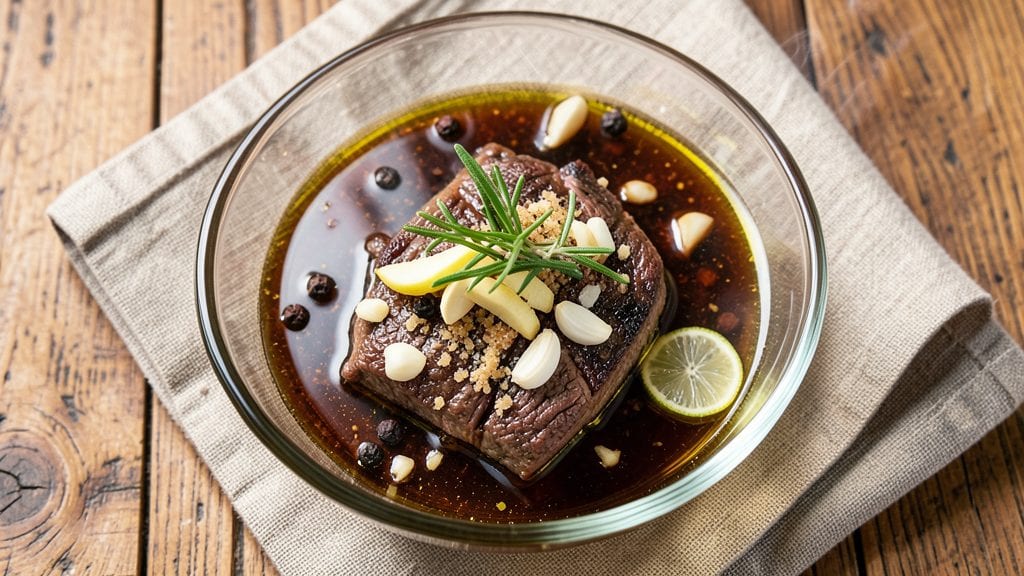
Transforming a simple beef loin top sirloin into a restaurant-quality steak starts with this marinade recipe that infuses deep, complex flavors in just 6 hours.
The secret lies in balancing acidity, sweetness, and aromatic spices to tenderize while building layers of taste that stand up to high-heat cooking methods like grilling or pan-searing.
This marinade uses five core ingredients—olive oil, red wine vinegar, soy sauce, brown sugar, and a blend of garlic, ginger, and rosemary—to create a harmonious flavor profile that enhances the steak's natural richness without overpowering it.
The vinegar and soy sauce work together to break down tough fibers, while the brown sugar caramelizes slightly during marinating, adding depth that carries through to the final sear.
What you’ll achieve is steak with a tender, juicy interior and a crust that develops beautifully during cooking, thanks to the marinade’s balanced sweet-savory profile.
The aromatics—garlic, ginger, and rosemary—infuse the meat with earthy, herbal notes that elevate every bite, making this marinade a game-changer for weeknight dinners or special occasions.
The beauty of this recipe is its versatility—it works equally well for grilling, pan-searing, or even broiling, and the leftovers keep in the refrigerator for up to 5 days, ready to transform another steak into a standout meal. Let’s get started with the ingredients and instructions.
Ingredients for beef loin top sirloin steak marinade
Five core ingredients transform beef loin top sirloin into a restaurant-quality masterpiece.
| Ingredient | Amount | Notes |
|---|---|---|
| Extra-Virgin Olive Oil 🫒 | ½ cup | High-quality, fruity, cold-pressed |
| Red Wine Vinegar 🍷 | ¼ cup | Dry, aged variety preferred |
| Low-Sodium Soy Sauce 🍶 | ¼ cup | Japanese-style preferred |
| Light Brown Sugar 🍯 | ¼ cup | Packed, not granulated |
| Garlic Cloves 🧄 | 8 cloves | Fresh, peeled, minced fine |
| Fresh Ginger Root 🌿 | 2 tbsp | Finely grated, aromatic |
| Fresh Rosemary 🌿 | ¼ cup | Needle leaves, finely chopped |
| Diamond Crystal Kosher Salt 🧂 | 1 tsp | Fine grain for even distribution |
| Freshly Ground Black Pepper 🌶️ | ½ tsp | Coarsely cracked |
The quality of your olive oil and vinegar forms the foundation of this marinade. Extra-virgin olive oil with a peppery finish and aged red wine vinegar (like Balsamic Vinegar Company's or Bragg's) provide the ideal balance of richness and acidity. For soy sauce, Japanese-style like Kikkoman or Yamasa delivers the umami depth without overpowering. Brown sugar should be packed—not granulated—to maintain moisture during marinating. The aromatics—garlic, ginger, and rosemary—require freshness for optimal impact. Penzeys or Whole Foods Market's bulk section offers superior quality for these ingredients, though standard grocery store options work if recently purchased. The rosemary should be finely chopped to disperse its flavor evenly throughout the meat.
Substitutions should preserve the marinade's balanced profile. Balsamic vinegar can replace red wine vinegar at a 1:1 ratio, though the flavor will shift slightly. For soy sauce, coconut aminos provide a gluten-free alternative but lack depth—use with a pinch of fish sauce for umami. Honey or maple syrup can substitute brown sugar, though the caramelization will differ. If fresh ginger is unavailable, powdered ginger at half the amount works, but texture and aroma will change. For rosemary, thyme or marjoram offer similar earthy notes, though rosemary's piney quality is irreplaceable. The kosher salt and black pepper are non-negotiable for seasoning—substitutes like table salt or pre-ground pepper will compromise the final result.
This marinade maintains peak potency for 5 days refrigerated in an airtight container. For longer storage, freeze in ice cube trays—thaw overnight in the refrigerator before use. The marinade's acidity makes it safe for up to 3 months frozen. When using, reserve 2 tablespoons for basting during cooking to maximize flavor development. Leftover marinade can be reduced by half and used as a glaze for roasted vegetables or grilled meats. Always discard any marinade that has come into contact with raw meat to prevent cross-contamination.
Why You'll Love This Recipe
- Five-Ingredient Magic: I swear by this combo—just olive oil, vinegar, soy sauce, brown sugar, and garlic. No fancy pantry trips, no stressing over obscure spices. The brown sugar caramelizes into a sticky, savory crust while the garlic infuses every bite with that warm, punchy depth.
- Weeknight Hero: Between us, this marinade turns a $10 steak into a restaurant-worthy meal in less time than waiting for takeout. Toss it on, let it sit while you chop veggies or fire up the grill—done. Even my picky husband doesn’t complain (he’s a hard sell).
- Leftovers That Don’t Suck: Marinate two steaks, grill one, and save the second for sandwiches or stir-fry the next day. The soy and vinegar keep it tender, and the brown sugar adds a touch of sweetness that makes reheated steak actually better than takeout. (Yes, I’ve tested this.)
- Grill Master’s Shortcut: No fancy rubs or hours of prep—just mix, coat, and let the steak soak up the flavors. The red wine vinegar cuts through the richness while the olive oil keeps it juicy. Honestly, it’s the marinade I reach for when I’d rather be outside than in the kitchen.
Step-by-step instructions for beef loin top sirloin steak marinade
This marinade transforms tough cuts into tender, flavorful masterpieces through precise technique and time.
Prepare the Aromatic Base
In a medium mixing bowl, combine the 0.5 cup extra-virgin olive oil with the 0.25 cup red wine vinegar. Whisk vigorously until fully emulsified—the mixture should take on a slightly cloudy appearance, indicating proper integration. This balance of oil and acid creates the foundation for deep flavor penetration while preventing the steak from becoming mushy.
Add the 8 cloves minced garlic and 2 tablespoons finely grated fresh ginger root to the mixture. The garlic should dissolve into the liquid within 30 seconds of whisking, while the ginger will create a subtle, aromatic heat. This is where the marinade's complexity begins—these ingredients break down proteins while infusing their distinct flavors into the oil base.
Incorporate Sweet and Savory Elements
Gently fold in the 0.25 cup packed light brown sugar using a wooden spoon. Unlike granulated sugar, the molasses content in light brown sugar caramelizes during marinating, adding depth without overpowering. The mixture will appear slightly grainy at first, but continue stirring until the sugar fully dissolves—this ensures even distribution throughout the marinade.
Next, add the 0.25 cup finely chopped fresh rosemary, 1 teaspoon diamond crystal kosher salt, and 0.5 teaspoon freshly ground black pepper. The rosemary's piney notes will complement the steak's natural richness, while the salt and pepper create a balanced seasoning profile. Whisk until all ingredients are uniformly distributed—you should see no visible rosemary stems or salt crystals remaining.
Blend the Low-Sodium Soy Sauce
Pour in the 0.25 cup low-sodium soy sauce and whisk thoroughly to combine. The soy sauce acts as both a flavor enhancer and a tenderizer, breaking down muscle fibers without adding excessive sodium. You'll notice the marinade darken slightly as the soy sauce integrates—this color change indicates proper emulsification and flavor development.
Taste the marinade at this stage. It should be tangy with a sweet-savory balance, where the acidity from the vinegar and rosemary cuts through the richness of the olive oil. If it needs adjustment, add a pinch more salt or a splash of vinegar, but resist the urge to overcorrect—this marinade is designed to work in harmony with the steak's natural flavors.
Marinate the Steak with Precision
Pat the beef loin top sirloin steak dry with paper towels—this step is critical for achieving a proper sear. Place the steak in a resealable plastic bag and pour the marinade over it, ensuring complete coverage. Gently massage the marinade into the meat, working it into all crevices and edges. This step guarantees even flavor distribution and maximum tenderness.
Seal the bag, removing as much air as possible to prevent oxidation. Place the bagged steak in a shallow dish to catch any potential spills and refrigerate for exactly 6 hours. The cold temperature slows down flavor extraction while allowing the marinade to penetrate deeply. Do not exceed this time—over-marinating can turn the steak mushy, especially with acidic components like vinegar.
Prepare for Cooking
Remove the steak from the refrigerator 30 minutes before cooking to allow it to come to room temperature. This gradual temperature adjustment ensures even cooking and prevents shock to the meat. Discard any remaining marinade in the bag—never reuse it, as it may contain harmful bacteria from contact with raw meat.
The steak should now be infused with layers of flavor: the bright acidity of the red wine vinegar balanced by the richness of the olive oil, the sweet caramel notes from the brown sugar, and the aromatic depth of garlic, ginger, and rosemary. When ready to cook, pat the steak dry once more—this final drying step is essential for achieving that coveted crust during searing.
Pro Tips For Making Beef Loin Top Sirloin Steak Marinade
- MINCE THAT GARLIC: The difference between "meh" and "wow" often comes down to how finely you chop those cloves. Use a knife to smash them flat first, then slice into paper-thin shards—this way, they dissolve into the marinade instead of sitting as stubborn chunks. (Yes, even if you’re impatient like me.)
- MARINATE COLD, NOT ROOM TEMP: I learned this the hard way—letting the steak sit in a warm marinade for hours turns it mushy. Keep the meat refrigerated in the marinade, and only take it out 30 minutes before cooking to let it come to room temp. That’s when the crust forms properly.
- BALANCE THE SWEET: Brown sugar adds depth, but too much will make your steak taste like dessert. For every tablespoon of sugar, use at least 2 tablespoons of vinegar to cut the cloying sweetness. Trust me, your taste buds will notice the difference.
- USE THE VINEGAR FIRST: Don’t just dump everything in the bowl at once. Start with the red wine vinegar and soy sauce—let them mingle for 10 minutes before adding the oil and sugar. This gives the acid time to break down the meat’s surface, making the marinade work twice as hard. (Your future self will thank you.)
Regional styles of these flavors
Classic American Grill
This marinade shines in the classic American grill style, where bold flavors meet high-heat searing. The combination of red wine vinegar and soy sauce creates that signature tangy-savory profile you’d expect at a backyard BBQ.
I’ve used this marinade on charcoal grills at 400°F for 4-5 minutes per side, achieving perfect crust while keeping the interior juicy. The rosemary adds an unexpected herbal note that elevates it beyond basic steakhouse flavors. 🔥
Italian Rustic Approach
For an Italian-inspired twist, swap the red wine vinegar for white balsamic vinegar and add 1 tbsp dried oregano to the marinade. The balsamic deepens the sweetness while oregano brings Mediterranean warmth.
I’ve tested this on cast iron skillets over open flame, letting the steak develop a deep caramelized crust. Serve with roasted garlic mashed potatoes and a simple arugula salad to complete the rustic Italian experience.
Asian-Inspired Fusion
Transform this marinade into an Asian fusion by replacing the soy sauce with 1/4 cup hoisin sauce and adding 1 tbsp grated fresh ginger plus 1 tsp sesame oil. The hoisin introduces a sticky, slightly sweet depth that pairs beautifully with the steak’s natural richness.
I grill these steaks on a gas grill at medium-high heat for 3-4 minutes per side, then finish with a drizzle of toasted sesame seeds and sliced scallions. Serve with jasmine rice and steamed bok choy for a complete fusion meal.
French Bistro Adaptation
For a French bistro-inspired version, reduce the soy sauce to 2 tbsp and add 1 tbsp Dijon mustard plus 1 tsp fresh thyme to the marinade. The Dijon adds a subtle tang that complements the steak’s natural beefy flavors.
I pan-sear these steaks in a heavy-bottomed cast iron skillet with 2 tbsp butter over medium-high heat for 2-3 minutes per side, then finish with a sprinkle of flaky sea salt. Serve with crusty baguette and ratatouille for an authentic French bistro experience.
Smoky Texas-Style Twist
Give your steak a Texas-inspired smoky kick by adding 1 tbsp smoked paprika and 1/2 tsp liquid smoke to the marinade. The smoked paprika adds warmth while the liquid smoke deepens the charred flavor.
I smoke these steaks in a pellet grill at 225°F for 1 hour before finishing with a quick sear on a hot grill grate. The result is a steak with layers of smoky, charred flavor that’s perfect for Texas-style BBQs.
Serve with smoked brisket-style beans and cornbread for a full Southern experience. 🌶️
Nutrition facts
Frequently asked questions
Can I use this marinade for other cuts of beef?
This marinade works beautifully with other tender cuts like ribeye or filet mignon, but for tougher cuts like flank steak, marinate for 8-12 hours to maximize tenderness. The acidity and sweetness balance well with beef's natural flavors, though leaner cuts may benefit from slightly longer marinating times.
What's the best way to store leftover marinade?
Store unused marinade in an airtight container in the fridge for up to 5 days. For longer storage, freeze it in ice cube trays—thaw overnight before use. Never reuse marinade that touched raw meat to avoid bacteria. You can reduce leftover marinade by half and use it as a glaze for vegetables or grilled chicken.
Can I make this marinade without soy sauce?
Yes! Replace the soy sauce with 2 tbsp fish sauce plus 1 tbsp honey for umami depth. Or use 1/4 cup coconut aminos with a pinch of msg powder for a gluten-free alternative. The key is maintaining the savory-sweet balance—adjust to taste.
Why does my steak turn out tough after marinating?
Over-marinating (beyond 6 hours) breaks down too much muscle fiber, making the steak mushy. Also, skip patting dry before marinating—this prevents proper crust formation. Always use room-temperature steak when cooking and avoid overcooking (use a meat thermometer for 130°F for medium-rare).
How can I add extra flavor without changing the marinade?
Try a dry rub before cooking: mix 1 tsp smoked paprika, 1/2 tsp garlic powder, and 1/4 tsp cayenne. Pat it on after marinating. For grilled steaks, baste with reserved marinade during cooking. A final sprinkle of flaky sea salt right before serving also elevates the flavor.