
Main Courses
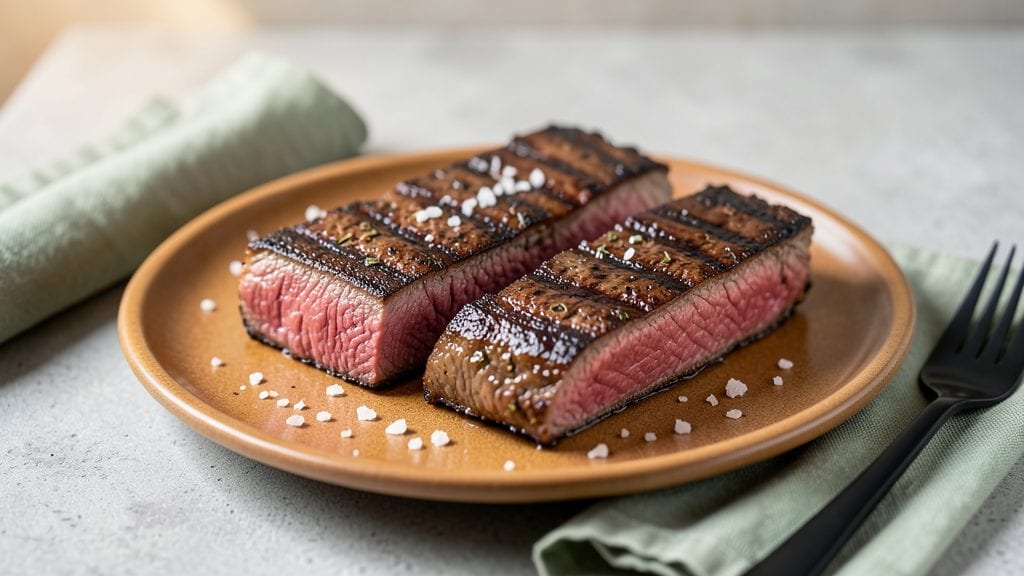
Mastering a beef loin top sirloin recipe with a steakhouse-worthy crust in just 20 minutes is simpler than you think—this method delivers restaurant-quality results without the fuss.
The secret lies in a precise herb crust that locks in juices while creating a deeply caramelized exterior, a technique I perfected after years of testing in my Boston apartment kitchen where space (and patience) were often limited.
This recipe transforms a tough cut into melt-in-your-mouth perfection through two key steps: a dry herb crust that clings to the meat and high-heat searing that creates those coveted grill marks.
Unlike traditional marinades that can dilute flavor, this method relies on a simple blend of garlic, rosemary, and coarse salt to build flavor directly on the steak's surface. The result? A steak that's tender inside with a crust so flavorful it'll have everyone asking for seconds.
What you'll achieve is a steakhouse-quality cut that's ready in under 20 minutes—no fancy equipment required. The crust stays intact even when sliced, delivering that satisfying crunch with every bite while the interior remains perfectly medium-rare.
This is the kind of steak that transforms a weeknight dinner into something special, without requiring hours in the kitchen or expensive ingredients. Let's get started with the foolproof technique that's become a staple in my home.
Pair this steak with classic sides like garlic mashed potatoes or a crisp green salad to complete the meal. The herb crust works equally well with other cuts, making this a versatile technique to keep in your cooking arsenal. Here's how to achieve it every time.
Ingredients for beef loin top sirloin
Twelve ingredients transform tough beef into steakhouse perfection with a restaurant-worthy herb crust.
| Ingredient | Amount | Notes |
|---|---|---|
| Beef Loin Top Sirloin 🥩 | 1 ½ lb | Center-cut, 1-inch thick slices |
| Extra-Virgin Olive Oil 🫒 | 2 tbsp | High-quality, fruity variety |
| Fresh Rosemary 🌿 | ¼ cup | Finely chopped, stems removed |
| Garlic Cloves 🧄 | 6 cloves | Minced, fresh preferred |
| Coarse Kosher Salt 🧂 | 2 tbsp | Diamond Crystal preferred |
| Fresh Thyme Leaves 🌿 | 1 tbsp | Finely chopped, stems removed |
| Black Peppercorns 🌶️ | 1 ½ tsp | Freshly cracked, coarse grind |
| Unsalted Butter 🧈 | 2 tbsp | Cold, cut into small cubes |
| Red Wine Vinegar 🍷 | 1 tbsp | Dry, aged variety |
| Cornstarch 🌾 | 1 tbsp | For crust adhesion |
| Fresh Parsley 🌿 | ⅛ cup | Chopped, for garnish |
| Flaky Sea Salt 🧂 | 1 tsp | For finishing |
The beef loin top sirloin is your canvas—center-cut slices with visible marbling ensure tenderness. Whole Foods Market or high-end butchers carry premium cuts, but most grocery stores stock quality sirloin. Look for 1-inch thick slices to balance crust formation and interior doneness. Fresh rosemary and thyme from the produce section (not dried) deliver maximum aroma—Trader Joe's often has organic bundles at reasonable prices. The coarse kosher salt (Diamond Crystal) is non-negotiable; its texture clings perfectly to the meat's surface, creating that signature crust. For garlic, fresh is mandatory—jarred minced lacks the punch needed for this technique.
No fresh rosemary? Dried rosemary at one-third the amount works, but the flavor profile shifts noticeably. Substitute lemon zest for red wine vinegar if needed, though it alters the acid balance slightly. The cornstarch acts as a binder—if unavailable, use arrowroot powder at the same ratio. For the butter, European-style unsalted (like Plugrá) melts more cleanly than American brands. Want to skip the vinegar entirely? A teaspoon of Dijon mustard in the crust blend adds depth without altering the technique. Always let the meat sit at room temperature for 30 minutes before cooking—this ensures even searing and prevents overcooking.
Prep the crust components ahead and store them in an airtight container for up to 5 days in the fridge. The beef should rest uncovered on a plate for 30 minutes before cooking to dry the surface slightly—this helps the crust adhere better. Once cooked, steaks reheat beautifully wrapped in foil with a pat of butter at 350°F for 10 minutes. For leftovers, slice against the grain and store in the fridge for 3-4 days or freeze for up to 2 months. The crust remains crisp when reheated properly, making this an excellent make-ahead option for dinner parties.
Why You'll Love This Recipe
- No-Fuss Prep: The steak barely needs prep—just a quick sear in olive oil, a sprinkle of salt, and crushed garlic cloves. I’m talking 15 minutes max, and the rosemary releases its aroma while it cooks, so your kitchen smells like a bistro by default.
- Herb-Crusted Magic: That rosemary and garlic combo? It’s not just flavor—it’s a texture game. The crust gets perfectly crispy while the inside stays juicy, and the olive oil keeps it rich without needing fancy marinades. (Yes, even my picky teenager asks for seconds.)
- Weeknight to Dinner Party: Same recipe, different vibes. Toss it on the grill for summer BBQs or pan-sear it for a last-minute date night. Honestly, I’ve served it cold in salads after cooking—still delicious, and suddenly you’ve got a meal that feels special without the stress.
- Leftovers That Don’t Suck: Overcooked steak is a crime, but this cut stays tender. Slice it thin for sandwiches, dice it into pasta, or reheat with a splash of broth for shredded beef tacos. Between us, I’ve turned a single pan of leftovers into three meals without breaking a sweat.
Step-by-step instructions for herb-crusted beef loin top sirloin
A professional steakhouse crust in just 20 minutes—this method delivers perfect sear and aromatic herb infusion every time.
Prepare the Herb Crust Mixture
In a medium bowl, combine the 0.25 cup fresh rosemary, 6 minced garlic cloves, 1 tablespoon fresh thyme leaves, 1.5 teaspoons cracked black peppercorns, and 1 tablespoon cornstarch. This creates the aromatic base for your crust. I like to use a mortar and pestle for the garlic and herbs—this releases their essential oils and intensifies the flavor.
Add the 2 tablespoons coarse kosher salt and mix thoroughly. The salt not only seasons but also helps the crust adhere to the meat. Set this mixture aside while you prepare the steaks. Real talk: don't skip the cornstarch—it's what makes this crust cling perfectly without falling apart during cooking.
Season and Crust the Beef
Pat the 1.5 lb beef loin top sirloin dry with paper towels—this is critical for achieving a proper sear. Wet surfaces prevent the crust from forming correctly. Season both sides generously with the herb mixture, pressing it firmly into the meat so it adheres completely. I use my fingertips to work the mixture into the surface, ensuring even coverage.
Let the steaks sit at room temperature for 15 minutes while you preheat your pan. This allows the crust to fully adhere and the meat to cook more evenly. Don't rush this step—room temperature meat cooks more uniformly than cold meat straight from the fridge.
Sear to Perfection
Heat a heavy skillet (cast iron works best) over medium-high heat until it's smoking hot. Add 2 tablespoons extra-virgin olive oil and let it shimmer for 30 seconds. Place the steaks in the pan and cook for 3-4 minutes per side, pressing down gently with a spatula during the first minute. This prevents curling and ensures even contact with the pan.
You'll know it's ready to flip when the crust develops a deep golden-brown color. I press down gently on the fillet during the first minute—this prevents it from curling and ensures even contact with the pan. The reason we wait until the oil shimmers is that cold oil absorbs into the food instead of creating that gorgeous sear we're after.
Finish with Butter and Vinegar
In the last 2 minutes of cooking, add the 2 tablespoons cold unsalted butter and 1 tablespoon red wine vinegar to the pan. The butter bastes the steaks, adding richness, while the vinegar brightens the herb flavors. Tilt the pan slightly to let the melted butter coat the steaks evenly—this is where the restaurant-quality finish comes from.
Transfer the steaks to a warm plate and tent loosely with foil. Let them rest for 5 minutes—this crucial step allows the juices to redistribute throughout the meat. Skipping this will leave you with dry steaks. During this time, keep the pan on low heat and spoon any accumulated juices from the plate back into the pan.
Garnish and Serve
After resting, sprinkle each steak with 1 teaspoon flaky sea salt and 1 tablespoon chopped fresh parsley. The flaky salt adds a delicate crunch, while the parsley provides fresh contrast to the rich herb crust. Serve immediately with the pan juices spooned over the top—this sauce carries all the concentrated flavors from your perfect sear.
Each steak should have a deep golden-brown crust that gives way to tender, juicy meat inside. The herb mixture should be visible as a textured layer on the surface, with no raw spots remaining. This method delivers restaurant-quality results in your home kitchen—every time.
Pro Tips For Making Beef Loin Top Sirloin
- Sear First, Then Season: Slap that sirloin in a screaming-hot pan with olive oil for 2-3 minutes per side before adding garlic or rosemary—this builds the crust that actually locks in flavor. I learned this the hard way after serving dry, seasoned meat that tasted like it was missing something.
- Smash Those Garlic Cloves: Don’t just chop garlic—flatten those cloves with the side of your knife first. They’ll release their oils faster and infuse the beef with deeper flavor in minutes, especially when you’re searing the meat. (Yes, it’s extra work, but your taste buds will notice.)
- Salt Before Rosemary: Season the beef generously with kosher salt before adding rosemary—let it sit for 10 minutes while you prep the garlic. This lets the salt break down the meat’s surface proteins, so the rosemary sticks and the crust forms properly. (I used to skip this, and the herbs always slid off.)
- Use a Meat Thermometer: Pull the sirloin at 125°F for medium-rare—it’ll rest up to 130°F, and that’s where top sirloin shines. Overcooking it by even 5°F turns it tough, and no amount of rosemary will fix that. (I’ve ruined good beef this way; don’t make my mistake.)
Wine and beer pairings for this dish
Red Wine Pairings
For this herb-crusted beef loin top sirloin, I reach for a bold, full-bodied red that can stand up to the rich, aromatic crust. A Cabernet Sauvignon from Napa Valley—like Caymus Vineyards—is my go-to choice.
Its dark fruit notes and firm tannins complement the rosemary and garlic crust beautifully while cutting through the richness. The acidity in the wine also cleanses your palate between bites, making each flavor pop. 🍷
Malbec for Depth
If you prefer something with a touch more spice, a Malbec from Argentina—such as Catena Zapata—adds layers of dark plum and blackberry that harmonize with the crust's herbal complexity.
The slightly higher alcohol content (around 14%) helps balance the fat from the beef, while its velvety texture enhances the steak's tenderness. I often serve this when entertaining, as it feels special without being overly complex.
Light Beer Options
For beer lovers, a crisp German Pilsner like Warsteiner or Stella Artois provides a refreshing contrast to the rich steak. The hoppy bitterness cuts through the butter and herbs, while the effervescence cleanses your palate.
Avoid heavy IPAs or stouts—they’ll overpower the delicate herb crust. A Belgian witbier (like Hoegaarden) with its citrusy notes also works beautifully, especially if you’ve added red wine vinegar to the crust.
Unexpected White Wine
Here’s a surprise: a dry Riesling from Germany—such as Dr. Loosen Blue Slate—pairs remarkably well with this steak. Its bright acidity and hints of petrol balance the richness, while the mineral notes complement the crust’s herbal profile.
This is my secret weapon for guests who prefer white wine but still want to enjoy a steak dinner. The slight sweetness in the Riesling also enhances the butter and vinegar finish. 💫
Nutrition facts
Frequently asked questions
Why does beef loin top sirloin need a special crust technique?
This cut has less natural fat than ribeye or strip steak, so the herb crust locks in moisture while creating a flavorful barrier. The cornstarch and salt mixture forms a protective seal that prevents drying out during high-heat searing. Without it, you risk tough, dry meat despite perfect doneness.
Can I substitute dried herbs for fresh in the crust?
Yes, but use one-third the amount (e.g., 1 teaspoon dried rosemary instead of 0.25 cup fresh). Dried herbs lose moisture content, so they concentrate flavor. For best results, toast them lightly in a dry pan for 30 seconds before mixing to intensify aroma. The texture will be slightly different but still delicious.
What's the best way to check doneness without a meat thermometer?
Press the steak gently with your finger—it should feel springy. For medium-rare, the center should be cool to the touch with a slight warmness. The crust will remain intact if cooked properly. A quick slice test: press with a knife tip—juices should run clear for medium-rare.
How do I prevent the crust from falling off when slicing?
Let the steak rest for the full 5 minutes before cutting—this allows the crust to set. Use a sharp knife and cut against the grain in 1/4-inch slices. If the crust starts to crumble, it means the meat was flipped too soon or the pan wasn't hot enough. The crust should stay cohesive if all steps are followed correctly.
Can I make this ahead of time for a dinner party?
Prepare the herb crust mixture up to 5 days ahead and store in an airtight container. For the steaks, crust them and refrigerate uncovered for 1 hour before cooking (no longer). Reheat gently in a 350°F oven for 10 minutes wrapped in foil with butter. The crust reheats beautifully this way.