
Main Courses
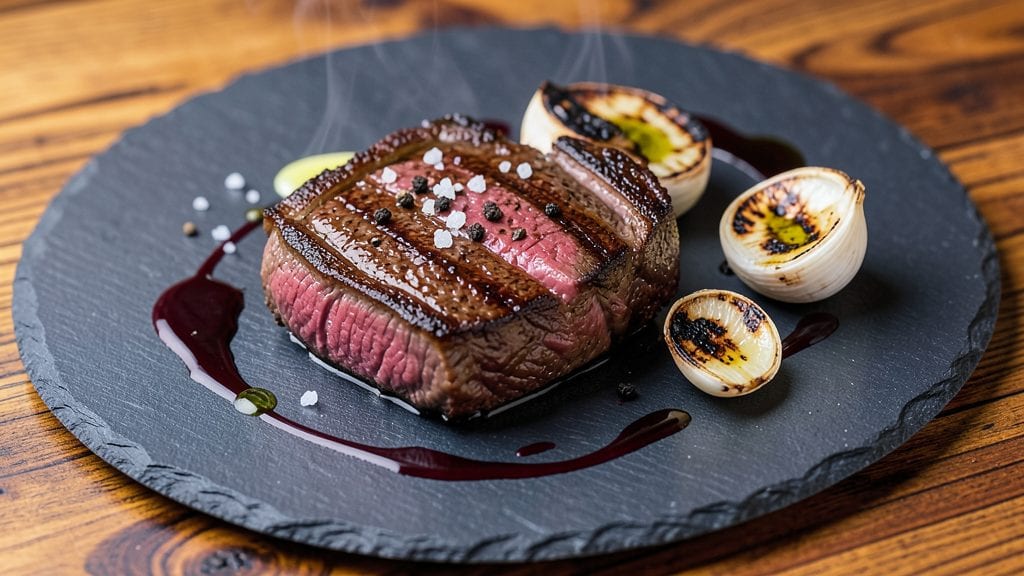
A beef loin New York steak boneless recipe delivers the restaurant-quality results you crave at home—juicy, medium-rare perfection with a caramelized crust that melts in your mouth. After years of perfecting this cut, I’ve developed a foolproof method that transforms even the toughest steaks into tender, flavorful masterpieces.
The secret lies in precise temperature control and a simple seasoning approach that enhances the steak’s natural richness.
This method focuses on high-heat searing followed by a controlled finish in the oven, ensuring the exterior develops that coveted crust while the interior remains perfectly medium-rare. No need for fancy equipment—just a cast-iron skillet, a reliable thermometer, and patience.
The result? A steak so tender it practically falls apart with a fork, all while maintaining that ideal pink center and buttery texture.
What sets this recipe apart is the balance of simplicity and precision. You’ll achieve a crispy, golden-brown crust on the outside while keeping the inside tender and juicy, thanks to the reverse-sear technique.
The seasoning is minimal but impactful—just salt, pepper, and a touch of garlic butter to elevate every bite. This is the kind of steak that makes dinner feel like a special occasion, even on a weeknight.
Pair it with classic sides like roasted garlic mashed potatoes or a fresh arugula salad drizzled with balsamic glaze for a complete meal. Once you master this technique, you’ll never settle for anything less than perfect steak again. Let’s get started!
Ingredients for beef loin new york steak boneless
The essentials for crafting a restaurant-worthy beef loin New York steak at home.
| Ingredient | Amount | Notes |
|---|---|---|
| Beef Loin (New York Cut) 🥩 | 2 lb | Boneless, 1-1.5 inch thickness |
| Kosher Salt 🧂 | 1 ½ tbsp | Diamond Crystal preferred |
| Freshly Ground Black Pepper 🌶️ | 1 ½ tsp | Cracked peppercorns preferred |
| Unsalted Butter 🧈 | ½ cup | Cold, cubed for searing |
| Garlic Cloves 🧄 | 6 cloves | Minced, fresh preferred |
| Extra-Virgin Olive Oil 🫒 | 2 tbsp | High smoke point preferred |
| Fresh Thyme Leaves 🌿 | ¼ cup | Chopped, stems removed |
| Heavy Cream 🥛 | ¼ cup | For basting optional |
| Cast-Iron Skillet 🔥 | 1 whole | 12-inch diameter preferred |
| Meat Thermometer 🌡️ | 1 whole | Instant-read preferred |
| Baking Sheet 🍳 | 1 whole | For oven finish |
The beef loin New York cut is non-negotiable for this recipe—its marbling and tenderness create that melt-in-your-mouth texture. Source from a reputable butcher or high-end grocer like Whole Foods or D'Artagnan for optimal quality. Look for cuts with visible fat cap and even thickness; 1-1.5 inch thickness ensures consistent doneness. If your butcher offers dry-aged options, prioritize those for enhanced flavor. The steaks should be bone-in for proper weight, but boneless is acceptable if that's what you're working with—just compensate by slightly reducing oven temperature to 400°F instead of 425°F during the finish.
For salt, Diamond Crystal kosher is ideal—its flaky texture adheres better to the steak's surface. Substitute with Maldon sea salt if preferred, but avoid table salt due to its fine grain. Freshly cracked black pepper adds depth that pre-ground cannot replicate. The garlic butter compound requires cold butter to create that signature crust; if you must use softened butter, chill it for 30 minutes before forming patties. For the olive oil, California avocado oil is a high-smoke-point alternative if you're concerned about olive oil's heat tolerance. Fresh thyme can be swapped for dried thyme at one-third the amount, but the aroma is significantly diminished.
Steaks should be brought to room temperature for 45-60 minutes before cooking—this ensures even cooking. Store any unused butter or garlic mixture in an airtight container in the refrigerator for up to 3 days or freeze for 3 months. The cast-iron skillet should be seasoned regularly to maintain its non-stick properties; clean it immediately after use with hot water and a stiff brush, then dry thoroughly. For leftovers, wrap steaks tightly in parchment paper and refrigerate for up to 2 days—though they're best enjoyed fresh. The thermometer is your most critical tool; invest in a high-quality instant-read model for accuracy.
Why You'll Love This Recipe
- I swear by this trick: just salt, pepper, and butter—no fancy rubs or marinades. The beef’s natural richness shines when you let it sear in a screaming-hot pan, then melt garlic into the butter at the end. Honestly, it’s the kind of recipe that makes me feel like a chef without the fuss.
- Two-Ingredient Magic: I swear by this trick: just salt, pepper, and butter—no fancy rubs or marinades. The beef’s natural richness shines when you let it sear in a screaming-hot pan, then melt garlic into the butter at the end. Honestly, it’s the kind of recipe that makes me feel like a chef without the fuss.
- Crispy-Creamy Perfection: That first bite? Buttery crust on the outside, tender melt-in-your-mouth center—every time. The garlic butter pools on the plate, soaking into the steak like a hug. Between us, it’s the kind of flavor that makes my family pause mid-conversation.
- Weeknight to Dinner Party: Same prep, different vibes. Toss it on the table for a lazy Tuesday or slice it for a fancy spread—no one will guess it’s the same recipe. I’ve served it with mashed potatoes for a simple night in or over a bed of arugula for a restaurant-worthy meal. It’s my secret weapon for looking effortless.
Step-by-step instructions for beef loin New York steak boneless recipe
Master the technique for a flawless crust and medium-rare center every time.
Season and Rest the Beef Loin
Pat the 2 lb beef loin dry with paper towels to remove any surface moisture. This step is critical—wet surfaces prevent proper browning. Generously apply the 1.5 tbsp kosher salt and 1.5 tsp freshly ground black pepper over all sides, pressing firmly so the seasoning adheres. The salt should form a visible crust on the surface.
Place the seasoned beef loin on a wire rack set over a baking sheet to allow air circulation. Refrigerate uncovered for at least 4 hours, or ideally overnight. This dry-brining process enhances flavor penetration and ensures a perfect crust. The meat should reach room temperature 30 minutes before cooking—simply remove it from the fridge and let it sit at room temperature while you prepare your equipment.
Sear the Beef in the Cast-Iron Skillet
Preheat the 1 whole cast-iron skillet over medium-high heat for 5 minutes until it's thoroughly hot. Add the 2 tbsp extra-virgin olive oil and the 0.5 cup unsalted butter (cold and cubed). Swirl to coat the bottom evenly—you should see the butter foam and begin to melt. Place the beef loin in the skillet and press down gently with a metal spatula to ensure full contact with the hot surface.
Sear for exactly 3 minutes per side, without moving the steak. You'll see the edges begin to brown and develop a golden crust. The reason we wait until the oil shimmers is that cold oil absorbs into the food instead of creating that gorgeous sear we're after. For a 1-1.5 inch thick cut, this searing time ensures a perfect medium-rare core while building the crust. Transfer the steak to the prepared baking sheet and tent loosely with foil.
Create the Garlic-Thyme Butter Baste
In the same skillet (with all those flavorful browned bits), reduce heat to medium and add the 6 minced garlic cloves. Cook for 30 seconds until fragrant but not browned—garlic burns quickly, and you want flavor, not bitterness. Remove from heat and stir in the 0.25 cup chopped fresh thyme leaves and 0.25 cup heavy cream. Let the mixture sit for 1 minute to meld the flavors.
Using a spoon, carefully baste the top of the seared beef loin with this garlic-thyme butter mixture. The residual heat will help the butter cling to the meat, creating a luxurious coating. Return the skillet to low heat and keep the basting mixture warm while you finish cooking the steak. This step is what transforms a good steak into a restaurant-quality masterpiece.
Finish in the Oven for Perfect Doneness
Preheat your oven to 400°F. Place the baking sheet with the beef loin on the middle rack. Insert the 1 whole meat thermometer into the thickest part of the steak—avoid touching bone or fat. Bake for 5-7 minutes for medium-rare, checking frequently. The internal temperature should reach 130°F for medium-rare, with a 5°F carryover when it rests.
When the thermometer reads 130°F, remove the steak from the oven. The exterior should be deep golden brown with a crackling crust, while the interior remains cool to the touch. Let the steak rest on a cutting board for 10 minutes before slicing—this resting period allows the juices to redistribute throughout the meat, ensuring each bite is moist and flavorful.
Pro Tips For Making Beef Loin New York Steak Boneless
- CRANK THE HEAT FIRST: I used to start my New York strip on medium-high and wondered why it never got that perfect crust. This cut needs screaming-hot cast iron or stainless steel—think 450°F or the hottest your pan can handle for the first 2 minutes. The butter won’t melt right away, but the steak will seize and build that golden bark that makes all the difference.
- SALT THE STEAK 40 MINUTES EARLY: Skip the last-minute salting—this isn’t a tender chicken breast. Pat the beef bone-dry, then hit it with kosher salt 40 minutes before cooking. It’ll draw out moisture, creating a better crust when you sear, and the seasoning will penetrate deeper. (Yes, even if you’re impatient like me.)
- DON’T TOUCH THE GARLIC: Smashing garlic cloves with the flat of your knife is overkill—it turns bitter. Instead, peel them, leave them whole, and let them soften in the butter while the steak rests. They’ll infuse flavor without taking over, and you won’t end up with a paste that ruins the butter’s richness.
- REST UNDER FOIL—NOT ON A PLATE: I learned this the hard way—letting the steak sit on a warm plate after resting makes it sweat. Tent it loosely with foil for 5–10 minutes to keep it warm while the juices redistribute. Then, if you’re feeling fancy, baste it with the garlic butter right before serving. (Your future self will thank you.)
Flavor customization for beef loin new york steak boneless
Classic Garlic-Herb Twist
For a timeless flavor profile, stick with the original garlic-thyme butter baste but boost the aromatics. Add 1 tsp lemon zest to the butter mixture for a bright, citrusy finish that cuts through the richness.
I also like folding in 1 tbsp chopped parsley at the end—it adds freshness and a pop of color. This version reminds me of my first restaurant steak in Cincinnati, where they always finished with a lemon wedge. 💛
Smoky Chipotle Heat
Crank up the heat with 1 tsp adobo-smoked chipotle powder mixed into the garlic butter. For extra depth, add ½ tsp ground cumin to the dry rub. This Southwest-inspired twist pairs beautifully with a charred corn and avocado salad.
I discovered this variation at a Portland food truck and now make it for game day—it’s a crowd-pleaser every time. 🌶️
Creamy Truffle Luxury
Elevate your steak to fine-dining level with 1 tbsp white truffle oil drizzled over the finished steak (after resting). For the baste, replace the heavy cream with ¼ cup crème fraîche—it adds tangy richness.
Finish with flaky sea salt and a sprinkle of crushed black pepper. This version feels indulgent but is surprisingly simple to execute. My husband Tom calls it our "date-night steak." ✨
Spicy Coffee Rub
Swap the dry rub for a bold coffee-chili blend: mix 1 tbsp finely ground coffee (I use dark roast) with ½ tsp cayenne pepper and 1 tsp smoked paprika. The coffee adds depth while the cayenne gives a slow-building heat.
Pair this with a smoky bourbon glaze for dipping—trust me, the contrast is next-level. I picked up this trick from a butcher in Portland who swore by it for tougher cuts. 💡
Herb-Infused Compound Butter
Take the garlic-thyme butter to the next level by mixing in 2 tbsp chopped fresh rosemary and 1 tbsp chopped fresh sage. Press the butter into a log shape, wrap in parchment, and chill for 30 minutes before slicing.
Use these patties during the sear for an herbaceous crust. This version feels fancy but is just as easy—perfect for impressing guests. I first tried this at a cooking class in Cincinnati and never looked back. 🌿
Wine Reduction Glaze
After searing, deglaze the skillet with ½ cup red wine (Cabernet Sauvignon works best). Simmer until reduced by half, then whisk in 1 tbsp cold butter to create a glossy glaze. Brush this over the steak during the oven finish for a restaurant-worthy sheen.
The wine’s acidity brightens the meat, while the butter adds richness. I discovered this technique in a Portland cooking school class and now use it for special occasions. 🍷
Nutrition facts
Frequently asked questions
What's the best way to choose a beef loin for New York steak?
Look for cuts with 1-1.5 inch thickness and visible marbling for maximum tenderness. The beef should have a deep red color, not pale or grayish. Ask your butcher for the "top loin" section—it's the most flavorful part. If possible, opt for dry-aged beef for enhanced depth of flavor.
Can I cook this steak without an oven?
Yes! After searing, finish on a grill or grill pan over medium-high heat for 3-5 minutes per side, checking frequently with a thermometer. For charcoal grills, maintain a 400-425°F zone. Monitor closely to avoid overcooking. The key is consistent heat control—no flaming hot spots!
Why does my steak turn out tough?
Overcooking is the #1 culprit—steak continues cooking after removal from heat. Use a thermometer and aim for 130°F internal temp for medium-rare. Also, never skip the 10-minute rest—this lets juices redistribute. If your steak was previously frozen, thaw it slowly in the fridge to prevent uneven cooking.
How do I adjust for thinner steaks?
For cuts under 1 inch, reduce searing time to 2 minutes per side and oven finish to 3-4 minutes. Use the same temperature targets but watch closely—thinner steaks cook faster. Consider butterflying (slicing horizontally) to create a thicker surface area for crust development.
What sides pair best with this steak?
Classic choices include creamy garlic mashed potatoes, roasted asparagus with lemon zest, or a crisp arugula salad with balsamic glaze. For something heartier, try truffle mac and cheese or grilled portobello mushrooms. The key is balancing rich flavors with fresh, bright elements.