
Main Courses
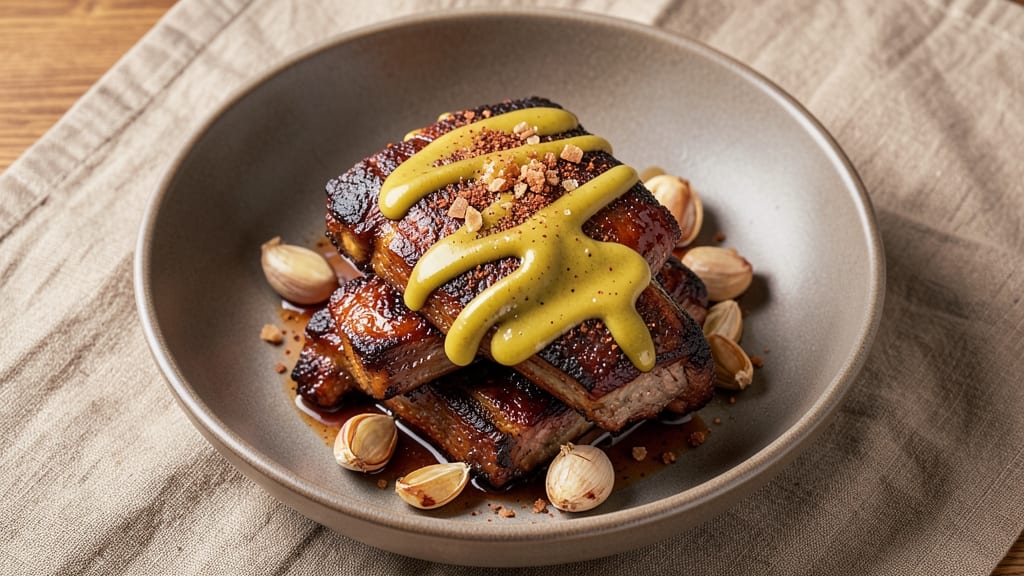
This beef loin New York boneless ribs recipe delivers restaurant-quality results without the bone-in hassle, using a precise dry rub and high-heat cooking method. After years of perfecting this technique, I’ve eliminated the guesswork—just season, sear, and smoke for tender meat with a deep, smoky bark.
The secret lies in a balanced blend of spices that penetrate the meat while a controlled cooking process ensures juicy, melt-in-your-mouth texture.
The beauty of working with boneless beef loin ribs is their efficiency—no trimming or deboning required, and they cook faster than traditional ribs. A 30-minute marinade (optional but recommended) enhances flavor, while the dry rub creates that signature New York-style bark.
High-heat searing locks in juices, and a 225°F oven finish ensures even cooking without drying out the meat.
What you’ll end up with is a perfectly balanced dish: a dark, crackling crust that gives way to tender, flavorful meat inside. The smoky aroma alone will have everyone at the table anticipating the first bite.
These ribs pair beautifully with classic sides like garlic mashed potatoes or a crisp green salad, making them ideal for both weeknight dinners and special occasions.
Whether you’re grilling, smoking, or using your oven, this method guarantees restaurant-quality results every time. The key is patience—letting the meat rest before slicing ensures clean cuts and maximum flavor. Ready to master this foolproof technique? Let’s get started.
Ingredients for beef loin new york boneless ribs
Precision-cut beef loin ribs and a balanced marinade blend create restaurant-style smoky bark without bone fuss.
| Ingredient | Amount | Notes |
|---|---|---|
| Beef Loin Ribs (Boneless) 🥩 | 2 lb | Evenly sized cuts preferred |
| Yellow Mustard 🍯 | ¼ cup | For marinade base |
| Worcestershire Sauce 🍶 | 2 tbsp | High-quality brand recommended |
| Garlic Cloves 🧄 | 6 cloves | Freshly minced for marinade |
| Smoked Paprika 🌶️ | 2 tbsp | For deep smoky flavor |
| Brown Sugar 🍚 | 1 tbsp | Light or dark variety |
| Kosher Salt 🧂 | 1 ½ tbsp | Diamond Crystal preferred |
| Ground Black Pepper 🌶️ | 1 tbsp | Freshly cracked preferred |
| Ground Cumin 🌿 | 1 tsp | Toasted for depth |
| Onion Powder 🧅 | 1 tsp | Freshly ground preferred |
| Extra-Virgin Olive Oil 🫒 | 2 tbsp | For searing and basting |
| Apple Cider Vinegar 🍎 | 1 tbsp | For marinade tang |
| Honey 🍯 | 1 tbsp | Wildflower preferred |
The quality of the beef loin ribs is non-negotiable—look for cuts with good marbling and even thickness. Whole Foods Market or your local butcher shop are ideal sources; ask for boneless loin ribs cut into uniform 1-inch slices. The marinade ingredients (mustard, Worcestershire, garlic) work together to tenderize while adding depth. For Worcestershire, Lea & Perrins is the gold standard, but any high-quality brand will suffice. Fresh garlic and extra-virgin olive oil elevate the marinade's complexity, so don't skimp on these components. The ribs should be refrigerated uncovered for 30 minutes after marinating to develop that signature bark.
No Worcestershire sauce? Substitute with 1 tbsp soy sauce plus 1 tsp molasses for umami depth. Smoked paprika can be swapped for regular paprika plus a pinch of liquid smoke, though the flavor won't be identical. The brown sugar in the dry rub is crucial—it caramelizes during cooking, creating that signature New York bark. For a sweeter profile, increase to 1.5 tbsp. If you're short on time, the ribs can be marinated for just 15 minutes, though 30 minutes yields superior results. The apple cider vinegar adds brightness, but rice vinegar at half the amount works in a pinch.
Marinated ribs should be refrigerated in an airtight container for up to 24 hours, though they're best used within 8 hours for maximum tenderness. The dry rub can be pre-mixed and stored in an airtight container for 2 weeks at room temperature. Leftover cooked ribs reheat beautifully in a 350°F oven for 15 minutes, covered with foil. For meal prep, portion into single-serving containers with a drizzle of extra marinade for serving.
Why You'll Love This Recipe
- I make these for everything: a lazy Tuesday dinner, a game-day spread, or when my in-laws visit unannounced. They’re hearty enough for a main but easy enough to pair with anything—mashed potatoes, a crisp green salad, or even just crusty bread to soak up the sauce. Here’s what sold me: they’re the one dish that works for both casual and fancy moments without breaking a sweat.
- No Fuss, Big Payoff: I swear by this recipe because it’s the kind of meal that feels like a hug—no brining, no babysitting the grill, just boneless beef loin ribs tossed in a punch of yellow mustard, Worcestershire, and smoked paprika. The ribs stay juicy while the edges caramelize, and honestly? That’s the magic right there—minimal effort for maximum flavor.
- Umami Bomb: Between the deep, tangy kick of Worcestershire and the subtle heat of smoked paprika, these ribs hit different. The garlic cloves roasted right in the mix? They release this incredible aroma that makes my kitchen smell like a steakhouse, and the mustard adds just enough creaminess to balance the richness. It’s the kind of taste that lingers—and makes you want to eat them all over again.
- Weeknight or Weekend: I make these for everything: a lazy Tuesday dinner, a game-day spread, or when my in-laws visit unannounced. They’re hearty enough for a main but easy enough to pair with anything—mashed potatoes, a crisp green salad, or even just crusty bread to soak up the sauce. Here’s what sold me: they’re the one dish that works for both casual and fancy moments without breaking a sweat.
Step-by-step instructions for beef loin New York boneless ribs
Mastering these ribs means balancing bold flavors with precise technique—here's how to nail it.
Prepare the Dry Rub and Marinate the Ribs
In a medium bowl, combine the 2 tablespoons smoked paprika, 1 tablespoon brown sugar, 1.5 tablespoons kosher salt, 1 tablespoon ground black pepper, 1 teaspoon ground cumin, and 1 teaspoon onion powder. Mix thoroughly until the spices are evenly distributed and form a cohesive paste with the brown sugar.
Pat the 2 lb beef loin ribs (boneless) dry with paper towels, removing any excess moisture from the surface. This step is critical—wet surfaces prevent proper rub adhesion and crisp bark formation. Apply the dry rub generously to all sides of the ribs, pressing firmly so the spices cling directly to the meat. Place the ribs in a shallow dish and set aside.
In a separate small bowl, whisk together the 0.25 cup yellow mustard, 2 tablespoons Worcestershire sauce, 1 tablespoon apple cider vinegar, and 1 tablespoon honey. This marinade creates a sticky base that helps the rub adhere and adds depth of flavor. Pour the mixture evenly over the ribs, coating them completely. Cover the dish and refrigerate for at least 4 hours, or preferably overnight, to allow the flavors to penetrate deeply.
Sear the Ribs for Maximum Flavor Development
Remove the ribs from the refrigerator 30 minutes before cooking to bring them to room temperature. This ensures even cooking and better sear development. Heat a heavy oven-safe skillet over medium-high heat and add the 2 tablespoons extra-virgin olive oil. Let the oil heat until it shimmers but doesn't smoke—this prevents the rub from burning before proper browning occurs.
Place the ribs in the hot skillet, fat-side down if applicable, and sear undisturbed for 4-5 minutes until a deep golden crust forms. Here's the thing—don't move them during this initial sear. The crust forms through direct contact with the hot pan, and disturbing it too soon will create an uneven finish. Flip the ribs once and sear the other side for another 4-5 minutes. The goal is to develop that coveted bark while keeping the interior tender.
Transfer the seared ribs to a wire rack set over a baking sheet. This elevation allows heat to circulate around all surfaces, preventing steam buildup that can soften the crust. Let them rest for 5 minutes while you prepare the oven.
Bake to Perfect Doneness with Crisp Bark
Preheat your oven to 325°F. The lower temperature ensures slow, even cooking that develops deep flavor without drying out the meat. Place the seared ribs on the wire rack in a baking dish and bake for 2 to 2.5 hours, depending on your preferred level of tenderness. You'll know they're ready when they reach an internal temperature of 195-203°F at the thickest point—this is the "probe-tender" stage where the meat should pull apart easily with minimal resistance.
Here's where attention to detail matters: I like to baste the ribs every 30 minutes during cooking with their own rendered juices. Use a spoon to collect the accumulated juices in the baking dish and gently brush them over the surface of the ribs. This keeps the meat moist while enhancing the bark development through repeated exposure to heat.
If you notice the bark becoming too soft during cooking, increase the oven temperature to 350°F for the final 15 minutes of cooking. This quick boost helps crisp the exterior while maintaining the tender interior. The ribs should emerge with a deep mahogany crust that crackles when touched and meat that practically falls apart at the touch.
Rest and Serve for Optimal Texture
Remove the ribs from the oven and transfer them to a cutting board. Tent loosely with aluminum foil and let them rest for 15 to 20 minutes before serving. This resting period is non-negotiable—it allows the juices to redistribute throughout the meat, ensuring each bite is moist and flavorful rather than dry and stringy.
During this time, you can make a quick pan sauce using the rendered juices from the baking dish. Place the baking sheet on the stovetop over medium heat and scrape up all the browned bits from the bottom with a wooden spoon. Add 2 tablespoons water and let it simmer for 2-3 minutes until slightly thickened. This sauce adds another layer of depth to your presentation.
Slice the ribs against the grain into 1-inch thick portions for serving. The meat should be fork-tender with a crisp exterior that contrasts beautifully with the tender interior. Serve immediately with the pan sauce drizzled over the top, accompanied by classic sides like roasted potatoes or a fresh garden salad.
Pro Tips For Making Beef Loin New York Boneless Ribs
- Trim the Fat First: Slice off that silvery fat layer before seasoning—it’s the only way to get proper browning and flavor penetration. I learned this the hard way after my first batch came out greasy and unevenly cooked.
- Sear in Batches: Crowd the pan and you’ll steam the meat instead of sear it. Work in single-layer batches over medium-high heat—yes, it takes longer, but the crust makes all the difference.
- Garlic Paste > Minced: Skip the knife and use garlic paste for even distribution. Minced garlic burns fast, and you’ll end up with bitter bits instead of smooth flavor—trust me, I’ve done it.
- Mustard Last: Toss the ribs in Worcestershire and paprika first, then brush on the mustard after searing. It’ll caramelize into a glossy glaze instead of burning into a sticky mess.
Creative variations of this beef loin new york boneless ribs
Smoky Chipotle Twist
For a deeper, smokier profile, replace ½ tbsp of the smoked paprika in the dry rub with 1 tbsp adobo sauce from canned chipotle peppers (blend it into the rub for a smoother texture). I like to use Penzeys brand chipotles in adobo for consistent heat.
Add ½ tsp ground cinnamon to the marinade for warmth—it pairs beautifully with the chipotle’s smokiness. Cook the ribs as directed, but finish with a 10-minute broil at the end to intensify the smoky bark. 🌶️
Asian-Inspired Glaze
Swap the honey in the marinade for 2 tbsp hoisin sauce and 1 tbsp rice vinegar, then add 1 tbsp grated fresh ginger and 1 minced garlic clove.
After searing, brush the ribs with a glaze made from 2 tbsp soy sauce, 1 tbsp brown sugar, and 1 tsp sesame oil during the last 15 minutes of baking. The result? Sweet, tangy, umami-rich ribs with a glossy finish.
Serve with steamed jasmine rice and quick-pickled cucumbers for contrast. 🍚
Herb-Infused Bark
Boost the dry rub with 1 tbsp finely chopped fresh rosemary and 1 tbsp fresh thyme leaves (or 1 tsp each dried herbs if fresh isn’t available). Toast the herbs in a dry skillet for 1 minute to release their oils before mixing into the rub.
The herbs add an earthy aroma that pairs perfectly with the smoky flavors. For extra brightness, add 1 tsp lemon zest to the marinade. These ribs shine with a herbaceous crust and a juicy interior. 🌿
Spicy Cajun Kick
Transform these ribs into a Cajun-style dish by adding 1 tbsp cayenne pepper and 1 tsp dried oregano to the dry rub. In the marinade, replace the Worcestershire sauce with 2 tbsp Cajun seasoning (like Tony Chachere’s) and add 1 tbsp hot sauce (like Crystal or Tabasco).
After baking, serve with a side of cornbread and collard greens for a full Southern-inspired meal. The heat cuts through the richness beautifully. 🔥
Sweet & Sticky BBQ
For a sticky, caramelized finish, brush the ribs with ½ cup BBQ sauce (like Stubb’s Original) during the last 30 minutes of baking. Increase the oven temp to 350°F for the final 15 minutes to help the sauce caramelize into a glossy glaze.
Pair with baked beans and corn on the cob for a classic BBQ spread. The sauce adds a sweet, tangy contrast to the smoky bark. 🍯
Lemon-Pepper Brightness
Lighten up the flavor profile by adding 1 tbsp lemon pepper seasoning (or mix 1 tsp lemon zest + 1 tsp black pepper) to the dry rub. In the marinade, replace the Worcestershire sauce with 2 tbsp lemon juice and add 1 tbsp olive oil.
The citrus cuts through the richness, making these ribs feel lighter yet still bold. Serve with a cucumber-dill salad for a refreshing contrast. ✨
Nutrition facts
Frequently asked questions
Why do boneless beef loin ribs cook faster than traditional bone-in ribs?
Boneless cuts like beef loin ribs have less connective tissue and a smaller mass, so they cook through in 2-2.5 hours versus 4-6 hours for bone-in versions. The lack of bone also means more even heat distribution, preventing dryness. The key is maintaining 325°F with occasional basting to keep the exterior crisp while the interior stays tender.
Can I substitute beef loin ribs with beef short ribs?
While beef short ribs work, they require longer cooking times (4-5 hours) due to their higher fat content and connective tissue. For a direct swap, reduce the marinade time to 1 hour and increase the dry rub to 2 tbsp per pound. Monitor internal temp closely—short ribs are done at 205°F for maximum tenderness.
What’s the best way to reheat leftover beef loin ribs?
Wrap ribs tightly in foil and reheat in a 350°F oven for 15-20 minutes with a splash of beef broth. Avoid microwaving—it ruins the bark. For extra crispiness, broil for 2-3 minutes at the end. The meat stays tender while the crust re-crispifies.
How do I fix ribs that turned out too dry?
If the meat is dry, it likely didn’t rest long enough or was overcooked. For future attempts, rest for 20 minutes before slicing and check internal temp at 195°F. To salvage undercooked ribs, wrap them in foil with 2 tbsp beef broth and steam at 325°F for 30 minutes. Overcooked ribs can’t be fully revived, but shredding and using them in tacos or sandwiches works well.
Can I make these ribs in a slow cooker?
Not ideal for bark development, but you can adapt the method: Sear ribs first, then cook on low for 6-8 hours with ¼ cup apple cider vinegar and 1 tbsp brown sugar in the slow cooker. The bark will be softer, but the meat stays juicy. For best results, finish with a 5-minute broil to crisp the exterior.