
Sauces & Condiments
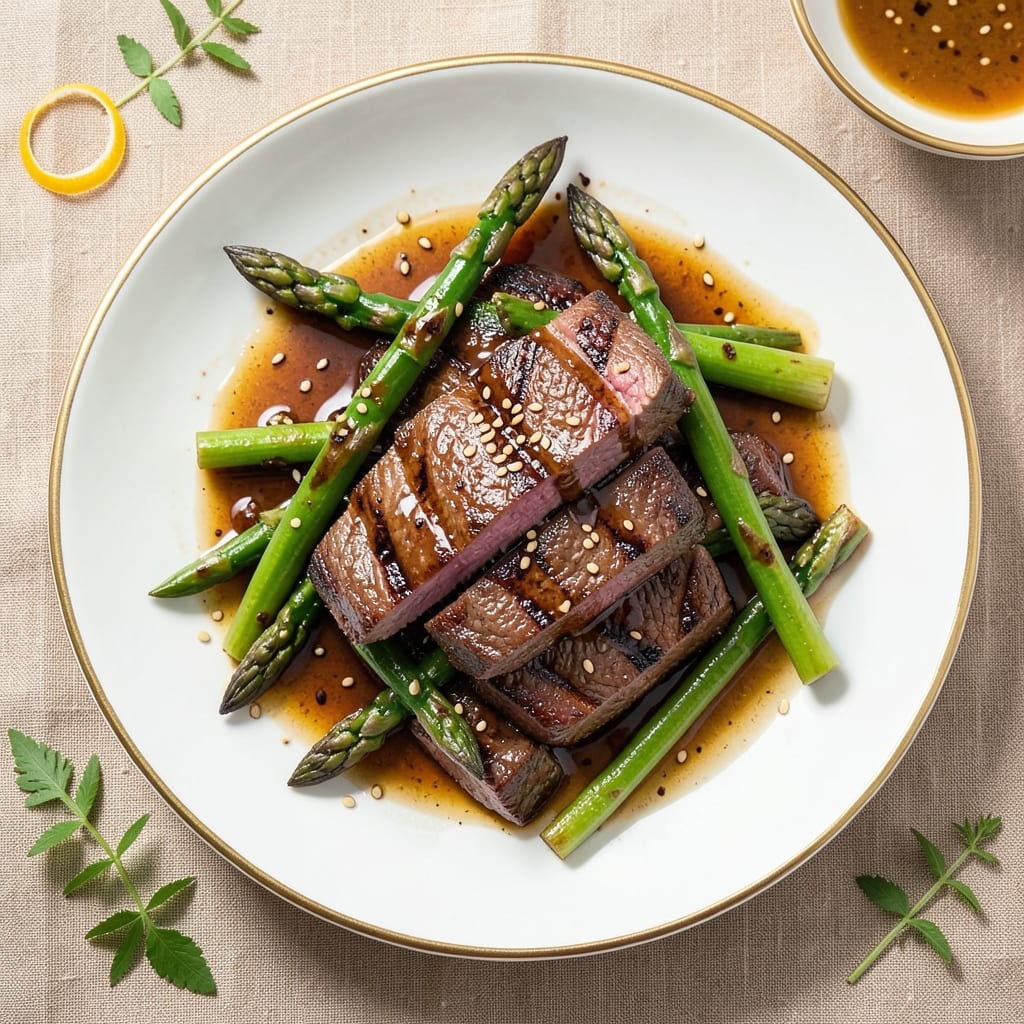
This beef asparagus oyster sauce recipe delivers restaurant-quality wok-hei flavor right in your kitchen, where perfectly seared beef meets tender asparagus in a glossy, umami-rich sauce. The secret lies in high-heat searing for that signature crispy texture while preserving the asparagus' vibrant green center, then finishing with a velvety oyster sauce that ties everything together. I developed this dish after years of testing—balancing sweet, salty, and savory notes to create a harmony that's both comforting and sophisticated.
The beauty of this recipe is its simplicity: just a few key ingredients transform into a complete meal that takes under 30 minutes from start to finish. You'll work with thinly sliced beef that cooks quickly on high heat, creating those coveted caramelized edges, while the asparagus stays crisp-tender. The oyster sauce adds depth without overpowering, creating a glossy finish that coats every bite. This isn't just another stir-fry—it's a dish that feels special enough for company but easy enough for weeknights.
What makes this recipe truly shine is the contrast of textures—crispy beef, silky asparagus, and the smooth sauce—each element playing its part in perfect balance. The high-heat cooking method locks in juices while developing that restaurant-style wok flavor, while the oyster sauce adds layers of complexity that elevate simple ingredients. Serve it over steamed rice or noodles to soak up every last bit of that flavorful sauce, and you'll have a complete meal that's as impressive as it is delicious.
Don't worry if you've never cooked with oyster sauce before—I'll guide you through every step, from proper slicing techniques to achieving that perfect wok-hei finish. The result is a dish that's quick, satisfying, and packed with flavor, proving you don't need complicated recipes to create restaurant-quality meals at home. Let's get cooking!
Ingredients for beef asparagus oyster sauce
Restaurant-quality wok-hei flavor starts with these crispy beef bites and silky asparagus.
| Ingredient | Amount | Notes |
|---|---|---|
| Flank Steak 🥩 | 1 lb | Thinly sliced against grain |
| Asparagus Spears 🧅 | 1 lb | Thick ends trimmed, woody ends snapped |
| Oyster Sauce 🍶 | ¼ cup | High-quality, like Lee Kum Kee |
| Soy Sauce 🥢 | ⅛ cup | Light or dark, to taste |
| Hoisin Sauce 🍶 | 1 tbsp | For depth of flavor |
| Sesame Oil 🫒 | 1 tsp | Toasted, for aroma |
| Garlic Cloves 🧄 | 4 cloves | Minced, fresh preferred |
| Fresh Ginger 🌿 | 1 tbsp | Grated, peeled |
| Neutral Oil 🫒 | 2 tbsp | Avocado or vegetable oil |
| Cornstarch 🌾 | 1 tbsp | For tenderizing beef |
| Sesame Seeds 🌱 | 1 tsp | Toasted, for garnish |
| Green Onions 🧅 | 3 whole | Sliced, for garnish |
| Salt 🧂 | 1 tsp | Kosher or sea salt |
| Black Pepper 🌶️ | ½ tsp | Freshly ground |
The flank steak is your secret weapon here—look for well-marbled cuts at the butcher counter or pre-sliced Asian markets. Costco or Whole Foods usually carry high-quality flank steak, but any grocery store with a good meat section will do. Thinly slice it against the grain for maximum tenderness. If you can't find fresh asparagus, frozen works in a pinch, just thaw and pat dry before cooking. The oyster sauce is non-negotiable—Lee Kum Kee is my go-to, but any brand with thick, glossy texture will work. For the garlic and ginger, fresh is essential—dried just won't cut it here.
No oyster sauce? Substitute with a mix of soy sauce and a splash of balsamic vinegar, though it won't have the same depth. Short on hoisin? Extra soy sauce plus a pinch of sugar gets you close. The sesame oil is all about aroma—use the toasted kind for that nutty punch. If you're worried about the beef being too chewy, marinate it in cornstarch and soy sauce for 15 minutes before cooking. For the asparagus, thick spears hold up better than thin ones—trim the tough ends carefully with a knife, don't snap them. The high heat is key here—don't overcrowd the pan or the beef will steam instead of sear.
This dish reheats beautifully—keep it in the fridge for up to 3 days and just warm through in a skillet with a splash of water. For extra crispiness, re-crisp the beef in the pan for 30 seconds before serving. The sauce can be made ahead and stored in the fridge for up to 1 week, though it's best fresh. Garnish with toasted sesame seeds and green onions right before serving—they add that final restaurant touch. Portion over steamed jasmine rice or noodles for a complete meal.
Why You'll Love This Recipe
- One-Pan Magic: I swear by this recipe when I’m too tired to scrub pots—just sear the steak, add asparagus, then pour in that glossy oyster sauce mix. The pan does all the work while you stir for two minutes.
- Umami Bomb: That combo of oyster, soy, and hoisin? Chef’s kiss. The sauce caramelizes into a sticky, savory blanket over the beef, while the asparagus stays crisp-tender. Honestly, I’ve tried fancier sauces, but this trio wins every time.
- Lunchbox Hero: Between us, this is my go-to for meal prep. Slice the cooled beef thin, toss with asparagus, and pack it in containers—it stays fresh for days. My kids (yes, even the picky one) actually eat it cold.
- Budget Power Move: Flank steak stretches further than you’d think, and a little oyster sauce goes a long way. I make this for four people for under $15, and the leftovers reheat like it’s day one. Not the prettiest, but the taste makes up for it.
Step-by-step instructions for beef asparagus oyster sauce
Here's how to achieve that perfect wok-hei balance—crispy beef, tender asparagus, and a glossy sauce.
Marinate and Prep the Flank Steak
Place the 1 lb flank steak between two sheets of plastic wrap and pound it to an even ¼-inch thickness using a meat mallet. This ensures even cooking and maximum tenderness. In a small bowl, mix together 1 tbsp cornstarch, 1 tsp salt, and 0.5 tsp black pepper. Rub this mixture all over the steak, coating it evenly. This isn't just seasoning—it's a tenderizer that helps create that signature crispy texture.
Slice the steak thinly against the grain into ¼-inch strips, keeping them as uniform as possible. Transfer the sliced steak to a bowl and drizzle with 1 tsp sesame oil. Toss gently to coat, then let it marinate at room temperature for 15 minutes. This step is crucial—it ensures the beef cooks quickly and develops that wok-hei crispiness without drying out. Don't skip the room temperature wait; cold meat steams instead of searing.
Blanch the Asparagus for Perfect Texture
Trim the thick ends from the 1 lb asparagus spears and snap off the woody bottoms. In a large bowl, combine the asparagus with 1 tbsp neutral oil, 1 tbsp grated fresh ginger, and 4 minced garlic cloves. Toss gently to coat. Bring a pot of water to a boil and add the asparagus. Blanch for exactly 1 minute—this preserves their vibrant green color and keeps them crisp-tender. Immediately drain and plunge into ice water to stop the cooking process. This quick blanching ensures the asparagus stays bright and holds its shape when we sear them later.
Drain well and pat dry with paper towels. Here's the thing—wet asparagus will steam instead of sear, so thorough drying is non-negotiable. Arrange the asparagus on a plate and set aside. The goal is to get those spears beautifully caramelized on the outside while keeping them tender inside—just like the beef.
Build the Sauce Base
In a large wok or skillet, heat 2 tbsp neutral oil over high heat until shimmering. Add the marinated beef in a single layer and let it sear undisturbed for 1-2 minutes until the edges turn golden brown. This is where the magic happens—the beef develops that coveted wok-hei crispiness. Stir-fry for another 1-2 minutes until the beef is 80% cooked (it'll finish in the sauce), then remove and set aside.
In the same wok, reduce heat to medium-high and add the blanched asparagus. Stir-fry for 2-3 minutes until they're heated through and slightly charred in spots. Remove and set aside with the beef. Now it's time for the sauce—add 0.25 cup oyster sauce, 0.125 cup soy sauce, and 1 tbsp hoisin sauce to the wok. Bring to a gentle simmer and let it reduce by half, about 2-3 minutes. This concentrated sauce will coat every bite beautifully.
Combine and Finish with Wok-Hei Technique
Return the beef and asparagus to the wok with the reduced sauce. Toss everything together over high heat for 1-2 minutes, letting the sauce cling to the beef and asparagus. The residual heat will finish cooking the beef while keeping it tender. Taste and adjust seasoning if needed—you might want to add a touch more soy sauce for saltiness or oyster sauce for depth.
Here's the final touch: drizzle with 1 tsp toasted sesame oil and sprinkle with 1 tsp toasted sesame seeds and 3 sliced green onions. The sesame oil adds aroma, the sesame seeds provide texture, and the green onions bring freshness. Serve immediately while everything is hot—this dish is best enjoyed straight from the wok when the beef is still crispy and the asparagus retains its vibrant color.
Pro Tips For Making Beef Asparagus Oyster Sauce
- SEAR THE STEAK FIRST: Flank steak loves a good crust, and this dish isn’t the place to skimp. Hit it with a screaming-hot pan—no need for oil, just let the meat’s own fat render—and walk away for 2-3 minutes. I used to rush this, and the sauce would just pool around instead of clinging to the meat.
- TRIM ASPARAGUS LATE: Peel those asparagus spears right before cooking, not when you’re chopping them. The tips oxidize fast, turning sad and limp by the time you get to the pan. If you’re worried about prep, trim them to uniform lengths first, then peel—just don’t do it early.
- DON’T BOIL THE SAUCE: Oyster sauce thickens when it simmers, not when it bubbles. After deglazing the pan, reduce the heat to medium-low and let it barely shimmer—no rolling boil. I learned this after a batch turned gluey, and now the sauce coats everything like a dream.
- USE HOISIN LAST: Add hoisin sauce only in the final 30 seconds of cooking. It burns faster than oyster sauce and turns bitter if you let it sit. A splash at the end keeps that sweet, caramelized depth without overpowering the dish. (Yes, even if you’re impatient like me.)
Troubleshooting this recipe
Beef Too Chewy
If your beef turns out chewy instead of tender, the issue is likely slicing against the grain or insufficient marination. Always slice ¼-inch strips against the grain—this shortens the muscle fibers for maximum tenderness. For extra insurance, marinate the beef in 1 tbsp cornstarch + 1 tsp soy sauce for 20-30 minutes before cooking. This tenderizing step breaks down proteins and prevents toughness. 💡
Asparagus Overcooked
Overcooked asparagus loses its vibrant color and becomes mushy. The key is blanching for exactly 1 minute in boiling water, then shocking in ice water immediately. Pat dry thoroughly before searing—wet asparagus will steam instead of develop that perfect caramelized crust. If you're worried about timing, blanch asparagus just before cooking the beef and keep it in ice water until ready to use.
Sauce Too Thin
A thin sauce happens when you don't reduce it enough. After adding oyster sauce, soy sauce, and hoisin, simmer vigorously for 3-4 minutes until it thickens noticeably. For extra body, stir in ½ tsp cornstarch mixed with 1 tsp water at the end. If your sauce is still too thin, reduce heat slightly and let it cook longer—don't walk away from the stove during this step!
No Wok-Hei Crispiness
That signature wok-hei crispiness comes from high heat and proper timing. Use a wok or cast-iron skillet and heat it until smoking hot before adding oil. Cook beef in single layers without overcrowding, and sear undisturbed for 1-2 minutes per side. If your pan isn't hot enough, the beef will steam instead of develop that beautiful crust. A Lodge cast iron skillet works perfectly for this technique.
Uneven Cooking
Uneven cooking usually means your beef slices are inconsistent in size or you're not working quickly enough. Cut all beef slices to exact same thickness (¼-inch) and keep them separate until ready to cook. Work in batches if needed—don't overload your pan. The beef should cook in 2-3 minutes total from start to finish. If it's taking longer, increase heat and reduce crowding. 🔥
Sauce Too Salty
Oyster sauce and soy sauce are both salty, so taste as you go. If your sauce tastes too salty, balance it with ½ tsp honey or sugar to mellow the flavor. For extra depth without salt, add 1 tsp grated ginger or 1 minced garlic clove to brighten the dish. Always taste your sauce before serving—adjustments at the end make all the difference.
Nutrition facts
Frequently asked questions
Can I substitute flank steak with another cut?
Yes! Flank steak is ideal for its tenderness, but you can use sirloin, ribeye, or even chicken breast in ¼-inch slices. For pork lovers, pork tenderloin works beautifully—just reduce cooking time by 30 seconds since it cooks faster. The key is thin slicing against the grain to maintain tenderness.
How do I make this vegetarian?
Swap the beef for extra-firm tofu or king oyster mushrooms (sliced into strips). For tofu, press and marinate in 1 tbsp soy sauce + 1 tsp cornstarch for 15 minutes before cooking. Use the same high-heat searing technique with mushrooms for that wok-hei texture. The asparagus and sauce will still shine!
What's the best way to reheat leftovers?
Reheat in a skillet over medium-high heat with 1 tsp neutral oil for 1-2 minutes until piping hot. Add a splash of water to prevent drying. For extra crispiness, sear the beef again for 30 seconds before serving. Store leftovers in an airtight container for up to 3 days. The sauce reheats well too—just warm through gently.
Can I use frozen asparagus?
Frozen asparagus works in a pinch, but fresh is ideal. If using frozen, thaw and pat completely dry before blanching. The key is thorough drying—wet asparagus will steam instead of develop that perfect caramelized crust. For best results, use fresh asparagus with thick spears (they hold up better to high heat).