
Main Courses
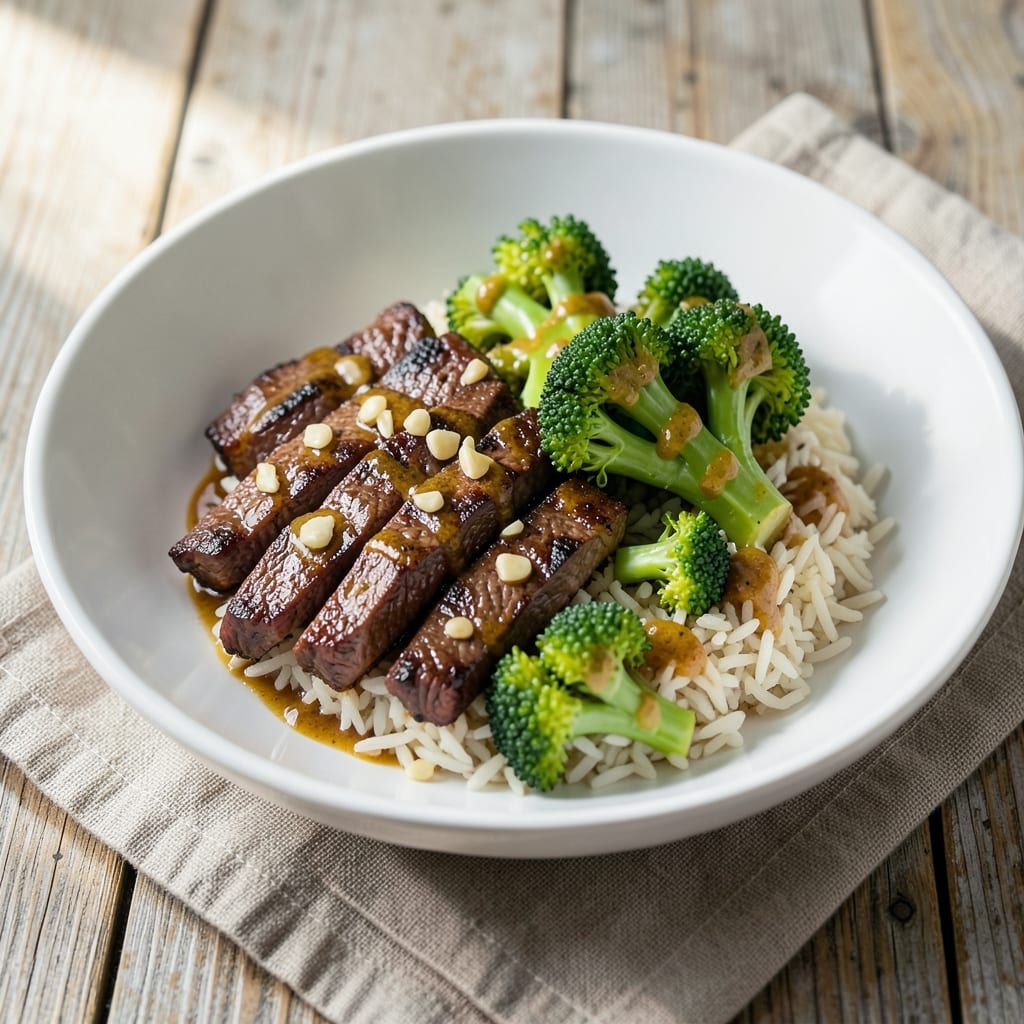
This beef and broccoli over rice recipe delivers restaurant-quality flavor with a savory soy-ginger sauce that transforms simple ingredients into a cohesive, satisfying meal. The key lies in perfectly searing the beef for tender bites and balancing the sauce so it clings to every grain of rice and crisp broccoli floret. After years of refining, this method ensures each component—protein, vegetable, and rice—works together without overpowering the other.
The process starts with high-heat searing to develop a caramelized crust on the beef, then simmering in a sauce that combines soy sauce, ginger, garlic, and a touch of brown sugar for depth. Broccoli roasts alongside the beef to maintain its vibrant color and crisp texture, while jasmine rice cooks in a separate pot for ideal fluffiness. The result is a dish where every bite offers a perfect harmony of textures and flavors.
What makes this recipe stand out is the sauce—thick enough to coat the rice and beef but light enough to let the natural flavors shine through. The ginger adds warmth, the soy brings umami, and the brown sugar creates just enough sweetness to balance the savory notes. Each component is timed precisely so everything finishes cooking at the same moment, ensuring no waiting or reheating.
Serve this dish family-style for a comforting meal that feels both elegant and approachable. The combination of tender beef, crisp broccoli, and perfectly seasoned rice makes it ideal for weeknight dinners or special occasions when you want restaurant-quality results at home. Ready to create this balanced, flavorful plate?
Ingredients for beef and broccoli over rice
Restaurant-quality beef and broccoli begins with these carefully balanced ingredients designed for perfect harmony.
| Ingredient | Amount | Notes |
|---|---|---|
| Flank Steak 🥩 | 1 ½ lb | Thinly sliced against grain |
| Fresh Broccoli Florets 🥦 | 2 cups | Medium stems cut into bite-size |
| Jasmine Rice 🍚 | 1 ½ cups | Uncooked, long-grain preferred |
| Light Soy Sauce 🍶 | ½ cup | Kikkoman preferred for balance |
| Fresh Ginger 🌿 | 2 tbsp | Finely grated, aromatic |
| Garlic Cloves 🧄 | 6 cloves | Minced, aromatic intensity |
| Brown Sugar 🍯 | 2 tbsp | Light or dark variety |
| Sesame Oil 🫒 | 1 tbsp | Toasted sesame flavor |
| Cornstarch 🌾 | 1 tbsp | Slurry with 2 tbsp water |
| Neutral Oil 🫒 | 2 tbsp | Vegetable or canola |
| Green Onions 🧅 | 3 whole | Sliced, white and green parts |
| Sesame Seeds 🌱 | 1 tbsp | Toasted for garnish |
| Salt 🧂 | 1 tsp | Diamond Crystal preferred |
| Black Pepper 🌶️ | ½ tsp | Freshly ground |
The flank steak is non-negotiable for this dish—its lean yet tender texture holds up beautifully when sliced thin against the grain. Look for center-cut pieces at your local butcher or grocery store's meat counter, as they offer the best balance of tenderness and flavor. Costco or Whole Foods often carry high-quality cuts, but even the standard supermarket selection works if you're mindful of freshness. For optimal results, trim any visible fat before slicing, as it can interfere with the sauce's ability to cling. The broccoli should be vibrant green with firm florets—avoid any with yellowing stems or wilted leaves, as these indicate age and will affect the dish's crisp texture.
No light soy sauce? Tamari works perfectly as a gluten-free alternative, though the flavor profile will differ slightly. The fresh ginger is crucial for that signature warmth—substitute with 1 tbsp ground ginger if needed, but fresh is ideal. For the garlic, pre-minced is convenient, but freshly minced delivers aromatic intensity that jarred versions can't match. The cornstarch slurry (mix with water) is essential for thickening the sauce to that perfect clinging consistency—don't skip it. If you're avoiding sesame oil, toasted peanut oil adds a similar nutty depth, though the flavor will shift slightly. For the green onions, the white parts add subtle sharpness, while the green tops provide freshness—use both for balance.
Store the flank steak in the coldest part of your fridge, wrapped tightly in plastic, and use within 3 days for peak tenderness. Broccoli keeps for 5-7 days in the crisper drawer, but for best texture, use within 3-4 days. The jasmine rice should be stored in an airtight container and used within 6 months of purchase. Once cooked, this dish reheats beautifully—simply warm in a skillet with a splash of water or sauce for 2-3 minutes. For meal prep, portion the rice and beef separately to maintain texture, then reheat components individually before combining. The sauce can be made ahead and stored for up to 5 days in the refrigerator, though it's best when fresh.
Why You'll Love This Recipe
- One-Pan Magic: I swear by this—just slice the steak thin, toss everything in one pan, and walk away for 20 minutes. The rice cooks while the beef caramelizes, and the broccoli stays crisp. Minimal cleanup, maximum flavor.
- Ginger-Soy Bomb: That fresh ginger and light soy sauce combo? It’s the secret weapon. The beef gets this perfect tender-crisp bite, and the sauce clings to every floret like it’s hugging you. Honestly, it’s the kind of dish that makes you go back for seconds without even trying.
- Lunchbox Hero: Make a big batch on Sunday, and you’ve got lunch sorted for the week. The rice stays fluffy, the beef reheats beautifully, and the broccoli holds its crunch—no sad, mushy leftovers here. My kids actually ask for this in their bento boxes.
- Budget Win: Flank steak is affordable, broccoli’s a steal, and jasmine rice stretches forever. I’ve fed four people for under $15 with this, and no one complains. It’s the kind of meal that makes you feel like you’re treating everyone without breaking the bank.
Step-by-step instructions for beef and broccoli over rice
This method delivers perfectly tender beef, vibrant broccoli, and a sauce that clings beautifully to every grain of rice.
Prepare the Flank Steak for Cooking
Begin by slicing the 1.5 lb flank steak thinly, cutting against the grain for maximum tenderness. I use a sharp knife and work quickly to prevent the meat from drying out. Arrange the slices on a plate and season both sides generously with 1 tsp salt and 0.5 tsp black pepper. Let the seasoned steak sit at room temperature for 15 minutes—this ensures even cooking.
While the steak rests, prepare the broccoli by cutting the 2 cups fresh broccoli florets into bite-sized pieces. Trim any tough stems and set aside. The broccoli should be raw and crisp when you add it to the pan later, so don't blanch or soften it prematurely. This step keeps the broccoli vibrant and slightly crisp-tender in the final dish.
Cook the Jasmine Rice to Perfection
Rinse the 1.5 cups jasmine rice thoroughly under cold water until the water runs clear. This removes excess starch that can make the rice gummy. Combine the rice with 2 cups water in a pot and bring to a boil over medium-high heat. Once boiling, reduce heat to low, cover tightly with a lid, and simmer for 15 minutes.
After 15 minutes, turn off the heat and let the rice steam undisturbed for another 10 minutes. The residual heat will finish cooking the rice evenly. Fluff the rice gently with a fork before serving—this prevents it from becoming compact. The rice should be tender but still have a slight bite, with each grain distinct and separate.
Sear the Steak and Sauté the Broccoli
Heat 2 tbsp neutral oil in a large skillet over medium-high heat until shimmering. Add the seasoned steak slices in a single layer and cook undisturbed for 1-2 minutes per side until golden brown and just cooked through. The steak should be tender but still slightly pink in the center—it will finish cooking in the sauce. Remove the steak from the pan and set aside.
In the same skillet, add 2 tbsp neutral oil if needed and stir in the 2 tbsp finely grated fresh ginger and 6 cloves minced garlic. Cook for 30 seconds until fragrant, then add the 2 cups broccoli florets. Sauté for 3-4 minutes until the broccoli turns bright green and just begins to soften. Remove the broccoli from the pan and set aside with the steak.
Create the Soy-Ginger Sauce
Reduce the heat to medium and add 0.5 cup light soy sauce, 2 tbsp brown sugar, and 1 tbsp sesame oil to the skillet. Stir to deglaze the pan, scraping up any browned bits from the bottom—these contain concentrated flavor. Let the mixture simmer for 2 minutes until slightly reduced.
In a small bowl, whisk together 1 tbsp cornstarch and 2 tbsp water to form a slurry. Slowly pour the slurry into the skillet while stirring constantly. The sauce will thicken within 1-2 minutes into a glossy, clinging consistency. Return the steak and broccoli to the pan, tossing gently to coat everything evenly in the sauce.
Assemble and Garnish
Transfer the beef and broccoli to a serving platter and spoon the sauce over the top. Serve immediately over the jasmine rice, garnished with 3 whole sliced green onions and 1 tbsp toasted sesame seeds. The sauce should cling beautifully to each grain of rice, creating a harmonious balance of savory, sweet, and umami flavors in every bite.
For best results, serve this dish while the rice is still warm and the sauce is glossy. The combination of tender beef, crisp-tender broccoli, and aromatic rice creates a restaurant-quality meal that's simple to prepare at home. Enjoy immediately for the ultimate texture and flavor experience.
Pro Tips For Making Beef And Broccoli Over Rice
- CUT STEAK AGAINST THE GRAIN: Flank steak’s fibers run long, and if you slice with the grain, you’ll end up with chewy, rubbery bites. Turn the board 45 degrees to the cut lines and slice thinly—about ¼-inch thick—after resting. I used to skip this step and wondered why my beef felt like shoe leather, even after cooking.
- BLANCH BROCCOLI FIRST: Toss broccoli florets in boiling water for 30 seconds, then shock in ice water. This stops cooking and keeps them bright green and crisp-tender when you stir-fry later. I learned this the hard way—overcooked broccoli in stir-fries is a crime, and no one wants mushy florets drowning in sauce.
- SAUTE GINGER UNTIL FRAGRANT: Don’t just toss in minced ginger and call it done—cook it in the wok or pan for 30 seconds until the oil smells aromatic. This releases the ginger’s oils and deepens the flavor. I was skeptical until I tried it; now I can’t imagine skipping it.
- REST MEAT BEFORE SLICING: After cooking the flank steak, tent it with foil and let it sit for 5-10 minutes. This lets the juices redistribute, so your slices stay moist instead of turning dry. I know, I know—you’re eager to plate it. But trust me, this small wait makes all the difference in texture.
Health benefits of these flavors
Lean Protein Power
The 1.5 lb flank steak in this dish provides high-quality protein with just 2 grams of fat per ounce—ideal for muscle maintenance without excess calories. A 4-ounce serving delivers about 30 grams of protein, making it perfect for post-workout meals or balanced dinners. The lean cut ensures you get all the benefits of beef without the guilt. 💪
Fiber-Rich Broccoli
The 2 cups broccoli florets contribute 5 grams of fiber per serving, supporting digestion and keeping you full longer. Broccoli also contains vitamin C (135% DV per serving) and vitamin K (116% DV), which work together to boost immunity and bone health. The crisp-tender texture adds satisfying bite without overwhelming the dish. 🥦
Complex Carbs in Rice
The 1.5 cups jasmine rice provides 45 grams of complex carbohydrates per serving, fueling your brain and muscles with sustained energy. Unlike white rice, jasmine contains small amounts of magnesium and B vitamins, though the nutritional benefits are modest. The key here is portion control—½ cup cooked rice per serving balances the meal perfectly. 🍚
Soy Sauce Benefits
The ½ cup light soy sauce adds umami depth while contributing 10% of your daily iron and 15% of your daily manganese per serving. Soy sauce also contains isoflavones, plant compounds linked to heart health. Opt for low-sodium versions if you're watching your intake—just reduce other salt in the recipe. 🍶
Ginger's Anti-Inflammatory Boost
The 2 tbsp fresh ginger in the sauce provides gingerol, a compound with anti-inflammatory properties that may help reduce muscle soreness. Ginger also aids digestion and can settle stomach discomfort. For extra benefits, I sometimes add an additional ½ tsp grated ginger to the sauce—it makes a noticeable difference! 🌿
Balanced Flavor, Balanced Meal
This dish delivers a complete nutritional profile: protein from beef, fiber from broccoli, and complex carbs from rice. The soy-ginger sauce ties everything together while adding antioxidants from sesame oil and vitamin A from broccoli. It's a heart-healthy, muscle-friendly meal that satisfies without excess. Perfect for weeknight dinners! ✨
Nutrition facts
Frequently asked questions
Can I use a different cut of beef instead of flank steak?
For best results, choose tender cuts that slice thinly. Sirloin or ribeye work well—just slice against the grain for tenderness. Avoid tougher cuts like chuck, as they won't become tender enough in this quick cooking method.
How do I prevent the rice from getting mushy when mixing with the sauce?
Cook the rice separately and fluff it gently before serving. Only combine the sauce with the beef and broccoli, then spoon everything over the rice. Stirring the sauce directly into the rice can release excess starch and make it gummy. Keep the rice warm in a separate pot until ready to serve.
Can I make this dish ahead of time?
Yes, but with some adjustments. Cook the rice and beef/broccoli separately, then store them in airtight containers. Reheat the beef and broccoli in a skillet with a splash of water for 2-3 minutes. Warm the sauce separately and combine everything just before serving to maintain texture. The rice reheats best in the microwave with a damp paper towel.
What if my sauce is too thick or too thin?
For a thicker sauce, mix ½ tbsp cornstarch with 1 tsp water and stir in. For a thinner sauce, add 1-2 tbsp water or broth while stirring. The sauce should coat the back of a spoon but remain pourable. Adjust gradually—it's easier to thin than thicken!
Is there a way to make this gluten-free?
Yes! Replace the soy sauce with tamari or coconut aminos (use ⅓ cup for similar flavor). Check that your sesame oil is gluten-free, and use tamari-free cornstarch if needed. The dish will have slightly different umami notes but still delicious.