
Sauces & Condiments
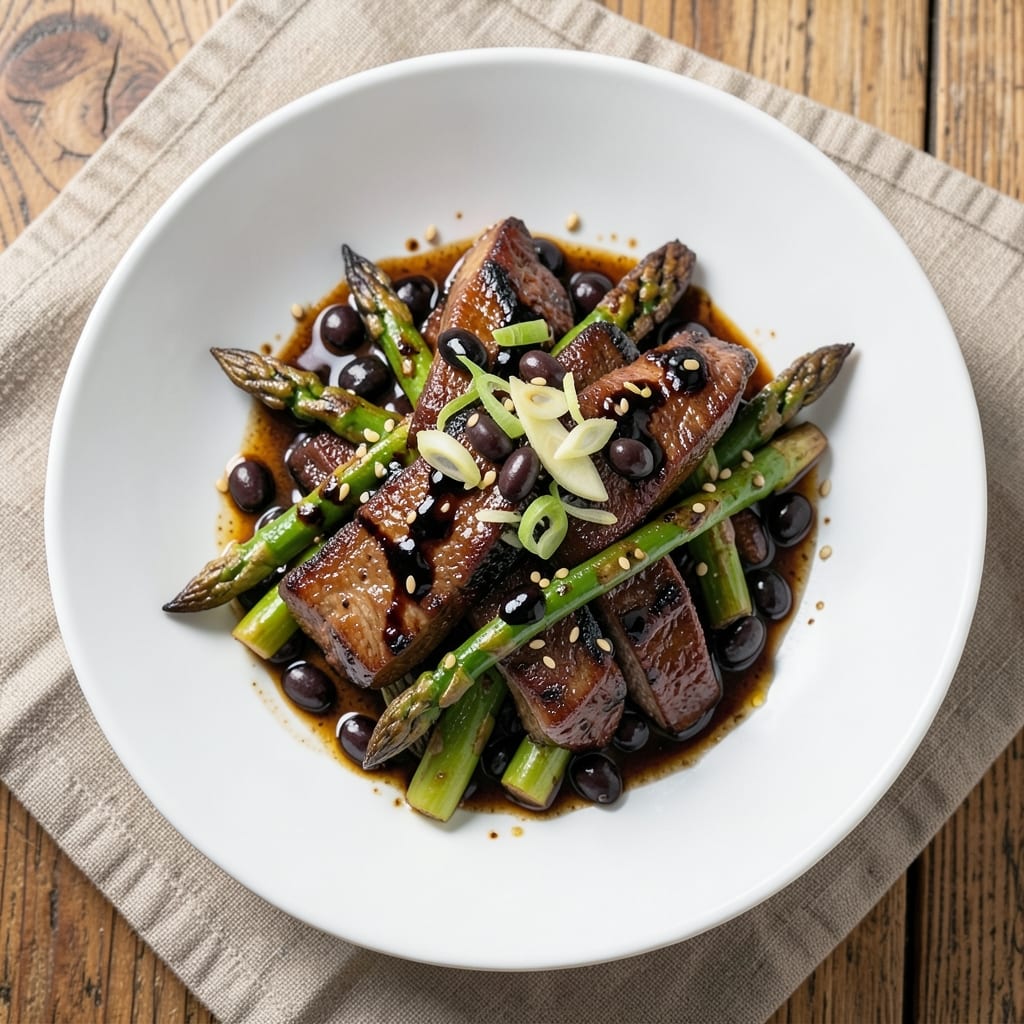
This beef asparagus black bean sauce recipe delivers a restaurant-quality wok experience with crispy beef bites and tender asparagus bathed in a rich, umami-packed sauce. The secret lies in high-heat searing for that signature texture while balancing sweet, savory, and tangy flavors in every bite. I developed this dish after years of perfecting stir-fry techniques, and it never fails to impress—even picky eaters reach for seconds. The black bean sauce adds depth that transforms simple ingredients into something extraordinary.
The beauty of this recipe is its balance: tender beef that stays juicy despite crispy edges, bright asparagus that maintains its snap, and a sauce that's both bold and harmonious. We'll start with thinly sliced beef that cooks quickly at high heat, then build the black bean sauce from scratch using fermented black beans, garlic, and ginger for authentic umami. The key technique is stir-frying the beef in batches to prevent steaming, ensuring maximum crispiness while keeping the center tender. This method delivers restaurant-quality results in your home kitchen.
What makes this dish truly special is how the components come together—crispy beef bites coated in the velvety black bean sauce, paired with vibrant asparagus that adds freshness to each bite. The sauce's rich, slightly sweet profile complements the savory beef and earthy asparagus perfectly, creating a flavor balance that's both satisfying and complex. It's the kind of meal that feels indulgent yet remains light enough for any occasion. The aroma alone will have everyone gathering around your stove.
This recipe serves four and comes together in under 30 minutes, making it ideal for weeknight dinners or weekend gatherings. The leftovers reheat beautifully, maintaining that perfect texture contrast. Whether you're feeding a family or hosting friends, this dish delivers professional-quality results with minimal effort. Let's create something memorable with this wok-heated umami bomb.
Ingredients for beef asparagus black bean sauce
Thinly sliced beef, vibrant asparagus, and fermented black beans transform into a wok-heated umami masterpiece.
| Ingredient | Amount | Notes |
|---|---|---|
| Flank Steak 🥩 | 1 ¼ lb | Thinly sliced against grain |
| Asparagus Spears 🌱 | 1 lb | Trimmed woody ends |
| Fermented Black Beans 🌿 | ½ cup | Rinsed and drained |
| Garlic Cloves 🧄 | 6 cloves | Minced for sauce |
| Fresh Ginger 🌿 | 1 ½ tbsp | Grated, peeled |
| Soy Sauce 🍶 | ½ cup | Light or dark |
| Sesame Oil 🫒 | 1 ½ tbsp | Toasted for aroma |
| Honey 🍯 | 1 tbsp | For sauce sweetness |
| Rice Vinegar 🍶 | 1 ½ tbsp | White or seasoned |
| Cornstarch 🌾 | 1 ½ tbsp | For crispy coating |
| Vegetable Oil 🫒 | ½ cup | High smoke point |
| Green Onions 🧅 | 3 whole | Sliced for garnish |
| Sesame Seeds 🌾 | 1 tbsp | Toasted for garnish |
| Salt 🧂 | 1 ½ tsp | Diamond Crystal preferred |
| Black Pepper 🌶️ | ½ tsp | Freshly cracked |
The flank steak is non-negotiable here—its lean yet tender texture holds up perfectly to high-heat searing while delivering that signature crispy bite. Look for cuts with good marbling at your local butcher or Whole Foods for the best quality. Thinly slicing against the grain is essential; a sharp knife and steady hand make all the difference. For the asparagus, Trader Joe's often carries the brightest spears, but any fresh, firm stalks will work. Trim the woody ends at a 45-degree angle for presentation. The fermented black beans add authentic umami depth—Asian markets carry the best varieties, but well-rinsed canned black beans in a pinch work too.
No fermented black beans? Miso paste at half the amount delivers a similar depth, though the texture will differ slightly. Substituting regular black beans means you'll need to soak them overnight and add a splash of fish sauce (or soy sauce) for that fermented punch. The garlic and ginger should be freshly minced—pre-minced jars lack the aromatic impact. For the sauce, Kikkoman soy sauce is a reliable choice, but any light or dark variety works. Sesame oil adds aroma, but use sparingly—it's potent. The honey and rice vinegar balance the sauce's richness; local honey adds subtle floral notes if you're feeling fancy.
Store prepped ingredients separately: beef and asparagus in airtight containers for up to 2 days, while the sauce components keep for 5 days in the fridge. For longer storage, freeze the sauce in ice cube trays—perfect for quick weeknight additions. The dish reheats beautifully, though the beef's crispiness will soften slightly. Garnish with toasted sesame seeds and sliced green onions just before serving to maintain freshness. This recipe scales well—double the ingredients for a crowd, but maintain the same wok proportions for optimal texture.
Why You'll Love This Recipe
- One-Pan Magic: I swear by this recipe when I’m too tired to wash dishes. The flank steak and asparagus roast right alongside the black beans in the same pan—no fuss, no cleanup. Honestly, that ginger-garlic glaze caramelizes into something so rich, you’ll forget you didn’t slave over it.
- Umami Bomb: Fermented black beans pack a punch—salty, funky, and deeply savory. The moment the sauce reduces and coats the beef, it’s like a flavor explosion. That crispy asparagus edge? Chef’s kiss. (Yes, even on a Tuesday night.)
- Lunchbox Hero: This dish is my secret weapon for meal prep. Slice the beef thin, toss it with the sauce, and pack it with leftover asparagus—it stays fresh for days. My kids grab it for school lunches, and my husband sneaks seconds when he thinks I’m not looking.
- Budget Powerhouse: Flank steak stretches far when sliced against the grain, and black beans add bulk without breaking the bank. I make double batches because the leftovers reheat like a dream—just toss them in a skillet with a splash of water. Not the prettiest, but the taste makes up for it.
Step-by-step instructions for beef asparagus black bean sauce
Master this wok technique to achieve perfectly crispy beef bites and a silky black bean sauce.
Prepare the Flank Steak for Crispy Perfection
Begin by thinly slicing the 1.25 lb flank steak against the grain into ¼-inch thick strips. This ensures tender bites that cook quickly and evenly. Place the sliced steak in a mixing bowl and toss with 1.5 tbsp cornstarch, 1.5 tsp salt, and 0.5 tsp black pepper until evenly coated. Let it rest for 10 minutes—this allows the cornstarch to adhere fully, creating that signature crispy exterior.
Here's the thing—don't skip the resting time. The cornstarch needs to cling properly, and the steak will develop a better sear. I press the mixture gently into the meat with my fingers to ensure full coverage. This step is non-negotiable for achieving those crispy beef bites you're after.
Build the Umami-Packed Sauce Base
Heat 0.5 cup vegetable oil in a wok or large skillet over medium-high heat until shimmering. Add the 6 cloves minced garlic and 1.5 tbsp grated fresh ginger, cooking for 30 seconds until fragrant. This quick sauté prevents the garlic from burning while extracting its full flavor potential.
Push the aromatics to the side and add the 0.5 cup fermented black beans, stirring for 2 minutes until they begin to soften slightly. Pour in 0.5 cup soy sauce, 1 tbsp honey, and 1.5 tbsp rice vinegar, stirring constantly. Let the mixture simmer for 3 minutes until it thickens slightly—this creates the foundation for your rich, complex sauce.
Cook the Crispy Beef and Asparagus Together
Working in batches if needed, add the cornstarch-coated steak strips to the wok in a single layer. Cook undisturbed for 1-2 minutes per side until deep golden brown and crispy. Remove the beef and set aside, then add 1 lb asparagus spears to the wok, tossing them with the sauce for 2 minutes until tender-crisp.
Return the beef to the wok and combine everything. Add 1.5 tbsp toasted sesame oil and stir for 1 minute to infuse the sauce with nutty aroma. The high heat is crucial here—it ensures the beef stays crispy while the asparagus absorbs the flavorful sauce. If the sauce appears too thick, add 1-2 tablespoons water to reach your desired consistency.
Finish with Garnishes and Serve Immediately
Remove the wok from heat and let it rest for 1 minute to allow flavors to meld. Stir in 3 whole sliced green onions and 1 tbsp toasted sesame seeds just before serving. These final garnishes add freshness and texture contrast to the rich dish.
Serve the beef asparagus black bean sauce immediately over steamed rice or noodles. The contrast of crispy beef, tender asparagus, and silky sauce creates a perfect balance of textures and flavors. Each bite should deliver that satisfying crunch followed by umami depth from the black beans and soy sauce.
Pro Tips For Making Beef Asparagus Black Bean Sauce
- Sear the Flank Steak First: Don’t skip the initial sear—hit the flank steak with a screaming-hot pan for 2-3 minutes per side before adding anything else. This locks in juices and builds flavor that the black bean sauce will cling to later. (Yes, even if you’re impatient like me, resist the urge to rush this.)
- Blanch Asparagus for Crisp-Tender Bites: Toss the asparagus in boiling water for exactly 30 seconds before shocking in ice water. This keeps them from turning mushy in the sauce while ensuring they stay bright green. I learned this the hard way—overcooked asparagus ruins the whole dish.
- Mash the Fermented Black Beans: Crush about half the fermented black beans with the flat of your knife before adding them to the sauce. This releases their funky, umami depth without making the dish grainy. (Your future self will notice the difference.)
- Deglaze with Soy Sauce First: After searing the garlic and ginger, splash in 1 tablespoon of soy sauce before adding the black beans. This dissolves the browned bits (fond) faster and deepens the sauce’s savory base. Skip this, and you’ll end up scraping the pan like a madman.
Regional styles of these flavors
Chinese Wok House
This dish finds its roots in classic Chinese stir-fry traditions, where high-heat wok cooking transforms simple ingredients into bold flavors. The fermented black beans and soy sauce create that signature umami depth you'd find in dishes like Kung Pao chicken or beef with broccoli. I adapted this recipe after perfecting my wok hei (breath of the wok) technique—those smoky aromatics from the searing wok are essential for authentic flavor. 🔥
Korean-Inspired Twist
For a Korean-inspired variation, swap the fermented black beans for doenjang (fermented soybean paste)—use 2 tbsp instead of the beans. Add 1 tbsp gochujang (Korean chili paste) to the sauce for heat, and finish with sesame seeds and toasted sesame oil. This version pairs beautifully with steamed jasmine rice and a side of kimchi. The gochujang adds a fruity, spicy kick that balances the beef's richness.
Japanese Teriyaki Fusion
Transform this into a Japanese-style teriyaki by reducing the soy sauce to ¼ cup and adding 2 tbsp mirin and 1 tbsp sake to the sauce. Replace the fermented black beans with 1 tbsp miso paste for depth. Serve with steamed white rice and drizzle extra sauce over the top. The teriyaki version is sweeter and more glossy, perfect for those who prefer a milder, glossier sauce profile.
Thai Basil Adaptation
Add Thai basil leaves and a touch of fish sauce for a Southeast Asian twist. Stir in 1 tbsp fish sauce and 1 tsp palm sugar to the sauce, then finish with ¼ cup fresh Thai basil just before serving. This version is lighter but packed with aromatic herbs. Garnish with crushed peanuts for crunch—this Thai-inspired take is perfect for spicy lovers who want a fresh, herbal contrast to the rich beef.
Tex-Mex Spicy Kick
For a Tex-Mex fusion, replace the fermented black beans with ½ cup refried black beans and add 1 tsp smoked paprika and ½ tsp cumin to the sauce. Swap the rice vinegar for lime juice and finish with crumbled cotija cheese and chopped cilantro. This version delivers a smoky, spicy twist that's perfect for tacos or over corn tortillas. 🌶️
Vegetarian Adaptation
Swap the beef for extra-firm tofu pressed and cubed, then pan-fried until crispy. Use the same sauce recipe but add 1 tbsp maple syrup to balance the flavors. This vegetarian version keeps all the umami richness while making it plant-based. Serve with brown rice and a side of steamed bok choy for a complete, protein-packed meal.
Nutrition facts
Frequently asked questions
Can I use regular black beans instead of fermented black beans?
Yes, but the flavor will be less complex. Soak ½ cup regular black beans overnight, then drain and rinse well. Add 1 tsp fish sauce or an extra ½ tbsp soy sauce to compensate for the lack of fermented depth. The texture will be softer, but it still works in a pinch!
How do I prevent the beef from getting tough?
Slice the beef against the grain into ¼-inch thick strips and marinate for at least 10 minutes with cornstarch. Cook in single layers over high heat for 1-2 minutes per side—never overcrowd the pan. High heat ensures tenderness while creating crispy edges.
Can I make the sauce ahead of time?
Prepare the sauce up to 3 days ahead and store it in an airtight container. Reheat gently before using—add 1 tbsp water if it thickens too much. The flavors actually improve overnight as the ingredients meld. Just don't add the sesame oil until you're ready to cook.
What's the best way to reheat leftovers?
Reheat in a skillet over medium heat with 1 tsp vegetable oil for 2-3 minutes until warmed through. Avoid microwaving—the beef loses its crispiness. For extra crunch, sprinkle with ½ tsp cornstarch and stir-fry for 30 seconds after reheating.
Is this dish gluten-free?
Not as written—soy sauce contains gluten. Use tamari or a dedicated gluten-free soy sauce instead. Also check your cornstarch (some brands use wheat). The rest of the recipe is naturally gluten-free, so this simple swap makes it safe for gluten-sensitive diets.