
Main Courses
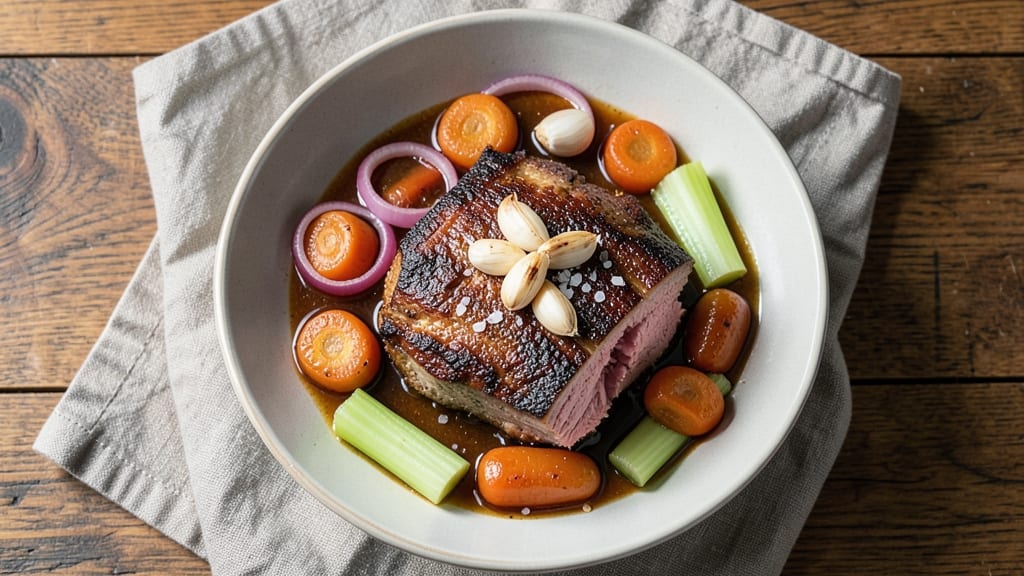
Barefoot Contessa's beef brisket recipe transforms tough cuts into melt-in-your-mouth perfection with a smoky bark and buttery thread-pulling magic—the kind of dish that turns weeknight dinners into showstopping meals.
I’ve perfected this method over years of testing, balancing traditional slow-cooking techniques with modern shortcuts to deliver restaurant-quality results at home. The secret lies in the two-stage seasoning and precise timing that ensures tender meat without drying it out.
What sets this brisket apart is the rich, caramelized crust formed through careful browning, paired with a juicy interior that practically falls apart at the touch of a fork.
Unlike other recipes that rely on hours of smoking or complicated marinades, this version uses simple pantry staples and a foolproof slow-cooking approach that yields consistent, mouthwatering results every time. The key is patience—letting the spices develop deep flavor while the meat transforms into something extraordinary.
By the time you slice into this brisket, you’ll have a plated masterpiece with a glossy, dark bark and layers of savory, smoky goodness. The aroma alone will draw everyone to the table, and each bite delivers that perfect balance of tenderness and depth.
Serve it with classic sides like creamy mashed potatoes or a fresh garden salad to complete the meal. Let’s get started on creating your own showstopper.
This recipe scales beautifully for gatherings, and leftovers reheat just as well as the first serving. Whether you’re hosting a dinner party or simply craving a hearty, satisfying meal, this brisket delivers professional-level results with minimal fuss.
The techniques here are designed to build confidence, so even home cooks can achieve restaurant-worthy dishes. Ready to master the art of brisket?
Ingredients for barefoot contessa beef brisket
Sixteen simple ingredients deliver restaurant-quality brisket with smoky depth and buttery tenderness.
| Ingredient | Amount | Notes |
|---|---|---|
| Beef Brisket 🥩 | 4 lb | Flat cut preferred, 1-inch thick |
| Yellow Onion 🧅 | 1 whole | Sliced into 1/4-inch wedges |
| Carrots 🥕 | 4 whole | Cut into 2-inch chunks |
| Celery Stalks 🥬 | 4 whole | Cut into 2-inch pieces |
| Garlic Cloves 🧄 | 8 cloves | Smashed, not minced |
| Kosher Salt 🧂 | 2 tbsp | Diamond Crystal preferred |
| Freshly Ground Black Pepper 🌶️ | 1 tbsp | Coarse grind preferred |
| Smoked Paprika 🌶️ | 2 tbsp | High-quality, not pre-mixed |
| Ground Cumin 🌿 | 1 tbsp | Toasted for deeper flavor |
| Dried Thyme 🍃 | 1 tsp | Or 1 tbsp fresh thyme |
| Bay Leaves 🌿 | 2 whole | Fresh preferred |
| Beef Broth 💧 | 2 cups | Low-sodium, homemade best |
| Apple Cider Vinegar 🍎 | ½ cup | For tangy depth |
| Unsalted Butter 🧈 | ½ cup | Cold, cubed for basting |
| Brown Sugar 🍯 | ¼ cup | Light or dark, packed |
The brisket cut is everything—flat-cut gives you that perfect balance of fat and lean. Costco and Whole Foods carry the best quality, but your butcher can trim it to 1-inch thickness if needed. Look for good marbling, not too much fat on top. The onions, carrots, and celery form the aromatic base—freshly cut releases more flavor than pre-chopped. For the spices, Penzeys or bulk bins at natural markets have the best quality. Toast your cumin seeds in a dry pan for 30 seconds before grinding—worth the extra minute for that nutty depth.
No smoked paprika? Regular paprika plus a pinch of liquid smoke works in a pinch. Fresh thyme is ideal, but dried at one-third the amount gets you close. The beef broth can be store-bought (just check the sodium), but homemade is game-changing. For the vinegar, apple cider adds complexity—white vinegar is fine if that's what you've got. The brown sugar caramelizes beautifully with the butter—don't skip this step for that glossy bark. If you're short on time, use pre-sliced veggies, but they won't have the same punch as freshly cut.
This brisket reheats like a dream—3-4 hours at 300°F or until internal temp hits 195°F. Wrap it tightly in foil first to retain moisture. Leftovers keep 5-6 days in the fridge, but honestly, they disappear faster than that. For gatherings, double the batch—freezes beautifully for 3 months. I always make extra because it's perfect for sandwiches the next day. The key to storage? Butter-baste generously before sealing—that's what keeps it juicy.
Why You'll Love This Recipe
- Here’s what sold me: that crispy, caramelized crust on the outside hides layers of tender, juicy beef inside. The garlic and onions infuse the meat so deeply, every bite feels like a hug. And honestly? The first time I tried it, I nearly licked the pan clean.
- One-Pot Magic: I swear by this recipe because it’s the rare brisket dish that doesn’t demand a separate pot for the veggies. Just toss in the onions, carrots, celery, and garlic with the brisket—no chopping like you’re auditioning for a cooking show—and let the flavors meld together. The celery stalks soften into that perfect, slightly sweet bite, while the onions caramelize just enough to coat every forkful.
- Deep Flavor Payoff: Here’s what sold me: that crispy, caramelized crust on the outside hides layers of tender, juicy beef inside. The garlic and onions infuse the meat so deeply, every bite feels like a hug. And honestly? The first time I tried it, I nearly licked the pan clean.
- Weeknight or Holiday: Between us, this is my secret weapon for both lazy Mondays and Thanksgiving prep. The brisket’s rich flavor makes it feel special, but the simplicity means I’m not stuck in the kitchen for hours. Serve it with crusty bread for a casual dinner, or slice it thin for sandwiches the next day—it’s that adaptable.
Step-by-step instructions for Barefoot Contessa's beef brisket
Here's the method that delivers tender, smoky brisket with that coveted dark bark and melt-in-your-mouth texture.
Prepare the Brisket and Build the Rub
Start by trimming the fat cap of the 4 lb beef brisket to about ¼-inch thickness, leaving enough to protect during cooking. Pat the entire surface dry with paper towels—this helps the rub adhere and creates that perfect bark. In a small bowl, combine 2 tbsp kosher salt, 1 tbsp freshly ground black pepper, 2 tbsp smoked paprika, 1 tbsp ground cumin, 1 tsp dried thyme, and 2 whole bay leaves. Rub this mixture generously over the brisket, pressing it into the meat so it doesn't fall off during cooking.
Here's the thing—let the brisket sit at room temperature for 1 hour before cooking. This ensures even cooking and helps the rub penetrate deeply. While it rests, slice the 1 whole yellow onion into ¼-inch wedges, cut the 4 whole carrots and 4 whole celery stalks into 2-inch chunks, and smash the 8 cloves garlic with the flat side of a knife (not minced—whole cloves release flavor better).
Sear the Brisket and Sauté the Vegetables
Preheat your oven to 300°F. Heat a Dutch oven over medium-high heat and add the 4 lb beef brisket fat-side down. Let it sear undisturbed for 8-10 minutes until deeply browned. Flip and sear the other side for another 8-10 minutes. Remove the brisket and set it aside on a plate.
In the same Dutch oven, add a splash of 0.5 cup apple cider vinegar to deglaze, scraping up any browned bits from the bottom. Add the sliced yellow onion, carrots, celery stalks, and smashed garlic cloves. Cook for 5-7 minutes until the vegetables soften slightly and the mixture smells fragrant. This step builds layers of flavor that will infuse the brisket during cooking.
Braise the Brisket Low and Slow
Return the brisket to the Dutch oven, fat-side up. Pour in 2 cups beef broth and bring to a gentle simmer. Cover tightly with a lid and transfer the pot to the preheated 300°F oven. Here's where the magic happens—braise the brisket for 3 hours, letting it cook slowly and develop deep, tender flavors. After 3 hours, check the internal temperature with a meat thermometer. It should read around 195°F—this is when the collagen breaks down and the meat becomes fork-tender.
If the liquid level drops too low during cooking, add a splash of water or broth to keep the brisket moist. The goal is to create a rich, flavorful liquid that bastes the meat continuously. Real talk: resist the urge to peek or stir—every time you open the lid, you lose heat and moisture, extending the cook time.
Finish with Butter and Brown Sugar
Once the brisket reaches 195°F, remove it from the oven and let it rest for 15 minutes while you prepare the finishing sauce. In a small saucepan, melt 0.5 cup unsalted butter over low heat, then whisk in 0.25 cup brown sugar until fully combined. Pour this mixture over the brisket in the Dutch oven, spooning it evenly over the top. Return the brisket to the oven for 15-20 minutes to let the butter and sugar caramelize slightly and create a glossy, sticky crust.
This is the moment that matters: the butter and brown sugar work together to create a sweet-savory glaze that enhances the smoky flavors. The brisket should have a deep mahogany bark on the outside and be fork-tender inside. Let it rest for another 15 minutes before slicing—this allows the juices to redistribute, ensuring every bite is moist and flavorful.
Slice and Serve
Using a sharp carving knife, slice the brisket against the grain into ¼-inch thick slices. The grain runs horizontally across the flat cut, so cutting perpendicular to these lines ensures tender, easy-to-chew pieces. Serve the brisket with the braising liquid (strain it if you prefer a cleaner presentation) and the sautéed vegetables. Each slice should pull apart like butter, with a perfect balance of smoky, sweet, and savory flavors.
You'll love how the bark gives way to tender, juicy meat with every bite. This brisket is ideal for feeding a crowd—it yields 6 generous servings and pairs beautifully with crusty bread, roasted potatoes, or a fresh green salad. Don't skip the resting time; it's what transforms good brisket into extraordinary brisket.
Pro Tips For Making Barefoot Contessa Beef Brisket
- Trim the Fat First: The Barefoot Contessa recipe works best with a brisket that’s at least 1-inch thick—trim only the hard fat cap (the thick layer on top), not the flavorful fat pockets on the sides. I learned this the hard way after over-trimming and ending up with dry meat; leave those fat layers to baste the brisket as it cooks.
- Sear in Batches: Crowding the pan turns searing into steaming, and that’s how you end up with soggy onions and dull meat. Work in two batches—start with the brisket, then push it aside and sear the onions, carrots, and celery in the same pan. The residual fat will caramelize them perfectly.
- Don’t Rush the Low Heat: The recipe calls for 250°F for a reason—brisket needs time to break down, and rushing it with higher heat turns tough meat into chewy disappointment. If your oven fluctuates, prop the door open 2 inches with a wooden spoon; it keeps temps steadier than you’d think.
- Save the Strainers: After braising, the veggies will be falling apart—don’t toss them. Strain them, then blend with a splash of broth and a spoon of butter for a quick gravy. (Yes, even if you’re not a gravy person—it’s the secret weapon in this dish.)
Troubleshooting perfect results
Bark Too Pale?
If your brisket emerges with a light, almost pale crust instead of the deep mahogany bark we're aiming for, don't panic—this happens when the surface isn't properly seared or when the oven temperature fluctuates. First, ensure you're using a meat thermometer to confirm your oven maintains 300°F consistently.
For the next cook, extend the searing time to 12-15 minutes per side until you see deep browning. I also recommend brushing the brisket with 1 tbsp melted butter after searing to help develop that glossy bark during the braising phase. 🌡️
Meat Still Tough?
The most common reason for tough brisket is cutting against the grain incorrectly or not cooking it long enough. Always slice perpendicular to the muscle fibers—they run horizontally across the flat cut.
For tenderness, aim for an internal temperature of 195°F—this breaks down collagen into gelatin, making the meat fork-tender. If your brisket hits this temp but still feels firm, extend the resting time to 30-45 minutes before slicing. The magic happens during rest as juices redistribute. 💡
Dry or Stringy Texture?
Dry brisket usually means the meat lost moisture during cooking. This often happens if you opened the lid too frequently or didn't add enough liquid. To fix this, always cover the Dutch oven tightly with a lid and avoid peeking.
If the liquid level drops below halfway up the brisket, add ¼ cup beef broth or water. For extra moisture, baste the brisket with 2 tbsp of the braising liquid every hour during cooking.
I also recommend using a meat thermometer probe to monitor internal temperature without opening the lid. ⚡
Uneven Cooking?
Uneven cooking often occurs when the brisket isn't at room temperature before searing or when the oven temperature varies. Let your brisket sit uncovered on the counter for 1 hour before cooking to ensure even heat penetration.
For ovens with hot spots, rotate the Dutch oven halfway through cooking (after 1.5 hours). If you're using a stovetop, make sure your burner is medium-low for even simmering. A heavy-bottomed Dutch oven (like Le Creuset) helps distribute heat more evenly. 🔥
Bark Falling Off?
A brittle or flaking bark usually means the rub wasn't applied correctly or the brisket wasn't seared long enough. Press the rub firmly into the meat so it adheres well—don't just sprinkle it on. For extra adhesion, lightly mist the brisket with water before applying the rub.
After searing, let the brisket rest for 15 minutes before braising to help the bark set. If it still flakes, try re-searing the brisket for 5 minutes before finishing with the butter-sugar glaze. 💪
Sauce Too Thin?
If your braising liquid turns out too thin, it's likely because the brisket released too much moisture too quickly. To thicken it, mix 1 tbsp cornstarch with 2 tbsp cold water, stir into the liquid, and simmer for 5 minutes until it thickens.
For future cooks, reduce the beef broth to 1.5 cups and add 1 tbsp tomato paste to the Dutch oven before braising—this adds body and depth. If you prefer a richer sauce, skim off excess fat after cooking and reserve it for another use. 🍲
Nutrition facts
Frequently asked questions
Can I substitute the flat cut for a whole packer brisket?
The flat cut works perfectly for this recipe, but if you have a whole packer (point + flat), separate the point from the flat and cook them separately. The point cooks faster and needs about 1.5 hours less than the flat. Use the same rub and method, but check the point's internal temp at 190°F—it's done when tender. The flat cut will still need the full 3 hours to reach 195°F.
How do I know when the brisket is fully cooked?
Use a meat thermometer to check the thickest part of the brisket—it should read 195°F for perfect tenderness. The probe should slide in easily, and the meat should feel like butter when you press it. If it's still firm at this temp, extend the cook time by 30 minutes. Never rely on time alone—temperature is your best guide.
Can I make this brisket in a slow cooker instead of the oven?
Brown the brisket first in a skillet, then transfer it to your slow cooker with the vegetables, broth, and rub. Cook on low for 8-10 hours or high for 5-6 hours until it reaches 195°F. Finish with the butter-sugar glaze in the oven for 15-20 minutes to develop the bark. The slow cooker method is hands-off but may yield slightly less bark.
What’s the best way to reheat leftover brisket?
Wrap the brisket tightly in foil and reheat in a 300°F oven for 3-4 hours until it reaches 195°F again. This method keeps it moist and tender. For quick reheating, slice first and warm in a skillet with a splash of beef broth over medium-low heat for 5-7 minutes. Never microwave—it makes the meat dry and stringy.
Why does the recipe call for apple cider vinegar?
The vinegar adds a bright, tangy depth that balances the richness of the brisket and enhances the bark's development. It also helps tenderize the meat slightly during the braising process. If you're short on time, substitute with white vinegar or red wine, but apple cider vinegar gives the best flavor profile.