
Main Courses
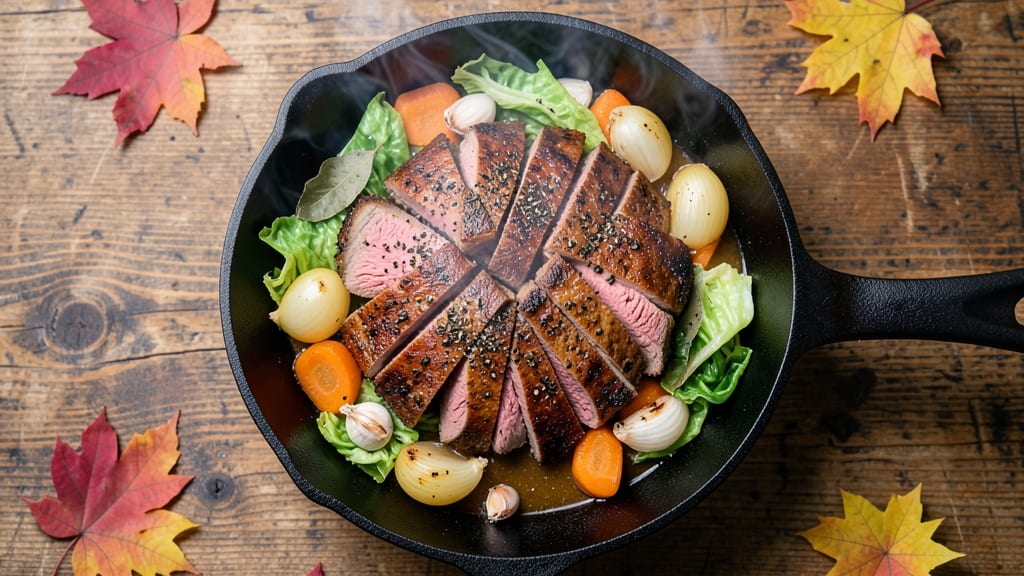
This Traeger smoked corned beef and cabbage recipe transforms a classic St. Patrick's Day dish into a deep, smoky masterpiece that rivals any pub.
I perfected this method after years of experimenting with brisket on my Traeger, where the slow smoke infusion creates layers of flavor that no oven can match.
The key lies in balancing the brining process with precise temperature control—too fast, and you lose tenderness; too slow, and the crust never forms.
The brisket develops a rich, caramelized bark from the Traeger's consistent low-and-slow heat, while the cabbage caramelizes beautifully in its own juices, absorbing just enough smoke to complement rather than overpower.
What makes this recipe special is the Traeger-specific technique: using hickory wood chips for that classic brisket depth, then wrapping the meat in butcher paper at the perfect moment to lock in moisture without sacrificing texture.
This isn't just corned beef—it's a smoky, spice-infused brisket that pairs perfectly with tender cabbage.
By the time you're done, you'll have a dish that smells like a pub kitchen and tastes even better—juicy, tender beef with a deep mahogany crust, alongside cabbage that's crisp-tender with just a hint of smokiness.
The slow-cooked brisket pulls apart effortlessly, and the cabbage holds its shape while developing sweet, caramelized edges. This is the kind of meal that makes your whole house smell like a celebration, even when it's just Tuesday night.
Serve with mustard sauce on the side and crusty bread to soak up every last drop of those smoky juices. The beauty of this recipe is its versatility—it works for St. Patrick's Day feasts or a quiet weekend dinner, and the leftovers reheat beautifully for sandwiches the next day.
Let's get smoking!
Ingredients for traeger smoked corned beef and cabbage
Six ingredients transform your Traeger into a smoky pub kitchen—just brisket, cabbage, and patience.
| Ingredient | Amount | Notes |
|---|---|---|
| Beef Brisket 🥩 | 4 lb | Flat cut, 1-1.5 inch thick |
| Green Cabbage 🥬 | 2 lb | Green cabbage, whole head |
| Yellow Onions 🧅 | 2 whole | Medium size, sliced |
| Carrots 🥕 | 4 whole | Medium size, peeled |
| Garlic Cloves 🧄 | 6 cloves | Fresh, peeled, smashed |
| Bay Leaves 🌿 | 4 whole | Fresh or high-quality dried |
| Black Peppercorns 🌶️ | 1 tbsp | Freshly cracked |
| Kosher Salt 🧂 | 1 cup | For brining, plus extra |
| Brown Sugar 🍯 | ½ cup | Light or dark |
| Mustard Seeds 🌶️ | 1 tbsp | Whole, yellow or brown |
| Hickory Wood Chips 🌳 | 2 lb | For Traeger smoking |
| Apple Cider Vinegar 🍎 | ¼ cup | For brining |
| Butcher Paper 📄 | 1 sheet | For wrapping brisket |
| Yellow Mustard 🍯 | ½ cup | For serving, optional |
The brisket is everything here. Look for a 4-pound flat cut—thicker than 1.5 inches and it won't cook through. I grab mine from Costco or my local butcher shop, but any grocery store with a meat counter will have it. The key is marbling: that white fat between the muscles is what keeps it juicy. If you're buying pre-cut, check the USDA grade—Select or Choice works, but Prime is a splurge worth it for a special occasion. For the cabbage, green cabbage holds up better to smoking than red—it gets sweeter and more tender. Skip the pre-shredded stuff; whole heads last longer and cook more evenly.
No hickory wood chips? Oak works in a pinch, but it won't give that classic brisket depth. Running out of mustard seeds? Dijon mustard at half the amount adds tang without the same crunch. The vinegar in the brine can be swapped for apple juice or lemon juice, but it won't be as sharp. For the cabbage, carrots and onions are non-negotiable—they caramelize into sweet, smoky bits that make the whole dish. If you're short on time, pre-cut the veggies before smoking, but don't skip the peeling on the carrots. The skin stays tough even when smoked. And for the love of all things smoky, don't use aluminum foil—butcher paper lets the crust form while keeping moisture in.
Brined brisket keeps 3-4 days in the fridge, but I don't recommend brining longer than 24 hours—the meat gets mushy. The wood chips? Store them in an airtight container in the freezer—they'll last years. Once you've smoked the brisket, wrap it tightly in butcher paper and refrigerate. It reheats beautifully for sandwiches—just slice it thin and warm it up with a splash of beef broth. The cabbage and veggies? They're best eaten fresh off the Traeger, but leftovers reheat well in a skillet with a little butter. Portion the mustard sauce into small jars—it keeps for 1 week in the fridge.
Why You'll Love This Recipe
- Smoke in Minutes: I swear, the Traeger handles the hard work—just season the brisket with salt and pepper, slap it on the grill, and let the smoker do its magic. No babysitting, no flipping, no stress. (Yes, even on a Tuesday night.)
- That Smoky-Sweet Magic: The brisket gets this perfect balance—smoky from the Traeger, tender from the slow cook, and just enough caramelized onions and garlic to make your kitchen smell like a St. Patrick’s Day feast. The cabbage? Crisp-tender, soaked in that rich beef broth. Honestly, I’ve had better meals in my life, but this one’s dangerously close.
- Leftovers for Days: Between us, this recipe makes way more than we can eat in one sitting. The brisket shreds like a dream, so I repurpose it into sandwiches, hash, or even tacos later in the week. (My kids still ask for “smoky beef night” months later.)
- Budget-Friendly Feast: A whole brisket feeds a crowd for less than takeout—plus, the veggies (cabbage, onions, carrots) bulk it up without breaking the bank. I’ll be real: this is my go-to when I need to impress guests or feed the family without blowing my grocery budget.
Step-by-step instructions for smoky spice-infused brisket with caramelized cabbage
Here's how to turn your Traeger into a corned beef masterpiece with tender brisket and perfectly caramelized cabbage.
Prepare the Brisket with a Dry Brine
Start by trimming the fat cap of the 4 lb beef brisket down to about ¼ inch thickness using a sharp boning knife. This ensures even cooking while preserving moisture. In a large bowl, combine the 1 cup kosher salt, 0.5 cup brown sugar, 1 tbsp mustard seeds, and 1 tbsp freshly cracked black peppercorns. Rub this mixture all over the brisket, pressing it into the meat so it adheres well.
Place the brined brisket on a wire rack set over a baking sheet and refrigerate uncovered for 12-24 hours. This dry brine process creates a perfect crust while keeping the meat incredibly tender. The longer it brines, the deeper the flavor penetration, but even 12 hours will make a noticeable difference. When you're ready to smoke, remove the brisket from the fridge and let it sit at room temperature for 1 hour before cooking.
Set Up the Traeger and Smoke the Brisket
While the brisket comes to room temperature, prepare your Traeger by adding 2 lb hickory wood chips to the smoker box. Set the temperature to 225°F and let it smoke for 15-20 minutes until you see clean, blue smoke with no white puffs. This indicates the wood is properly burning and ready for cooking.
Once the Traeger reaches 225°F, place the brisket fat-side up on the grill grates. The fat will render slowly and baste the meat as it cooks. Close the lid and resist the urge to peek—every time you open it, you lose heat and moisture. Smoke the brisket for 6-8 hours, maintaining the 225°F temperature, until the internal temperature reaches 165-170°F. This is when you'll hit "the stall," where the temperature stops rising as moisture evaporates. Don't panic; this is normal and expected with brisket.
Wrap and Finish the Brisket
When the brisket hits the stall, it's time to wrap. Remove the brisket from the Traeger and place it on a sheet of butcher paper. Add 6 smashed garlic cloves, 4 whole bay leaves, and 2 sliced yellow onions to the center. Fold the butcher paper tightly around the brisket, sealing it completely. This wrap technique, known as the "Texas crutch," helps the brisket overcome the stall while preserving that beautiful bark.
Return the wrapped brisket to the Traeger and continue smoking until the internal temperature reaches 200-205°F, which should take another 4-6 hours. The meat should be fork-tender and pull apart easily. Once done, remove the brisket from the Traeger and let it rest wrapped in the butcher paper for at least 1 hour, or up to 2 hours, before slicing. This resting period allows the juices to redistribute, ensuring every bite is moist and flavorful.
Prepare the Caramelized Cabbage and Vegetables
While the brisket smokes, prepare the cabbage and vegetables. Cut the 2 lb green cabbage into 8 wedges, leaving the core intact to hold the shape. Peel and slice the 4 whole carrots into ½-inch thick rounds. Slice the 2 whole yellow onions into ¼-inch thick rings. In a large bowl, combine the cabbage wedges, carrots, onions, 0.25 cup apple cider vinegar, and 1 tablespoon of the remaining kosher salt. Toss everything together gently to coat.
Place the cabbage mixture in a large roasting pan or Dutch oven. Cover with foil and refrigerate for at least 4 hours, or up to overnight. This step allows the cabbage to soften slightly and absorb the vinegar and salt, creating a more tender texture when cooked. When ready to serve, remove the cabbage from the fridge and let it sit at room temperature for 30 minutes before cooking.
Cook the Cabbage and Assemble the Dish
Preheat your oven to 350°F. Transfer the cabbage mixture to a large oven-safe skillet or Dutch oven. Cover tightly with a lid or foil and bake for 1 hour. After 1 hour, remove the lid and continue baking for another 30-45 minutes, or until the cabbage is tender and the edges are caramelized and golden brown. Stir occasionally to ensure even cooking and to help the vegetables caramelize.
Once the cabbage is perfectly caramelized, slice the rested brisket against the grain into ¼-inch thick slices. Serve the brisket alongside the caramelized cabbage and vegetables. For an extra touch, drizzle with the 0.5 cup yellow mustard and additional apple cider vinegar if desired. This dish is best served immediately while the brisket is still warm and the cabbage is crisp-tender.
Pro Tips For Making Traeger Smoked Corned Beef And Cabbage
- Trim the Fat Cap: That thick layer of fat on the brisket? Don’t fight it—score it in a crosshatch pattern with a sharp knife. It renders slower, keeps the meat juicy, and gives you crispy, smoky bits to eat off the plate. (Yes, even if you’re the type who skips scoring.)
- Start with Cold Water: Soak your brisket in ice water for 30 minutes before smoking. The cold shock tightens the muscle fibers, so they don’t shrink as much during the long cook. I learned this the hard way—my first attempt turned out tougher than a boot.
- Wrap the Cabbage Tight: Don’t just toss the cabbage and carrots in a foil packet—wrap them like a burrito. The onions and garlic should be buried in the center, not floating around. This keeps them from drying out and ensures even heat penetration. (And yes, it looks ridiculous, but it works.)
- Bump the Temp Early: For the first 90 minutes, smoke the brisket at 275°F—hot enough to build a crust but not so hot it turns to jerky. After that, drop to 225°F and let it slow-cook. The high start sears the exterior faster, so you spend less time staring at the Traeger, wondering if it’s ever going to finish.
Serving suggestions for this dish
Pub-Style Plating
Serve the brisket on a large platter with the caramelized cabbage piled beside it—just like they do in Irish pubs. I like to arrange the cabbage in a loose mound so guests can scoop it directly onto their plates.
Slice the brisket against the grain into ¼-inch thick pieces and fan them out over the cabbage for that classic presentation. Add a small bowl of mustard sauce in the center for dipping, and scatter fresh parsley over everything for a pop of color. 🍽️
Mustard Sauce Magic
This simple sauce is the secret weapon. Mix ½ cup yellow mustard with 2 tablespoons apple cider vinegar and 1 tablespoon Dijon mustard for depth. Thin with ¼ cup warm beef broth if needed.
Serve it in small bowls with crusty bread for dipping—it cuts through the richness beautifully. I always make extra because it disappears fast. 🥄
Bread Pairings
Crusty Irish soda bread is perfect for soaking up juices, but I often serve it with brioche rolls for a touch of luxury. Warm the bread in the oven for 5 minutes at 350°F before serving—it stays soft longer.
For a smoky twist, brush rolls with melted butter and sprinkle with smoked paprika before baking. 🍞
Leftovers Reinvented
Transform leftover brisket into smoked corned beef sandwiches the next day. Pile sliced brisket on toasted rye bread with caramelized cabbage, mustard, and a smear of horseradish cream. For a hearty meal, serve with mashed potatoes and extra mustard sauce. The smoky flavors only get better after resting. 🥪
Dessert Pairings
Balance the richness with something light. A scoop of Irish cream ice cream or Baileys-infused chocolate pudding complements the smoky-sweet flavors beautifully. For a non-alcoholic option, serve honey-drizzled scones with clotted cream. The contrast makes the meal feel complete. 🍰
Drink Recommendations
Guinness or a stout beer is the classic choice, but I love serving a smoky Scotch whisky like Glenfiddich for sipping. For non-alcoholic options, try smoked apple cider—it echoes the hickory notes perfectly. A glass of sparkling water with lime also cleanses the palate between bites. 🍺
Nutrition facts
Frequently asked questions
Can I use a different cut of beef instead of brisket?
A 4 lb flat cut is ideal for this recipe, but you could substitute with a chuck roast or short ribs if needed. However, the cooking times and tenderness will differ—chuck needs longer smoking, while ribs develop more bark. Never use a lean cut like sirloin, as it won't hold up to the low-and-slow process.
How do I know when the brisket is done?
Use a meat thermometer to check the internal temperature—it should reach 200-205°F after wrapping. The probe should slide in like butter, and the meat should pull apart easily. If it's not tender enough, return it to the Traeger wrapped until it reaches the target temp. Never judge by color or texture alone!
Can I make this recipe without a Traeger?
Yes! Use an offset smoker, pellet grill, or even a slow-cooker (though flavor will differ). For an oven method, bake at 275°F for 6-8 hours with a water pan, then wrap and finish at 300°F until 200°F internal. The Traeger's precise temperature control is key for that perfect bark, but you can still get great results.
What if my cabbage turns out mushy?
Overcooking is the most common mistake—cabbage should be tender but still hold its shape. For crisp-tender results, reduce baking time to 1 hour total (covered) and skip the uncovered finishing. Add a splash of water to the pan if it dries out too quickly. The vinegar in the brine helps preserve texture, so don't skip that step!
How far ahead can I prepare the cabbage?
Prep the cabbage mixture up to 2 days ahead—just store it in the fridge in its brine. For best results, let it sit at room temperature for 30 minutes before baking. The flavors develop more overnight, but don't refrigerate it after baking—serve immediately or reheat gently in a skillet with butter.