
Main Courses
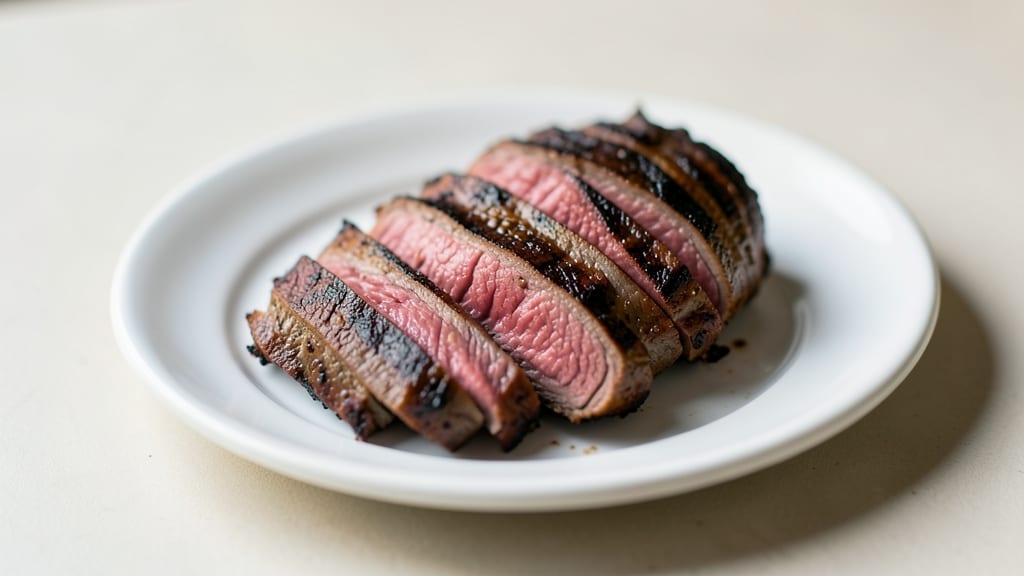
Mastering Traeger beef tenderloin transforms a simple cut into a smoky grill masterpiece that rivals high-end steakhouses. The key lies in low-and-slow precision at 225°F, where the Traeger’s consistent heat melts fat and collagen into the meat, creating unparalleled tenderness.
I’ve perfected this method over countless weekends, ensuring every slice falls apart with just a gentle touch.
What sets this recipe apart is the herb crust—a blend of rosemary, thyme, and garlic that forms a fragrant bark while keeping the interior juicy and pink. Unlike traditional grilling, the Traeger’s indirect heat allows for even cooking without flare-ups, making it ideal for thick cuts.
The result? A beef tenderloin with a perfect balance of smoky depth and herbaceous brightness.
By the time you serve this, you’ll have a centerpiece that commands attention—tender enough to cut with a fork, with a crust that’s crisp yet fragrant. The Traeger’s ability to maintain precise temperatures means no guesswork, just foolproof results.
Pair it with roasted garlic mashed potatoes or a bold red wine reduction for a meal that feels like a celebration.
This method works equally well for holidays or weeknight dinners, scaling effortlessly from intimate gatherings to large crowds. The secret? Patience and the right equipment. Let’s get started on creating your next standout main course.
Ingredients for traeger beef tenderloin
Fourteen ingredients. One unforgettable centerpiece. Your Traeger’s low-and-slow magic awaits.
| Ingredient | Amount | Notes |
|---|---|---|
| Beef Tenderloin 🥩 | 3 lb | Center-cut, trimmed of fat |
| Fresh Rosemary 🌿 | ¼ cup | Finely chopped, stems removed |
| Fresh Thyme 🌿 | ⅛ cup | Leaves only, stems removed |
| Garlic Cloves 🧄 | 8 cloves | Minced, fresh preferred |
| Extra-Virgin Olive Oil 🫒 | ¼ cup | For crust and searing |
| Kosher Salt 🧂 | 2 tbsp | Diamond Crystal preferred |
| Freshly Ground Black Pepper 🌶️ | 1 tbsp | Coarse grind preferred |
| Smoked Paprika 🌶️ | 1 tbsp | For subtle smokiness |
| Traeger Wood Pellets 🔥 | 2 cups | Hickory or apple preferred |
| Yellow Onion 🧅 | 1 whole | Thinly sliced, for garnish |
| Fresh Parsley 🌿 | ⅛ cup | Chopped, for garnish |
| Balsamic Glaze 🍷 | ¼ cup | For finishing drizzle |
The beef tenderloin is your star—center-cut, trimmed of silver skin—and it deserves the best. Costco or high-end butchers like D'Artagnan carry premium cuts, but even your local grocery store’s well-marbled tenderloin will work. Look for a roast with even grain and bright red color, not gray or dry spots. I always buy mine a day ahead and let it sit at room temperature for 2 hours before cooking—this ensures even cooking. The herb crust? Fresh rosemary and thyme make all the difference (dried works in a pinch, but fresh is non-negotiable for that aromatic bark).
No fresh rosemary? Dried at one-third the amount gets you close, but the flavor won’t be as vibrant. Short on time? Pre-minced garlic from the jar works, though fresh minced adds depth. The smoked paprika adds that Traeger-like smokiness without flare-ups—Penzeys or McCormick brands are reliable. For the wood pellets, hickory for boldness or apple for subtlety. Pro tip: Soak the onions in ice water for 10 minutes before slicing—they’ll stay crisp under the heat. The balsamic glaze? Trader Joe’s makes a great one, or reduce high-quality balsamic vinegar with a pinch of sugar.
This keeps beautifully—3-4 days in the fridge, wrapped tightly in butcher paper. For leftovers, reheat in the oven at 300°F for 15 minutes, covered with foil. The herb crust gets extra crispy when reheated, so it’s worth the wait. Freezes for up to 3 months if wrapped airtight. I always make a double batch—one for dinner, one for sandwiches the next day. The balsamic glaze can be made ahead and stored in the fridge for 2 weeks.
Why You'll Love This Recipe
- Traeger Magic: I swear by this recipe—just rub the tenderloin with olive oil, crushed garlic, and fresh rosemary and thyme sprigs. The Traeger does all the work while I sip my coffee, and the result? Juicy, smoky perfection with zero fuss.
- Flavor Bomb: That garlic-herb crust? It’s ridiculous. The rosemary’s piney bite cuts through the richness, while the thyme adds this earthy warmth. One bite and you’ll forget about takeout.
- Weeknight Hero: Between us, this is my go-to when I’m too tired to fuss. Slice it for sandwiches, serve it with roasted potatoes, or even toss it in salads later—it’s always a crowd-pleaser, even on a Tuesday.
Step-by-step instructions for smoky grill masterpiece with herb crust
Here's the method that delivers melt-in-your-mouth tenderness with that perfect herb-encrusted crust.
Prepare the Herb Crust Mixture
In a medium bowl, combine the 0.25 cup fresh rosemary, 0.125 cup fresh thyme, 8 cloves minced garlic, 0.25 cup extra-virgin olive oil, 2 tbsp kosher salt, 1 tbsp freshly ground black pepper, and 1 tbsp smoked paprika. Use your fingers to gently crush the herbs and release their oils—this ensures maximum flavor infusion. The mixture should be thick but spreadable, like a coarse paste. Let it sit at room temperature for 15 minutes while you prepare the grill. This resting time allows the flavors to meld together, creating a more cohesive crust that won't fall apart during cooking.
Here's the thing—don't skip the mincing of those garlic cloves. Fresh garlic makes all the difference in this recipe. If you're using pre-minced garlic from a jar, drain it thoroughly and pat it dry to prevent excess moisture in your crust mixture. The texture should be uniform, with no large herb stems or garlic chunks remaining.
Season and Crust the Beef Tenderloin
Pat the 3 lb beef tenderloin dry with paper towels—this is critical for achieving that perfect crust. Any moisture left on the surface will steam the meat instead of allowing it to sear properly. Once dry, rub the herb mixture all over the tenderloin, pressing it firmly into the surface. Pay special attention to the ends and any crevices where the crust might not adhere as well. The meat should be completely coated, with no bare spots showing through.
Let the seasoned tenderloin rest uncovered in the refrigerator for 1 hour. This step is non-negotiable. The resting period allows the salt to penetrate the meat, the oils to be absorbed, and the surface to firm up slightly. When you're ready to cook, remove the tenderloin from the fridge and let it sit at room temperature for an additional 30 minutes. Cold meat doesn't sear well—it needs to be at room temperature to cook evenly and develop that beautiful crust.
Set Up and Smoke the Tenderloin
Fill your Traeger with 2 cups hickory or apple wood pellets and preheat to 225°F. Maintain a consistent temperature—fluctuations can lead to uneven cooking. Once the smoker reaches temperature, place the tenderloin on the grill grates, fat-side up if there's any remaining fat cap. The smoke should circulate freely around the meat, which will take about 2 to 2.5 hours to reach an internal temperature of 125°F. This is where the magic happens—the low and slow cooking method ensures the beef remains tender while absorbing all those smoky, herby flavors.
Resist the urge to open the lid frequently. Every time you peek, you lose heat and extend the cooking time. Instead, use a meat probe to check the internal temperature. The meat should feel tender but still have a slight resistance when pierced—this indicates it's ready for the next step. The bark should be developing a deep, rich color, but it's not time to flip or baste yet.
Finish with High Heat and Balsamic Glaze
Once the internal temperature reaches 125°F, increase the smoker temperature to 350°F to finish cooking the tenderloin. This final phase, which takes about 30 to 45 minutes, will bring the internal temperature up to 130-135°F—the perfect range for medium-rare beef. The high heat will also help develop a deeper color and crisp up the herb crust. Keep the tenderloin fat-side up during this phase to ensure even browning.
When the tenderloin reaches the desired temperature, remove it from the smoker and let it rest for 15 minutes before slicing. This resting period is crucial—it allows the juices to redistribute throughout the meat, ensuring each slice is as tender as the last. While the tenderloin rests, thinly slice the 1 whole yellow onion and chop the 0.125 cup fresh parsley. These will be used for garnish and adding freshness to the dish.
Slice and Serve with Balsamic Glaze
Using a sharp carving knife, slice the tenderloin against the grain into ½-inch thick pieces. The grain runs lengthwise along the tenderloin, so cutting perpendicular to it ensures each bite is as tender as possible. Arrange the slices on a warm platter and drizzle generously with the 0.25 cup balsamic glaze. The glaze adds a sweet-tart contrast that complements the smoky, herby flavors perfectly. Garnish with the sliced yellow onion and chopped fresh parsley for a pop of color and freshness.
Serve immediately while the meat is still warm. The internal temperature will rise another 5-10°F during resting, so slicing at 130-135°F ensures you serve it at the ideal 135-140°F for medium-rare. Each slice should be juicy, tender, and bursting with flavor—no dryness, no toughness, just pure, smoky perfection. Pair with roasted vegetables or a simple side salad to complete the meal.
Pro Tips For Making Traeger Beef Tenderloin
- USE A MEAT THERMOMETER: The Traeger’s internal temp gauge is unreliable for beef tenderloin—this cut needs precision. Stick a probe into the thickest part; pull it at 125°F (52°C) for medium-rare (yes, it’ll rise to 130°F while resting). I learned this the hard way after serving a guest a slightly overdone tenderloin and watching them wince.
- SMASH THE GARLIC CLOVES: No need to mince—just smash them flat with the side of your knife before adding to the oil. This releases more flavor without turning the olive oil into garlic sludge. My grandmother swore by this, and she was right: the aroma clings to the beef like glue.
- DON’T SKIP THE COLD START: Take the tenderloin straight from the fridge to the Traeger—no room temp nonsense. Cold meat sears better and cooks more evenly. I was skeptical until I tried it: the crust locks in, and the center stays juicy instead of turning into a sad, gray sponge.
- SEAR IT FIRST, THEN SMOKE: Hit the tenderloin with a quick sear in a cast-iron skillet over high heat before loading it onto the Traeger. The Maillard reaction from the stovetop gives it depth the smoker alone can’t match. This isn’t the prettiest method, but it’s the tastiest—trust the process.
Pro cooking tips for this recipe
Traeger Temp Control
The secret weapon in this recipe is your Traeger’s ability to maintain a steady 225°F for the low-and-slow phase. I use a Traeger GrillPro thermometer to monitor both the smoker temperature and the beef’s internal temp simultaneously—this prevents overcooking while ensuring perfect doneness.
If your Traeger struggles to hold 225°F, try preheating for 30 minutes with the lid closed before adding the meat. 🌡️
Herb Crust Adhesion
For that fragrant bark to stick like glue, pat the tenderloin bone-dry with paper towels before applying the herb mixture. I press the crust firmly into the meat using my fingers, especially around the ends where it tends to slide off.
Pro tip: Chill the coated tenderloin uncovered in the fridge for 1 hour—this firms up the crust so it doesn’t fall apart during smoking.
Smoke Timing Tricks
Start with hickory pellets for bold smokiness, but switch to apple pellets during the final 30 minutes if you want a sweeter finish. The key is to avoid heavy smoke early—it can overpower the delicate herb flavors.
I crack the lid slightly for the first 15 minutes to let excess smoke escape, then close it completely to maintain temperature.
Resting Like a Pro
Never skip the 15-minute rest—this is where the magic happens. The meat continues cooking off the heat, and the juices redistribute for maximum tenderness.
I wrap the tenderloin loosely in a clean kitchen towel and place it on a wire rack in a warm oven (170°F) to keep it warm while resting. This prevents condensation from steaming the crust.
Slicing Against Grain
Use a sharp 8-inch carving knife and slice perpendicular to the muscle fibers—this shortens them, making each bite melt in your mouth. I make my first cut ¼ inch deep to test for doneness before completing the slice.
For even cleaner cuts, dip the knife in hot water between slices to prevent sticking.
Wood Pellet Swaps
No hickory? Cherry pellets add a subtle sweetness, while mesquite brings earthy depth. I avoid oak for this recipe—it’s too strong and can overpower the herb crust. For a milder smoke, blend 50% apple and 50% cherry pellets in your Traeger’s hopper.
Always preheat with the same wood you’ll use for cooking to maintain consistent flavor. 🔥
Nutrition facts
Frequently asked questions
What’s the ideal internal temperature for medium-rare beef tenderloin on the Traeger?
For perfect medium-rare, aim for 130-135°F internal temperature before resting. The meat will rise another 5-10°F while resting, landing at 135-140°F—ideal for that juicy, tender finish. Use a meat probe to check accuracy, and never rely on visual cues alone.
Can I cook a larger tenderloin (like 5 lbs) using this method?
Yes, but you’ll need to adjust the cooking time. For a 5 lb tenderloin, extend the low-and-slow phase to 3-3.5 hours at 225°F to reach 125°F internally. The final high-heat finish at 350°F may take 45-60 minutes. Always monitor with a meat thermometer to avoid overcooking the center.
Why does the herb crust sometimes fall off during smoking?
This usually happens when the meat isn’t dry enough before applying the crust or if the herb mixture isn’t pressed firmly into the surface. Pat the tenderloin bone-dry with paper towels, press the crust firmly into crevices, and chill it uncovered in the fridge for 1 hour before smoking to help it adhere better.
What’s the best way to reheat leftover Traeger beef tenderloin?
Reheat slices in a skillet over medium-low heat for 2-3 minutes per side until warmed through. For larger portions, wrap tightly in foil and bake at 300°F for 15 minutes. Avoid microwaving—it dries out the meat and turns the crust soggy. A quick sear in the pan restores that crispy texture!
Can I use this recipe for a reverse sear on the Traeger?
For a reverse sear, smoke the tenderloin at 225°F until it reaches 110-115°F internally (about 2 hours for a 3 lb roast), then sear it in the Traeger’s high-heat zone (450°F) for 10-15 minutes) to finish. This method yields an even more tender result with a deeper crust.