
Main Courses
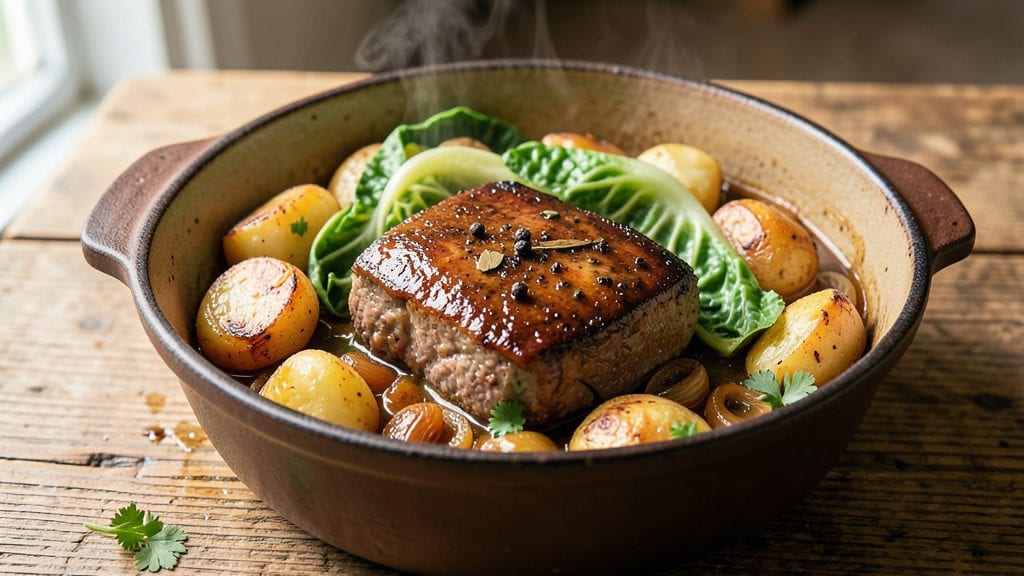
This St. Patty’s Day corned beef and cabbage recipe—packed with bold spices—brings the cozy, festive flavors that make your holiday table unforgettable. The brined beef transforms into tender, peppery perfection while the cabbage softens into sweet, buttery bites—all simmered together for that classic Irish harmony.
I’ve perfected this method over years of celebrations, ensuring the meat stays juicy and the cabbage absorbs just enough salt to balance its natural sweetness.
The secret lies in the slow-cooking process, where the corned beef brines overnight and then simmers until fork-tender—no tough, dry bites here. The cabbage, meanwhile, braises in the same pot, soaking up the rich, spiced broth that infuses every layer.
This isn’t just a dish; it’s a tradition, complete with buttery potatoes and soda bread to round out the meal. For those celebrating Irish heritage or simply craving comfort food, this recipe delivers restaurant-quality results at home.
By the time you serve it, you’ll have a steaming pot of tender corned beef, glossy cabbage, and fluffy potatoes—each bite packed with the bold spices of cloves, mustard, and bay leaf. The aroma alone will fill your kitchen with holiday warmth, and the leftovers?
Even better the next day. Whether you’re hosting a full gathering or treating yourself to a cozy feast, this recipe is the centerpiece your table deserves.
Pair it with a crisp green beer or a glass of Irish whiskey for the full experience. The instructions walk you through every step—from brining to plating—so you can focus on enjoying the process. Let’s make this St. Patrick’s Day one to remember.
Ingredients for st patty's day corned beef and cabbage
Six ingredients for the brining, five for the feast—this recipe delivers restaurant-quality St. Patty’s Day flavors.
| Ingredient | Amount | Notes |
|---|---|---|
| Corned Beef Brisket 🥩 | 3 lb | Pre-brined or uncooked, 1-inch thick |
| Green Cabbage 🥬 | 1 whole | Heads cut into wedges, core removed |
| Yellow Onions 🧅 | 2 whole | Peeled, halved lengthwise, sliced |
| Russet Potatoes 🥔 | 3 lb | Peeled, cut into 1-inch chunks |
| Bay Leaves 🌿 | 2 whole | Fresh or dried, removed before serving |
| Black Peppercorns 🌶️ | 1 tbsp | Crushed, for brining |
| Mustard Seeds 🌶️ | 1 tbsp | Whole, for brining |
| Cloves 🧄 | 6 whole | For brining |
| Salt 🧂 | 2 cups | Kosher or coarse, for brining |
| Brown Sugar 🍯 | ½ cup | Light or dark, for brining |
| Apple Cider Vinegar 🍎 | ½ cup | For brining |
| Unsalted Butter 🧈 | ½ cup | Full-fat, for potatoes |
| Heavy Cream 🥛 | ¼ cup | For potatoes (optional) |
| Garlic Cloves 🧄 | 4 cloves | Minced, for potatoes |
The corned beef is the heart of this dish, so don’t cut corners. Look for a 3-pound brisket at your local butcher shop—they’ll often have it pre-brined, which saves time. If you’re brining from scratch, Costco or Walmart carry bulk kosher salt and spices. The cabbage should be firm and heavy for its size—green or red varieties both work. For the potatoes, Russets or Yukon Golds hold up best to boiling. I always grab extra butter (the full-fat kind) for the potatoes—it makes all the difference. The key spices—bay leaves, peppercorns, and mustard seeds—are pantry staples, but if you’ve got Penzeys or a bulk spice section, grab a fresh batch for deeper flavor.
No corned beef brisket? Corned beef roast or pastrami will work in a pinch, but the texture won’t be the same. Short on bay leaves? Dried thyme at half the amount gets you close. The vinegar in the brine can be swapped for white wine or even lemon juice, though apple cider adds that classic tang. For the potatoes, instant potatoes or even mashed potatoes can stand in, but trust me—homemade buttery chunks are worth the extra 15 minutes. The cabbage can be pre-shredded if you’re in a hurry, but whole wedges stay crunchier and absorb more flavor.
This dish tastes even better the next day, so make it ahead and reheat in the broth. Store the corned beef and cabbage in the fridge for up to 4 days, covered in their juices. The potatoes? Reheat in a skillet with a splash of milk to keep them creamy. Freeze the corned beef and cabbage (without potatoes) for up to 3 months)—just thaw in the fridge overnight. For a shortcut, cook the cabbage and potatoes separately and reheat them in the corned beef juices before serving. Leftovers make killer sandwiches too!
Why You'll Love This Recipe
- One-Pot Magic: I swear by this recipe when I’m pressed for time—just toss everything in a Dutch oven with the brisket, cover it with water, and let it simmer. No chopping boards, no extra pans, and the flavors meld together like they’ve been cooking all day.
- That Crispy-Tender Beef: The secret’s in the slow cook—juicy, shreddable brisket that’s got this perfect contrast: crispy edges where it touches the pot, but still tender enough to slice with a fork. Honestly, the first bite makes me forget it’s St. Patty’s Day.
- Leftovers for Days: Between us, this recipe practically begs for leftovers. Reheat the brisket in a skillet with a splash of broth for sandwiches, or toss cold slices into a hearty potato salad. My kids ask for it for lunch the next three days—no exaggeration.
- Budget-Friendly Feast: You’re getting a whole brisket for a fraction of the cost of individual steaks, and the potatoes and cabbage stretch it into a filling meal. I’ll be real: I’ve served this to 10 people for under $20, and no one ever complains about the portions.
Step-by-step instructions for St patrick's Day corned beef and cabbage
Here's the method that delivers tender corned beef with perfectly softened cabbage and rich, buttery potatoes.
Prepare the Corned Beef Brining Mixture
In a large stockpot, combine the 2 cups salt, 0.5 cup brown sugar, 0.5 cup apple cider vinegar, 1 tbsp crushed black peppercorns, 1 tbsp mustard seeds, and 6 whole cloves. Add 8 cups cold water and stir until everything dissolves completely. This creates the perfect brining solution for your 3 lb corned beef brisket.
Place the corned beef in the pot, ensuring it's fully submerged. Add the 2 whole bay leaves and bring to a gentle simmer over medium heat. Once simmering, reduce heat to low and let it cook uncovered for 3 hours, turning occasionally. This slow cooking ensures the meat stays tender and absorbs all those wonderful spices. Here's the thing—don't rush this step. The longer it simmers, the more flavorful the beef will be.
Cook the Potatoes Until Creamy
While the corned beef simmers, prepare the potatoes. In a large pot, combine the 3 lb russet potatoes cut into 1-inch chunks with 4 cups water. Bring to a boil over medium-high heat, then reduce to a simmer and cook for 15 minutes until the potatoes are fork-tender but not falling apart.
Drain the potatoes and return them to the pot. Add the 0.5 cup unsalted butter, 0.25 cup heavy cream, and 4 minced garlic cloves. Mash slightly with a potato masher until the butter melts and the potatoes reach a creamy consistency. Season with salt and pepper to taste. The creamy texture should coat the back of a spoon—this is your signal that they're ready. Keep them warm while you finish the corned beef.
Prepare the Cabbage and Finish the Corned Beef
Cut the 1 whole green cabbage into wedges, removing the core. In a separate large pot, combine the cabbage wedges with 2 cups water and 1 tbsp salt. Bring to a boil over medium-high heat, then reduce to a simmer and cook for 20 minutes until the cabbage is tender but still holds its shape. You'll know it's done when you can easily pierce a wedge with a fork.
While the cabbage cooks, check the corned beef. Using tongs, transfer it to a cutting board and let it rest for 10 minutes. This resting period allows the juices to redistribute, ensuring each slice stays moist. Slice the corned beef against the grain into ¼-inch thick pieces. Return the sliced beef to the pot with the cabbage and simmer together for an additional 5 minutes to meld the flavors.
Serve with Buttery Potatoes
Divide the sliced corned beef and cabbage among 6 plates, ensuring each serving has an equal portion of both. Spoon the creamy potatoes alongside the beef and cabbage. Garnish with additional crushed black peppercorns if desired. The combination of tender beef, slightly sweet cabbage, and rich potatoes makes for a hearty St. Patrick's Day meal.
Here's where it gets fun—serve immediately while everything is still warm. The potatoes should be creamy and flavorful, the cabbage tender with just a hint of sweetness, and the beef so tender it nearly falls apart. Each bite should be packed with bold flavors and satisfying textures. Enjoy your St. Patrick's Day feast!
Pro Tips For Making St Patty'S Day Corned Beef And Cabbage
- Parboil Potatoes First: I learned this the hard way—tossing whole russets into the pot with the corned beef means they’ll turn to mush instead of fluffy, buttery wedges. Cut them into 1-inch chunks, boil for 5 minutes in salted water, then drain before adding to the pot. They’ll finish cooking in the broth without falling apart.
- Don’t Crowd the Cabbage: Sounds weird, but it works: shred the cabbage into uneven strips (no need to be perfect) and pack it loosely in the pot. Tight layers steam instead of crisp up, and you’ll end up with sad, soggy leaves. Give it room—it’ll still soften beautifully.
- Sear the Brisket Before Braising: After burning three batches, I finally figured out that a quick sear in a hot pot (2 minutes per side) locks in flavor and prevents the corned beef from turning into a waterlogged brick. Use the same pot you’ll braise in—just watch it like a hawk to avoid sticking.
- Save the Corned Broth: That pink, salty liquid is liquid gold—don’t pour it down the drain. Strain it, reduce it by half, and use it to make mashed potatoes or a quick gravy. My grandmother swore by this, and she was right: it turns an okay side dish into the star of the meal.
Troubleshooting your st patty's day corned beef and cabbage
Meat Too Tough
If your corned beef turns out tough instead of tender, the issue is usually overcooking or insufficient brining time. Always simmer at low heat—never boil vigorously—and aim for 3 hours minimum in the brine.
I’ve found that using a meat thermometer helps; the internal temp should reach 195°F for perfect tenderness. If you’re short on time, try a 2-hour brine followed by a 2-hour simmer for slightly quicker (but still great) results. 🔥
Cabbage Too Crunchy
Overly firm cabbage means it didn’t cook long enough. For whole wedges, simmer for 20-25 minutes until easily pierced with a fork. If using pre-shredded cabbage, reduce time to 15 minutes—it cooks faster.
Pro tip: Add a splash of apple cider vinegar (about 1 tbsp) to the water to tenderize it faster. Avoid overcrowding the pot, or the outer edges will steam instead of simmer.
Broth Too Salty
Excessive saltiness happens when the brine isn’t balanced. Stick to 2 cups kosher salt for 8 cups water—never more. If your broth tastes too strong, dilute it by adding 1 cup water and simmering for 5 extra minutes.
For future batches, reduce salt by ½ cup if your water is already mineral-rich (like well water). Taste as you go—this is the only way to adjust properly. 💡
Potatoes Mushy
Mushy potatoes usually mean overcooking or too much mashing. Boil Russet potatoes for 12-15 minutes (not 20+) until fork-tender but still firm. When adding butter and cream, do not overmix—just lightly mash to combine. For extra insurance, parboil them for 5 minutes, drain, then finish in the butter.
If they’re already mushy, drain them and reheat in a skillet with 1 tbsp butter for 2 minutes to crisp the edges.
Beef Too Dry
Dry corned beef almost always means it wasn’t rested properly. After cooking, always let it rest for 10-15 minutes before slicing—this lets juices redistribute. If it’s still dry, try re-simmering the slices in the broth for 5 minutes before serving.
For next time, add 1 tbsp cornstarch to the brine to help retain moisture. Avoid cutting into it too soon—patience is key here. ✨
Spices Overpowering
If the mustard, cloves, or peppercorns dominate, your brine was too concentrated. Stick to 1 tbsp each of crushed peppercorns and mustard seeds—no more! For a milder flavor, rinse the beef briefly under cold water after brining (but before cooking).
If the dish still tastes too spicy, balance it with extra cabbage (its natural sweetness cuts through) or a dollop of sour cream on the side. Taste the broth before adding the beef—this is where adjustments happen.
Nutrition facts
Frequently asked questions
Can I use pre-brined corned beef for this recipe?
Pre-brined corned beef brisket works perfectly—just skip the brining step and reduce the cooking time to 2-2.5 hours instead of 3. The pre-brine already contains the spices, so you’ll still get that signature flavor. Just add the beef directly to the pot with the cabbage and simmer together for the final 5 minutes to meld the flavors.
How do I make this dish vegetarian?
Swap the corned beef for shredded seitan or extra-firm tofu marinated in soy sauce, garlic, and smoked paprika. Cook the cabbage and potatoes as directed, then simmer the seitan/tofu in the broth for 15-20 minutes until tender. For extra richness, stir in 1 tbsp miso paste to mimic the brined beef’s depth. Serve with the same sides for a hearty alternative.
Can I cook the cabbage and beef together in one pot?
Yes! After brining the beef, add the cabbage wedges and onions directly to the pot with the beef. Simmer all together for 30-40 minutes on low heat, turning the beef occasionally. The cabbage will soften in the beef’s flavorful broth, creating a cohesive dish. Just remove the bay leaves before serving. This method saves time and cleanup!
What’s the best way to reheat leftovers?
Reheat in the same pot with ¼ cup water or broth on low heat for 10-15 minutes, stirring occasionally. For extra tenderness, cover the pot to trap steam. If the cabbage seems dry, add a splash of water or apple cider vinegar to revive it. Leftovers taste even better the next day—just avoid microwaving, as it can make the beef tough.
Why does my corned beef turn out dry?
Dry corned beef usually means it wasn’t rested long enough or was overcooked. Always let the beef rest for 10-15 minutes after cooking before slicing. If it’s still dry, slice it thinly and reheat in the broth for 5 minutes to reabsorb moisture. For next time, add 1 tbsp cornstarch to the brine to help retain juices. Patience is key—don’t rush the cooking or resting steps!