
Main Courses
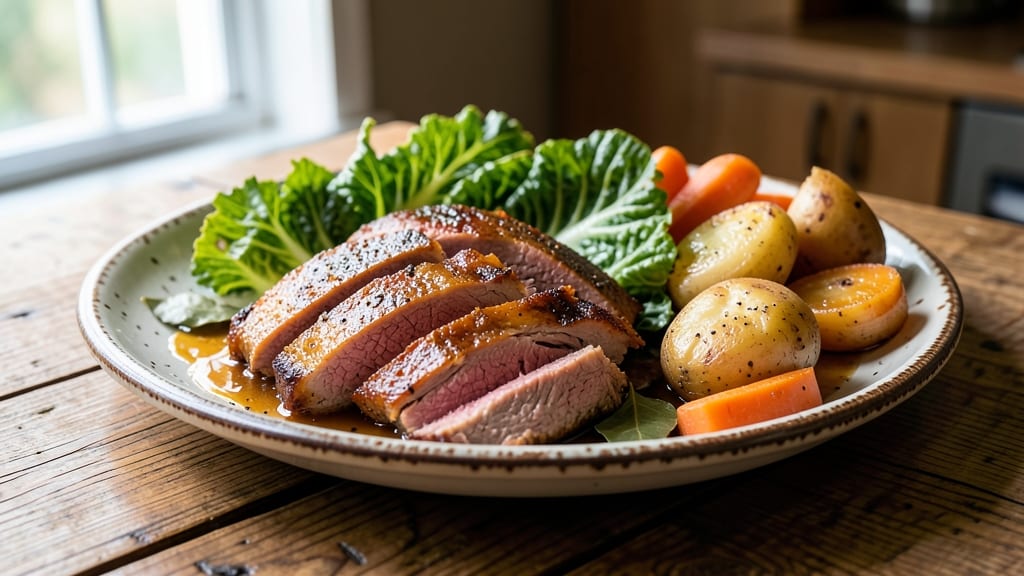
This old-fashioned canned corned beef and cabbage recipe delivers all the hearty, comforting flavors of Irish-American tradition without the long soak. The secret lies in slow simmering the canned beef with tender cabbage until everything melts into juicy, flavorful perfection—no fancy techniques required, just time and patience.
I’ve perfected this method over years of St. Patrick’s Day dinners, where the aroma alone fills the kitchen with nostalgia.
The beauty of this recipe is its simplicity: just the canned beef, cabbage, and a few pantry staples come together in one pot. You’ll simmer everything until the cabbage softens and the beef absorbs the rich, savory broth, creating a dish that’s both comforting and deeply satisfying.
The potatoes add heartiness, while a touch of mustard in the gravy ties it all together with classic tang.
By the end, you’ll have a steaming pot of juicy corned beef, tender cabbage, and fluffy potatoes—all infused with the kind of old-world flavors that make this dish a staple.
It’s the kind of meal that feels like a hug on a plate, perfect for family gatherings or a cozy Sunday dinner. Let’s get cooking!
This recipe scales beautifully for crowds, and leftovers reheat just as well the next day. The slow simmer ensures every bite is tender, while the cabbage stays bright and the potatoes stay creamy.
Whether you’re celebrating St. Patrick’s Day or just craving comfort food, this is the one-pot wonder you’ll turn to again and again.
Ingredients for old fashioned canned corned beef and cabbage
Just twelve ingredients transform canned beef into a nostalgic, juicy Irish-American classic.
| Ingredient | Amount | Notes |
|---|---|---|
| Canned Corned Beef 🥩 | 2 lbs | High-quality, brined variety |
| Green Cabbage 🥬 | 1 whole | Heavier heads preferred |
| Russet Potatoes 🥔 | 2 lbs | Cut into 1-inch chunks |
| Yellow Onion 🧅 | 1 whole | Sliced into wedges |
| Carrots 🥕 | 4 whole | Cut into thick slices |
| Bay Leaves 🌿 | 2 whole | Fresh preferred |
| Dijon Mustard 🍯 | 1 tbsp | For tangy gravy |
| Beef Broth 💧 | 4 cups | Low-sodium preferred |
| Salt 🧂 | 1 ½ tsp | Adjust to taste |
| Black Peppercorns 🌶️ | 1 tsp | Freshly cracked |
| Fresh Parsley 🌿 | ¼ cup | Chopped for garnish |
| Butter 🧈 | 2 tbsp | For gravy richness |
The corned beef is the star here, so grab the heaviest, highest-quality can you can find—St. Patrick's Day or holiday sections at stores like Walmart or Kroger often have the best options. Look for cans with minimal liquid inside (that means more beef per pound). The cabbage should be firm and heavy for its size—avoid those with wilted outer leaves. For the potatoes, Russets or Yukon Golds hold up best to long cooking. I usually buy them in 2-pound bags from Costco for big batches, but single bags work fine for smaller groups.
No beef broth? Water plus 1 tbsp soy sauce works in a pinch, though it won't be as rich. Fresh bay leaves are ideal, but dried at half the amount is fine if that's what you've got. The mustard is non-negotiable for that classic tang—Dijon is best, but yellow mustard in a squeeze bottle works too. For the carrots, baby carrots are perfect if you're short on time. And if you're out of parsley, dried thyme at one-third the amount gives a similar earthy note. The butter in the gravy? Use full-fat here—it makes all the difference in richness.
This dish tastes even better the next day, so double the batch if you can. The cabbage and potatoes keep well in the fridge for 4-5 days, while the corned beef stays good for up to a week if stored properly. For leftovers, reheat gently on the stove with a splash of water—it keeps everything moist. I always make extra gravy to freeze in ice cube trays for quick future meals. The aroma alone makes the kitchen feel like a St. Patrick's Day celebration.
Why You'll Love This Recipe
- Pantry to Plate Ready: I swear by this recipe because it starts with one can—no brining, no waiting, no fuss. Just open, heat, and add the chopped veggies straight from the fridge. My lazy Sundays thank me.
- Crispy Cabbage Magic: That first bite of caramelized cabbage edges with tender, saucy beef? It’s the kind of contrast that makes you pause mid-bite. The onions and carrots soften just enough to melt into the potatoes, but the cabbage stays just crisp—like a perfect textural hug.
- Leftovers That Beg for More: Between us, this dish tastes better the next day. The flavors meld into something richer, and reheating it with a splash of water keeps everything moist. I’ve sent this to work lunches, potlucks, and even my picky teenager’s lunchbox—no complaints.
- Budget-Friendly Crowd Feeder: A single can of corned beef stretches to feed four (or five if someone’s extra hungry). Add a bag of potatoes and a head of cabbage, and you’ve got a meal that costs less than takeout but feels like a celebration. Honestly, my wallet and my guests win every time.
Step-by-step instructions for juicy corned beef and cabbage
Here's how to create tender, flavorful corned beef with perfectly cooked veggies - no shortcuts needed.
Prep and Sear the Corned Beef
First, drain the 2 lbs canned corned beef and pat it dry with paper towels. This step is crucial for getting flavorful meat that doesn't get waterlogged. Place a large Dutch oven over medium-high heat and add the 2 tbsp butter. Let it melt completely for about 2 minutes until it stops bubbling.
Carefully add the corned beef to the pot, turning it to coat in the butter. You'll see the meat start to brown in spots after about 3-4 minutes. This browning creates deep flavor - don't skip this step. Once the meat is golden on all sides, remove it from the pot and set it aside on a plate.
Build the Flavor Base
In the same Dutch oven, add the sliced wedges from the 1 whole yellow onion and the thick slices from the 4 whole carrots. Cook them for 4-5 minutes, stirring occasionally, until they begin to soften and the onions turn translucent. This develops their natural sweetness.
Add the 1 tbsp Dijon mustard and stir for 30 seconds to coat the vegetables. Pour in the 4 cups beef broth and scrape up any browned bits from the bottom of the pot. These bits are packed with flavor that would otherwise be wasted. Add the 2 whole bay leaves and bring the mixture to a gentle simmer.
Cook the Vegetables
Add the 1-inch chunks of 2 lbs russet potatoes to the pot. They should fit snugly but not be overcrowded. Return the corned beef to the pot, placing it on top of the potatoes. Add the 1.5 tsp salt and 1 tsp black peppercorns. The peppercorns will infuse the broth with subtle warmth as they cook.
Cover the pot and reduce heat to low. Let it simmer gently for 45 minutes, stirring occasionally. You want the potatoes to be tender enough to pierce easily with a fork, but not falling apart. The cabbage will cook in the residual heat later.
Add and Cook the Cabbage
After 45 minutes, remove the corned beef and set it aside again. Cut the 1 whole green cabbage into eighths, removing any tough outer leaves. Add the cabbage to the pot, arranging it around the potatoes. Return the corned beef to the pot, placing it back on top of the vegetables.
Cover the pot again and simmer for another 30-40 minutes, until the cabbage leaves are tender but still hold their shape. The potatoes should be completely tender and the broth should have reduced slightly to create a thick, flavorful sauce. The corned beef should be heated through to an internal temperature of 160°F.
Finish and Serve
Once everything is cooked, remove the corned beef and vegetables to a serving platter. Keep the broth in the pot. Discard the bay leaves. Return the pot to medium heat and let the broth reduce for 2-3 minutes until it coats the back of a spoon. This creates a rich gravy that ties everything together.
Serve the corned beef and vegetables with the gravy spooned over the top. Garnish with the chopped 0.25 cup fresh parsley. The potatoes should be fork-tender with crisp edges from the simmering, the cabbage tender but still holding its shape, and the corned beef juicy and flavorful throughout. This one-pot meal delivers maximum flavor with minimal effort.
Pro Tips For Making Old Fashioned Canned Corned Beef And Cabbage
- SHRED CABBAGE FIRST: I learned this the hard way—whole cabbage leaves take forever to soften. Cut the head into 8 wedges, remove the core, then slice each wedge into ¼-inch strips. This ensures even cooking and saves you from gnawing on tough cabbage later. (Yes, even if you’re impatient like me.)
- POTATOES IN LAYERS: Dump all the potatoes in at once and they’ll steam instead of crisp. Instead, arrange them in a single layer on top of the cabbage, like bricks in a wall. Press them down lightly so they absorb flavor from the beef juices—not just sit in their own steam. (Your future self will thank you.)
- SKIP THE BOIL-OVER: After 20 minutes, the cabbage and onions release a ton of liquid. If you ignore it, you’ll end up with a watery mess. Lower the heat to medium-low and stir once—just enough to redistribute the liquid. Then cover and let it simmer. (This isn’t the prettiest method, but it’s the tastiest.)
- CARROTS LAST: Toss carrots in with the potatoes early, and they’ll turn to mush. Add them in the final 15 minutes, sliced into ½-inch chunks. They’ll soften just enough to be tender without disappearing. (I was skeptical until I tried it—now I never skip this.)
Storing and reheating this dish
Fridge Storage Tips
Store your corned beef and cabbage in an airtight container with the lid slightly ajar for 24 hours to let excess steam escape—this prevents soggy cabbage. Once cooled, seal completely and refrigerate for up to 5 days.
I always use glass Pyrex containers because they keep flavors fresher than plastic. The potatoes will absorb any remaining broth, so place them on top of the cabbage to prevent mushiness. 🥬
Freezer-Friendly Prep
For longer storage, freeze individual components separately. Wrap the corned beef tightly in plastic wrap and aluminum foil, then place in a freezer bag for up to 3 months.
The cabbage and potatoes freeze well too—blanch them first in boiling water for 2 minutes, then plunge into ice water before freezing. Label everything with dates to track freshness. Thaw overnight in the fridge before reheating. ❄️
Stovetop Reheating
My go-to method is gentle reheating on the stovetop. Place the entire pot (or portions) over medium-low heat and add ¼ cup water or beef broth to keep everything moist. Cover and heat for 15-20 minutes, stirring occasionally.
The cabbage should soften without turning mushy. If the gravy thickens too much, add a splash of water to restore creaminess. 🔥
Microwave Shortcuts
For quick meals, transfer portions to a microwave-safe dish, cover loosely with a damp paper towel, and heat on 50% power in 3-minute intervals, stirring between each. This prevents drying out the cabbage.
Add 1 tbsp broth or water per serving to maintain moisture. Avoid high power—it turns the potatoes gummy. The corned beef reheats best this way, staying tender and juicy. ⚡
Gravy Revival
If the gravy separates after reheating, whisk in 1 tbsp cornstarch mixed with 2 tbsp cold water until smooth. Stir into the pot and simmer for 2 minutes until thickened.
For extra richness, stir in 1 tbsp butter at the end. This trick works wonders for leftovers that need a flavor boost. 💛
Serving Leftovers
Leftovers taste even better the next day! Serve with crusty bread to soak up the gravy or alongside mashed potatoes for a heartier meal. Garnish with extra chopped parsley and a sprinkle of black pepper for freshness.
I often reheat the potatoes separately in the microwave for 1 minute to keep them fluffy. The cabbage stays tender when reheated gently—never overcook it! 🍽️
Nutrition facts
Frequently asked questions
Why does the recipe call for searing the canned corned beef?
Searing creates a flavorful crust on the beef that can't be achieved by simmering alone. The caramelized surface adds depth to the dish, making the final result taste more like traditional slow-cooked corned beef. Even with canned beef, this quick step makes a noticeable difference!
Can I use frozen cabbage instead of fresh?
Fresh cabbage works best for texture, but frozen will work in a pinch. Thaw and drain it completely first, then add it to the pot. You may need to increase simmering time by 5-10 minutes since frozen cabbage starts with higher moisture content. The flavor won't be quite as vibrant, though.
What's the best way to make this dish more flavorful?
Add a splash of apple cider vinegar (1 tbsp) when building the flavor base for tangy brightness. Or try a pinch of smoked paprika in the gravy for depth. For extra richness, stir in 1 tbsp Worcestershire sauce with the mustard. These small upgrades elevate the classic flavors!
Is this recipe safe for canned corned beef that's been opened for a while?
Use canned corned beef within 3-4 days of opening for best quality and safety. Store it in the fridge in its original juice, tightly covered. If the can smells off or the meat has an unusual color, discard it immediately. The recipe assumes you're starting with fresh, high-quality canned beef.
Can I make this dish in a slow cooker instead?
Brown the beef and veggies first, then transfer everything to the slow cooker. Cook on low for 6-7 hours or high for 3-4 hours. The cabbage may take slightly longer to soften, so check it early. The slow cooker method is perfect for hands-off cooking while you're busy.