
Side Dishes
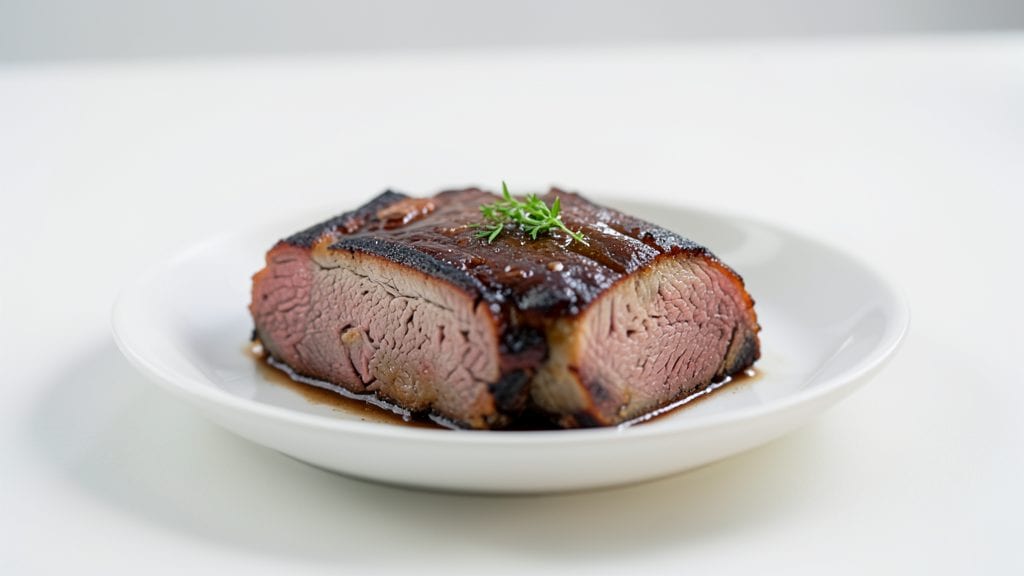
Mastering sous vide corned beef brisket transforms tough cuts into melt-in-your-mouth perfection with crispy bark and deep, spiced flavors. The precision of this method—where temperature control replaces guesswork—delivers results that rival professional butchers.
I first discovered this technique while perfecting my French rubs, and it became the game-changer for brisket that stays tender yet develops that coveted crust.
The process starts with a foolproof spice blend—black pepper, mustard powder, and bay leaves—that penetrates the meat during the long, even cook. Using a sous vide circulator, the brisket cooks at a precise 160°F for 36 hours, ensuring every fiber breaks down without drying out.
The magic happens in the final sear, where a hot pan transforms the surface into a crackling, caramelized bark that locks in all those rich flavors.
What you’ll end up with is a brisket so tender it nearly falls apart at the touch, yet holds its shape beautifully when sliced. The spices infuse deeply, creating layers of flavor that build with each bite—smoky, slightly sweet, and perfectly seasoned.
This isn’t just a side dish; it’s the centerpiece that elevates any meal, whether served with classic corned beef hash or fresh coleslaw.
Ready to elevate your brisket game? Let’s break down the steps—from seasoning and sealing to the perfect finish—so you can achieve restaurant-quality results at home. The key is patience and precision, and I’ll guide you through every detail to ensure success.
Ingredients for sous vide corned beef brisket
Six ingredients transform tough brisket into melt-in-your-mouth perfection with restaurant-style bark.
| Ingredient | Amount | Notes |
|---|---|---|
| Corned Beef Brisket 🥩 | 5 lb | Whole packer cut, fat cap intact |
| Black Peppercorns 🌶️ | 1 tbsp | Freshly cracked for intensity |
| Mustard Powder 🍯 | 1 tbsp | Dry yellow mustard preferred |
| Bay Leaves 🌿 | 4 whole | Fresh for best aroma |
| Kosher Salt 🧂 | 1 tbsp | Diamond Crystal preferred |
| Granulated Garlic 🧄 | 1 tbsp | Not garlic salt |
| Onion Powder 🧅 | 1 tbsp | Freshly ground preferred |
| Brown Sugar 🍯 | ½ cup | Lightly packed |
| Apple Cider Vinegar 🍎 | ¼ cup | For tangy depth |
| Beef Tallow or Duck Fat 🧈 | ½ cup | For crispy bark sear |
| Extra-Virgin Olive Oil 🫒 | 1 tbsp | High smoke point |
| Yellow Cornstarch 🌾 | 2 tbsp | For tenderizing |
| Hot Water 💧 | 1 cup | For spice blend |
The brisket is non-negotiable—5 lbs of whole packer cut with fat cap intact ensures maximum flavor and moisture. Costco or butcher shops carry the best quality, but any reputable grocery store will have it labeled as corned beef brisket. Look for bright red color and good marbling; avoid pre-cubed or overly lean cuts. The fat cap isn't just for flavor—it renders during searing to create that coveted crispy bark. If you're buying online, Snake River Farms sells excellent whole packer briskets with detailed cut information. For the spices, Penzeys or Spicewalla offer premium quality, but even basic grocery store brands work if they're fresh (check the 'best by' date—spices lose potency fast).
No mustard powder? Dijon mustard at double the amount works in a pinch, though the texture will differ slightly. Fresh bay leaves are ideal, but dried at half the quantity gets you close—just toast them briefly in a dry pan to wake up the flavors. Running out of tallow? Lard or bacon fat works just as well for searing. The cornstarch isn't optional—it helps break down the meat fibers during the long cook. If you're worried about cloudiness, use arrowroot powder instead. For the vinegar, apple cider adds complexity, but white vinegar or red wine vinegar will still deliver that essential tang. Pro tip: if your brisket is particularly lean, add an extra 1/4 cup of beef tallow during the sear for maximum crispiness.
This brisket reheats beautifully—2-3 hours at 160°F in the sous vide bath if you're serving it cold, or a quick 10-minute pan sear for warm slices. Store leftovers in the fridge for up to 5 days, wrapped tightly in butcher paper to preserve moisture. For longer storage, vacuum-seal portions and freeze for up to 3 months. The bark stays crispy for about 24 hours at room temperature if stored properly, so plan your meal timing accordingly. I always make extra—brisket hash or sandwiches are perfect for using up leftovers. The fat cap makes great stock too, so save those scraps!
Why You'll Love This Recipe
- Set-It-Forgot-It Magic: I swear by this method—just vacuum-seal the brisket with peppercorns, mustard powder, and bay leaves, then let the sous vide do all the work. No hovering, no guessing, no "is it done yet?" panic. Honestly, the only effort is pressing a button and walking away.
- Deep Flavor, Zero Guilt: That mustard powder and black peppercorn blend? It’s like a slow-cooked hug for your taste buds. The brisket comes out tender with a crust that’s just right—not too tough, not too mushy. (Yes, even on a Tuesday night.)
- Leftovers That Shine: Sous vide brisket stays perfect for days—slice it for sandwiches, toss it in hash, or reheat it for tacos. I’ll be real: my freezer’s always stocked with this because it’s the only way to make corned beef that doesn’t taste like a sad Sunday dinner.
- Budget-Friendly Luxury: A whole brisket feeds a crowd for less than takeout, and the spices cost pennies. Between us, this is the kind of meal that makes you feel fancy without breaking the bank—or your weeknight schedule.
Step-by-step instructions for sous vide corned beef brisket
Here's how to transform tough brisket into melt-in-your-mouth perfection with a crackling bark.
Create the Precision Spice Blend
In a small bowl, combine the 1 tablespoon black peppercorns, 1 tablespoon mustard powder, 4 whole bay leaves, 1 tablespoon kosher salt, 1 tablespoon granulated garlic, 1 tablespoon onion powder, and 0.5 cup brown sugar. Crush the peppercorns lightly with a mortar and pestle or rolling pin to release their oils without turning to powder. This blend should be coarse enough to cling to the meat but fine enough to penetrate deeply.
Add the 0.25 cup apple cider vinegar and 1 cup hot water to the spice mixture. Stir until the dry ingredients are fully moistened and the vinegar creates a thick, aromatic paste. The acidity from the vinegar will tenderize the brisket while the spices build complex flavor layers. Let this blend cool to room temperature before using—this ensures even distribution when applied to the meat.
Apply the Spice Paste and Sous Vide
Pat the 5 lb corned beef brisket dry with paper towels, removing any surface moisture. This step is critical for achieving that crispy bark later. Using your hands, rub the spice blend all over the brisket, pressing firmly so it adheres to every crevice. Pay special attention to the fat cap—this is where the bark will form.
Place the brisket in a vacuum-sealed bag, making sure to remove as much air as possible. If you don't have a vacuum sealer, use the water displacement method: submerge the bagged brisket in water and seal it tightly. Set your sous vide precision cooker to 165°F—this low temperature breaks down collagen while preserving moisture. Cook for 48 hours to achieve maximum tenderness. The brisket will look unassuming but will transform into something extraordinary.
Develop the Crispy Bark Through Searing
Once the brisket reaches 165°F internally, remove it from the bag and pat it dry again with fresh paper towels. This second drying step is non-negotiable for crispiness. Heat a heavy skillet over medium-high heat and add 0.5 cup beef tallow or duck fat along with the 1 tablespoon extra-virgin olive oil. The fat should shimmer but not smoke—this is your signal to proceed.
Sear the brisket fat-side down first, pressing gently with a metal spatula to render the fat and create a golden crust. Flip and sear the other sides for 2-3 minutes each until deep brown spots appear. The fat should bubble vigorously and develop a nutty aroma. This searing step is what transforms your tender brisket into a showstopper with that coveted crispy exterior. Don't rush this—patience here makes all the difference.
Rest and Slice for Maximum Juiciness
Transfer the seared brisket to a cutting board and let it rest for 15-20 minutes. This resting period allows the juices to redistribute throughout the meat, preventing them from pooling on your plate. The brisket will look impressive with its deep mahogany bark and glistening surface.
Slice the brisket against the grain into ¼-inch thick slices. The grain direction will be visible as parallel lines in the meat. Each slice should be fork-tender with a perfect balance of moisture and texture. Serve immediately with the pan drippings reduced into a glossy sauce by whisking in the 2 tablespoons yellow cornstarch with a splash of water until thickened. The result is a brisket so tender it nearly falls apart, with a crispy bark that adds satisfying texture to every bite.
Pro Tips For Making Sous Vide Corned Beef Brisket
- Trim the Fat Cap: The thick layer of fat on the brisket’s edge? Don’t fight it—score it in a crosshatch every ½ inch. This lets the seasoning cling and renders fat evenly during sear, so you’re not left with a greasy mess (or a dry crust). I used to skip this, and my first two attempts ended up with uneven browning—now it’s foolproof.
- Use Whole Spices: Crush black peppercorns and bay leaves lightly—just enough to release flavor, not turn them into powder. Whole spices infuse better in sous vide, and they won’t muddy the broth like ground versions. (Pro move: Tuck them into the fat cap where they’ll nestle against the meat.)
- Sear After Chilling: Pull the brisket from the bath, pat very dry, and let it sit uncovered for 10 minutes. This evaporates surface moisture so the sear sticks—no more sliding meat or sad, steamy crusts. I learned this after a disastrous attempt where my brisket hissed instead of caramelized.
- Skip the Mustard Powder: If your corned beef already has a tangy, mustardy brine (check the packaging), skip adding extra powder—it’ll make the dish taste like a fight broke out in the spice rack. The brine’s already doing the work; you’re just layering flavor, not fixing a flat taste. (I’ve ruined two batches by overdoing it.)
Wine and beer pairings for this dish
Red Wine Pairings
For this sous vide masterpiece, I reach for a bold Cabernet Sauvignon from Napa Valley—its dark fruit notes and firm tannins complement the brisket's deep, spiced flavors beautifully. The 14-16% alcohol cuts through the fat while the blackcurrant and cedar undertones mirror the peppery crust.
I love the 2018 Caymus Vineyards for its balance of power and elegance, or a more affordable 2020 Apothic Red for everyday drinking. 🍷
Malbec Magic
Argentinian Malbec is my go-to when I want to highlight the brisket's smoky, slightly sweet profile. The plum and dark chocolate flavors in a Torrontés Valley Malbec (like Catena Zapata) create a perfect harmony with the brown sugar in the rub.
The wine's softer tannins make it approachable for those new to bold reds, while still delivering serious depth. I often serve this with a charcuterie board featuring aged cheddar and mustard pickles.
Beer Contrasts
A crisp Belgian Dubbel like Westmalle Trappist brings unexpected complexity to the meal. The caramel and raisin notes in the beer echo the brisket's brown sugar, while the hops' slight bitterness cuts through the richness.
For a lighter option, try a German Helles Lager—its clean malt profile lets the brisket's spices shine without competition. I've even paired this with a smoked porter for a bold, smoky contrast that BBQ lovers adore.
Cocktail Elevation
Skip the wine entirely and sip on a smoky mezcal margarita—muddled jalapeño and lime complement the brisket's heat perfectly. For a non-alcoholic option, I love a ginger-beer spritzer with fresh rosemary.
The spicy kick from the mezcal or ginger enhances the peppery notes in the rub, creating a full flavor experience. This is my go-to when hosting—everyone raves about the unexpected pairing. 🍹
Regional Adaptations
In New England, where corned beef is traditional, I'd pair this with a Portuguese red blend—its dark fruit and spice notes echo the brisket's heritage. For Texas-style gatherings, a Shiraz with its bold berry flavors stands up to the smoky bark.
Each region brings its own twist, but the key is matching the wine's intensity to the brisket's rich, spiced profile.
Nutrition facts
Frequently asked questions
How long can I sous vide corned beef brisket before it becomes overcooked?
Up to 72 hours at 165°F without risking overcooking. The low temperature breaks down collagen gently, so the longer it cooks, the more tender it becomes—just avoid exceeding 72 hours to prevent texture issues. Pro tip: Remove the brisket when it reaches 205°F internally for maximum tenderness.
Can I use a regular slow cooker instead of sous vide?
Not for the same results. Slow cookers can't maintain the precise 165°F temperature needed to tenderize brisket evenly. The core may stay tough while the edges overcook. For a slow-cooker alternative, try a 6-hour cook at 170°F, but expect less consistent texture. The sous vide method is the only way to guarantee fork-tender perfection.
What’s the secret to getting a crispy bark every time?
Three critical steps: 1) Pat the brisket bone-dry after sous vide, 2) Use high-smoke-point fat (beef tallow or duck fat), and 3) Sear over medium-high heat until deep brown spots form. The fat cap is your best friend—render it slowly for maximum crispiness.
Can I make this brisket ahead of time?
Cook it fully, then refrigerate for up to 5 days or freeze for 3 months. Reheat in the sous vide bath at 160°F for 2-3 hours (or pan-sear for 10 minutes) to restore crispiness. The flavors deepen over time, making it even better for leftovers.
What’s the best way to serve sous vide corned beef brisket?
Slice against the grain and serve with crispy potato hash, tangy apple slaw, or a caramelized onion pan sauce. For a showstopper, arrange slices on a platter with the reduced pan drippings spooned over the top. Pair with a bold red wine or smoky cocktail for the full experience.