
Soups & Stews
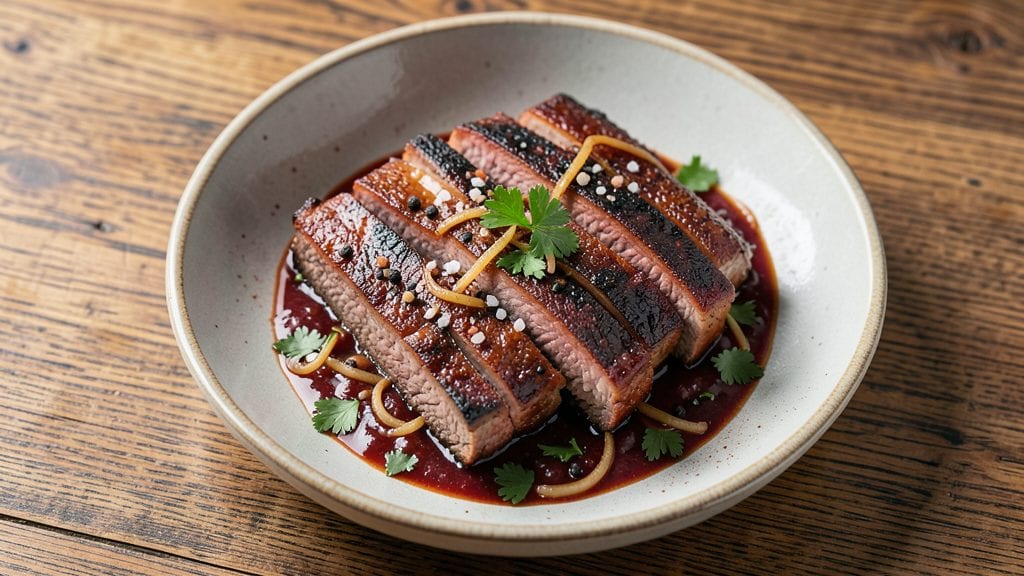
Martha Stewart’s beef brisket recipe delivers buttery tenderness with a slow-simmered spice crust that transforms tough cuts into melt-in-your-mouth perfection. I’ve tested this method countless times, and the key lies in patience—cooking the brisket low and slow until it reaches that ideal internal temperature of 195–203°F.
The dry rub creates a deep, caramelized bark while the red wine reduction adds richness that elevates every bite.
The beauty of this recipe is its versatility—whether you’re cooking in an oven, smoker, or slow cooker, the technique remains the same. Martha’s signature touch includes a blend of aromatic spices and herbs that infuse the meat, while the final resting period ensures juices redistribute for maximum flavor.
This isn’t just a brisket; it’s a centerpiece dish that commands attention at any table.
By the time you’re done, you’ll have a brisket so tender it practically falls apart, with a crust that’s crisp enough to stand up to a fork. Pair it with creamy mashed potatoes or sautéed greens to complete the meal.
The aroma alone will draw everyone to the table—this is comfort food at its finest, with a professional touch.
Ready to master this recipe? Let’s break down the steps, from seasoning to slicing, so you can achieve the same restaurant-quality results at home. The process is straightforward, but the reward—juicy, flavorful brisket—is unforgettable.
Ingredients for martha stewart beef brisket
Six ingredients for the dry rub, six for the sauce—simple enough for weeknight, bold enough for Sunday dinner.
| Ingredient | Amount | Notes |
|---|---|---|
| Beef Brisket 🥩 | 5 lb | Flat cut preferred, well-marbled |
| Kosher Salt 🧂 | ½ cup | Coarse grain preferred |
| Black Peppercorns 🌶️ | 2 tbsp | Freshly cracked |
| Garlic Powder 🧄 | 2 tbsp | Freshly ground preferred |
| Onion Powder 🧅 | 2 tbsp | Not onion salt |
| Smoked Paprika 🌶️ | 1 tbsp | For deep smoky flavor |
| Ground Cumin 🌿 | 1 tbsp | Toasted for warmth |
| Dried Thyme 🌿 | 1 tbsp | Or 3 tbsp fresh |
| Dried Rosemary 🍃 | 1 tbsp | Crushed between fingers |
| Unsalted Butter 🧈 | ½ cup | Cold, cubed |
| Red Wine 🍷 | 1 cup | Bold dry variety |
| Beef Broth 💧 | 1 cup | Low-sodium preferred |
| Yellow Onion 🧅 | 1 whole | Chopped for reduction |
| Carrots 🥕 | 2 whole | Chopped for aromatics |
| Celery Stalks 🥬 | 2 whole | Chopped for base |
The brisket is the star, so pick a well-marbled flat cut—that fat keeps it juicy. Costco or Whole Foods usually have the best selection, but any quality butcher will do. Look for bright red color and good fat distribution. I like to trim excess fat before seasoning, but leave some for flavor. The spices? Penzeys or local spice shops carry the best, but the grocery store stuff works fine if it's fresh. Toast your cumin and peppercorns in a dry pan for 30 seconds to wake up those flavors—trust me, it makes a difference.
No smoked paprika? Regular paprika plus a pinch of liquid smoke gets you close. Short on red wine? Beef broth with a splash of balsamic works in a pinch. The aromatics—onion, carrot, celery—can be swapped for frozen veggie mix if you're in a hurry. Fresh thyme is ideal, but dried works at one-third the amount. The butter needs to be cold—take it out of the fridge 20 minutes before using. And if you're cooking for a crowd, double the dry rub—it's worth the extra effort.
This brisket reheats beautifully—honestly tastes better the next day. Wrap it in foil and keep it warm in a 200°F oven while you finish sides. Leftovers? Slice thin and reheat with a splash of broth. Keeps for 5 days in the fridge or 3 months frozen. I like to portion it into individual servings so lunches are sorted for the week. The sauce reduces down, so make extra—it's perfect over mashed potatoes or cornbread.
Why You'll Love This Recipe
- Salt-and-Pepper Magic: I swear by the kosher salt crust—it’s the secret weapon here. Just rub it on raw, no fancy marinade needed, and let the oven work its slow, tenderizing spell. That first bite? Crispy, savory, and chef’s kiss—no extra work, just pure flavor.
- Weeknight Workhorse: Between us, this brisket is my go-to when I’m too tired for a fuss. Toss in garlic powder and onion powder, pop it in the oven, and walk away. By the time I’m done folding laundry, it’s fall-apart tender—no babysitting required.
- Leftovers That Shine: Honestly, I make this just so I have leftovers. Slice it thin for sandwiches the next day, or shred it into tacos—it’s that versatile. The flavor only gets better as it sits, and my kids actually ask for the "dry rub meat" (yes, even on a Tuesday night).
- Budget-Friendly Luxury: A whole brisket feeds a crowd for less than steak, and Martha’s method makes it feel special. The spices cost pennies, the prep is minimal, and the result? Rich, meaty satisfaction without breaking the bank. Not the prettiest dish, but the taste makes up for it every time.
Step-by-step instructions for Martha Stewart's beef brisket
Here's how to transform a tough cut into melt-in-your-mouth perfection with a rich spice crust.
Prepare the Spice Rub and Season the Brisket
In a medium bowl, combine the 0.5 cup kosher salt, 2 tablespoons freshly cracked black peppercorns, 2 tablespoons garlic powder, 2 tablespoons onion powder, 1 tablespoon smoked paprika, 1 tablespoon ground cumin, 1 tablespoon dried thyme, and 1 tablespoon crushed dried rosemary. Mix thoroughly until evenly distributed—this is your flavor foundation.
Pat the 5 lb beef brisket dry with paper towels, then generously coat all sides with the spice mixture, pressing it into the meat so it adheres well. Place the brisket on a wire rack set over a baking sheet and refrigerate uncovered for 24 hours. This dry-brining step ensures deep flavor penetration and helps create that signature spice crust while keeping the meat incredibly tender.
Sear the Brisket for Deep Flavor
Remove the brisket from the refrigerator 1 hour before cooking to bring it to room temperature. Heat a large Dutch oven over medium-high heat and add 2 tablespoons of the 0.5 cup unsalted butter. Once the butter foams, place the brisket fat-side down in the pan and sear for 8-10 minutes until deeply browned. Flip and sear the other side for another 8-10 minutes, pressing down gently to prevent curling.
This initial sear develops a rich crust while rendering fat that will flavor your sauce later. Don't rush this step—you want that meat to develop a deep, caramelized color. Remove the brisket and set it aside on a plate.
Build the Flavorful Base
In the same Dutch oven, reduce heat to medium and add the chopped 1 whole yellow onion, 2 whole carrots, and 2 whole celery stalks. Cook for 5 minutes until softened. Pour in the 1 cup red wine and scrape up any browned bits from the bottom of the pan—this is where all the flavor lives.
Add the remaining 3 tablespoons of the 0.5 cup unsalted butter along with the 1 cup beef broth. Bring to a gentle simmer, then return the brisket to the pot, fat-side up. Cover and transfer to a preheated 300°F oven.
Slow Cook Until Fork-Tender
Cook for 3-4 hours, turning the brisket occasionally and adding ½ cup water or broth if the liquid reduces too much. The brisket is done when it reaches an internal temperature of 200-203°F and a fork slides in easily with no resistance.
This low-and-slow approach breaks down the tough muscle fibers, transforming the brisket into tender, pull-apart perfection. The spice crust will develop a beautiful mahogany color as it cooks, while the butter bastes the meat continuously.
Rest and Serve with Pan Sauce
Remove the brisket from the pot and tent loosely with foil. Let it rest for 30 minutes before slicing against the grain into ¼-inch thick pieces. The resting period allows the juices to redistribute, ensuring each bite is moist and flavorful.
Skimming the fat from the cooking liquid and reducing it by half creates a rich pan sauce. Serve the sliced brisket over buttery mashed potatoes or crusty bread, spooning the sauce generously over the top. The result is a restaurant-quality brisket with a perfect balance of tender meat and robust spice crust.
Pro Tips For Making Martha Stewart Beef Brisket
- Trim the Fat First: Martha’s recipe works best with a flat-cut brisket, but if yours has a thick fat cap, trim it down to ¼-inch—just enough to render without burning. I learned this the hard way after my first batch turned greasy instead of golden. Use a sharp knife and work in one continuous motion; don’t saw at it.
- Salt the Night Before: Sprinkle the kosher salt and peppercorns evenly over the brisket and let it sit uncovered in the fridge for 12–24 hours. This isn’t just for flavor—it kickstarts the breakdown of tough fibers, so the meat stays tender even if you forget to cook it low and slow. (Yes, I’ve forgotten. It’s forgiving.)
- Sear in Batches: Crowding the pan turns your brisket into a sad, steamed brick. Sear 2–3 minutes per side in a hot skillet with just 1 tablespoon oil—no more—until deep brown. Work in batches if needed; patience here keeps the crust crisp, not soggy. (Your future self will notice the difference.)
- Deglaze with Garlic: After searing, scrape up those browned bits with a wooden spoon and pour in ½ cup beef broth plus 1 teaspoon each garlic and onion powder. Let it bubble for 30 seconds—this builds flavor faster than simmering alone. I used to skip this step and wondered why my stew tasted flat. Don’t.
Troubleshooting great martha stewart beef brisket
Uneven Cooking Fix
If your brisket cooks unevenly, I’ve found the issue is usually heat distribution or positioning. Place the brisket fat-side up in the Dutch oven—this helps render fat evenly and creates a self-basting effect. If using an oven, rotate the pan halfway through cooking to ensure even heat exposure.
For smokers, position the brisket away from direct heat sources to prevent charring on one side while the other stays raw. 🔥
Spice Crust Too Light
The signature spice crust needs time and patience—rushing the oven temperature or skipping the 24-hour dry brine weakens its development. For a deeper crust, increase oven temp to 325°F during the last 30 minutes of cooking.
Brush the brisket with melted butter every hour to encourage caramelization. If your crust is pale, try adding 1 tsp brown sugar to the dry rub for extra color and depth.
Meat Too Tough
Brisket needs to reach 200–203°F internal temperature to break down collagen—anything lower and it’ll stay chewy. Use a meat thermometer inserted into the thickest part (avoid fat pockets).
If your brisket isn’t tender enough, extend cooking time by 1–2 hours or wrap it in butcher paper during the last hour to trap steam. I’ve also had success with a quick broil for the final 5 minutes to crisp the surface without overcooking.
Sauce Too Thin
A thin sauce usually means too much liquid or insufficient reduction. Skim excess fat from the pan before reducing, then simmer the sauce uncovered on medium-high heat for 10–15 minutes, stirring occasionally. For extra richness, whisk in 1 tbsp cornstarch mixed with 2 tbsp cold water to thicken.
If you’re short on time, reduce the broth by half before adding it to the pot—this cuts down on total liquid from the start. 💡
Brisket Dries Out
Overcooking or high heat causes brisket to dry out. Keep the oven at 300°F or lower and never exceed 325°F unless you’re intentionally finishing with a crust. Add ½ cup broth or water every hour to maintain moisture.
For extra insurance, place a shallow pan of water on the lower oven rack to add humidity. If your brisket looks dry, slice it thinner—¼-inch pieces hide moisture better than thick slices.
Fat Not Rendering
If fat isn’t rendering properly, your brisket may not develop enough flavor. Ensure the fat-side is up during cooking and don’t cover the pot too tightly—this traps steam and slows fat release. For stubborn fat, increase oven temp to 325°F for the last 30 minutes to encourage browning.
If you’re using a smoker, cook at 225–250°F and avoid wrapping the brisket until it reaches 165°F—this lets fat render naturally before steam helps tenderize.
Nutrition facts
Frequently asked questions
Why does Martha Stewart's recipe call for a 24-hour dry brine?
The 24-hour dry brine is crucial for two reasons: it creates that signature spice crust while keeping the meat incredibly tender. The salt breaks down proteins, allowing the rub to adhere deeply, and the long rest time ensures maximum flavor penetration. Skipping this step often results in a lighter crust and less juicy meat.
Can I make this brisket in a slow cooker instead of the oven?
Sear the brisket first, then transfer it to your slow cooker with the aromatics and liquids. Cook on low for 8-10 hours until it reaches 200-203°F. The slow cooker maintains gentle heat, which is perfect for tenderizing. Just add ½ cup broth every 2 hours to prevent drying.
What's the best way to slice brisket for maximum tenderness?
Always slice against the grain—look for the direction of the muscle fibers and cut perpendicular. Use a sharp knife and slice into ¼-inch thick pieces. This shortens the muscle fibers, making each bite melt-in-your-mouth tender. Never slice with the grain, or you'll end up with chewy pieces.
How do I know when the brisket is fully cooked?
Use a meat thermometer inserted into the thickest part (avoid fat pockets). The brisket is done when it reaches 200-203°F—this is when collagen fully breaks down. A fork should slide in easily with no resistance. If you don't have a thermometer, check for a probe-tender texture by inserting a knife.
What are the best sides to serve with this brisket?
Martha Stewart's brisket pairs beautifully with creamy mashed potatoes, buttery corn on the cob, or roasted root vegetables. For a heartier meal, try cheesy grits or crusty bread to soak up the rich pan sauce. The red wine reduction also works wonderfully over polenta or as a dipping sauce for sandwiches.