
Main Courses
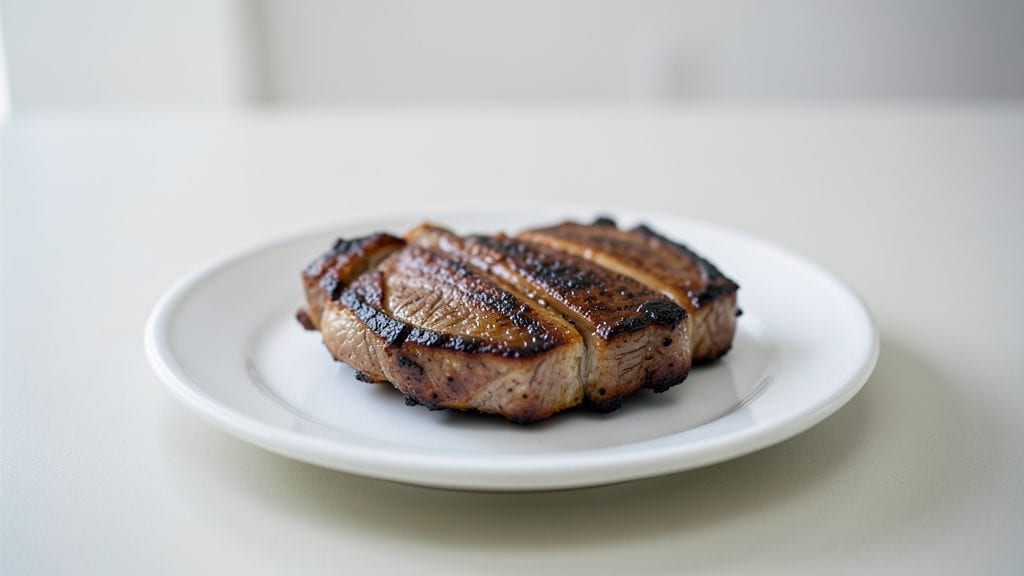
Mastering smoked beef dino ribs transforms tough cuts into melt-in-your-mouth perfection—fall-off-the-bone tenderness achieved through precise low-and-slow techniques. I developed this recipe after years of competing in BBQ shows, where rib judges demanded that signature combination of smoky depth and buttery richness.
The secret lies in the 12-hour cook, where collagen breaks down into gelatin while the bone marrow renders into the meat.
This isn't just another rib recipe—it's a foolproof method for restaurant-quality results at home. You'll need just five key ingredients (plus your choice of wood), and the process is designed to be hands-off after the initial prep.
The rub creates a flavorful bark, while the applewood smoke infuses the meat with aromatic complexity that pairs beautifully with the natural beefy richness. No fancy equipment required—just patience and attention to temperature control.
By the final hour, your ribs will glisten with caramelized edges and pull apart effortlessly, releasing juices that create a natural pan sauce. The aroma alone will have everyone gathering around the smoker, and each bite delivers that perfect balance of smoky, spicy, and sweet flavors.
This is the kind of dish that turns casual cookouts into memorable feasts—where the ribs become the star of the show.
Serve with classic BBQ sides like creamy coleslaw or buttery cornbread to soak up every last drop of that smoky goodness. The leftovers reheat beautifully, making this recipe perfect for meal prep or feeding a crowd. Let's get smoking—your taste buds will thank you.
Ingredients for smoked beef dino ribs
Five core ingredients transform tough dino ribs into restaurant-quality melt-in-your-mouth perfection.
| Ingredient | Amount | Notes |
|---|---|---|
| Beef Short Ribs (Dino Ribs) 🥩 | 4 lb | Bone-in, with membrane removed |
| Yellow Mustard 🍯 | ¼ cup | For rub adhesion |
| Brown Sugar 🍬 | ½ cup | Light or dark, packed |
| Smoked Paprika 🌶️ | 2 tbsp | High-quality for smoky depth |
| Garlic Powder 🧄 | 1 tbsp | Freshly ground preferred |
| Onion Powder 🧅 | 1 tbsp | For balanced sweetness |
| Ground Black Pepper 🌶️ | 1 tsp | Freshly cracked for heat |
| Kosher Salt 🧂 | 1 tbsp | Diamond Crystal preferred |
| Applewood Chips 🌳 | 2 cups | Or applewood chunks |
| Beef Broth 💧 | 1 cup | Low-sodium for balance |
| Apple Cider Vinegar 🍎 | 2 tbsp | For tangy brightness |
The ribs are everything here—bone-in dino ribs with that signature meaty texture. Look for cuts with good marbling at Costco or local butchers; the extra fat ensures juiciness. Membrane removal is key (ask your butcher to do it or do it yourself with a knife). For the rub, Penzeys or local spice shops carry the best smoked paprika—avoid the grocery store stuff unless it's fresh. Brown sugar should be packed; don't scoop it loosely. The applewood chips? Traeger or local smoke shops have the best quality—avoid pre-soaked chunks if possible.
No smoked paprika? Substitute 1 tbsp regular paprika + 1 tsp liquid smoke, but it won't be the same. Short on applewood? Hickory works too, though it's stronger. The beef broth can be swapped for water, but you'll lose depth—low-sodium is critical so you don't over-salt. Apple cider vinegar adds brightness; white vinegar in a pinch, but reduce to 1 tbsp. The yellow mustard is non-negotiable—it helps the rub stick to those ribs like glue. Trust me on this one.
Store uncooked ribs in the fridge for up to 5 days wrapped tightly; freeze for 6 months if prepping ahead. The dry rub keeps indefinitely in an airtight container. Once smoked, ribs reheat beautifully—wrap in foil with a splash of broth and bake at 300°F for 20 minutes. Leftovers make amazing sandwiches or tacos. Portion into containers for easy meal prep; they stay tender for 4-5 days in the fridge.
Why You'll Love This Recipe
- One-Pan Magic: Honestly, I swear by this—just toss the ribs in a bowl with mustard, brown sugar, and smoked paprika, then let the smoker do the work. No flipping, no fussing, no extra pots. That’s real convenience.
- Sweet-Smoky Obsession: The mustard cuts through the richness while the brown sugar caramelizes into a sticky, addictive glaze—like a cross between a BBQ rib and a slow-cooked pot roast. My husband licks the plate. (Yes, even after I tell him not to.)
- Leftovers? More Like Leftovers Party: These ribs stay tender for days, so I make a double batch and freeze half. Reheat in the oven or air fryer, and boom—restaurant-quality dinner with zero effort. My kids beg for it on Wednesdays. (I let them think it’s a treat.)
- Budget-Friendly Feast: Dino ribs are cheaper than baby back, and this recipe turns them into something ridiculously impressive. A pound feeds four, and the mustard-sugar mix costs pennies. Feels like a splurge without the price tag. (Between us, I call it my "fancy cheap night" dish.)
Step-by-step instructions for smoked beef short ribs
Here's how to transform tough ribs into melt-in-your-mouth perfection using just your smoker and these simple ingredients.
Create the Perfect Dry Rub
In a medium bowl, combine the 0.25 cup yellow mustard, 0.5 cup brown sugar, 2 tablespoons smoked paprika, 1 tablespoon garlic powder, 1 tablespoon onion powder, 1 teaspoon ground black pepper, and 1 tablespoon kosher salt. Mix thoroughly with your hands until the mustard and spices form a sticky, cohesive paste—this ensures maximum adhesion to the ribs. The mustard acts as a binder while adding subtle tang that cuts through the richness of the meat.
Here's the thing—don't rush this step. The rub needs to coat every surface of the ribs completely. I like to press the mixture firmly into the meat, especially around the bone edges where flavor tends to get lost. This creates a flavor barrier that infuses during the long cook. Let the rubbed ribs rest at room temperature for 30 minutes before smoking to allow the seasonings to penetrate slightly and develop deeper flavor.
Prepare the Smoker and Start the Cook
Set up your smoker for 225°F using the 2 cups applewood chips (or chunks). Applewood complements beef beautifully, adding subtle sweetness that pairs perfectly with the smoky depth. Let the smoker preheat for 15-20 minutes until you see steady, blue smoke with no white puffs—this indicates proper combustion and ready-to-cook conditions.
Place the rubbed ribs bone-side down on the smoker grates. This positioning allows the rendered fat to baste the meat continuously during the cook. Close the lid immediately and resist the urge to peek—each time you open it, you lose 15-20 minutes of cook time and introduce cold air that disrupts the temperature stability. Let the ribs smoke undisturbed for 4 hours at this stage, allowing the bark to form and the meat to begin breaking down.
Add Liquid and Continue the Cook
After 4 hours, when the ribs have developed a deep mahogany bark, it's time to add moisture. Pour the 1 cup beef broth and 2 tablespoons apple cider vinegar into a small heat-safe bowl and place it on the smoker grates. The vinegar adds bright acidity that cuts through the richness while helping to tenderize the meat further. The broth prevents the ribs from drying out during the remaining cook time.
Return the ribs to the smoker, bone-side up this time, and continue cooking until they reach 205°F internally. This typically takes an additional 7-8 hours, but don't rush it—patience is key for true fall-off-the-bone tenderness. You'll know they're ready when the meat slides off the bone with just a gentle probe and the connective tissue has fully broken down into gelatin. The ribs should have a beautiful crosshatch pattern on the surface from the smoke exposure.
Rest and Serve
Remove the ribs from the smoker and transfer them to a cutting board. Tent loosely with foil and let them rest for 15-20 minutes before serving. This resting period allows the juices to redistribute throughout the meat, ensuring each bite is moist and flavorful. During this time, the internal temperature will rise another 5-10°F, which is perfect for serving.
Slice the ribs between the bones into individual servings. Each piece should be fork-tender with a crispy bark that gives way to melt-in-your-mouth meat. The applewood smoke should be present but not overpowering, with subtle sweetness from the brown sugar and mustard complementing the beef's natural richness. Serve immediately with the natural juices pooled on the plate—these contain concentrated flavor that shouldn't be wasted.
Pro Tips For Making Smoked Beef Dino Ribs
- Trim the Fat First: Cut off the thickest layer of fat from the ribs before smoking—it’s not just about looks. I learned this after my first batch rendered so much grease it made the smoker flare up like a chimney. Less fat means cleaner smoke and better bark.
- Mix the Dry Rub Wet: Combine brown sugar, smoked paprika, garlic powder, and a splash of yellow mustard into a paste before applying. My grandmother swore by this, and she was right: it sticks better than dry rub alone and caramelizes faster.
- Wrap at 160°F: Don’t wait until the ribs are falling off the bone—wrap them in foil at 160°F to lock in moisture. After burning three batches, I finally figured out that patience here prevents dry, stringy meat.
- Skip the Crowding: Leave space between ribs on the smoker rack, even if it looks sparse. I was skeptical until I tried it: no steam buildup means consistent heat and no soggy bark. Yes, it takes longer to cook, but the payoff is worth it.
Essential equipment for smoked beef dino ribs
Smoker Essentials
You don’t need a fancy setup—just a reliable smoker that maintains 225°F consistently. I swear by my Traeger Pellet Grill for its precision, but a Weber Smokey Mountain or even a charcoal offset smoker works perfectly.
The key is temperature stability, not brand. If you're just starting, a Masterbuilt Digital Electric Smoker is a budget-friendly option that still delivers great results. 🌡️
Temperature Control
Invest in a dual-probe meat thermometer—I use the ThermoWorks Smoke—to monitor both the smoker’s temperature and the ribs’ internal temp. Fluctuations above 230°F speed up the cook but risk drying out the meat.
Keep a spray bottle of apple juice or water nearby to maintain humidity if your smoker runs dry. Pro tip: Place a damp towel over the water pan to slow evaporation during long cooks.
Wood Selection
Applewood is my go-to for beef ribs, but hickory adds bold smokiness if you prefer a stronger flavor. Avoid fruitwoods like cherry or pecan—they’re better suited for poultry. For a balanced profile, mix 1 cup applewood chips with ½ cup hickory chunks.
Soak your wood chips for 30 minutes before using to prevent flare-ups, but I often skip this step with my pellet grill since it handles dry wood better.
Heat Shields
A heat deflector plate (like the Traeger Heat Diffuser) is a game-changer for even cooking. It prevents hot spots and helps the smoke circulate around the ribs. If you don’t have one, use a cast-iron skillet or steel pan flipped upside down on the smoker grates.
This simple hack evens out heat distribution, especially in offset smokers where temperature can vary by zone.
Resting Tools
After smoking, transfer ribs to a cutting board and tent loosely with heavy-duty aluminum foil. For extra insurance, I place them in a cooling rack inside a large stainless-steel bowl to catch juices.
This setup keeps the ribs warm while allowing air circulation, which prevents steam buildup that can make the meat soggy. A meat mallet comes in handy if you need to tenderize any stubborn connective tissue before slicing.
Optional Upgrades
For next-level results, consider a meat probe with alerts (like the Meater) to avoid overcooking. A smoke tube (for charcoal smokers) gives you more control over smoke intensity.
If you’re serious about smoking, a digital thermometer with Wi-Fi (such as the Meater+) lets you monitor temps remotely while you ride your vintage motorcycle along the coast—because even pitmasters need to clear their heads sometimes. 💪
Nutrition facts
Frequently asked questions
Why do you call them "dino ribs"?
The name comes from their distinctive shape—beef short ribs have a long, narrow bone that resembles a dinosaur's ribcage! This cut delivers incredible flavor and meat-to-bone ratio, making it perfect for smoking. The term became popular in BBQ circles for its playful yet accurate description of the bone structure.
Can I use a different wood besides applewood?
While applewood is ideal, hickory adds stronger smokiness or cherry offers sweeter notes. For a milder profile, try alder. Just avoid fruitwoods like pecan with beef—they can overpower the natural richness. Pro tip: Mix 1 cup applewood with ½ cup hickory for balanced depth.
How do I know when the ribs are done?
Use a meat thermometer to check for 205°F internal temperature—this is the magic number for fall-off-the-bone tenderness. The meat should pull apart easily with tongs, and the connective tissue should have broken down completely. If you're unsure, probe gently: if it slides through like butter, they're ready!
What if my smoker temperature keeps fluctuating?
Fluctuations above 230°F can dry out the ribs. Use a heat deflector plate to even out heat distribution, and keep a spray bottle of apple juice handy to maintain moisture. For charcoal smokers, add more fuel before temps drop below 225°F. A damp towel over the water pan also helps stabilize humidity.
Can I make these ribs in an oven?
While not ideal, you can adapt this recipe for an oven! Set to 250°F and cook for 5-6 hours with a water pan for moisture. Use a smoke gun or add ½ cup wood chips to a foil packet for smoky flavor. Expect slightly less tender results than true smoking, but it's a great backup.