
Sauces & Condiments
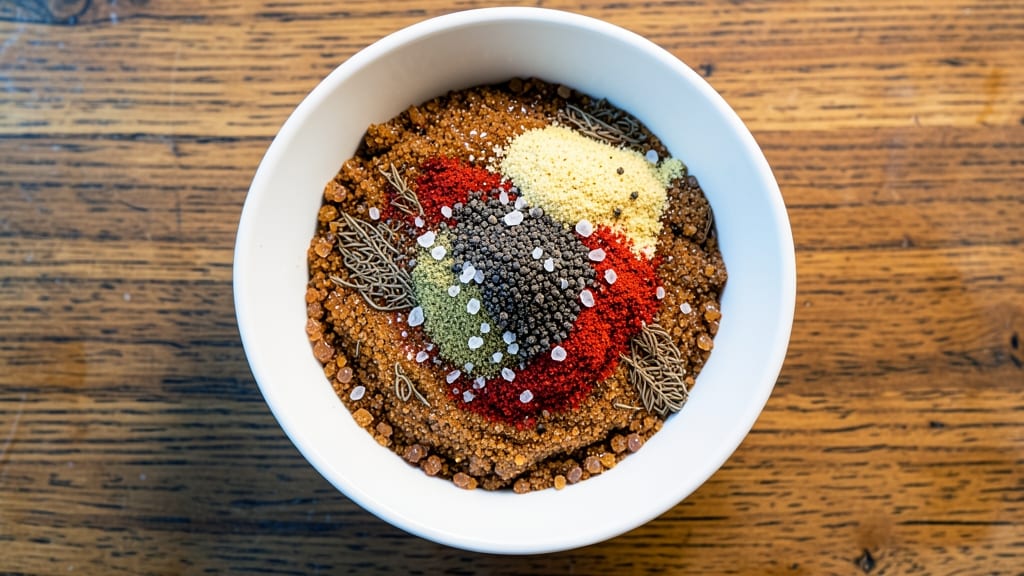
Creating the perfect smoked beef ribs dry rub starts with a balanced blend that delivers deep, smoky flavor and a bark so intense it clings to every rib like glue. This precise seasoning mix transforms tough beef into tender, flavor-packed masterpieces—no matter your smoking method or duration.
The key lies in the right proportions of sweet, savory, and heat-inducing spices that develop into an irresistible crust during the smoke.
This professional-grade dry rub uses only seven ingredients, each playing a critical role in flavor development and bark formation. Brown sugar provides the caramelized foundation, while smoked paprika adds that unmistakable wood-fired depth.
A touch of cayenne ensures subtle heat without overpowering the beef's natural richness. The blend is designed to be applied generously—about 2 tablespoons per pound of ribs—before the smoking process begins.
The result is a rib that develops a dark, glossy bark with complex layers of sweetness, smokiness, and just enough spice to linger on the palate. Unlike store-bought rubs that often taste artificial, this blend delivers authentic, restaurant-quality flavor with every bite.
The spices are carefully balanced to work together during the long smoke, creating a harmonious crust that enhances rather than masks the beef's natural taste.
Perfect for competition-style ribs, weekend projects, or even quick grill sessions, this dry rub works equally well with baby back, St. Louis-style, or spare ribs. Once you try it, you'll never go back to generic seasonings—this is the professional's choice for show-stopping smoked beef.
Let's get started on the perfect blend.
Ingredients for smoked beef ribs dry rub
Seven powerhouse ingredients transform ribs into smoky masterpieces with bark that clings like glue.
| Ingredient | Amount | Notes |
|---|---|---|
| Light Brown Sugar 🍚 | ½ cup | Packed for optimal caramelization |
| Smoked Paprika 🌶️ | ¼ cup | High-quality for authentic smokiness |
| Kosher Salt 🧂 | ⅛ cup | Diamond Crystal preferred |
| Ground Black Pepper 🌶️ | 2 tbsp | Freshly cracked for bold flavor |
| Garlic Powder 🧄 | 1 tbsp | Freshly ground preferred |
| Ground Cumin 🌿 | 1 tbsp | Toasted for deeper aroma |
| Cayenne Pepper 🔥 | 1 tsp | Adjust for desired heat level |
The brown sugar is non-negotiable—it's the caramelized foundation that creates that glossy, sticky bark everyone craves. Muscovado or turbinado from Whole Foods adds molasses notes, but regular light brown sugar works perfectly fine. Smoked paprika? Penzeys or McCormick brands deliver that authentic wood-fired depth—don't skimp on quality here. The kosher salt is doing double duty: seasoning and helping that sugar stick. Diamond Crystal is my go-to because it dissolves beautifully and doesn't clump. For the cumin, toast it in a dry pan for 30 seconds first—trust me, it makes all the difference.
No smoked paprika? Regular paprika plus a pinch of liquid smoke gets you 80% there, but it won't be quite the same. Running short on cayenne? Red pepper flakes at half the amount works in a pinch. The garlic powder can be swapped for 1 teaspoon of granulated garlic if you're feeling fancy, but it's not essential. For a sweeter profile, add 1 teaspoon of molasses to the brown sugar. This blend is designed to be applied generously—about 2 tablespoons per pound of ribs—so don't be shy with it. The spices develop their full potential during the smoke, so don't rush the process.
Store your dry rub in an airtight container away from light for up to 6 months. I like to portion it into small jars—one for each smoking session—so it stays fresh. The brown sugar will absorb moisture over time, so keep it in a cool, dry place. For competition-style ribs, I double the batch and store it in a vacuum-sealed bag to keep it extra fresh. This blend works equally well for baby backs, St. Louis-style, or spare ribs—just adjust the quantity based on your cut. The magic happens during the smoke, but having this precise blend ensures you're starting with a flavor foundation that's restaurant-quality.
Why You'll Love This Recipe
- Five-Ingredient Magic: I swear by this mix—just toss those pantry staples in a bowl, no fancy tools. The smoked paprika gives it that smoky depth without needing a smoker, and the brown sugar caramelizes into a sticky, addictive crust.
- Sweet-Smoky Balance: That first bite? The brown sugar’s caramelized sweetness meets the smoky paprika’s warmth, while the garlic powder sneaks in a savory punch. It’s the kind of flavor that makes you reach for seconds without even thinking.
- Tailgate or Tuesday: Slap this rub on ribs for a backyard cookout or a lazy Sunday dinner. The same simple mix works whether you’re grilling, baking, or slow-cooking—no need to reinvent the wheel.
- Budget-Friendly Feast: Kosher salt and pepper cost pennies, and you’ll use this rub for months. Plus, ribs feed a crowd, so you’re basically making a party dish for the price of a single takeout meal. (Yes, even on a Tuesday night.)
Step-by-step instructions for creating smoked beef ribs dry rub
This blend delivers that coveted deep-smoky bark that clings like a second skin.
Combine the Base Ingredients for Even Distribution
In a medium bowl, measure out the 0.5 cup light brown sugar first. Pack it firmly—this ensures optimal caramelization that will create the signature sticky bark. The sugar's moisture content is key here; don't scoop it loosely or you'll compromise the texture.
Next, add the 0.25 cup smoked paprika and 0.125 cup kosher salt to the bowl. The smoked paprika brings that authentic barbecue smokiness while the kosher salt enhances flavor penetration. Use a whisk to break up any clumps in the smoked paprika—this prevents uneven distribution later.
Incorporate the Spice Blend for Complex Flavor
Add the 2 tablespoons ground black pepper, 1 tablespoon garlic powder, and 1 tablespoon ground cumin to the bowl. The black pepper provides bold heat and depth, while the garlic powder and cumin add earthy, aromatic complexity. I like to use freshly ground spices whenever possible—they release more volatile oils that carry flavor.
Here's the thing—don't just pour these in and stir. Use a fork or small spatula to gently fold and press the spices into the sugar-salt base. This creates a cohesive paste that will adhere perfectly to the ribs. You're essentially making a dry rub that behaves more like a wet seasoning.
Add Heat Control and Final Integration
Measure out the 1 teaspoon cayenne pepper and add it to the bowl. This is where you can adjust the heat level—reduce to ½ teaspoon if you prefer mild ribs. The cayenne brings both heat and a subtle sweetness that complements the sugar beautifully.
Now comes the critical integration step: use your fingers to work the mixture thoroughly. Press the rub between your palms to break down any remaining clumps and create a fine, powdery texture. This ensures even coverage when you apply it to the ribs. The finished rub should resemble coarse sandpaper—grainy but cohesive.
Test and Store for Maximum Freshness
Transfer the completed rub to an airtight container with a fine-mesh sieve or small colander placed over the opening. This allows excess moisture to escape while keeping the spices protected. The rub will be ready to use immediately, but it keeps best for up to 3 months when stored in a cool, dark place.
For a quick test, sprinkle a small amount on your palm and rub it between your fingers. You should feel a fine, even texture with no gritty bits remaining. If you find any large particles, return the rub to the bowl and rework it with your fingers until completely smooth.
Pro Tips For Making Smoked Beef Ribs Dry Rub
- CRUSH THE SUGAR: DESCRIPTION: Light brown sugar loses its punch when left in clumps—grind it first with your fingers or pulse it briefly in a food processor. I learned this the hard way when my ribs came out tasting like a bland, dusty mess instead of caramelized perfection.
- SALT BEFORE SMOKING: DESCRIPTION: Apply the dry rub at least 4 hours ahead (overnight is better) so the salt penetrates deep. Skimping here means surface crust without flavor down to the bone—like putting lipstick on a pig.
- SKIP THE MOISTURE: DESCRIPTION: Resist the urge to spritz or baste with liquids during smoking. The rub needs to stick and form a crust, not turn to glue. If your ribs feel too wet, pat them dry with paper towels first.
- LOW-AND-SLOW PAUSE: DESCRIPTION: After 2 hours, check internal temp—if it’s under 170°F, wrap in butcher paper with foil for 30 minutes to lock in moisture. I used to push past 200°F, and my ribs turned chewy instead of tender.
Serving suggestions for this recipe
Bark Perfection
Apply the dry rub generously—about 2 tablespoons per pound of ribs—and work it into every crevice, including the bone side. For that signature competition-style bark, I recommend applying a second coat after the first 2 hours of smoking.
The sugar will caramelize beautifully, creating a glossy, sticky crust that's irresistible. 🔥
Sauce Pairings
Serve with a tangy vinegar-based sauce like classic Texas-style BBQ to cut through the richness. I love St. Elmo's Original BBQ Sauce—its sweet-tangy balance complements the smoky rub perfectly.
For a fruitier option, try a peach glaze made with ½ cup peach preserves and 1 tablespoon apple cider vinegar, reduced by half.
Side Dish Harmony
Classic creamy coleslaw with a tangy dressing adds a refreshing contrast. I use 1 cup shredded cabbage, ¼ cup mayonnaise, 1 tablespoon apple cider vinegar, and a pinch of cayenne.
For a heartier option, serve with smoked mac and cheese—the creamy, cheesy texture pairs beautifully with the bark.
Beverage Pairings
A cold unsweetened iced tea with a lemon wedge is my go-to for balancing the smoky, sweet flavors. For beer lovers, a hazy IPA like Three Floyds Zombie Dust brings hoppy bitterness that cleanses the palate. Avoid heavy stouts—they'll overpower the delicate bark.
Presentation Tips
For a restaurant-worthy presentation, arrange ribs on a large wooden board or platter. Garnish with fresh cilantro leaves and a drizzle of hot honey for added visual appeal.
Serve with small bowls of sauce on the side for customization. The bark should be the star—let it shine with minimal distractions. ✨
Nutrition facts
Frequently asked questions
Can I use this dry rub on other meats besides beef ribs?
This blend works beautifully on pork ribs, chicken thighs, or even brisket. The sugar and spices create that signature bark on any protein. For chicken, reduce the cayenne to ½ teaspoon—it's more delicate. The key is applying it generously and letting the smoke work its magic.
How do I store leftover dry rub?
Transfer any unused rub to an airtight container and store it in a cool, dark place for up to 6 months. For longer freshness, vacuum-seal portions. Keep it away from moisture—humidity will clump the sugar. A small mason jar with a tight lid works perfectly for single-use portions.
What if I don't have smoked paprika?
No problem! Mix ¼ cup regular paprika with 1 teaspoon liquid smoke for a close substitute. The flavor won't be identical, but it'll still deliver that smoky depth. For best results, use high-quality paprika and add the liquid smoke just before applying to the ribs.
Can I make this rub less sweet?
Yes—reduce the brown sugar to ¼ cup and add 1 tablespoon of cornstarch to maintain texture. This keeps the bark formation while cutting sweetness by half. For a completely sugar-free version, swap the brown sugar for ¼ cup granulated garlic and 1 tablespoon onion powder. The spices will still develop great flavor!
Why does my bark turn out too thin?
Thin bark usually means one of two things: either the rub wasn't applied thickly enough (aim for 2 tablespoons per pound), or the ribs weren't smoked long enough. For competition-style bark, smoke at 225°F for 4-6 hours with a spritz of apple juice every 90 minutes. The moisture helps the sugar caramelize properly.