
Main Courses
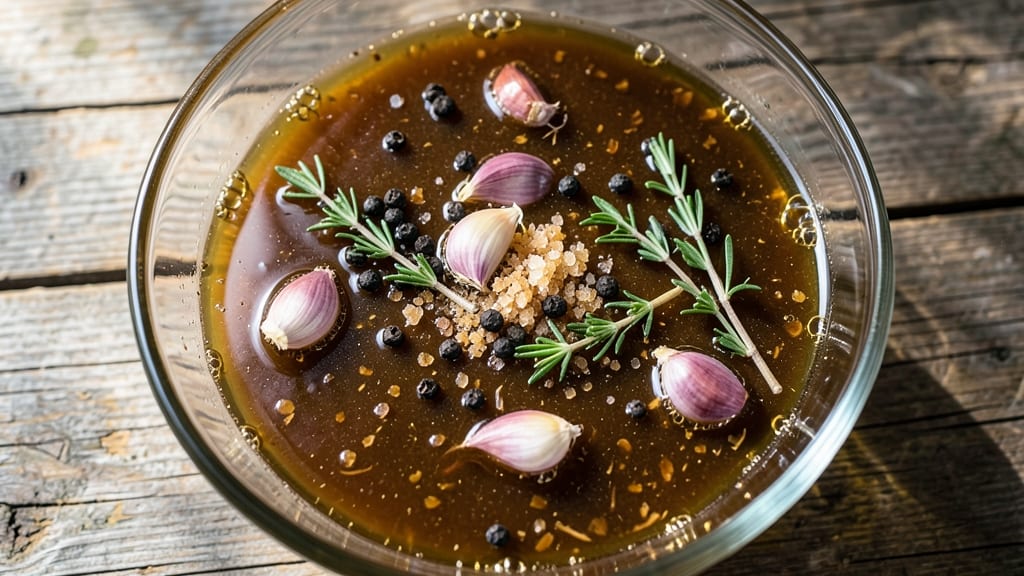
This smoked beef brisket brine recipe transforms tough cuts into melt-in-your-mouth perfection by locking in moisture and flavor before the first whiff of smoke hits your grill.
The day I realized French technique could elevate my rubs led me to perfect this brine—where salt, sugar, and aromatics work together to break down fibers while building a crust that crackles under the heat.
The secret lies in the balance: a 24-hour soak in this brine ensures the beef stays juicy through hours of low-and-slow smoking, while the spices infuse deeply for complex flavor.
I use a mix of kosher salt, brown sugar, and black pepper with a splash of apple cider vinegar—trust me, the tang cuts through the richness and keeps the meat tender. This method works whether you're smoking over hickory or using a pellet grill with oak chips.
By the time you pull that brisket from the smoker, you'll have a fall-apart tender masterpiece with a dark, flavorful bark that begs to be sliced against the grain.
The aroma alone will have your guests lining up, and every bite delivers that perfect harmony of smoky depth and salt-cured tenderness. Serve with classic sides like cornbread or tangy coleslaw to complete the meal.
Whether you're prepping for a backyard cookout or a competition-worthy centerpiece, this brine ensures restaurant-quality results at home. The key is patience—let that smoke work its magic, and the brisket will reward you with every tender, juicy bite.
Ingredients for smoked beef brisket brine
Four pounds of brisket. Twelve simple ingredients. One 24-hour transformation to restaurant-quality smokehouse tenderness.
| Ingredient | Amount | Notes |
|---|---|---|
| Beef Brisket 🥩 | 4 lb | Packer cut, whole or flat preferred |
| Kosher Salt 🧂 | 2 cups | Diamond Crystal preferred for texture |
| Light Brown Sugar 🍚 | ½ cup | Packed lightly, no clumps |
| Black Peppercorns 🌶️ | 2 tbsp | Coarsely cracked, not powdered |
| Garlic Cloves 🧄 | 6 whole | Smashed lightly, skins on |
| Apple Cider Vinegar 🍏 | ½ cup | Raw, unfiltered preferred |
| Onion Powder 🧅 | 1 tbsp | Freshly ground if possible |
| Ground Mustard 🌿 | 1 tbsp | Dijon style preferred |
| Bay Leaves 🍃 | 2 whole | Fresh or dried, crumbled |
| Fresh Thyme Leaves 🌿 | ¼ cup | Stems removed, chopped |
| Ice Cubes ❄️ | 1 cup | For cold brine solution |
| Water 💧 | 2 cups | Filtered preferred, cold |
The brisket is non-negotiable—packer cut with good marbling is your best bet. Costco or Whole Foods usually carry these whole, but ask the butcher for the flat cut if you want less fat. Kosher salt is a game-changer here (I swear by Diamond Crystal—it dissolves better than table salt). Brown sugar adds moisture and caramelization, so don't skip it. If you're using a whole packer, trim excess fat to about 1/4-inch thickness—this helps the brine penetrate evenly. The apple cider vinegar might seem odd, but that tang is what keeps the meat tender during smoking (trust me, I've tried without it).
No kosher salt? Morton's kosher salt works fine, but measure carefully—it's finer and can over-salt. Skip the brown sugar? White sugar at the same amount, but the color won't be as rich. Fresh thyme wilted? Dried thyme at one-third the amount saves the day. The garlic can be roasted first (wrap in foil, bake at 400°F for 10 minutes) for deeper flavor. Short on time? Pre-mix the dry ingredients in a jar and store for up to 3 months—just add water and ice when ready. The brine should be cold but not icy—add ice cubes if your kitchen is warm.
This brine keeps in the fridge for 3 days, but I always make it fresh—it's that good. The brisket stays submerged in the brine for 24 hours, so plan ahead. After brining, pat the meat dry (this is crucial for that bark) and let it sit uncovered in the fridge for 1-2 hours before smoking. The brine itself? It's amazing on grilled chicken or as a marinade for pork chops—never waste it. Store leftover brine in the fridge for up to 5 days or freeze for 3 months.
Why You'll Love This Recipe
- No-Fuss Prep: I swear by this brine—just a handful of pantry staples (kosher salt, brown sugar, crushed peppercorns) mixed with whole garlic cloves and a brisket. No fancy equipment, no stress, and honestly? The hardest part is waiting for it to soak.
- Deep, Smoky Richness: That brown sugar caramelizes into the meat while the garlic infuses every bite with warmth. The peppercorns add a subtle crackle, and the salt? It turns tough brisket into melt-in-your-mouth perfection—crispy bark, tender inside.
- Tailgate-Ready Magic: Between us, this is my go-to for game days, backyard BBQs, or even a lazy Sunday. The brined brisket holds up perfectly for hours, so I can focus on the company instead of the cookout. (Yes, even on a Tuesday night.)
- Leftovers That Don’t Suck: Smoked brisket should be a gift that keeps giving. This brine makes it so good that I’ll eat it cold in sandwiches or reheated with beans—no one complains. And since brisket’s budget-friendly, I’m not wasting money on takeout either.
Step-by-step instructions for smoked beef brisket brine
Here’s how to create a perfect brine that delivers melt-in-your-mouth tenderness every time.
Prepare the Brine Solution
In a large non-reactive container (like a food-safe plastic bin or glass bowl), combine the 2 cups kosher salt, 0.5 cup light brown sugar, 1 tbsp onion powder, 1 tbsp ground mustard, 2 whole bay leaves, and 0.25 cup fresh thyme leaves. Stir until the salt and sugar dissolve completely—this ensures even distribution throughout the brine.
Next, add the 6 whole garlic cloves (lightly smashed) and 0.5 cup apple cider vinegar. The vinegar adds tang and helps tenderize the meat while balancing the sweetness. Let this dry mixture sit for 5 minutes to allow the spices to bloom and release their aromas.
Finally, pour in the 2 cups cold water and stir vigorously until everything is fully dissolved. The mixture should look like a thick, flavorful syrup. Here’s the thing—this step matters because the salt needs time to fully penetrate the brisket, so don’t skip it.
Add Ice and Chill the Brine
Place the 1 cup ice cubes into the brine mixture and stir again. The ice keeps the temperature low, which is crucial for preventing the brisket from cooking prematurely during the brine. The ideal brine temperature should be 35–40°F—cold enough to work but not so cold it freezes the meat.
Let the brine sit for 10 minutes while the ice melts completely. This ensures the solution is uniformly cold and ready to submerge the brisket. If you’re short on time, you can skip the ice and just use cold water, but the ice guarantees a more consistent brine temperature.
Real talk: If the brine feels too warm after adding ice, pop the container in the fridge for 10 minutes to bring it down. The goal is to keep the brisket as cold as possible while it soaks up all those flavors.
Submerge the Brisket in the Brine
Place the 4 lb beef brisket in the brine, ensuring it’s fully submerged. If it floats, weigh it down with a plate or a clean, heavy object. The brisket should stay submerged for 12–24 hours in the refrigerator—this is the magic window for maximum tenderness and flavor infusion.
Here’s where it gets fun: The longer it brines (up to 24 hours), the more flavor and moisture it absorbs. But don’t exceed 24 hours, or the meat can start to break down and lose texture. I like to brine mine for 18 hours—long enough for deep flavor but not so long it turns mushy.
After brining, remove the brisket and pat it dry with paper towels. This step is non-negotiable—drying the surface ensures a perfect bark when you smoke it later. Let it sit uncovered in the fridge for 30 minutes to evaporate any remaining moisture before you smoke.
Rest and Smoke the Brined Brisket
Once the brisket is dry, let it come to room temperature for 30 minutes before smoking. This ensures even cooking and prevents cold spots. Smoke the brisket at 225°F until the internal temperature reaches 195–203°F, which typically takes 8–12 hours depending on your smoker.
Here’s the payoff: The brine does its job by locking in moisture and infusing flavor, so you’ll end up with a brisket that’s fork-tender and packed with depth. The bark will be rich and dark, thanks to the caramelized sugars from the brown sugar and vinegar.
Don’t skip the rest—let the brisket rest for 1–2 hours wrapped in butcher paper before slicing. This allows the juices to redistribute, guaranteeing every bite is as tender as the first.
Pro Tips For Making Smoked Beef Brisket Brine
- Trim the Fat First: Cut the thick fat cap down to about ¼-inch before brining—it renders faster and keeps the meat from turning into a greasy mess. I learned this the hard way after dealing with a brisket that felt like swimming in its own juice.
- Use Coarse Salt Only: Skip the fine kosher salt and grab the coarse kind—it penetrates deeper without dissolving into a salty sludge. My grandmother swore by this, and she was right: the texture stays firm, and the flavor is even.
- Brine at 34°F: Keep the brine cold (around 34°F) for 12–24 hours—any warmer and the meat gets mushy. I used to eyeball it and ended up with brisket that tasted like it had been marinated in a lukewarm swamp.
- Smash the Garlic: Mince the garlic cloves into a paste with the brown sugar—this releases more flavor and prevents floating clumps. Sounds weird, but it works: your brisket won’t just taste seasoned, it’ll taste like it’s been kissed by a garlic press.
Make-ahead tips for this recipe
Brining Timeline
Plan your brining like a pro by starting the 24-hour soak the night before you smoke. I always set a timer on my phone for 18 hours—this gives enough time for deep flavor infusion without over-brining.
The key is consistency: keep your brining container in the fridge at 38°F or below to prevent bacterial growth. If you're short on time, a 12-hour brine still works, but you'll lose some tenderness. 💡
Smoke Prep Ahead
While your brisket brines, prep your smoker or grill for 225°F using hickory or oak chips. I like to preheat my smoker for 30 minutes before adding the brisket to ensure steady temperature.
If you're using a pellet grill, set it to "Smoke" mode and load the pellets 15 minutes ahead. This gives you one less thing to worry about when the brisket comes out of the brine. ⏰
Dry Brisket Storage
After brining, pat the brisket dry and store it uncovered in the fridge for 1-2 hours to develop that perfect bark. Wrap it in a clean kitchen towel and place it on a wire rack over a tray to catch any drips.
This step is crucial—it prevents a soggy bark and ensures maximum smoke penetration. I usually do this while I prep sides like coleslaw or cornbread. ✨
Overnight Smoking Strategy
For those who want to smoke overnight, aim for a 195-203°F internal temperature with a 12-16 hour cook time. Use a meat probe thermometer (I swear by ThermoWorks Smoke) to monitor progress.
If your smoker drops below 225°F, add more wood chips or pellets to maintain heat. This low-and-slow approach lets the brisket cook gently while you sleep—just check it in the morning. 🌙
Resting and Serving
After smoking, let the brisket rest for 1-2 hours wrapped in butcher paper. This is where the magic happens—juices redistribute for that first bite of perfection. I like to tent it loosely with foil during resting to keep it warm.
For serving, slice against the grain into ¼-inch thick pieces using a sharp Dexter-Russell slicing knife. The brisket stays tender for 3-4 days in the fridge or 3 months in the freezer. 💪
Leftovers Reinvention
Transform leftover brisket into new meals with ease. Shred it for brisket tacos with pickled onions and cilantro-lime crema, or slice it thin for brisket sandwiches with caramelized onions and provolone.
I also love adding it to beef stews or loaded baked potatoes. The brine flavors keep it delicious for days—no waste here! 🌟
Nutrition facts
Frequently asked questions
How long can I brine the brisket before smoking?
The ideal brining time is 18-24 hours for maximum flavor and tenderness. Any longer risks breaking down the meat fibers, while less than 12 hours may not fully infuse the flavors. I recommend starting the brine the night before you plan to smoke.
Can I use this brine for other meats?
This brine works perfectly on chicken thighs, pork chops, or even salmon fillets. Just reduce the brining time to 6-12 hours for poultry and 4-6 hours for fish to prevent over-salting. The apple cider vinegar and spices add amazing depth to any protein.
What's the best wood for smoking brined brisket?
For this recipe, I recommend hickory or oak—they complement the brine's sweet and smoky flavors beautifully. Fruit woods like cherry or apple add a subtle sweetness that pairs well too. Avoid strong woods like mesquite, which can overpower the delicate brine flavors.
Why does my brined brisket turn out dry?
Dry brisket usually means one of three things: not patting dry enough before smoking, cooking too fast (above 250°F), or not resting long enough. Always pat the brisket completely dry after brining, maintain 225°F smoke temp, and rest for 1-2 hours before slicing. The brine locks in moisture—just give it proper time to work!
Can I make the brine ahead of time?
Yes! Prepare the dry ingredients (salt, sugar, spices) up to 3 months ahead in an airtight container. Store the wet brine (without ice) in the fridge for 3 days or freeze for 3 months. Just remember to add ice when you're ready to use it to keep the temperature cold.