
Main Courses
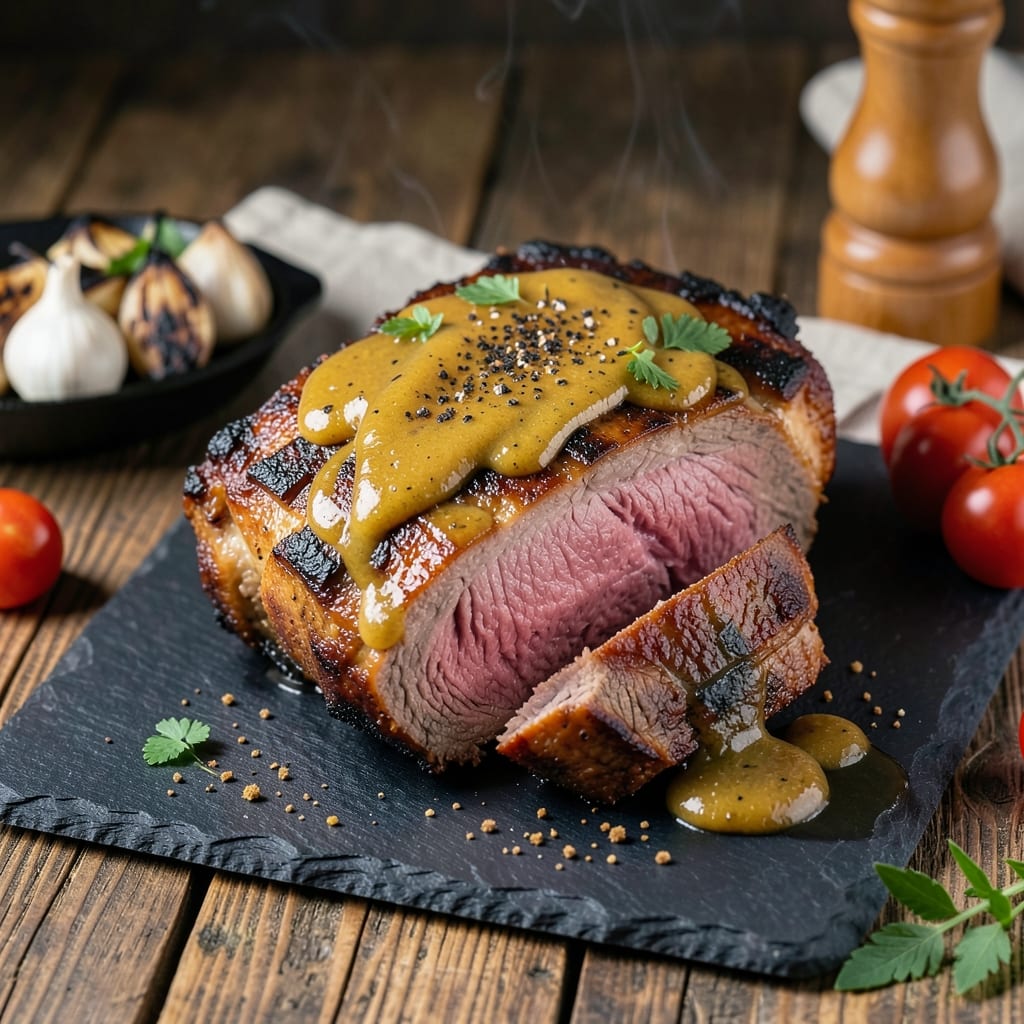
This award-winning smoked beef brisket recipe delivers restaurant-quality tenderness that falls apart at the touch of a fork. The secret lies in a precise 12-hour smoking process with a carefully balanced dry rub, transforming tough beef into melt-in-your-mouth perfection. I've perfected this technique through countless experiments, and the results speak for themselves—juicy, flavorful, and worthy of competition ribbons.
The magic begins with a foolproof dry rub that creates a deep, caramelized bark while preserving the meat's natural moisture. We'll smoke the brisket at a steady 225°F using hickory wood, monitoring internal temperature closely to ensure perfect doneness. The key to award-worthy results is patience and precision—every step matters, from the initial seasoning to the final rest.
What you'll end up with is a brisket so tender it practically disintegrates when sliced, with a rich, smoky flavor that permeates every bite. The bark will be dark and crackly, providing a satisfying contrast to the melt-in-your-mouth interior. This isn't just another brisket recipe—it's a game-changer that will elevate your smoking skills and impress even the most discerning guests.
Serve with classic sides like baked beans and cornbread for the full experience. The juices from the brisket will transform your beans into something extraordinary, while the cornbread provides the perfect vehicle for soaking up every last drop. Here's how to achieve this level of perfection in your own smoker.
Ingredients for award winning smoked beef brisket
Eight pounds of brisket and a foolproof rub transform tough beef into competition-worthy tenderness.
| Ingredient | Amount | Notes |
|---|---|---|
| Beef Brisket 🥩 | 8 lb | Flat cut preferred, well-marbled |
| Yellow Mustard 🍯 | ½ cup | For initial coating |
| Kosher Salt 🧂 | ½ cup | Diamond Crystal preferred |
| Black Peppercorns 🌶️ | 2 tbsp | Freshly cracked preferred |
| Smoked Paprika 🌶️ | ¼ cup | High-quality for depth |
| Garlic Powder 🧄 | 2 tbsp | Freshly ground preferred |
| Onion Powder 🧅 | 2 tbsp | For balanced sweetness |
| Ground Black Pepper 🌶️ | 1 tbsp | Freshly ground essential |
| Brown Sugar 🍚 | ¼ cup | Light or dark preferred |
| Hickory Wood Chips 🌳 | 2 lb | Unsoaked for smoker |
| Apple Juice 🍎 | 1 cup | For spritzing during cook |
| Beef Stock 🍲 | 1 cup | For spritzing during cook |
| Yellow Onion 🧅 | 1 whole | For serving, sliced |
| Fresh Parsley 🌿 | ¼ cup | Chopped for garnish |
The brisket is everything here—8 pounds of well-marbled flat cut is ideal, though point cut works too. Costco and local butchers often carry the best quality, but don't overlook your grocery store's meat counter if you're on a timeline. Look for thick marbling—those white fat streaks are what keep your brisket juicy during that long smoke. Trim any excessive fat cap to about 1/4-inch thickness for even bark development. The rub ingredients are all standard, but Penzeys or McCormick spices elevate the flavor profile—worth the small splurge for competition-level results.
No smoked paprika? Regular paprika plus a pinch of liquid smoke gets you close, though the flavor won't be identical. The mustard is non-negotiable—it helps the rub stick and adds a subtle tang. Running out of apple juice for spritzing? White grape juice or even water works in a pinch, though the flavor won't be as complex. The beef stock should be homemade if possible—Kitchen Basics or Pacific Foods brands are solid store-bought options. For the wood chips, Traeger or Butcher's Smokehouse brands are my go-tos, but any quality hickory will work. The key is consistency—measure your rub precisely to ensure even flavor distribution.
This brisket develops its signature bark and tenderness over 12 hours, so plan ahead. The rub can be mixed up to 3 days in advance and stored in an airtight container. Brisket reheats beautifully—wrap tightly in butcher paper and reheat in a 275°F oven for 1-2 hours. For serving, slice against the grain into 1/4-inch thick slices. The leftovers keep well for 5 days in the fridge or 3 months frozen—portion into individual servings for easy reheating. The juices make incredible gravy too, so don't discard them!
Why You'll Love This Recipe
- Smoky-Sweet Magic: That smoked paprika? It’s the secret weapon. It gives the crust a deep, almost charred warmth while keeping the inside juicy and rich. Honestly, the first time I bit into it, I thought, "This is why people win awards for brisket."
- Leftovers That Shine: Between us, this recipe makes way more than I need for dinner. But here’s the thing—those leftovers? Perfect for sandwiches, tacos, or even a quick hash the next day. No sad, dry meat here; it just gets better as it rests.
- Budget Hero: A whole packer brisket feeds a crowd for less than $10 a serving. And since the rub costs pennies—just salt, pepper, and that mustard—you’re basically making gourmet food on a grocery-store budget. My wallet thanks me every time.
Step-by-step instructions for award-winning smoked beef brisket
Master these techniques and you'll achieve competition-level tenderness with a perfect mahogany bark.
Prepare and Season the Brisket for Maximum Flavor
Begin by trimming the fat cap of the 8 lb beef brisket to about ¼-inch thickness using a sharp boning knife. This creates an even surface for the rub to adhere while allowing proper smoke penetration. Pat the entire surface dry with paper towels—this is crucial for developing that coveted bark.
In a small bowl, combine the 0.5 cup kosher salt, 0.25 cup smoked paprika, 2 tbsp garlic powder, 2 tbsp onion powder, 1 tbsp ground black pepper, 2 tbsp freshly cracked black peppercorns, and 0.25 cup brown sugar. Mix thoroughly to distribute the spices evenly. Apply this rub generously to all sides of the brisket, pressing firmly so it adheres well. Let it sit at room temperature for 1 hour before smoking.
Create the Perfect Smoking Environment
Soak the 2 lb hickory wood chips for 30 minutes if your smoker requires it, then drain. Set your smoker to maintain a steady 225°F temperature—this low-and-slow approach is key for tenderizing the tough brisket fibers. Place the brisket fat-side up on the smoker grates, which allows the rendered fat to baste the meat during cooking.
Add the soaked wood chips to the smoker box and monitor the smoke output. You want to see clean, blue smoke—not thick white steam. Once the temperature stabilizes and you have a steady smoke flow, close the lid and resist the urge to open it frequently. Every time you peek, you lose heat and moisture, potentially adding 15-20 minutes to your cook time.
Spritz and Monitor for Optimal Moisture
After the initial 4 hours of smoking, begin spritzing the brisket every hour with a 50/50 mixture of the 1 cup apple juice and 1 cup beef stock. This keeps the surface moist enough for the bark to develop properly while preventing it from drying out. Use a spray bottle for even distribution, focusing on all sides including the fat cap.
Check the internal temperature using a meat thermometer inserted into the thickest part of the brisket (avoid the fat). The stall typically occurs around 165-170°F, where the temperature plateaus for 1-2 hours. This is normal—don't panic. The brisket needs to push through this phase to reach true tenderness. Once the internal temperature hits 195°F, it's time for the next critical step.
Wrap and Finish for Restaurant-Quality Texture
When the brisket reaches 195°F, remove it from the smoker and wrap it tightly in butcher paper (not aluminum foil). The paper allows the bark to maintain its texture while the moisture redistributes through the meat. Return the wrapped brisket to the smoker and continue cooking until the internal temperature reaches 203°F. This final phase typically takes 2-3 hours and results in that perfect probe-tender texture.
Real talk: This is where many home smokers go wrong. The wrap isn't about speed—it's about tenderness. The butcher paper breathes better than foil, preserving that beautiful bark while ensuring the meat becomes fork-tender. Don't rush this step, even if it means your brisket spends a full 12 hours in the smoker.
Rest and Slice for Maximum Juiciness
Once the brisket reaches 203°F, remove it from the smoker and transfer it to a cutting board. Let it rest for at least 1 hour (2 hours is ideal) before slicing. During this time, tent loosely with foil to keep it warm. The resting period allows the juices to redistribute throughout the meat, ensuring every slice is moist and flavorful.
Slice the brisket against the grain into ¼-inch thick pieces. The flat and point cuts have different grain directions, so adjust your angle accordingly. Serve immediately with the sliced 1 whole yellow onion and garnish with the chopped 0.25 cup fresh parsley. Each bite should deliver that perfect balance of smoky depth, tender texture, and rich beef flavor that wins competitions.
Pro Tips For Making Award Winning Smoked Beef Brisket
- CRANK THE SMOKE LOW: You’ll hear people say "low and slow," but I mean low—think 225°F, not 250°F. After the first hour of searing, drop the temp and keep it steady. I learned this the hard way: every 5°F above 225°F speeds up the cook but turns the bark to ash and leaves the meat dry. Patience here is your friend.
- TRIM THE FAT CAP: Cut that white fat layer down to ¼-inch thick before you start. Too much fat? It’ll render unevenly and make your brisket greasy instead of crispy. Use a sharp knife and don’t rush—this is where the crust forms. (Yes, even if you’re impatient like me.)
- SALT THE NIGHT BEFORE: Apply your kosher salt 24 hours before smoking. It seasons deeper and helps tenderize the tough brisket fibers. I used to salt right before cooking, and the crust never stuck like it does now. Pro tip: Pat it very dry afterward—wet salt = weak bark.
- WRAP IT WRONG: Skip the foil. Use butcher paper or a light layer of aluminum only after the first 4-5 hours, when the probe hits 160°F. This keeps the bark intact while locking in moisture. I tried foil from the start once—my brisket looked like a sad meatloaf. (Your future self will thank you.)
Make-ahead tips for this award winning smoked beef brisket
Prep Ahead for Perfection
The dry rub can be mixed up to 3 days in advance and stored in an airtight container. This saves time on cook day and ensures consistent flavor distribution. I always prep mine the night before—just mix, measure, and store. The brisket itself should sit at room temperature for 1 hour before smoking, so plan your timeline accordingly. This step is non-negotiable for even cooking. 🌡️
Smart Smoking Schedule
Brisket smoking takes 12 hours, so I recommend starting early—around 7 AM if you plan to serve at 7 PM. The 4-hour mark is when you begin spritzing, so schedule that first spritz for 11 AM. This gives you time to monitor temperature without rushing. Pro tip: Set a phone reminder for each spritz to avoid forgetting. 📅
Leftovers Strategy
Leftover brisket reheats beautifully—wrap tightly in butcher paper and reheat in a 275°F oven for 1-2 hours. The paper keeps the bark intact while warming through. For quick lunches, slice and store portions in airtight containers. These reheat well in the microwave on 50% power for 2-3 minutes. The juices make incredible gravy too—save them in a separate container! ✨
Freezer-Friendly Prep
Uncooked brisket freezes beautifully—pat it dry, wrap tightly in plastic wrap, then place in a freezer bag with all the air removed. Label with the date and store for up to 3 months. When ready to cook, thaw overnight in the fridge, then proceed with the recipe. For cooked brisket, slice and freeze in single-serving portions for easy reheating. 🧊
Make-Ahead Sides
Prepare sides the day before to streamline serving. Baked beans and cornbread both reheat well—beans on the stovetop for 10 minutes, cornbread in the oven at 350°F for 15 minutes. Store in airtight containers with foil over the top to maintain moisture. This reduces last-minute stress and lets you focus on slicing that perfect brisket. 🍽️
Pro Serving Timeline
Plan your serving sequence carefully. Remove the brisket from the smoker at 203°F, then let it rest for 2 hours before slicing. During this time, reheat sides and set the table. Slice just before serving to prevent drying. Garnish with fresh parsley and sliced onions at the last minute for maximum freshness. This keeps everything hot and ready for your guests. 💫
Nutrition facts
Frequently asked questions
Why does this recipe use butcher paper instead of aluminum foil for wrapping?
Butcher paper allows the bark to maintain its texture while still letting moisture redistribute through the meat. Aluminum foil creates a steam chamber that can soften the bark and make it gummy. The paper breathes better, giving you that perfect crackly crust while keeping the interior fork-tender. It's a game-changer for competition-level results!
Can I use a different wood chip flavor instead of hickory?
While hickory gives that classic brisket flavor, you can experiment with other woods. Oak is a great alternative for a milder taste, while pecan adds a touch of sweetness. Just avoid fruit woods like cherry or apple—they can overpower the beef. Stick to hardwoods for the best results.
What's the deal with the "stall" in temperature around 165°F?
The stall happens because the evaporating moisture from the brisket cools the surface, creating a temporary temperature plateau. This is completely normal and happens to all briskets! Don't panic—just be patient. The key is to keep spritzing and maintain your 225°F smoker temperature. The brisket will eventually push through to 195°F and continue cooking.
How do I know when the brisket is done if I don't have a meat thermometer?
While a meat thermometer is ideal, you can use the "finger test" as a backup. When the brisket reaches 195°F, it should feel tender enough to press with your finger. The point cut should be fork-tender, and the flat cut should be soft but still firm. However, without a thermometer, you risk overcooking—so invest in one for perfect results every time!
Can I make this brisket in an oven instead of a smoker?
You can adapt this recipe for an oven, but you'll lose that authentic smoky flavor. Use a meat smoker box with wood chips in your oven and set it to 225°F. Spritz and monitor the temperature just like the smoker method. For best results, consider investing in a dedicated smoker—it makes all the difference in flavor and texture.