
Main Courses
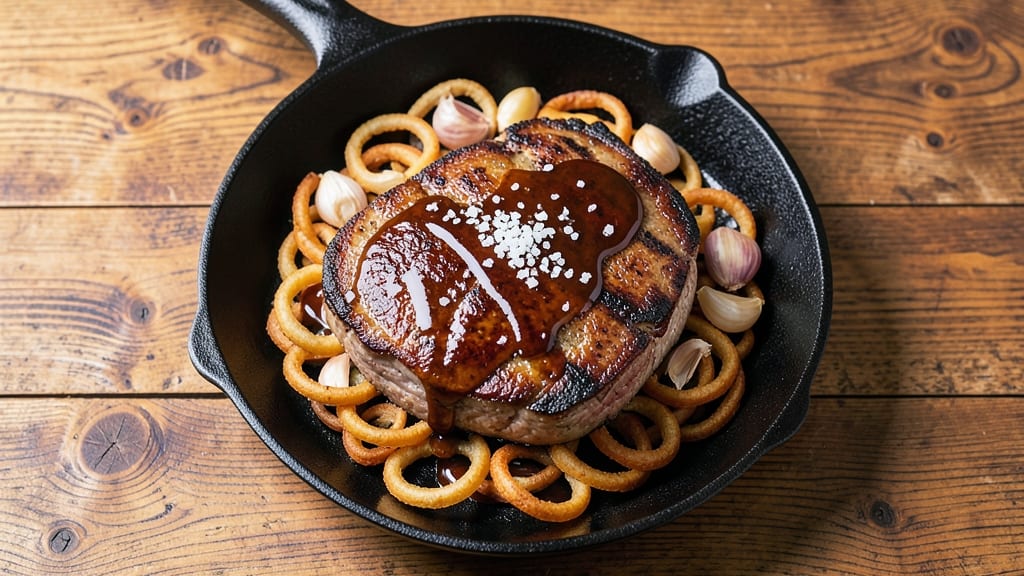
Mastering smoked beef belly means achieving that perfect balance between crispy bark and buttery tenderness—and this recipe delivers exactly that in one pan. The secret lies in precise temperature control, a well-seasoned rub, and letting the fat render slowly to create that coveted texture.
After years of perfecting this technique, I can confidently say this method transforms tough cuts into melt-in-your-mouth perfection every time.
This recipe starts with a simple dry rub of salt, pepper, and brown sugar, which caramelizes beautifully during the smoking process to form that prized bark. The beef belly smokes at a steady 225°F, ensuring the fat renders evenly while the meat stays tender.
No brining is needed here—just patience and attention to internal temperature, which should reach 195°F for that ideal texture.
By the time you pull it from the smoker, you’ll have a slab of beef belly with a crispy, caramelized exterior and silky, buttery layers inside that practically melt at the touch of a fork.
The aroma alone will have everyone gathering around the table, and the first bite delivers on that promise of restaurant-quality smoked meat without the fuss.
Serve it sliced thin over mashed potatoes, in tacos, or as a standalone centerpiece—this beef belly is versatile enough for any meal. The key is letting it rest for at least 30 minutes before slicing, which allows the juices to redistribute and ensures every bite is as tender as possible.
Let’s get smoking!
Ingredients for smoked beef belly
Four pounds of beef belly and a handful of pantry staples transform into restaurant-quality smoked meat.
| Ingredient | Amount | Notes |
|---|---|---|
| Beef Belly (Thick-Cut) 🥩 | 4 lb | Skin-on, thick-cut preferred for even rendering |
| Diamond Crystal Kosher Salt 🧂 | ¼ cup | Coarse grain for optimal bark formation |
| Freshly Ground Black Pepper 🌶️ | 2 tbsp | Cracked peppercorns preferred for depth |
| Light Brown Sugar 🍯 | ⅛ cup | Packed, for caramelization and bark |
| Smoked Paprika 🌶️ | 1 tbsp | For subtle smoky base flavor |
| Garlic Powder 🧄 | 1 tbsp | Enhances umami without overpowering |
| Onion Powder 🧅 | 1 tbsp | Balances sweetness of brown sugar |
| Apple Wood Chips 🌳 | 2 lb | Unsoaked, for authentic smoky flavor |
| Water 💧 | ½ cup | For soaking wood chips if needed |
| Heavy Cream 🥛 | ¼ cup | Optional, for basting during final crisp |
| Yellow Onion 🧅 | 1 whole | Sliced, for serving garnish |
| Fresh Parsley 🌿 | ⅛ cup | Chopped, for plating presentation |
The beef belly cut is non-negotiable for this recipe—thick-cut with skin-on ensures optimal fat rendering and bark development. Local butchers or specialty meat counters often carry the best cuts, but major chains like Whole Foods or Costco stock high-quality beef belly as well. Look for pieces with visible marbling and a vibrant pink color; avoid any with yellowing fat or excessive lean. The skin should be intact to help form the crispy bark during smoking. If your butcher doesn't offer pre-cut belly, ask for a 4-5 lb slab—this will yield perfect portions for four servings.
No smoked paprika? Substitute 1 tsp liquid smoke plus an extra 1 tbsp brown sugar to compensate for the missing depth. For the dry rub, substitute granulated sugar at 1:1 ratio, though it won't caramelize as beautifully. The apple wood chips can be swapped for hickory or cherry, though apple provides the most complementary sweetness. If you're short on time, pre-soaked wood chips from the store work fine, but unsmoked chips give you more control over the process. The heavy cream basting is optional but recommended for that final crisp—half-and-half works in a pinch, though full-fat delivers better results.
Store cooked beef belly in an airtight container with the fat rendered over the meat to maintain moisture. It keeps 5-6 days in the refrigerator, though flavor peaks at 2-3 days when served cold. For longer storage, vacuum-seal portions and freeze for up to 3 months. The rub ingredients should be stored in a cool, dark place—brown sugar will harden but remains usable. When reheating, wrap slices in foil and warm in a 350°F oven for 10-15 minutes to restore tenderness without overcooking.
Why You'll Love This Recipe
- That’s the secret: the salt and sugar cure melts into the fat while the smoked paprika gives it this deep, woodsy warmth. You get a perfect balance—crispy edges on the outside, tender, buttery layers inside. It’s the kind of bite that makes people pause mid-chew.
- Minimal Prep, Maximum Payoff: I swear by this one—just rub the beef belly with salt, sugar, and smoked paprika, then let the smoker do the work. No peeling garlic, no chopping herbs, no fuss. Honestly, the hardest part is waiting for that first whiff of smoky sweetness.
- Crispy-Creamy Magic: That’s the secret: the salt and sugar cure melts into the fat while the smoked paprika gives it this deep, woodsy warmth. You get a perfect balance—crispy edges on the outside, tender, buttery layers inside. It’s the kind of bite that makes people pause mid-chew.
- Weeknight or Party Star: Between us, this is my go-to for lazy Sundays and holiday gatherings. Slice it thin for tacos, shred it for sandwiches, or serve it whole as a showstopper. My kids even ask for it at school lunches (yes, really).
Step-by-step instructions for smoked beef belly
Here's the method for transforming tough beef belly into melt-in-your-mouth tenderness with a perfect bark.
Prepare the Dry Rub and Season the Beef Belly
In a medium bowl, combine the 0.25 cup diamond crystal kosher salt, 2 tablespoons freshly ground black pepper, 0.125 cup packed light brown sugar, 1 tablespoon smoked paprika, 1 tablespoon garlic powder, and 1 tablespoon onion powder. Mix thoroughly until the salt crystals are evenly distributed throughout the dry ingredients. This blend creates the ideal balance of saltiness, sweetness, and smokiness for developing that coveted bark.
Pat the 4 lb beef belly completely dry with paper towels, removing any excess moisture from the surface. This step is critical—moisture prevents proper bark formation. Apply the dry rub generously to all sides of the beef belly, pressing it firmly into the meat so it adheres well. The thick-cut portion ensures even rendering of fat and consistent cooking throughout. Let the seasoned beef belly rest uncovered in the refrigerator for 24 hours—this allows the salt to penetrate deeply and the rub to form a crust that will transform into bark during smoking.
Set Up the Smoker and Cook Low and Slow
Preheat your smoker to 225°F using the 2 lb apple wood chips and the 0.5 cup water in the water pan. Apple wood provides a clean, mild smoke that complements the beef belly without overpowering its natural flavor. Allow the smoker to reach temperature and produce a steady stream of blue smoke before adding the beef belly. Position the beef belly fat-side up on the smoker grates—this ensures the rendered fat bastes the meat as it cooks, contributing to both flavor and moisture.
Smoke the beef belly undisturbed for 10-12 hours, maintaining a consistent temperature of 225°F. This low-and-slow approach breaks down the tough connective tissue, transforming it into tender, fork-tender meat. Avoid opening the smoker during this time—each time you open it, you lose heat and extend the cooking process. You'll know it's ready when the internal temperature reaches 195-200°F and the bark is deep mahogany in color, with a crisp texture that gives way slightly when pressed with your fingers.
Wrap and Finish for Maximum Tenderness
Once the internal temperature hits 195°F, remove the beef belly from the smoker and wrap it tightly in heavy-duty aluminum foil. This step, known as the "Texas crutch," helps the beef belly overcome the stall—a point where evaporation slows and internal temperature plateaus. Return the wrapped beef belly to the smoker and continue cooking for an additional 2-3 hours, or until the internal temperature reaches 203°F. The foil trap ensures the meat continues to tenderize without drying out, while still allowing the bark to maintain its crispness.
During the final hour of cooking, you can optionally baste the beef belly with the 0.25 cup heavy cream for added richness. Brush the cream lightly over the bark in the last 30 minutes of cooking, allowing it to caramelize and enhance the flavor profile. This step is optional but recommended for an extra layer of depth and moisture.
Rest, Slice, and Serve
Remove the beef belly from the smoker and transfer it to a cutting board. Let it rest for 15-20 minutes before slicing—this allows the juices to redistribute throughout the meat, ensuring each slice is moist and flavorful. The bark should remain crisp and hold its shape, while the interior should be so tender it nearly falls apart with gentle pressure from a knife or fork.
Slice the beef belly against the grain into ¼-inch thick slices. Arrange the slices on a serving platter, garnished with the sliced 1 whole yellow onion and sprinkled with 0.125 cup chopped fresh parsley for a pop of color and freshness. Serve immediately, accompanied by your choice of sides like roasted potatoes, coleslaw, or crusty bread to soak up the rich, smoky juices. The contrast between the crisp bark and the buttery, tender meat is what makes this dish truly unforgettable.
Pro Tips For Making Smoked Beef Belly
- Trim the Fat First: Beef belly’s fat cap is your friend, but a ½-inch layer is all you need—thinner means faster rendering and better bark. I learned this the hard way after struggling with a 1-inch slab that took forever to crisp. Use a sharp knife to shave it down before salting.
- Salt in Layers, Not Dumps: Diamond Crystal kosher salt clumps if you pile it on—sprinkle lightly, then flip and repeat. After 2 hours, flip again and let it sit uncovered for another hour (yes, even if you’re impatient like me). This guarantees a crust that’s crisp, not soggy.
- Skip the Crowding: Smoking beef belly in a packed tray steams the fat instead of rendering it. Space slices ½-inch apart on the rack, and if your smoker’s too small, work in batches. Trust me, the difference in texture is night and day.
- Brown Sugar Early: Mix the light brown sugar with smoked paprika before the first smoke hits—this lets the sugar caramelize slowly, sticking to the meat like glue. I used to add it later, and it always ended up clumping or burning. Do it upfront.
Make-ahead tips for this dish
Prep Ahead for Smoking
The dry rub can be mixed up to 3 days in advance and stored in an airtight container in the fridge. I like to prep mine the night before—it saves time on smoking day and ensures the rub is ready when I need it.
Just mix all ingredients thoroughly and let it sit at room temperature for 15 minutes before applying to the beef belly. This allows the flavors to meld slightly, giving you a more cohesive seasoning blend. 🌶️
Beef Belly Prep Timeline
Season the beef belly and refrigerate it for the full 24 hours as called for in the recipe—this is non-negotiable for optimal bark development. I usually do this the night before smoking day.
The cold rest also helps the fat firm up slightly, which prevents excessive fat rendering during the initial smoking phase. Trust me, skipping this step results in a softer bark and less flavorful meat.
Smoker Prep Shortcuts
If you're short on time, pre-soak your wood chips in water for 30 minutes before smoking day. This ensures a steady smoke output right from the start. I also like to preheat my smoker for 15-20 minutes before adding the beef belly—this helps maintain a consistent 225°F temperature without fluctuations.
For electric smokers, plug them in 1 hour ahead to ensure stable heat.
Post-Smoke Storage Hacks
After smoking, let the beef belly rest in its foil wrap for 1 hour before storing it in the fridge. This helps maintain moisture and makes slicing easier later.
I store it in a large airtight container with the fat rendered over the meat—this keeps everything juicy for up to 5 days. For freezer storage, vacuum-seal individual portions for easy reheating.
The bark stays crispy when reheated properly—just wrap slices in foil and warm in a 350°F oven for 10 minutes. ✨
Make-Ahead Meal Prep
Slice the beef belly and store it in the fridge for up to 3 days before serving. I like to prep sides like roasted potatoes or coleslaw ahead of time too—this way, you can assemble the whole meal quickly when ready to serve.
For a party, I double the recipe and store the extra slices in the freezer. Just thaw overnight in the fridge before reheating. The leftovers make fantastic sandwiches or tacos the next day!
Garnish Prep in Advance
Chop your yellow onion and fresh parsley garnishes up to 2 days ahead and store them in separate airtight containers in the fridge. This saves time on serving day and keeps your presentation looking fresh.
I also like to make a quick red wine reduction (simmer 1 cup red wine with 1 tbsp brown sugar for 5 minutes) to drizzle over the beef belly at the last minute—it adds a sophisticated touch without much effort. 🍷
Nutrition facts
Frequently asked questions
Why is the 24-hour rest for beef belly so important?
The overnight rest allows the salt to penetrate deeply and helps the dry rub form a crust that transforms into that prized crispy bark during smoking. Skipping this step results in a softer bark and less flavorful meat. Think of it as a flavor infusion period—just like brining, but without the water.
Can I use a different wood chip for smoking?
Yes! While apple wood is ideal, hickory or cherry chips work well too. Avoid strong woods like mesquite—they can overpower the beef belly's delicate flavor. For a milder profile, try pecan or fruitwood blends. Just maintain that 225°F temperature for consistent results.
What if my bark isn't crispy enough?
If the bark turns out soft, it's usually due to excess moisture or insufficient sugar in the rub. Next time, pat the beef belly completely dry and ensure your brown sugar is packed—not granulated. For extra crisp, try basting with heavy cream in the final hour. The key is patience—let it smoke until the internal temp hits 203°F.
How do I store leftovers without drying out the bark?
Wrap slices tightly in foil and store in an airtight container with the fat rendered over the meat. Reheat in a 350°F oven for 10-15 minutes—this restores tenderness without overcooking. For longer storage, vacuum-seal portions and freeze for up to 3 months. The bark stays crisp when reheated properly!
What's the best way to serve smoked beef belly?
Slice it ¼-inch thick against the grain for maximum tenderness. Serve on its own as a centerpiece, or pair with classic sides like mashed potatoes, coleslaw, or crusty bread. For a restaurant-style presentation, drizzle with red wine reduction and garnish with sliced onion and parsley. The possibilities are endless!