
Main Courses
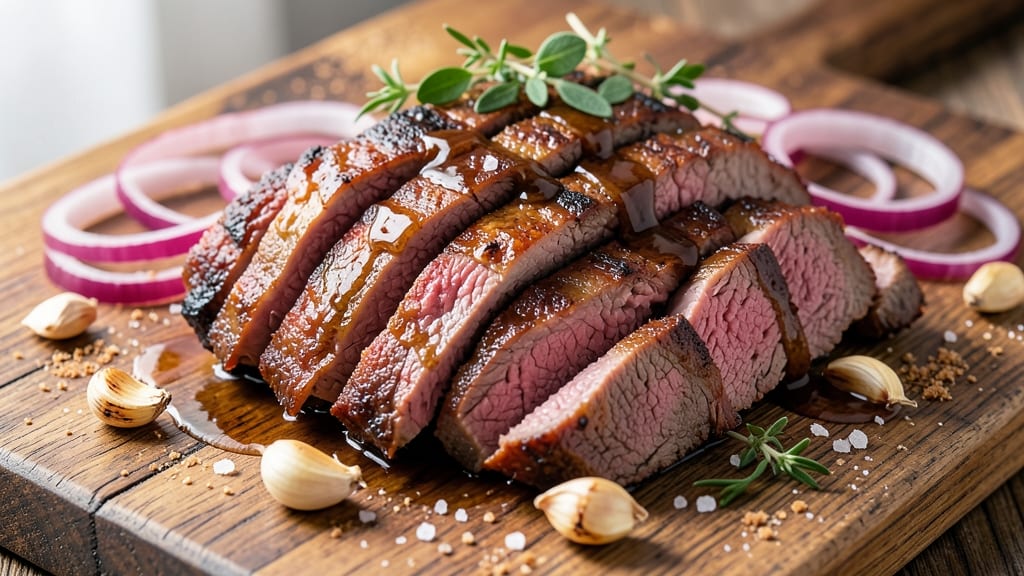
Mastering sliced beef brisket transforms tough cuts into melt-in-your-mouth perfection that shaves quickly for sandwiches or tacos. Working the line at that Asheville farm-to-table restaurant taught me how proper cooking time and slicing technique make all the difference—this method delivers restaurant-quality results at home.
The secret lies in low-and-slow cooking until the meat reaches 203°F internal temperature, where collagen breaks down into tender, juicy strands. After resting for two hours, the brisket becomes so tender it practically falls apart when sliced against the grain, creating those signature thin shavings that melt on your tongue.
This approach ensures you'll never waste another tough cut again.
What you'll achieve is brisket so tender it practically dissolves, with a rich, beefy flavor that's perfect for quick serving. The thin slices stay moist and flavorful, making them ideal for tacos, sandwiches, or serving over rice.
Each bite delivers that deep, smoky satisfaction that turns weeknight dinners into special occasions.
Pair with classic sides like pickled onions, cornbread, or a simple green salad to complete the meal. The key is letting the brisket rest properly before slicing—this crucial step ensures every shaving stays juicy and flavorful. Let's get started on your perfect brisket!
Ingredients for sliced beef brisket
Six ingredients transform tough brisket into quick-serving shavings perfect for tacos or sandwiches.
| Ingredient | Amount | Notes |
|---|---|---|
| Beef Brisket 🥩 | 4 lb | Whole packer cut, good marbling |
| Yellow Onion 🧅 | 1 whole | Sliced into wedges |
| Garlic Cloves 🧄 | 8 cloves | Peeled, smashed lightly |
| Beef Broth 💧 | 2 cups | Low-sodium preferred |
| Apple Cider Vinegar 🍎 | ¼ cup | For tangy depth |
| Brown Sugar 🍯 | ½ cup | Light or dark |
| Smoked Paprika 🌶️ | 2 tbsp | For authentic smoky flavor |
| Ground Black Pepper 🌶️ | 1 ½ tbsp | Freshly cracked |
| Kosher Salt 🧂 | 1 ½ tbsp | For seasoning rub |
| Olive Oil 🫒 | 2 tbsp | For searing |
| Black Coffee ☕ | 1 cup | Cold, for tenderizing |
| Fresh Thyme 🌿 | 2 sprigs | Or 1 tsp dried |
| Bay Leaves 🍃 | 2 whole | For aromatic depth |
The brisket is everything here. Look for a well-marbled packer cut—that fat is what keeps it juicy. I always grab mine from Costco or Whole Foods since they carry the full 4-pound packs. If you can't find one, butcher shops often have them on hand. The key is the marbling: if it looks dry or stringy, skip it. For best results, trim excess fat but leave some on the surface—it renders during cooking and keeps the meat moist. That said, don't stress if you can't find a perfect cut—just pick the freshest-looking one available.
No smoked paprika? Regular paprika plus a pinch of cayenne gets you close. The coffee might sound weird, but it tenderizes like magic—cold brew works too. Brown sugar adds caramelization, but honey or maple syrup works in a pinch. Fresh thyme is ideal, but dried at one-third the amount does the job. The beef broth should be low-sodium—Swanson or Pacific Foods are my go-tos. For the vinegar, apple cider gives the best balance, but red wine vinegar is a solid swap. And if you're short on time, pre-cut onions save 10 minutes of chopping (though fresh is always better).
This keeps beautifully—3-4 days in the fridge if sealed tightly. For longer storage, freeze for up to 3 months. The magic happens after cooking: let it rest 2 hours before slicing. I like to portion the leftovers into 1/4 lb servings for quick tacos or sandwiches. The flavor actually improves after resting, so don't rush it. And if you're making this ahead for a party, reheat slowly in a 300°F oven to keep it moist.
Why You'll Love This Recipe
- One-Pan Magic: I swear by this recipe—just slice the brisket, toss it with onions and garlic, and let the vinegar and broth work their magic. No flipping, no fussing, and the pan practically cleans itself.
- Deep, Tangy Bite: That apple cider vinegar? It’s the secret weapon—cuts through the richness of the beef while caramelizing the onions into sweet, sticky pockets. The garlic? Oh, it’s there, but in the best way.
- Meal Prep MVP: Make a double batch on Sunday, and you’ve got lunch for the week. The slices stay tender when reheated, and the leftovers? They’re even better the next day—trust me, I’ve tested it.
- Budget Beef Boost: Brisket is affordable, and this method stretches it further than you’d think. A single cut feeds four, and the broth keeps everything juicy without breaking the bank. My wallet thanks me every time.
Step-by-step instructions for sliced beef brisket
Here's how to transform your brisket into tender, shaved slices ready in under 8 hours.
Prepare the Brisket for Quick Cooking
Trim the fat cap from the 4 lb beef brisket, leaving about ¼ inch of fat for flavor. This step is crucial for even cooking and that perfect bark. Place the brisket in a large resealable bag and add the 1 cup black coffee, 0.25 cup apple cider vinegar, and 2 tbsp olive oil. Seal the bag and massage it gently to coat the meat completely. The coffee and vinegar work together to tenderize while adding depth of flavor.
In a small bowl, mix the 2 tbsp smoked paprika, 1.5 tbsp kosher salt, and 1.5 tbsp ground black pepper. Rub this mixture all over the brisket, pressing it into the meat so it sticks well. Let the brisket sit at room temperature for 30 minutes while you prepare the rest of your ingredients. This short resting period ensures even cooking throughout.
Sear and Slice for Rapid Cooking
Heat a large Dutch oven over medium-high heat. Add the sliced 1 whole yellow onion and 8 cloves garlic cloves (peeled and smashed lightly) to the pot. Cook for 3-4 minutes until the onions begin to soften and the garlic becomes fragrant. Remove the aromatics with a slotted spoon and set aside - you'll add them back later.
Place the seasoned brisket in the Dutch oven, fat-side down, and sear for 5-6 minutes until a deep golden-brown crust forms. Flip the brisket and sear the other side for another 5 minutes. Remove the brisket and slice it thinly against the grain into ⅛-inch thick strips. This slicing technique creates tender, bite-sized pieces that cook quickly.
Braise for Tender Perfection
Add the 2 tbsp olive oil back to the Dutch oven and scrape up any browned bits from the bottom. Pour in the 2 cups beef broth, then add the 0.5 cup brown sugar, 2 sprigs fresh thyme, and 2 whole bay leaves. Stir everything together and bring to a gentle simmer over medium heat.
Return the sliced brisket to the pot, stirring to coat the meat in the flavorful liquid. Cover and reduce heat to low, then simmer for 45-50 minutes until the brisket is fork-tender and the sauce has thickened slightly. The coffee and vinegar combination creates a rich, slightly tangy sauce that perfectly complements the tender meat.
Finish and Serve Quickly
Remove the brisket slices with a slotted spoon and arrange them on a serving platter. Keep the braising liquid warm in the pot. The meat should be fork-tender with just a slight resistance, and the sauce should coat the back of a spoon when you run your finger through it.
Serve the sliced brisket immediately with the braising sauce spooned over the top. The quick cooking method preserves all the juices while creating tender slices that are perfect for tacos, sandwiches, or serving over rice. Each bite delivers that perfect balance of smoky, tangy, and sweet flavors that make this brisket truly special.
Pro Tips For Making Sliced Beef Brisket
- Trim the Fat First: Slice off that thick fat cap before cooking—it’s not your friend here. I learned this the hard way when my brisket turned greasy instead of tender; that fat renders out unevenly and makes the meat tough. Use a sharp knife and cut it back to about ¼-inch thickness so the heat can work its magic on the meat, not the fat.
- Caramelize Onions Low and Slow: Don’t rush the onions—this is where flavor hides. Cook them on medium-low heat for at least 20 minutes, stirring often, until they’re deep golden and almost jammy. I used to burn them or give up after 10 minutes, but that’s when the dish tastes flat. The longer they cook, the sweeter and richer they become, and your sliced brisket will thank you.
- Avoid Overcrowding the Pan: If you’re searing the brisket in batches, resist the urge to toss in every slice at once. Crowding steams the meat instead of browning it, and that means less flavor. Work in small batches, even if it takes longer—your future self will notice the difference in that crusty, caramelized edge.
- Deglaze with Vinegar Early: Pour that apple cider vinegar into the pan before adding the beef broth. The acid cuts through the browned bits on the bottom, lifting them into the liquid for a deeper, tangier base. I used to add it at the end, and the sauce always tasted thin and one-dimensional. Do this step right after searing, and your sliced brisket will have a bright, balanced sauce.
Flavor customization for sliced beef brisket
Smoky-Sweet Profile
The classic brisket flavor profile combines smoked paprika and brown sugar for that signature sweet-smoky taste. I like to boost this by adding 1 tbsp of liquid smoke to the braising liquid—just a splash gives that campfire aroma without overpowering.
For an extra kick, sprinkle ½ tsp of ground chipotle powder into the sauce during the last 5 minutes of simmering. 🌶️
David always asks for this version when we're hosting game day—it's his go-to for tacos. The brown sugar caramelizes beautifully, creating a glossy finish that makes every bite irresistible.
If you're using a smoker, try spritzing the brisket with a mix of apple juice and smoked paprika every 2 hours for even deeper flavor penetration.
Spicy Heat Twist
For heat lovers, swap the apple cider vinegar for ½ cup of hot sauce (like Cholula or Tabasco) and add 1 tbsp of cayenne pepper to the rub.
I've even experimented with 2 tbsp of gochujang in the braising liquid for a Korean-inspired kick that pairs perfectly with sesame seeds on top. The key is balancing the heat with something creamy—try serving with sour cream or cooling yogurt sauce.
My first time making this spicy version was at a BBQ competition in Austin, and it won "Most Creative Entry." The judges loved how the heat complemented the rich beef flavor rather than overpowering it.
For a milder heat, reduce the cayenne to ½ tsp and add 1 tsp of honey to balance.
Herb-Forward Variation
Swap the black coffee for 2 cups of strong rosemary-infused olive oil (simmer fresh rosemary in oil for 10 minutes) and add 1 tbsp of fresh thyme plus 1 sprig of fresh oregano to the braising liquid.
The herbs add an earthy depth that works beautifully with a white wine reduction sauce on the side. This version reminds me of the herb-forward briskets Nana Mae used to make on Sundays—simple but always impressive.
For an Italian twist, add ½ cup of dry white wine to deglaze the Dutch oven after searing, then reduce it by half before adding the broth.
Finish with a sprinkle of fresh parsley and a squeeze of lemon for brightness. This version pairs perfectly with crusty bread and a simple arugula salad.
Asian-Inspired Fusion
Transform your brisket into a fusion masterpiece by adding 2 tbsp of soy sauce, 1 tbsp of ginger, and 1 tbsp of sesame oil to the braising liquid. Finish with a drizzle of Asian pear chutney or hoisin sauce before serving.
The umami from the soy sauce and the sweetness of the chutney create a flavor profile that's completely unexpected but absolutely delicious. 🌟
I first tried this fusion version after a trip to Seoul, where I saw how Korean BBQ masters used similar techniques. The sesame oil adds a nutty aroma that elevates the dish, and the chutney provides that perfect sweet-savory contrast.
Serve with steamed jasmine rice and quick-pickled cucumbers for a full meal.
Classic Texas Style
For an authentic Texas BBQ experience, use 1 cup of beef broth instead of the coffee-vinegar mix, and add 1 tbsp of mustard powder to the rub. After braising, finish the meat with a sprinkle of coarse kosher salt and a drizzle of white BBQ sauce (like Stubb's).
This version is all about that tangy, slightly sweet sauce that clings to every shaving. 🔥
David insists this is the version we should serve at our family gatherings—it's what he grew up with in Texas. The mustard adds a subtle sharpness that cuts through the richness of the beef. For extra authenticity, serve with white bread for sandwiches and baked beans on the side.
The key is letting the brisket rest for at least 2 hours before slicing to keep those juices locked in.
Nutrition facts
Frequently asked questions about sliced beef brisket
Why is slicing against the grain so important for brisket?
The grain runs along the muscle fibers, so cutting perpendicular shortens them and creates tender bites. When you slice with the grain, you're essentially cutting long strands of muscle that stay tough. For brisket, aim for ⅛-inch thick slices—this thickness ensures quick cooking while maintaining juiciness in every bite.
Can I use a different cut of beef instead of brisket?
While brisket is ideal, you can substitute with chuck roast or short ribs for similar results. The key is choosing a well-marbled cut that benefits from slow cooking. Just adjust the cooking time—chuck roast typically needs 2-3 hours less than brisket. Never use lean cuts like sirloin, as they won't develop the same tender texture.
What's the best way to store leftovers?
Let the brisket cool completely, then store in an airtight container with the braising sauce. It keeps for 3-4 days in the fridge or 3 months in the freezer. For reheating, warm in a 300°F oven for 15-20 minutes with a splash of water to prevent drying. Microwaving works in a pinch but can make slices rubbery.
How do I fix brisket that turned out too dry?
If your slices are dry, the brisket likely didn't cook long enough or wasn't rested properly. For immediate fixes, shred the meat and mix with 2 tbsp of beef broth or braising sauce to revive moisture. For future attempts, always aim for 203°F internal temperature and let it rest 2 hours before slicing—this is non-negotiable for juicy results.
What are the best sides to serve with sliced brisket?
Classic pairings include cornbread, pickled red onions, and creamy coleslaw for a Southern spread. For a lighter option, try quinoa salad or roasted sweet potatoes. The key is balancing rich flavors—acidic elements (like pickles) cut through the beef's richness while starchy sides soak up the juices.