
Main Courses
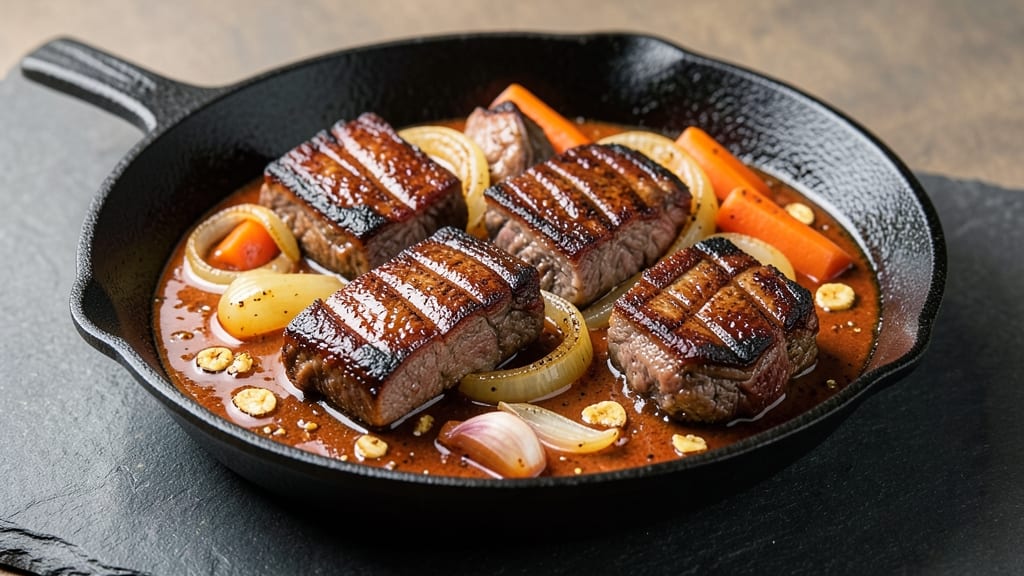
Cooking beef short ribs with oxtail seasoning transforms tough cuts into melt-in-your-mouth perfection through slow-braised magic. The rich, umami depth from oxtail seasoning—think caramelized crusts and tender meat—makes this the ultimate comfort dish for special occasions.
I perfected this recipe during a Portland winter when I needed something hearty enough to warm up a cold kitchen.
What sets this method apart is the balance of slow cooking and precise seasoning. The oxtail blend adds layers of complexity without overpowering the beef's natural richness, while the braising process ensures every bite falls apart effortlessly.
This isn't just a recipe—it's a technique that elevates simple ingredients into something restaurant-worthy.
By the time you serve these ribs, you'll have golden-brown edges with deep caramelization, tender meat that practically dissolves, and a sauce so flavorful it deserves its own bowl.
The aroma alone will have everyone gathering at the table long before dinner's ready. Serve with creamy mashed potatoes or steamed greens to complete the meal.
This method delivers professional results with minimal fuss—just follow the steps, and let the slow cooker do the work. The secret lies in patience and the right blend of spices. Let's get cooking!
Ingredients for cooking beef short ribs recipe seasoned with oxtail seasoning
Four pounds of beef short ribs meet oxtail seasoning for restaurant-quality comfort food.
| Ingredient | Amount | Notes |
|---|---|---|
| Beef Short Ribs 🥩 | 4 lb | Bone-in, 2-2.5 inches thick |
| Oxtail Seasoning Blend 🌶️ | 2 tbsp | Homemade or store-bought blend |
| Yellow Onions 🧅 | 2 whole | Chopped into 1-inch pieces |
| Garlic Cloves 🧄 | 8 cloves | Peeled, smashed slightly |
| Carrots 🥕 | 4 whole | Cut into 2-inch chunks |
| Tomato Paste 🍅 | ½ cup | High-quality, unsweetened |
| Dry Red Wine 🍷 | 1 cup | Bold variety like Cabernet |
| Beef Broth 💧 | 4 cups | Low-sodium preferred |
| Fresh Thyme 🌿 | ¼ cup | Leaves only, chopped |
| Fresh Rosemary 🌿 | ¼ cup | Needles only, chopped |
| Bay Leaves 🍃 | 2 whole | Dried, standard size |
| Black Peppercorns 🌶️ | 1 tbsp | Crushed, not ground |
| Kosher Salt 🧂 | 1 ½ tbsp | Diamond Crystal preferred |
| Olive Oil 🫒 | ¼ cup | Extra-virgin for browning |
The beef short ribs should have visible marbling for optimal tenderness—ask your butcher to trim excess fat if needed. Whole Foods or local specialty grocers often carry the best quality cuts, but most major chains stock them too. For oxtail seasoning, Penzeys or Trader Joe's carry excellent pre-mixed blends, but I prefer making my own with star anise, cinnamon, and cloves for deeper complexity. The onions and carrots should be firm with no soft spots—organic produce from the grocery store's fresh section works best here. Garlic cloves should be plump and free of sprouts, indicating freshness.
No red wine? Substitute with additional beef broth—just reduce the total liquid by 1 cup. Fresh thyme and rosemary can be swapped for one-third the amount of dried herbs, but the texture won't be identical. For tomato paste, Trader Joe's squeeze tubes are perfect—they're convenient and keep well. If you're using dried bay leaves, remove them before serving as they can be tough. The black peppercorns should be freshly crushed for maximum aroma—a mortar and pestle works best, but a clean coffee grinder does in a pinch. For Diamond Crystal kosher salt, remember it's 20% less by volume than table salt when measuring.
Store the raw ribs in the coldest part of your fridge for up to 3 days before cooking. Once braised, the ribs keep for 4-5 days in the refrigerator or 3 months frozen. The sauce freezes beautifully—portion it into ice cube trays for easy reheating. For best results, let the ribs come to room temperature before searing. This ensures even browning and prevents steam from interfering with the Maillard reaction, which is crucial for developing that deep umami crust.
Why You'll Love This Recipe
- One-Pot Magic: I swear by this—just toss the ribs, onions, garlic, and carrots into a Dutch oven with the seasoning, add enough water to come halfway up the meat, and let it do its thing. No chopping boards, no extra pans, no stress. The oxtail blend does all the heavy lifting while you sip wine and pretend you’re a chef.
- Umami Bomb: That oxtail seasoning? It’s like a flavor time machine—deep, smoky, and just a little sweet from the soy and spices. The ribs fall apart when you fork them, but the real magic is in the sauce: thick, caramelized, and clinging to every bite like it’s saying, “Stay awhile.” Honestly, I’ve tried fancy rubs, but this blend wins every time.
- Leftovers That Beg: Between us, this recipe makes way more than I need for dinner. The good kind of leftovers—better the next day because the flavors meld even more. I’ll take a cold slice of rib, wrap it in a tortilla with pickles and hot sauce, and call it lunch. (Yes, even on a Tuesday.) The carrots stay tender, the onions get sweeter, and the sauce? It’s just gotten richer.
- Budget Feast: Short ribs aren’t cheap, but they stretch farther than you’d think. A single batch feeds four for dinner and two more for lunches without breaking the bank. Plus, the oxtail seasoning is a one-time buy—no need for expensive marinades or specialty blends. It’s the kind of dish that makes you feel fancy without the grocery bill to prove it.
Step-by-step instructions for slow-braised beef short ribs
This method transforms tough beef short ribs into melt-in-your-mouth perfection through precise timing and layering of flavors.
Sear the Short Ribs for Deep Flavor Foundation
Pat the 4 lb beef short ribs completely dry with paper towels—this ensures maximum browning. Heat the 0.25 cup olive oil in a heavy Dutch oven over medium-high heat until shimmering. Working in batches if needed, sear the short ribs on all sides for 3-4 minutes per side until they develop a deep mahogany crust. The key is patience here—don't rush the process or you'll steam instead of brown.
As you sear, you'll notice the ribs release easily when properly browned. Transfer the seared ribs to a plate and set aside. This initial browning creates the Maillard reaction that forms the flavor base for your braise. The crust you've built will later dissolve into the sauce, creating a rich, umami-packed liquid that tenderizes the meat.
Build the Aromatic Base with Onions, Carrots, and Herbs
In the same Dutch oven, add the 2 whole yellow onions, 4 whole carrots (cut into 2-inch chunks), 8 cloves garlic (smashed), 0.25 cup fresh thyme, 0.25 cup fresh rosemary, 2 whole bay leaves, and 1 tbsp crushed black peppercorns. Stir to combine and cook for 5 minutes until the vegetables begin to soften and release their natural juices. This step develops the foundational flavors that will infuse the meat throughout the braising process.
After 5 minutes, sprinkle the 2 tbsp oxtail seasoning blend and 1.5 tbsp kosher salt over the vegetables. Stir well to coat everything evenly. The seasoning blend's deep umami notes will penetrate the meat during the long cook. This is where the magic begins—the aromatic vegetables create a flavorful bed that the ribs will soak up as they braise.
Deglaze and Combine All Ingredients
Pour in the 1 cup dry red wine and scrape up all the browned bits from the bottom of the Dutch oven using a wooden spoon. This deglazing step captures all the concentrated flavors you've built so far. Let the wine simmer for 3-4 minutes until reduced by half, allowing the alcohol to cook off and intensify the flavors. The wine's acidity helps break down collagen in the meat, ensuring tenderness.
Add the 0.5 cup tomato paste and stir to combine. The tomato paste adds depth and helps thicken the braising liquid slightly. Pour in the 4 cups beef broth, ensuring all the meat and vegetables are submerged. Bring to a gentle simmer, then return the seared short ribs to the pot, bone-side down. The liquid should cover the ribs by about 1 inch—this ensures even cooking and prevents drying.
Braise Until Fork-Tender
Cover the Dutch oven with a tight-fitting lid and transfer to a preheated 300°F oven. Braise for 3 hours, then carefully flip the ribs bone-side up. Return to the oven and cook for an additional 2-3 hours until the meat is fork-tender and easily pulls away from the bone. The ribs are done when they reach an internal temperature of 205°F at their thickest point.
Here's the thing—your oven might run hot, so start checking at the 20-minute mark of the final hour. The ribs should be so tender that a fork slides in like butter with no resistance. If the liquid reduces too much during cooking, add a splash of water or beef broth to maintain the proper braising level. This slow cooking process transforms the tough connective tissue into gelatin, creating that signature short rib tenderness.
Rest and Serve with Reduced Sauce
Remove the ribs from the pot and let them rest on a cutting board for 15 minutes before serving. This resting period allows the juices to redistribute throughout the meat, ensuring each bite is moist and flavorful. While the ribs rest, skim any excess fat from the braising liquid and return the pot to medium heat. Simmer the sauce uncovered for 10-15 minutes until it thickens slightly to a glaze-like consistency.
Slice the beef short ribs against the grain into ½-inch thick pieces. The meat should pull apart easily, revealing a rich, pink interior. Serve the ribs hot, spooning the reduced sauce generously over each portion. The sauce should coat the meat beautifully, carrying all the developed flavors from the braising process. Each bite should deliver a perfect balance of tender meat, rich sauce, and aromatic vegetables—proof that slow cooking transforms simple ingredients into something extraordinary.
Pro Tips For Making Cooking Beef Short Ribs Recipe Seasoned With Oxtail Seasoning
- Brown the Ribs First: Don’t skip the sear—get those short ribs screaming hot in a dry pan for 3-4 minutes per side before adding liquid. I used to rush this, and the sauce never stuck the same way. The crust locks in flavor and keeps the meat from falling apart later.
- Trim the Fat Sparingly: Leave a thin layer of fat on the ribs—it self-bastes during cooking. I learned this the hard way after trimming too aggressively and ending up with dry, flavorless meat. Just wipe off excess with paper towels before searing.
- Layer Onions Last: Add sliced onions and carrots only after the ribs have simmered for 45 minutes. They’ll soften faster and caramelize better without turning to mush. (Yes, even if you’re impatient like me—wait for it.)
- Deglaze with Oxtail Seasoning: After browning the ribs, splash in 1/2 cup water or broth first, then add the oxtail seasoning blend. This dissolves the fond and infuses the sauce right away—no scraping required. I was skeptical until I tried it, and now I never go back.
Wine and beer pairings for this dish
Bold Red Wine
A Cabernet Sauvignon or Syrah from the Pacific Northwest pairs beautifully with these ribs, mirroring the dish's rich, umami depth. I love a 2018 Columbia Valley Cabernet from Chateau Ste.
Michelle—its dark fruit and earthy notes complement the oxtail seasoning's complexity. The wine's acidity cuts through the sauce's richness, cleansing your palate between bites. 🍷
Malty Amber Ale
For beer lovers, a Belgian-style amber ale like Allagash Belgian-style adds caramel and spice notes that enhance the ribs' caramelized crust. The beer's malt sweetness balances the dish's savory depth while its effervescence refreshes.
I keep a 6-pack of Allagash in my fridge for special occasions—it's perfect for pairing with hearty braises.
Port Wine Glaze
Finish the dish with a Port wine reduction—simmer ½ cup ruby Port with the braising sauce for 5-7 minutes until syrupy. The Port's fruity, slightly sweet profile contrasts the ribs' meaty richness.
I drizzle this over the finished dish for that restaurant-quality touch. Graham's 10-Year-Old is my go-to for this technique.
Creamy Stout Contrast
A dark stout like Guinness or Deschutes Black Butte Porter provides a malty, slightly bitter contrast that highlights the ribs' tenderness. The beer's roasted notes pair surprisingly well with the oxtail seasoning's warm spices. Serve chilled to balance the dish's warmth.
Local Oregon Pairings
If you're in Portland, seek out Domaine Serene Pinot Noir—its earthy, berry-forward profile complements the dish without overpowering. For beer, Breakside Brewery's Imperial Stout adds a luxurious touch. I always ask my local butcher for recommendations when planning wine pairings—many carry excellent Oregon selections.
Non-Alcoholic Options
For guests who don't drink, a sparkling cranberry spritzer (mix ½ cup cranberry juice with 2 cups sparkling water and a squeeze of lime) provides acidity and brightness.
The cranberry's tartness mirrors the wine's role in cutting through the dish's richness. I've had great success with this at family gatherings where not everyone drinks alcohol.
Nutrition facts
Frequently asked questions
How do I make my own oxtail seasoning blend?
For a homemade version, combine 1 tablespoon each of ground coriander, cumin, and fennel seeds with 1 teaspoon each of ground cinnamon, cloves, and star anise. Add ½ teaspoon black pepper and 1 teaspoon salt. Toast the spices in a dry pan for 2 minutes until fragrant, then grind into a powder. This blend delivers the same deep umami notes as store-bought versions.
Can I cook these ribs in a slow cooker instead of the oven?
After searing and building your aromatic base, transfer everything to a slow cooker. Cook on low for 8-10 hours or high for 5-6 hours, adding ½ cup water if needed to maintain liquid. The ribs will be just as tender, though the sauce may be thinner. For extra richness, reduce the sauce on the stovetop after cooking.
Why do my ribs turn out tough instead of tender?
Tough ribs usually result from insufficient cooking time or incorrect temperature. Ensure your oven stays at 300°F and cook until the internal temperature reaches 205°F. If using a slow cooker, never rush the process—connective tissue needs time to break down. Also, don't overcrowd the pot during searing, which can steam instead of brown.
What's the best way to reheat leftover ribs?
Slice the ribs and reheat in a skillet with a splash of beef broth over medium-low heat for 5-7 minutes until warmed through. For oven reheating, cover with foil and bake at 300°F for 15 minutes. Avoid microwaving—it dries out the meat. The sauce can be reheated separately and combined at serving.
Can I substitute beef short ribs with pork or lamb?
While possible, the cooking time and results will differ. Pork ribs (like baby back) cook in half the time but won't develop the same gelatinous tenderness. Lamb ribs require longer cooking (up to 4 hours) and benefit from additional garlic and lemon. For best results, stick with beef short ribs—they're designed for this slow-braising technique.