
Main Courses
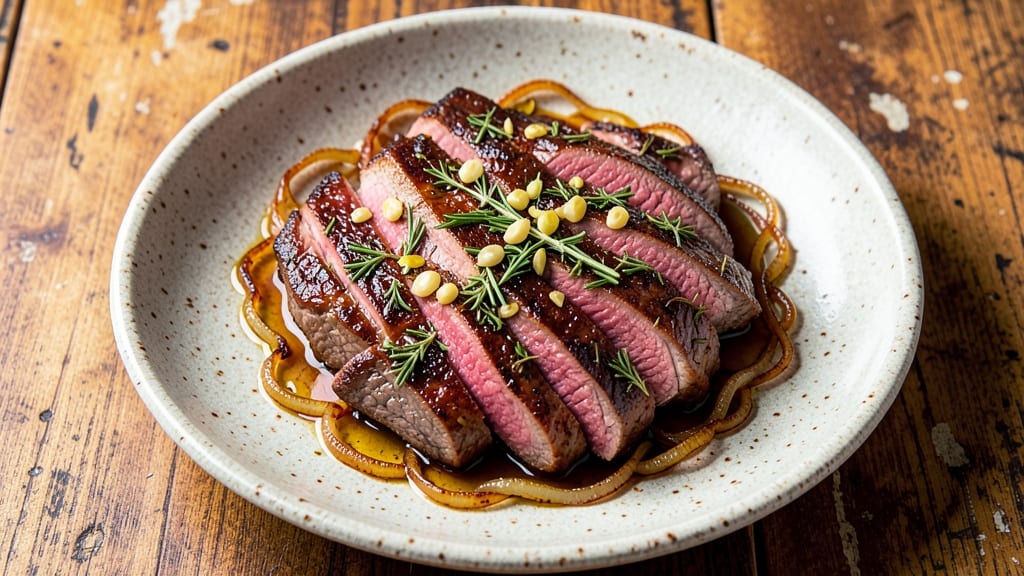
Rachael Ray's beef tenderloin recipe delivers restaurant-quality results with a simple herb crust and perfectly balanced cooking—tender outside, juicy pink centers every time. This method captures her signature approach: bold flavors, precise timing, and a foolproof technique that transforms a weeknight into a special occasion.
The secret lies in searing the meat first to lock in juices, then roasting at the right temperature for even doneness.
What sets this recipe apart is the herb crust—a blend of fresh rosemary, thyme, and garlic that clings to the beef without overpowering its natural richness. Rachael Ray’s style shines in the simplicity: no fancy marinades, just quality ingredients and a method that ensures success.
The key is using a meat thermometer for precision, avoiding the guesswork that leads to dry, overcooked tenderloin.
By the time you serve this dish, you’ll have a golden-brown roast with crisp edges and a center that’s still perfectly pink—just as Rachael Ray prefers. The pan sauce, made from the drippings and a splash of red wine, adds depth without complicating the process.
This is the kind of meal that feels indulgent yet remains approachable for home cooks.
Pair it with roasted potatoes or a fresh green salad for a complete dinner that’s as impressive as it is delicious. Let’s get started with this foolproof technique that delivers professional results at home.
Ingredients for rachael ray beef tenderloin
Quality beef tenderloin, aromatic herbs, and precise seasoning create this restaurant-worthy roast with juicy pink centers.
| Ingredient | Amount | Notes |
|---|---|---|
| Beef Tenderloin 🥩 | 2 lb | Center-cut, trimmed of silver skin |
| Fresh Rosemary 🌿 | ¼ cup | Finely chopped, stems removed |
| Fresh Thyme 🌿 | ⅛ cup | Leaves only, stems discarded |
| Garlic Cloves 🧄 | 4 cloves | Minced, not pre-minced jarred |
| Extra-Virgin Olive Oil 🫒 | ¼ cup | High-quality, fruity variety |
| Diamond Crystal Kosher Salt 🧂 | 1 ½ tbsp | Coarse grain preferred |
| Freshly Ground Black Pepper 🌶️ | 1 tsp | Freshly cracked peppercorns |
| Unsalted Butter 🧈 | ¼ cup | Cold, cubed for crust |
| Dry Red Wine 🍷 | ¼ cup | Bold Cabernet Sauvignon |
| Beef Stock 🍲 | ½ cup | Homemade or high-quality store-bought |
| Red Bell Pepper 🌶️ | 1 whole | For garnish, sliced thin |
| Fresh Parsley 🌿 | 0.1 cup | Chopped, for garnish |
The beef tenderloin is the star—opt for a center-cut roast with visible marbling for optimal tenderness. Most butchers will trim the silver skin for you, but if you're doing it yourself, use a sharp knife to avoid tearing the meat. For the best results, source from a reputable butcher shop or high-end grocery like Whole Foods or Eataly, where they handle the meat with care. The freshness is critical here: aim for a roast that's bright red, not brownish, and has a firm yet springy texture. If you're buying frozen, thaw it in the fridge for 24 hours—never at room temperature. The herbs—rosemary, thyme, and garlic—should be vibrant green, with no wilting or yellowing. For the rosemary, look for needles that are tightly packed and smell intensely piney; the thyme should have a strong, earthy aroma.
No fresh rosemary? Dried rosemary works at half the amount, but the flavor won't be as bright. Substituting dried thyme for fresh requires one-third the quantity, but it won't have the same depth. For the garlic, pre-minced jarred garlic is a no-go—it loses flavor quickly. If you're short on time, garlic powder can be used, but toasted whole cloves (peeled and minced) are far superior. The red wine should be bold and dry—Cabernet Sauvignon or Merlot are ideal. If you don’t have wine, beef stock with a splash of balsamic vinegar mimics the depth. For the beef stock, homemade is best, but high-quality brands like Kitchen Basics or Pacific Foods work in a pinch. The butter must be unsalted to control seasoning, and cold cubes create a better crust than melted butter.
Store the beef tenderloin in its original packaging in the coldest part of your fridge until ready to use—no longer than 24 hours before cooking for peak freshness. The herbs should be wrapped in a damp paper towel and stored in a resealable bag for up to 5 days. The butter can be kept in the fridge for up to 3 months, while the wine and stock should be used within 1 week of opening. Once cooked, the leftovers reheat beautifully—slice thinly and warm in a 350°F oven for 10-15 minutes with a splash of beef stock to keep them moist. This dish is best served immediately, but portions can be frozen for up to 2 months if wrapped tightly in plastic wrap and foil.
Why You'll Love This Recipe
- Five-Ingredient Magic: That’s all you need—just tenderloin, rosemary, thyme, garlic, and olive oil. No fancy marinades or last-minute shopping runs. Honestly, the simplicity of rubbing the meat with fresh herbs and roasting it until golden is what makes this my go-to when I’m too tired to overthink dinner.
- Herb-Packed Perfection: The rosemary and thyme infuse the beef so deeply, every bite feels like a hug. Between us, that crispy garlic crust on the outside? It’s the kind of flavor that makes you close your eyes and sigh—no exaggeration.
- Weeknight or Weekend Star: This recipe works whether I’m feeding my book club or just myself after a long day. Slice it thin for sandwiches the next day, or serve it whole for a fancy-but-easy dinner. I’ll be real: my husband always asks for seconds, even when we’re supposed to be eating light.
- Leftovers That Don’t Lie: Unlike some recipes where seconds are a stretch, this beef stays moist and delicious for days. I’ve reheated slices in a pan with a splash of broth, and they’re just as good as day one. Plus, it’s one of those rare proteins where leftovers actually taste better—no sad, dry meat here.
Step-by-step instructions for herb-crusted beef tenderloin
Master this technique for a perfectly tender, herb-crusted centerpiece with juicy pink centers every time.
Prepare the Herb Crust and Season the Beef
In a food processor, pulse together the 0.25 cup fresh rosemary, 0.125 cup fresh thyme, 4 cloves garlic cloves, 1.5 tablespoons diamond crystal kosher salt, and 1 teaspoon freshly ground black pepper until finely chopped but not pasty. Transfer this mixture to a small bowl and stir in the 0.25 cup extra-virgin olive oil until fully combined. This creates a cohesive herb paste that will adhere perfectly to the beef.
Pat the 2 lb beef tenderloin dry with paper towels, removing any remaining silver skin. The drier the surface, the better the crust will develop. Rub the herb oil mixture evenly over the entire surface of the beef, pressing gently to ensure full coverage. This step ensures maximum flavor infusion and creates that signature herb-crusted exterior we're after.
Sear the Beef for Maximum Flavor Development
Heat a heavy oven-safe skillet over medium-high heat until very hot. Add the 0.25 cup unsalted butter and allow it to melt completely, then remove from heat and carefully add the beef tenderloin. The residual heat will continue to melt the butter while protecting the beef from direct high heat. Tilt the pan slightly and spoon the melted butter over the beef repeatedly for 3-4 minutes per side, basting continuously. This creates a flavorful crust while keeping the interior moist.
Return the skillet to medium heat and continue searing for an additional 2-3 minutes per side until the exterior develops a deep golden-brown crust. The butter should foam and then settle into a golden-brown sauce. This searing step is critical—it locks in juices and creates that beautiful caramelized exterior that contrasts perfectly with the tender interior.
Roast to Juicy Pink Perfection
Preheat your oven to 425°F. Transfer the seared beef tenderloin to the preheated oven on a wire rack set in a roasting pan. Roast for 15-20 minutes until the internal temperature reaches 125°F when measured with a meat thermometer. This medium-rare stage ensures that tenderloin remains juicy and pink in the center while developing a perfect crust.
For the final touch, remove the beef from the oven and let it rest for 10-15 minutes before slicing. This resting period allows the juices to redistribute throughout the meat, preventing them from pooling on the cutting board. The beef should reach an internal temperature of 130°F during this rest, giving you that ideal medium-rare result that's tender yet still pink in the center.
Create the Red Wine Reduction Sauce
While the beef rests, return the skillet to medium heat and deglaze with the 0.25 cup dry red wine, scraping up any browned bits from the bottom. Let it simmer for 2-3 minutes until reduced by half. Add the 0.5 cup beef stock and continue simmering until the liquid reduces by another third, about 5-6 minutes total. This reduction creates a rich, flavorful sauce that complements the herb-crusted beef beautifully.
Remove from heat and stir in the remaining 0.25 cup unsalted butter, one cube at a time, until fully incorporated and the sauce becomes glossy. The sauce should coat the back of a spoon but still be pourable. Season with additional salt and pepper if needed, then keep warm until ready to serve.
Slice and Serve with Garnish
Slice the rested beef tenderloin into 1-inch thick medallions against the grain for maximum tenderness. Arrange the slices on a warm serving platter and spoon the red wine reduction sauce over the top. Garnish with thin slices of the 1 whole red bell pepper and sprinkle with the 0.1 cup fresh parsley for a pop of color and freshness.
Serve immediately with roasted vegetables or a simple green salad. The contrast between the crisp herb crust, juicy pink interior, and rich red wine sauce creates a restaurant-quality dining experience at home. Each bite should deliver perfect texture and flavor balance—this is how you elevate a simple beef tenderloin into an impressive centerpiece.
Pro Tips For Making Rachael Ray Beef Tenderloin
- Trim the Fat First: Rachel Ray’s recipe works best with a clean, even surface—wipe away any silverskin or excess fat before searing. I learned this the hard way: skipping this step means uneven browning and a less flavorful crust, even with all that garlic and rosemary.
- Smash Those Garlic Cloves: Don’t just mince the garlic—lightly smash the cloves with the flat side of your knife first. This releases more flavor into the olive oil and ensures it caramelizes properly when you sear the beef. (Yes, even if you’re impatient like me.)
- Skip the Overcrowding: The recipe calls for a single sear, but if your pan isn’t big enough, resist the urge to add more beef. Crowding steams the meat instead of browning it, and you’ll end up with sad, gray edges. Work in batches if needed—your crust will thank you.
- Rest Under Foil: After roasting, tent the beef with foil for the first 5 minutes of resting. This traps heat and keeps the juices from escaping while you finish the pan sauce. I used to skip this, and the meat always came out drier. (Your future self will notice.)
Wine and beer pairings for these flavors
Bold Red Wine Pairings
Rachael Ray’s herb-crusted beef tenderloin pairs beautifully with bold, full-bodied red wines that mirror the dish’s richness. A Cabernet Sauvignon from Napa Valley—like Caymus Vineyards or Opus One—complements the herb crust and red wine sauce with its dark fruit notes and firm tannins.
The wine’s acidity cuts through the butter and beef, creating a perfect balance. 🍷
Medium-Bodied Alternatives
If Cabernet feels too heavy, opt for a Merlot with softer tannins, such as Château Montelena or Oakville Green. These wines enhance the beef’s tenderness without overpowering the herbaceous crust. For a budget-friendly choice, Apothic Red Blend offers a smooth, jammy profile that pairs well with the dish’s depth.
Beer Pairings for Lighter Palates
A dark amber ale or porter bridges the gap between wine and beer lovers. Try Fat Tire Amber Ale (New Belgium) for its malty sweetness, which contrasts the herb crust’s earthiness.
For a hoppier option, a Belgian-style dubbel like Westmalle Dubbel adds a caramelized depth that mirrors the roasted beef’s caramelized exterior. 🍺
White Wine Surprise
Don’t overlook oaked Chardonnay—specifically a Meursault or Chablis—for its buttery texture that echoes the dish’s sauce. The wine’s acidity balances the richness, making it an unexpected yet delightful pairing. A Viognier with its floral notes also works, especially if you garnish with fresh herbs.
Non-Alcoholic Options
For a mocktail, mix sparkling grape juice with a splash of pomegranate molasses and a squeeze of lime. The tartness mimics wine’s acidity, while the bubbles cleanse the palate between bites. For a savory twist, serve with sparkling water infused with cucumber and mint to refresh the palate.
Nutrition facts
Frequently asked questions
What's the secret to keeping beef tenderloin juicy?
Never skip the resting time—this lets juices redistribute. Use a meat thermometer to pull it at 125°F (medium-rare) and let it rest 10-15 minutes before slicing. Overcooking dries it out, so resist the urge to cut into it early!
Can I substitute dried herbs for fresh?
Yes, but adjust quantities: use half the amount of dried rosemary/thyme. For example, 1/8 cup dried rosemary replaces 1/4 cup fresh. Fresh herbs give brighter flavor, but dried works in a pinch. Toast dried herbs in the pan for 30 seconds before using to enhance aroma.
How do I adjust cooking time for a larger tenderloin?
Add 10-15 minutes per pound to roasting time. For a 3 lb roast, aim for 25-30 minutes at 425°F to reach 125°F internally. Use a thermometer—never guess! Cover loosely with foil if browning too fast. The herb crust will still crisp beautifully.
What if my beef turns out dry?
Most likely, you overcooked it or skipped resting. Next time, pull at 125°F and rest 15 minutes. If already dry, slice thinly and serve with extra sauce or a creamy mashed potato topping to add moisture. For future attempts, try brining the beef for 1 hour before cooking.
Can I make this ahead of time?
Roast the beef 1 day ahead, cool completely, then refrigerate in an airtight container. Reheat slices in a 350°F oven for 10 minutes with a splash of beef stock. The herb crust stays flavorful, though texture may be slightly less crisp. Make the sauce fresh before serving for best results.