
Main Courses
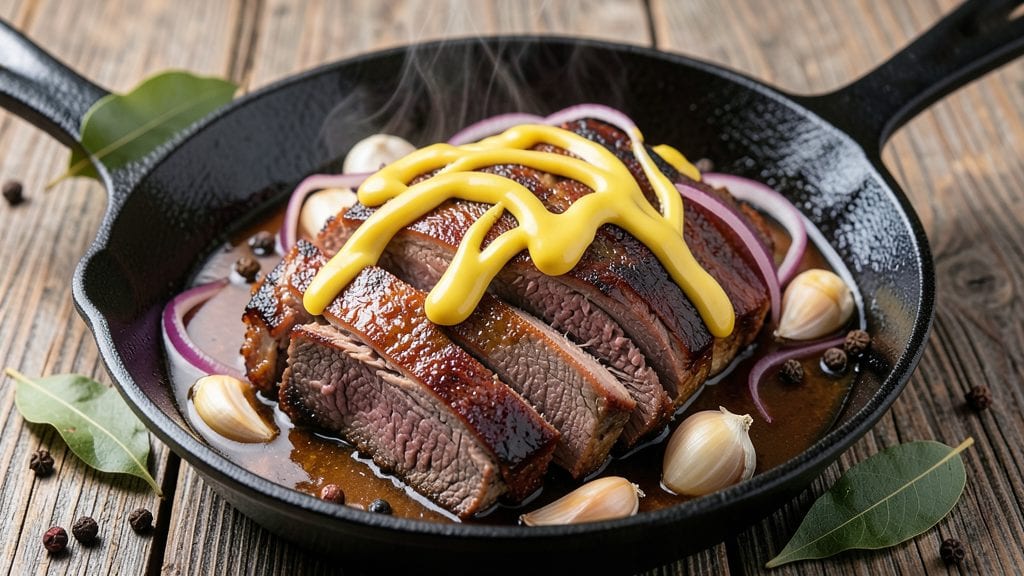
Recreating the Pioneer Woman corned beef recipe delivers that perfect balance of tender, slow-simmered meat with a crispy bark that crackles with every bite. This iconic dish isn’t just for St. Patrick’s Day—it’s a year-round staple that transforms tough cuts into melt-in-your-mouth perfection through careful brining and precise cooking.
The secret lies in the spices: a mix of mustard, cloves, and bay leaves that infuse the beef with deep, savory flavor while keeping it juicy.
What sets this recipe apart is the two-step process—first brining the beef overnight to tenderize and season, then slow-cooking it until fork-tender with a crispy exterior that forms naturally as the liquid reduces.
Whether you use a stovetop pot or a slow cooker, the result is the same: rich, aromatic meat that falls apart at the touch of a fork. The Pioneer Woman’s method ensures no dry, tough bites—just layers of flavor in every slice.
Serve it with classic sides like buttery mashed potatoes, tangy sauerkraut, or crisp cabbage to round out the meal. The crispy bark alone makes this dish worth the effort, and the slow-simmered spice bomb of flavors will have everyone asking for seconds.
This isn’t just corned beef—it’s a showstopper that feels like a celebration every time you serve it.
The beauty of this recipe is its versatility—it works for holidays, game days, or a cozy Sunday dinner. The brining process can be done ahead of time, and the cooking method adapts to your schedule.
Once you master the crispy bark and tender interior, you’ll never go back to store-bought. Let’s get cooking!
Ingredients for pioneer woman corned beef
Six ingredients transform tough beef into melt-in-your-mouth perfection with that coveted crispy bark.
| Ingredient | Amount | Notes |
|---|---|---|
| Corned Beef Brisket 🥩 | 4 lb | Tough cut, 1-inch thick slices |
| Yellow Mustard 🍯 | ½ cup | Dijon preferred for depth |
| Garlic Cloves 🧄 | 10 whole | Crushed, for brining |
| Bay Leaves 🌿 | 4 whole | Dried, high-quality |
| Black Peppercorns 🌶️ | 1 tbsp | Crushed, freshly ground |
| Allspice Berries 🌶️ | 1 tsp | Crushed, for warmth |
| Cloves 🌿 | 6 whole | Whole, for deep flavor |
| Salt 🧂 | 1 ½ cups | Kosher or coarse |
| Water 💧 | 6 cups | Filtered preferred |
| Beef Broth 🍲 | 2 cups | Low-sodium preferred |
| Onion 🧅 | 1 whole | Whole, for cooking |
| Carrot 🥕 | 2 whole | Whole, for cooking |
| Celery Stalk 🥬 | 2 whole | Whole, for cooking |
| Apple Cider Vinegar 🍎 | ¼ cup | For tangy brightness |
| Brown Sugar 🍯 | 2 tbsp | Light or dark |
The beef is everything here—brisket (not flank or round) is the gold standard. Look for thick-cut slices at Costco or your butcher shop; they’ll slice it to order if you ask. Penzeys sells pre-sliced brisket that’s perfect for beginners. The mustard? Dijon-style adds complexity—no yellow packet stuff. Whole spices (bay leaves, cloves, allspice) are non-negotiable for that authentic Pioneer Woman flavor. If you’re buying them whole, crush them with a mortar and pestle or rolling pin. The salt? Diamond Crystal kosher is the only way to go—it dissolves better and gives you that perfect briny depth.
No Dijon mustard? Stone-ground mustard at half the amount works, but it’ll be milder. Short on whole spices? Ground allspice at 0.5 tsp or cinnamon at 0.25 tsp for warmth. The vinegar can be swapped for lemon juice (same amount), but apple cider adds that classic tang. For the broth, low-sodium is key—you don’t want to over-salt the beef. The onion, carrot, and celery? Dirty rice method—just toss them whole in the pot. No peeling, no chopping. They’ll dissolve into the broth and infuse flavor without fuss.
Brining liquid keeps for 5 days in the fridge—make extra for leftovers. The cooked corned beef reheats beautifully; just cover with broth and warm on low heat. For that crispy bark, let the pot sit uncovered on the stove for the last 10 minutes of cooking. Store leftovers in the broth they cooked in—keeps them juicy for 4-5 days. Freeze portions in airtight containers for up to 3 months. Pro tip: Save the cooking liquid for mashed potatoes or gravy—it’s liquid gold.
Why You'll Love This Recipe
- One-Pot Magic: I swear by this for lazy Sundays—just toss the brisket, garlic, and spices in a pot with water, then let it simmer. No chopping, no fuss, and honestly, the mustard ties everything together like a hug from your grandma.
- Salty-Sweet Crunch: That crispy exterior with the tender, buttery center? It’s all thanks to the bay leaves and peppercorns mellowing into something rich while the mustard adds a tangy punch. My kids fight over the last slice—no joke.
- Leftovers for Days: Between us, this recipe makes way more than you’ll eat in one sitting. The flavor only gets better after reheating, and I’m not kidding when I say I’ve had it cold in sandwiches for lunch the next week. (Yes, even on a Tuesday.)
- Budget Feast: A whole brisket for under $20? That’s a steal. Stretch it across meals, share with neighbors, or freeze portions—this is my go-to for feeding a crowd without breaking the bank. Plus, the ingredients won’t haunt your grocery list.
Step-by-step instructions for slow-simmered corned beef
Here's how to transform tough brisket into tender, spice-packed perfection with that coveted crispy bark.
Prepare the Brine for Maximum Flavor
In a large stockpot, combine the 6 cups water, 1.5 cups salt, 0.25 cup apple cider vinegar, 2 tbsp brown sugar, 10 whole garlic cloves, 4 whole bay leaves, 1 tbsp black peppercorns, 1 tsp allspice berries, and 6 whole cloves. Bring to a boil over high heat, then reduce to a simmer for 5 minutes to dissolve all the salt and infuse the liquid with flavor.
This is where all the magic starts—the brine needs to be fully integrated before adding the meat. You'll know it's ready when you can't see any salt crystals at the bottom and the liquid smells aromatic. Remove from heat and let it cool to room temperature—this prevents shocking the meat when you add it later.
Cure and Cook the Brisket Low and Slow
Add the 4 lb corned beef brisket to the cooled brine, making sure it's fully submerged. Cover and refrigerate for 24 hours—this is non-negotiable for tenderizing the tough cut. After curing, preheat your oven to 300°F and transfer the brisket (still in the brine) to a Dutch oven.
Here's the thing—you want to maintain that 300°F temperature for 3 hours before increasing to 325°F for another 3 hours. This gradual cooking prevents the outside from drying out while the center transforms. The brisket is done when it reaches 205°F internally and can be easily pulled apart with two forks.
Build the Crispy Bark and Finish
Once the brisket hits 205°F, carefully remove it from the Dutch oven and place it on a wire rack set over a baking sheet. Pat it dry with paper towels—this step is critical for that crispy bark. Spread the 0.5 cup yellow mustard evenly over the entire surface, then return it to the oven at 425°F for 15 minutes.
Watch closely during those final minutes—the mustard will bubble and darken, creating that signature crispy exterior. You're aiming for a deep mahogany color that cracks when touched. The aroma alone will make your kitchen smell like a St. Patrick's Day feast.
Rest and Slice for Maximum Juiciness
Remove the brisket from the oven and let it rest for 15 minutes before slicing. This resting period is what separates good corned beef from extraordinary—it allows all those juices to redistribute throughout the meat. Use a sharp carving knife to slice against the grain into ¼-inch thick pieces.
Serve immediately with the cooking liquid (reduced slightly if needed) ladled over the top. The result should be fork-tender meat with a crispy, mustard-coated exterior and a rich, spiced interior that practically melts in your mouth. Save any leftovers—they'll only get better tomorrow.
Pro Tips For Making Pioneer Woman Corned Beef
- Start with a Cold Pan: I learned this the hard way—cold-cast iron or stainless steel means the mustard won’t burn before it browns. Add the brisket and mustard mix to a completely cold pan, then turn the heat to medium-low. This lets the mustard slowly caramelize instead of seizing up like a sad science experiment.
- Smash Those Garlic Cloves: Whole garlic cloves? Skip it. My grandmother swore by this, and she was right: crush the cloves with the flat side of your knife before adding them to the pan. This releases more flavor into the mustard and beef—no waiting for them to soften into oblivion.
- Don’t Rush the Low Heat: After searing, the recipe calls for simmering. I used to crank the heat up thinking it’d go faster—wrong move. Keep it at a gentle simmer (tiny bubbles, no splatter) for the full time. Rushing this step turns the mustard into a gloppy mess instead of a rich, sticky glaze.
- Save the Peppercorns: Don’t toss those peppercorns in whole—they’ll just sit there like awkward guests. Lightly crush them between your palm and a cutting board before adding to the pan. This guarantees they infuse the mustard and beef instead of hiding in the background.
Troubleshooting great pioneer woman corned beef
Brine Too Weak?
If your corned beef tastes bland, the brine likely didn’t infuse properly. Always use Diamond Crystal kosher salt—it dissolves completely, unlike table salt. For extra depth, add 1 tbsp smoked paprika to the brine.
Also, ensure the meat stays fully submerged during the 24-hour cure. If it floats, weigh it down with a plate. 💡
Meat Too Tough?
Overcooking is the usual culprit here. Use a meat thermometer and remove the brisket at 205°F—no higher! The slow cooker method (on low for 8-10 hours) often works better than stovetop for beginners.
For extra tenderness, add 1 tbsp brown sugar to the cooking liquid to help break down collagen.
Crispy Bark Failing?
Skipping the pat dry step or using low-fat mustard kills that coveted crust. After cooking, pat the brisket thoroughly with paper towels, then spread Dijon mustard generously. For extra crispiness, broil for 2-3 minutes at the end instead of baking. A wire rack elevates the meat for even browning. 🔥
Liquid Too Salty?
If the cooking liquid tastes overpowering, it’s because the salt didn’t fully dissolve in the brine. Always simmer the brine for 5 minutes before cooling. For balance, add 1 cup water and 1 tbsp apple cider vinegar to dilute.
Strain the liquid through a fine-mesh sieve before serving to remove any lingering spices.
Slow Cooker Issues?
If your slow cooker version turns out dry, it’s likely too hot. Keep it on low for 8-10 hours—never high. For extra moisture, add 1 cup beef broth halfway through cooking.
A 6-quart slow cooker is ideal for 4 lbs of brisket. If using a smaller pot, reduce the brine liquid by 1 cup to avoid overflowing.
Spices Not Infusing?
Whole spices need time to release flavor. Crush bay leaves, cloves, and allspice with a mortar and pestle before adding to the brine. If you’re short on time, lightly toast the spices in a dry pan for 1 minute before steeping in the brine.
For extra punch, add 1 tsp ground mustard directly to the cooking liquid during the final hour. 🌶️
Nutrition facts
Frequently asked questions
Can I make this corned beef in a slow cooker instead of the oven?
For a hands-off approach, place the brined beef in a 6-quart slow cooker with the cooking liquid and cook on low for 8-10 hours. Add 1 cup beef broth halfway through if needed to maintain moisture. The key is patience—slow cooking ensures tender meat without drying it out.
What’s the best way to store leftovers?
Store cooked corned beef in its cooking liquid within an airtight container in the fridge for 4-5 days. For longer storage, freeze portions in the same liquid for up to 3 months. Reheat gently on the stovetop with a splash of broth to keep it moist. The liquid makes great gravy or mashed potato topping!
Why does Pioneer Woman’s recipe use whole spices instead of ground?
Whole spices release flavor more gradually, creating deeper, more complex layers of taste. Ground spices can overpower the dish quickly. Crush them lightly before adding to the brine to balance intensity. For convenience, you can toast whole spices in a dry pan for 1 minute before steeping to enhance their aroma.
What sides pair best with this recipe?
Classic options include creamy mashed potatoes, tangy sauerkraut, or buttery egg noodles. For a lighter touch, try roasted carrots or a simple green salad with a mustard vinaigrette. The Pioneer Woman often serves it with crispy roasted potatoes and steamed cabbage to round out the meal.
Can I use a different cut of beef?
Brisket is ideal, but you can try chuck roast or round roast in a pinch. These cuts have more connective tissue, so they’ll need the full 24-hour brine and longer cooking time. Avoid tender cuts like sirloin—they’ll turn tough. Always check for 205°F internal temp before serving.