
Main Courses
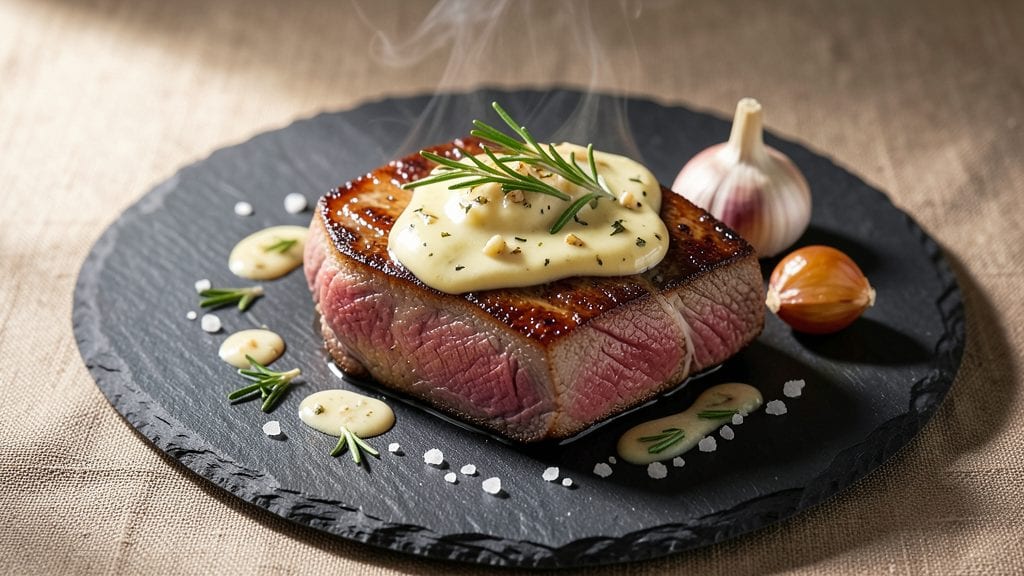
Mastering a pan-seared beef tenderloin recipe with a buttery crust and perfect pink center is the ultimate steakhouse technique you can recreate at home. The key lies in precise temperature control and a simple yet effective seasoning approach that enhances the beef's natural richness.
I've perfected this method after years of refining my approach, ensuring every bite delivers that ideal balance of tenderness and flavor.
This recipe transforms a simple cut of beef into a showstopping centerpiece with minimal effort. The secret to achieving that coveted crust while keeping the interior tender involves a two-step searing process—starting with a high-heat sear followed by a controlled finish.
With just a few high-quality ingredients and careful attention to timing, you'll create a dish that rivals any restaurant's finest offerings.
What you'll achieve is a beautifully seared beef tenderloin with a rich, golden-brown crust that encases perfectly pink, juicy meat inside. The buttery finish adds an extra layer of indulgence, making this dish ideal for special occasions or when you want to impress guests.
Each slice will be succulent, with a texture that melts in your mouth and a flavor that's both robust and refined.
Pair this masterpiece with classic sides like roasted garlic mashed potatoes or a fresh arugula salad to complete the meal. The recipe scales easily, so whether you're cooking for two or hosting a dinner party, this method delivers consistent, professional results every time.
Let's get started on creating your perfect pan-seared beef tenderloin.
Ingredients for pan seared beef tenderloin
Four ingredients transform beef tenderloin into a restaurant-worthy masterpiece—crust so crisp it shatters, pink center so tender it melts.
| Ingredient | Amount | Notes |
|---|---|---|
| Beef Tenderloin 🥩 | 1 ½ lb | Center-cut, trimmed of fat |
| Unsalted Butter 🧈 | ½ cup | Cold, cut into 1-inch cubes |
| Kosher Salt 🧂 | 1 ½ tsp | Diamond Crystal preferred |
| Freshly Ground Black Pepper 🌶️ | 1 tsp | Coarsely ground |
| Garlic Cloves 🧄 | 4 cloves | Smashed, not minced |
| Fresh Rosemary 🌿 | 1 sprig | Thin stems removed |
| Extra-Virgin Olive Oil 🫒 | 2 tbsp | High-quality, fruity |
| Vegetable Oil 🫒 | ¼ cup | For high-heat searing |
| Veal Stock 💧 | ½ cup | High-quality, reduced |
| Dried Thyme 🍃 | ½ tsp | Or 1 tsp fresh |
| Fresh Thyme Leaves 🌿 | 4 leaves | Optional garnish |
The beef tenderloin is your canvas—center-cut, 1.5 pounds is ideal for four servings, but don't skimp on quality. Whole Foods or your local butcher are your best bets for a perfectly trimmed piece with even fat distribution. The secret? Look for a tenderloin with a vibrant pink hue, not grayish or overly dark. If you're buying whole, ask for it trimmed to 1.5 pounds before you check out—saves time later. And trust me, room-temperature beef sears better—take it out of the fridge 30 minutes before cooking. The butter? European-style unsalted (like Plugrá) has more flavor, but any cold, high-fat butter works. Cut those cubes while it's still firm—1-inch pieces ensure even melting and maximum crust-building power.
No Diamond Crystal salt? Maldon flakes or any coarse kosher salt works—just measure carefully. Short on fresh rosemary? Dried at half the amount gets you close, but nothing beats the aroma of fresh. The vegetable oil is non-negotiable for high-heat searing—canola or grapeseed have high smoke points. No veal stock? Beef stock or even chicken stock in a pinch, but reduce it first to intensify the flavor. Pro tip: Toast your thyme leaves in the pan for 10 seconds before adding to the stock—releases those oils and adds depth. And if you're feeling fancy, add a splash of dry vermouth to the stock for a restaurant-worthy touch.
This dish reheats beautifully—low and slow in a 300°F oven for 10-15 minutes, covered with foil. For make-ahead magic, sear and rest the beef, then refrigerate uncovered for up to 24 hours before finishing. The crust stays crisp, and the center remains perfect. Serve within 4 hours of final sear for peak tenderness. Leftovers? Slice thinly and freeze in portions—perfect for quick lunches or last-minute dinner guests. And save those rosemary stems! Infuse olive oil with them for a week—game-changer for roasted veggies.
Why You'll Love This Recipe
- I swear by this: just butter and beef. That’s it. No fancy marinades or hours of prep—just a hot pan, a little salt, and the richest, most satisfying sear you’ll ever taste. The butter bastes while it cooks, turning golden and fragrant, and that’s when you know you’re onto something special.
- Two-Ingredient Magic: I swear by this: just butter and beef. That’s it. No fancy marinades or hours of prep—just a hot pan, a little salt, and the richest, most satisfying sear you’ll ever taste. The butter bastes while it cooks, turning golden and fragrant, and that’s when you know you’re onto something special.
- Crispy-Creamy Perfection: The outside gets this glorious caramelized crust—almost like a steakhouse cut—but the inside stays tender enough to melt. Honestly, the first time I cut into it and saw that juicy pink center with that buttery crust, I nearly dropped the knife. It’s the kind of dish that makes you pause and think, "Wait, I made this?"
- Weeknight or Dinner Party: Between us, this is my go-to for both lazy Thursdays and when my in-laws show up unannounced. For weeknights, I slice it thin over mashed potatoes or a simple salad. For company, I serve it whole with roasted garlic and a glass of wine—no one ever suspects how little effort went into it.
Step-by-step instructions for pan-seared beef tenderloin
This method delivers a restaurant-worthy crust with a perfectly pink center every time.
Prepare the Beef Tenderloin for Perfect Searing
Pat the 1.5 lb beef tenderloin completely dry with paper towels—this is non-negotiable for that golden crust. I like to work with it at room temperature, so take it out of the fridge 30 minutes before cooking. While it comes to temperature, season it generously with 1.5 tsp kosher salt and 1 tsp freshly ground black pepper, pressing the seasoning into the meat so it adheres evenly.
Here's the thing—this initial seasoning isn't just about flavor. The salt helps draw out moisture from the surface, which creates that incredible crust when seared. Don't skip this step, even if it seems excessive. The beef will thank you with a beautifully caramelized exterior while maintaining that luxurious tenderness inside.
Create the Searing Base with High Heat
Heat 2 tbsp extra-virgin olive oil and 0.25 cup vegetable oil in a heavy-duty skillet over medium-high heat until the oil shimmers—this should take about 5 minutes. The vegetable oil gives you the high smoke point needed for proper searing, while the olive oil adds depth of flavor. I use a cast-iron skillet because it retains heat so well and creates that perfect crust.
Once the oil is properly heated, add the beef tenderloin and let it sit undisturbed for 2 minutes on each side. This initial contact is crucial—it's what creates that deep, flavorful crust. You'll know it's ready to flip when you see a deep golden brown color forming. If it sticks, don't panic—just press down gently with a spatula and let it cook another 30 seconds before attempting to flip.
Build the Buttery Crust and Deglaze
After the initial sear, reduce the heat to medium and add 0.5 cup cold unsalted butter, cut into 1-inch cubes. As the butter melts, it will baste the beef, creating that incredible buttery crust we're after. Tilt the pan slightly to help the butter coat all sides of the beef. This should take about 3 minutes total.
Here's where it gets good—add the 4 smashed garlic cloves and 1 sprig fresh rosemary (with stems removed) to the pan. Let them sizzle for 30 seconds until fragrant. Then carefully pour in 0.5 cup veal stock, scraping up all those beautiful browned bits from the bottom of the pan. These bits are pure flavor—don't miss this step! Let the liquid simmer for 2 minutes until it reduces by half.
Rest and Serve with Herb Garnish
Transfer the beef tenderloin to a cutting board and tent loosely with aluminum foil. Let it rest for 10 minutes—this is absolutely critical. During this time, the juices redistribute throughout the meat, ensuring each slice is moist and flavorful. I know it's tempting to cut into it immediately, but trust me on this.
While the beef rests, stir 0.5 tsp dried thyme into the reduced pan sauce. For that final touch, garnish each serving with 4 fresh thyme leaves. The contrast of the bright herb against the rich beef is what makes this dish truly special. Slice the beef against the grain into ½-inch thick slices and serve immediately with the pan sauce spooned over the top.
Pro Tips For Making Pan Seared Beef Tenderloin
- CRANK THE HEAT FIRST: I learned this the hard way—start your pan screaming hot with just a drizzle of oil (no butter yet). The tenderloin needs that initial shock to sear properly before you add the garlic and butter, or you’ll end up steaming it instead of crusting it. High heat. Seriously, crank it up until smoke curls, then drop in the meat.
- SALT THE MEAT 40 MINUTES EARLY: Tenderloin is lean and can dry out fast, but salting it ahead lets the kosher salt work its magic into the surface. Use about 1 teaspoon per pound and let it sit uncovered on a rack—yes, even if you’re impatient like me. This guarantees seasoning that sticks, not just a dusting.
- DON’T TOUCH THE MEAT: After flipping, resist the urge to poke or prod it. I used to check doneness every 30 seconds, and every time I moved it, I lost precious crust. Let it sit undisturbed for 2–3 minutes per side, and trust your thermometer (130–135°F for medium-rare). Crowding the pan with garlic cloves? Do it in batches—overloading steams the butter.
- BUTTER IS YOUR FRIEND—USE IT WISELY: Once the meat’s seared, pull it out and toss in those smashed garlic cloves with a knob of cold butter. Let the butter foam and bubble for 30 seconds—this coats the pan in flavor—then baste the meat with it. Skip the pre-melted butter; cold butter adds richness and helps emulsify the pan drippings into a quick sauce. (Your future self will thank you.)
Perfect pairings for this recipe
Classic Sides
The richness of pan-seared beef tenderloin pairs beautifully with creamy roasted garlic mashed potatoes—their velvety texture contrasts perfectly with the beef's crust.
I make mine with 1.5 lbs Yukon Gold potatoes, roasted whole at 400°F for 45 minutes before mashing with 4 tbsp butter, ½ cup warm milk, and 3 minced garlic cloves. The high heat caramelizes the edges for extra depth. 🥔
Fresh Contrasts
A bright arugula salad with lemon vinaigrette cuts through the richness like a knife. Toss 4 cups baby arugula with 2 tbsp extra-virgin olive oil, 1 tbsp fresh lemon juice, ½ tsp Dijon mustard, and 1 tbsp shaved Parmesan.
Add ¼ cup toasted walnuts for crunch—this salad adds a peppery freshness that makes every bite of beef sing. 🌿
Rich Sauces
For an extra layer of indulgence, serve with a red wine reduction made from the pan drippings. After searing, deglaze the pan with ½ cup dry red wine (like Cabernet Sauvignon), reduce by half, then whisk in 1 tbsp cold butter for silkiness.
The deep, jammy notes complement the beef's caramelized crust beautifully. 🍷
Bread Pairings
Warm crusty sourdough bread with herb-infused olive oil soaks up every last drop of pan sauce. Brush slices with 2 tbsp olive oil mixed with 1 minced garlic clove and ½ tsp dried thyme, then toast in the oven at 375°F for 5 minutes.
The chewy texture and herby aroma make this the perfect companion. 🍞
Vegetable Suggestions
Roasted asparagus with lemon zest adds a touch of brightness to balance the dish. Toss 1 bunch asparagus with 1 tbsp olive oil, ½ tsp salt, and zest of 1 lemon, then roast at 425°F for 12-15 minutes until tender-crisp.
The citrusy finish elevates the entire meal. 🌱
Dessert Harmony
End the meal with dark chocolate-dipped strawberries—their bittersweet contrast cleanses the palate after such a rich main course. Melt 8 oz dark chocolate (70% cocoa) with 1 tbsp coconut oil, dip 12 strawberries, and chill for 15 minutes until set.
The deep cocoa pairs surprisingly well with the beef's herbal notes. 🍓
Nutrition facts
Frequently asked questions
How do I know when my beef tenderloin is done?
Use a meat thermometer for precision—aim for 130°F for medium-rare (the perfect pink center). For medium, target 140°F. The 10-minute rest after cooking will raise the internal temp by 5°F, so pull it out slightly early. Never rely on color alone—beef can look done on the outside while remaining cold inside.
Can I use a different cut of beef?
While beef tenderloin is ideal for this technique, you can try filet mignon or strip steak with similar results. Avoid leaner cuts like sirloin—they won't develop the same rich crust. For larger roasts (like 2-3 lb tenderloin), increase cooking time by 1-2 minutes per side and reduce heat slightly to prevent overcooking the center.
Why did my beef turn out dry?
Overcooking is the #1 cause—cutting into it too soon or cooking beyond 135°F dries it out. Always let it rest 10 minutes before slicing. Another common mistake is using a skillet that's too small—crowding prevents proper browning. For thicker cuts, sear in batches if needed, and use medium-high heat consistently to avoid flare-ups that burn the exterior.
What's the best way to reheat leftovers?
Slice the beef into ½-inch thick portions and reheat in a 300°F oven for 10-15 minutes, covered loosely with foil. For a quick fix, pan-sear the slices in 1 tbsp butter over medium heat for 2 minutes per side. Never microwave—it turns the meat rubbery. Reheated beef keeps its texture best within 4 hours of final cooking.
How can I make this dish ahead of time?
Prepare the beef up to the searing step, then refrigerate uncovered for up to 24 hours to dry-brine. Sear when ready to serve—this actually enhances the crust! For a 3-day head start, cook the beef completely (to 125°F internal), rest, slice, and freeze in airtight containers. Reheat from frozen in the oven at 300°F for 20-25 minutes, covered with foil.