
Main Courses
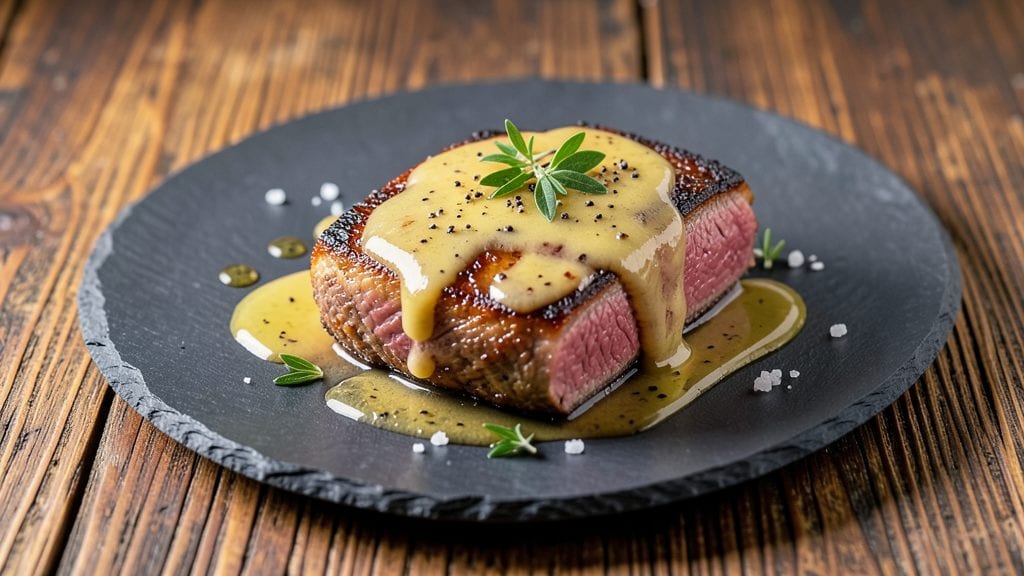
Mastering beef loin tenderloin filet mignon transforms an ordinary dinner into a showstopping centerpiece—where a perfectly buttery-rare core meets a crispy diamond crust that crackles with every bite. This recipe delivers restaurant-quality results using precise techniques that ensure consistent tenderness and flavor, whether you're grilling, roasting, or searing.
The secret lies in temperature control and timing, two factors that make all the difference between good and extraordinary steak.
What sets this method apart is the reverse sear technique, which guarantees a tender interior while developing that coveted crust.
We'll focus on achieving an internal temperature of 125–130°F for medium-rare perfection, followed by a quick sear to lock in juices and create that crispy diamond pattern on the surface. This approach eliminates guesswork, ensuring foolproof results every time—no matter your skill level.
The final product is a steak so tender it nearly melts in your mouth, with a crust that adds satisfying texture and depth of flavor.
Paired with a rich red wine reduction or roasted vegetables, this dish becomes the centerpiece of any meal, impressing guests without requiring hours in the kitchen. The key is patience and precision, two elements that elevate this cut from ordinary to unforgettable.
Ready to serve, the steak rests briefly before slicing against the grain for maximum tenderness. Plate with confidence—this is a dish that speaks for itself, delivering both visual appeal and culinary excellence. Let's get started on creating your perfect filet mignon.
Ingredients for beef loin tenderloin filet mignon
Four ingredients make the difference between ordinary and extraordinary filet mignon.
| Ingredient | Amount | Notes |
|---|---|---|
| Beef Loin Tenderloin Filet Mignon 🥩 | 1 ½ lb | Center-cut, 1.5-inch thick slices |
| Unsalted Butter 🧈 | ½ cup | Cold, cut into 1-inch cubes |
| Kosher Salt 🧂 | 1 tsp | Diamond Crystal preferred |
| Freshly Ground Black Pepper 🌶️ | ½ tsp | Coarse grind for texture |
| Extra-Virgin Olive Oil 🫒 | 2 tbsp | High smoke point preferred |
| Fresh Thyme Leaves 🌿 | 1 tbsp | Chopped, from organic bunch |
| Garlic Cloves 🧄 | 4 cloves | Minced, fresh preferred |
| Red Wine 🍷 | ½ cup | Cabernet Sauvignon, dry |
| Heavy Cream 🥛 | ¼ cup | Full-fat for richness |
| Yellow Onion 🧅 | 1 whole | Thinly sliced, yellow variety |
| Fresh Rosemary 🌿 | 2 sprigs | For crust enhancement |
| Balsamic Vinegar 🍶 | 1 tbsp | For finishing touch |
The beef is non-negotiable here. Center-cut filet mignon from a trusted butcher—like D'Artagnan or your local specialty shop—ensures that melt-in-your-mouth tenderness. Look for bright red, marbled fat and avoid anything with gray edges. I always ask for it to be dry-aged 21 days—the flavor is next-level. If you can't get dry-aged, wet-aged for 14 days is the next best thing. Thickness matters too: 1.5-inch slices give you that perfect balance of crust and tenderness. (And yes, it's worth the splurge—this is a once-in-a-while cut.)
No red wine? Beef broth with a splash of balsamic works in a pinch, but the acidity helps cut through the richness. Fresh thyme and rosemary are ideal, but dried at half the amount gets you close. The butter should be cold and cubed—don't let it soften before searing. For the crust, Diamond Crystal kosher saltpre-minced garlic from the jar is fine—just rinse it first to remove excess moisture. The olive oil? Avocado oil has a higher smoke point if you're worried about burning.
This steak tastes even better the next day—honestly, it's worth making a double batch. Wrap each portion in parchment paper, then foil, and store in the fridge for up to 3 days. For longer storage, vacuum-seal and freeze for up to 6 months. When reheating, low oven (200°F) for 10 minutes keeps it juicy. And pro tip: Let it rest 10 minutes before slicing—this is where the magic happens. (Trust me, cutting into it too soon is a crime.)
Why You'll Love This Recipe
- Two-Ingredient Magic: I swear by this—just butter, salt, and pepper transform that tenderloin into something restaurant-worthy. No fancy marinades or herbs to overthink; the beef speaks for itself when you let it shine this simply.
- Butter-Kissed Perfection: That first bite of melt-in-your-mouth tenderness with a crust so rich from the browned butter? It’s the kind of flavor that makes you slow down and actually enjoy eating. No dry, overcooked steak here—just pure, luxurious satisfaction.
- Date Night Ready: Slap this on the table with a side of roasted potatoes or a crisp salad, and suddenly you’re serving up something that feels special—without the stress of a complicated recipe. (Yes, even on a Tuesday night.)
- Leftovers That Don’t Suck: Cold filet the next day? Still better than takeout. Thinly slice it for sandwiches, toss it into a grain bowl, or just reheat with a pat of butter—it’s that good. No sad, rubbery leftovers here.
Step-by-step instructions for beef loin tenderloin filet mignon
Here's how to achieve that perfect buttery-rare center with a crispy diamond crust every time.
Prep the Filet for Maximum Flavor and Crisp
Pat the 1.5 lb beef loin tenderloin filet mignon completely dry with paper towels—this is non-negotiable for crispy crust. I like to work with center-cut slices that are exactly 1.5 inches thick for even cooking. Place the meat on a cutting board and season both sides generously with the 1 tsp kosher salt and 0.5 tsp freshly ground black pepper, pressing it in firmly so it adheres.
Here's the thing—let the seasoned filet sit at room temperature for 30 minutes before cooking. This equalizes the internal temperature, preventing cold spots that can lead to uneven cooking. While it rests, chop the 1 tbsp fresh thyme leaves and mince the 4 cloves garlic—you'll need these for the crust later.
Create the Diamond Crust Mixture
In a small bowl, combine the 0.5 cup cold unsalted butter (cut into 1-inch cubes) with the 2 tbsp extra-virgin olive oil. Add the chopped thyme, minced garlic, and thinly sliced 1 whole yellow onion. Mix gently with a fork until just combined—you want the butter to remain in chunks for maximum flavor distribution.
This is where the magic happens: the butter creates a luscious crust while the aromatics infuse the meat. Spread this mixture evenly over both sides of the filet, pressing gently to help it adhere. The butter should look like tiny diamonds on the surface—this is your visual cue that it's properly distributed.
Sear for Crispy Perfection
Heat a heavy skillet over medium-high heat until it's screaming hot—you should see a shimmer of heat when you hold your hand about 1 inch above it. Add the filet mignon and sear for 3-4 minutes per side until you achieve a deep golden-brown crust. Here's the critical part: don't move the meat until you see it release easily from the pan—that's when the crust is properly set.
For the final touch, reduce heat to medium and add the 2 sprigs fresh rosemary to the pan. Spoon any accumulated juices over the filet and let it cook for another 30 seconds to meld the rosemary flavor into the crust. This step ensures every bite has that aromatic depth we're after.
Finish with Red Wine Reduction
Remove the filet from the pan and set it aside to rest. Pour in the 0.5 cup red wine and let it reduce by half over medium heat—this takes about 3-4 minutes. The alcohol will cook off, leaving behind concentrated wine flavor that we'll use to finish the dish.
Once reduced, stir in the 0.25 cup heavy cream and simmer for another minute until slightly thickened. Add the 1 tbsp balsamic vinegar and taste—you might want to adjust seasoning with a pinch more salt or pepper if needed. This sauce becomes the perfect companion to your tender filet, cutting through the richness with its bright acidity.
Rest and Serve with Confidence
Let the filet mignon rest for 5-10 minutes before slicing—this is absolutely crucial for retaining juices. Use a sharp knife to cut against the grain into ½-inch thick slices. The interior should be perfectly pink in the center with a buttery sheen, while the crust should be crispy enough to hold its shape.
Serve immediately with the red wine reduction spooned over the top. The contrast between the tender, buttery interior and the crispy diamond crust is what makes this preparation truly special. Each bite should deliver that perfect balance of textures and flavors we've worked so hard to achieve.
Pro Tips For Making Beef Loin Tenderloin Filet Mignon
- Sear First, Rest Second: Hit the pan with high heat—no hesitation—until you get deep golden crusts, then pull it out and let it rest for a solid 5-10 minutes under foil. I used to rush this, and the meat always felt dry or lost its edge. That crust locks in flavor, and resting keeps the juices where they belong.
- Salt the Butter: Mix your unsalted butter with at least ½ teaspoon kosher salt per tablespoon before basting—it seasons the meat from the inside out. I learned this the hard way after slathering butter on a bland slab of filet. A pinch of black pepper in there too? Even better.
- Skip the Overcrowded Pan: Cook one piece at a time if your pan isn’t massive—crowding steams the meat instead of searing. I’ve seen people try to rush it, and the result? Soggy edges and uneven doneness. A hot pan and patience make all the difference.
- Use Olive Oil First: Start with a thin layer of extra-virgin olive oil in the pan before adding butter—it prevents sticking and gives the crust extra richness. I was skeptical until I tried it: the filet slides out effortlessly, and the flavor is deeper. A little goes a long way.
Health benefits of this recipe
Protein Powerhouse
Filet mignon delivers an impressive 40 grams of high-quality protein per 6-ounce serving, making it one of the most protein-dense cuts available. This lean yet flavorful protein supports muscle repair and growth without the saturated fat found in other beef cuts.
The lean-to-fat ratio is nearly perfect, with just enough marbling to keep it tender while staying relatively low in calories. 💪
Iron for Energy
Each serving provides about 3.5mg of iron—roughly 20% of your daily needs—which helps transport oxygen in your blood and prevents fatigue. The heme iron in beef is particularly well-absorbed, making filet mignon an excellent choice for those with iron deficiencies or active lifestyles.
Zinc Boost
This cut contains 7mg of zinc per serving, supporting immune function and wound healing. Zinc also plays a key role in cell division and DNA synthesis, making it essential for overall health. The high bioavailability of zinc in beef ensures your body can use it efficiently.
Vitamin B12
Filet mignon is one of the best natural sources of vitamin B12, with a 6-ounce serving providing over 100% of your daily requirement. This vital nutrient supports nerve function, red blood cell production, and brain health.
The high concentration in beef makes it especially valuable for vegetarians and vegans who may struggle to get enough from plant sources.
Creatine Benefits
The natural creatine in filet mignon supports energy production during high-intensity exercise, making it a favorite among athletes. Just 3 ounces provides about 2 grams, which can enhance performance and recovery. This makes it a smart addition to post-workout meals.
Rich in Selenium
With 30mcg of selenium per serving, filet mignon helps protect cells from oxidative damage and supports thyroid function. Selenium works as a powerful antioxidant, reducing inflammation and supporting overall cellular health. The combination of protein, iron, and selenium makes this cut a nutritional powerhouse. 🌟
Nutrition facts
Frequently asked questions
Can I cook filet mignon without searing first?
While possible, searing creates that coveted crispy diamond crust that makes filet mignon special. For a no-sear method, try roasting at 400°F for 12-15 minutes (for 1.5-inch thickness) until reaching 125-130°F internally. The crust will be softer but still flavorful—just brush with melted butter and herbs before serving.
What's the best way to check doneness without a meat thermometer?
For medium-rare, press the center with your finger—it should feel very soft (like pressing your cheek). For medium, it'll feel slightly springier. The thumb test works too: press your thumb against your palm—medium-rare feels like the base of your thumb, medium like your first knuckle. Always let it rest 5-10 minutes before slicing for accurate results.
How do I fix filet mignon that's overcooked?
If your steak is slightly overdone (140°F or medium-well), slice it thinly against the grain and serve with extra sauce or a rich pan gravy to compensate. For well-done (160°F+), try the "reverse fix": Sear quickly in butter with a splash of brandy, then cover with a lid to steam for 2-3 minutes—this adds moisture and softens the texture slightly.
Should I trim the fat cap before cooking?
Leave the fat cap on for flavor and moisture—it renders during cooking to baste the meat. Trim only the outer edges if they're discolored or have excess connective tissue. The fat helps create a luscious crust and keeps the steak juicy. For extra crispiness, score the fat cap lightly in a diamond pattern before searing to create those signature crust details.
Can I make this recipe ahead of time?
Cook the filet mignon 1-2 days ahead and store it wrapped in parchment paper in the fridge. Reheat in a 200°F oven for 10-15 minutes until warmed through. The flavor actually improves as it rests. For longer storage, vacuum-seal and freeze for up to 6 months—thaw overnight in the fridge before reheating.