
Main Courses
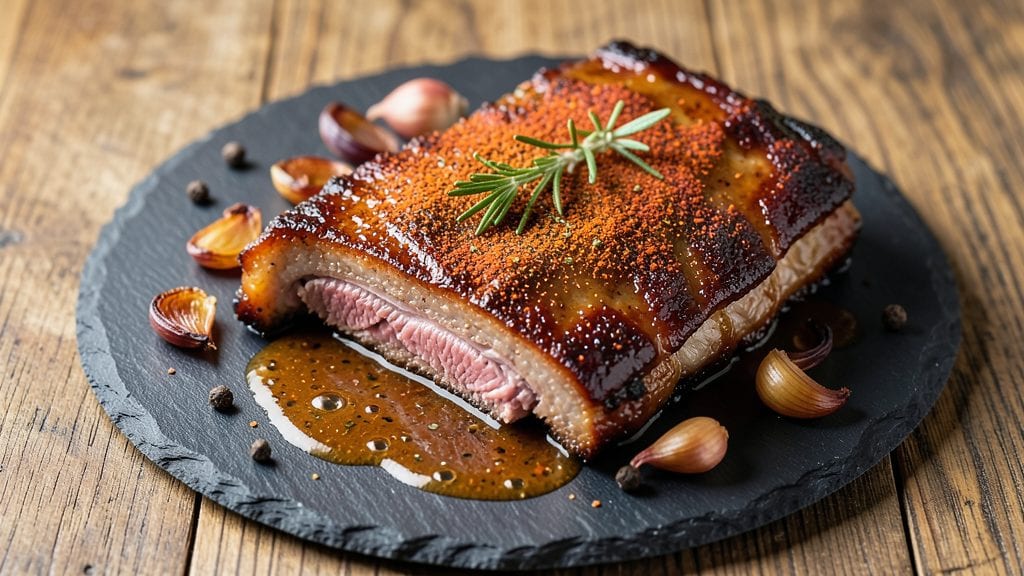
Oven-baked beef ribs deliver crispy bark and juicy meat without needing a smoker—just a well-seasoned cut, precise oven timing, and a few professional techniques. After years of perfecting this method, I’ve found that the key lies in a dry rub that forms an impenetrable crust while keeping the interior tender.
The ribs develop deep, smoky-sweet flavors through slow baking, then finish with a high-heat broiler for that coveted caramelized bark.
This recipe transforms tough beef ribs into melt-in-your-mouth perfection using only your home oven.
The process begins with a 30-minute dry rub of spices and brown sugar, followed by 3 hours of low-and-slow baking at 275°F. Unlike smoker methods, this approach ensures even cooking and a consistent bark without requiring specialized equipment. The result?
Ribs so tender they fall apart at the touch, with a crust that’s both crispy and slightly sticky.
The secret to success lies in basting with apple cider vinegar during the final hour—this tenderizes the meat and enhances the bark’s depth. A 10-minute broiler finish seals in juices while creating those coveted charred edges.
Whether you’re feeding a crowd or treating yourself, these ribs deliver restaurant-quality results with minimal effort. Here’s how to achieve them every time.
Serve with classic sides like coleslaw or baked beans, or drizzle with a tangy barbecue sauce for extra flavor. The leftovers reheat beautifully, making this a meal-prep-friendly option for busy weeks. Let’s get started on ribs that will impress even the most skeptical eaters.
Ingredients for oven baked beef ribs
Six pounds of meaty ribs plus a handful of pantry staples craft restaurant-quality flavor at home.
| Ingredient | Amount | Notes |
|---|---|---|
| Beef Ribs (Baby Back or St. Louis Style) 🥩 | 4 lb | Bone-in, meaty cuts preferred |
| Brown Sugar 🍚 | ½ cup | Light or dark variety |
| Smoked Paprika 🌶️ | 2 tbsp | For authentic smoky flavor |
| Chili Powder 🌶️ | 1 ½ tbsp | Medium heat preferred |
| Garlic Powder 🧄 | 1 tbsp | Freshly ground preferred |
| Onion Powder 🧅 | 1 tbsp | For depth of flavor |
| Ground Black Pepper 🌶️ | 1 tbsp | Freshly cracked preferred |
| Apple Cider Vinegar 🍏 | ¼ cup | For basting and tenderizing |
| Extra-Virgin Olive Oil 🫒 | 2 tbsp | For coating ribs |
| Kosher Salt 🧂 | 1 ½ tbsp | Diamond Crystal preferred |
| Fresh Rosemary 🌿 | 1 tbsp | Chopped, for aroma |
| Fresh Thyme 🌿 | 1 tbsp | Chopped, for herbal notes |
The ribs are the star—baby back or St. Louis style both work, but baby backs have more meat per pound. Costco or Whole Foods carry the best cuts, often pre-cut for convenience. Look for ribs with good marbling—the fat keeps them juicy during slow cooking. If you can't find fresh rosemary or thyme, dried works at half the amount, but fresh adds that restaurant-quality aroma. The brown sugar isn't just for sweetness—it helps create that coveted caramelized bark during the broiler finish.
No smoked paprika? Regular paprika plus a pinch of liquid smoke works in a pinch. The apple cider vinegar is non-negotiable—it tenderizes the meat and adds tangy depth. Trader Joe's has an affordable organic version, or use white vinegar in a bind. For the dry rub, Diamond Crystal kosher saltcayenne pepper to the rub. The olive oil should be high-quality—California extra-virgin adds a fruity note that complements the ribs beautifully.
The dry rub keeps for 3 months in an airtight container, so make extra. Store ribs uncovered in the fridge for 24 hours before cooking—they develop more flavor. Leftovers reheat best in a 350°F oven for 15 minutes with a splash of apple cider vinegar. Freeze cooked ribs for up to 3 months—they actually taste better reheated since the flavors meld. Portion into individual servings before freezing for easy meal prep.
Why You'll Love This Recipe
- No Fuss Setup: I swear, this is the only rib recipe I keep coming back to—just ribs, a dry rub of brown sugar and spices, and 30 minutes in the oven. No messy sauces, no babysitting a grill, and my hands stay clean. (Honestly, my husband still thinks I cheat.)
- Sweet-Spicy Magic: That caramelized brown sugar crust? It’s like a hug for your taste buds, especially when it cracks open to reveal tender meat underneath. The smoked paprika and chili powder add just enough kick to make it feel special—not too sweet, not too spicy, but just right.
- Leftovers for Days: Between us, these ribs taste even better the next day. I make a double batch on Sundays, wrap them up, and they’re my go-to for quick lunches or game-day snacks. (Yes, even on a Tuesday night.)
- Budget-Friendly Feast: A full rack of ribs feeds four for under $20, and the spices cost pennies. It’s my secret weapon for impressing guests without breaking the bank—or spending hours in the kitchen. My kids call them “fancy dinner,” and I don’t correct them.
Step-by-step instructions for oven baked beef ribs
Here's how to transform tough ribs into fall-off-the-bone perfection using just your home oven.
Prepare the Ribs for Maximum Flavor and Crisp
Start by removing the beef ribs from the refrigerator and patting them completely dry with paper towels. This step is crucial—moisture prevents the bark from forming properly. Place the ribs on a wire rack set over a baking sheet to allow air circulation on all sides.
In a small bowl, combine the 0.5 cup brown sugar, 2 tablespoons smoked paprika, 1.5 tablespoons chili powder, 1 tablespoon garlic powder, 1 tablespoon onion powder, 1 tablespoon ground black pepper, 1.5 tablespoons kosher salt, 1 tablespoon chopped fresh rosemary, and 1 tablespoon chopped fresh thyme. Mix thoroughly to create a fine, even coating.
Generously rub this dry rub all over the ribs, pressing it into the meat so it adheres well. The sugar will caramelize during cooking, creating that coveted crispy bark while the spices penetrate the meat. Let the ribs sit at room temperature for 30 minutes before baking—this ensures even cooking and better flavor development.
Create the Basting Sauce and Preheat the Oven
While the ribs are resting, prepare the basting sauce by combining the 0.25 cup apple cider vinegar and 2 tablespoons extra-virgin olive oil in a small bowl. This tangy mixture will tenderize the meat and help create a glossy finish. Whisk until fully blended.
Preheat your oven to 275°F—this lower temperature is key for slow cooking that renders fat and breaks down connective tissue without drying out the meat. Place a wire rack on top of a baking sheet and position the ribs on the rack, bone-side down. This setup allows heat to circulate evenly around the ribs.
Here's the thing—don't be tempted to crank the heat higher. The low-and-slow method is what transforms tough beef into melt-in-your-mouth tenderness. Patience here makes all the difference.
Bake Low and Slow Until Fork-Tender
Place the ribs in the preheated oven and bake for 3 hours. During this time, the collagen in the meat will break down, and the ribs will become fork-tender. Every 45 minutes, brush them generously with the basting sauce using a pastry brush. This keeps them moist and adds depth of flavor.
After 3 hours, check for doneness by inserting a meat thermometer into the thickest part of the meat (avoid touching bone). The internal temperature should reach 195-203°F. If it's below 195°F, continue baking, basting every 45 minutes until tender. The ribs are ready when they pull apart easily with minimal resistance.
Real talk: Your oven might run hot or cold, so start checking at the 2 hour 45 minute mark if you're impatient. But trust the process—this is where the magic happens.
Broil for Crispy Bark and Serve
Once the ribs reach the proper internal temperature, remove them from the oven and transfer to a cutting board. Let them rest for 10 minutes—this allows the juices to redistribute and prevents them from drying out when sliced.
During this resting time, increase your oven's broiler setting to high. Place the ribs back on the wire rack and broil for 3-5 minutes, watching closely to achieve a deep, caramelized bark. You'll see the edges darken and crisp up—this is your signal that they're ready. If the bark browns too quickly, move the rack further from the heat source.
Slice between the bones and serve immediately. The result should be ribs with a dark, crispy exterior and meat that falls apart at the touch. The combination of tender, juicy meat and that perfect bark is what makes this method worth the wait.
Pro Tips For Making Oven Baked Beef Ribs
- Trim the Fat First: Baby back ribs have that shiny fat cap—don’t just slap sauce on it. Use kitchen shears to slice through the membrane and trim the thickest parts down to ¼-inch. Less fat means faster browning and a crust that actually sticks, not slides off like you’re cooking a greased-up brick.
- Start with a Hot Oven: Preheat that oven to 425°F (220°C) and don’t skimp. Cold ribs + lukewarm oven = sad, soggy bark. I used to rush this and ended up with ribs that tasted like they’d been steamed. High heat for the first 20 minutes caramelizes the brown sugar and spices into something magical—don’t bail early.
- Skip the Overcrowding: Pile those ribs too close together, and you’re trapping steam instead of getting that crispy exterior. Leave at least ½-inch between racks or ribs on the tray. They’ll spread out as they cook—trust me, they always do. Crowding turns your ribs into a sad, sticky mess.
- Baste with the Drippings: After the first 30 minutes, pull the ribs out and spoon that sticky, caramelized mess from the pan right back onto them. It’s basically free glaze, packed with flavor. I used to wipe it off with a paper towel—big mistake. That drippings are the difference between "meh" and "wow."
Wine and beer pairings for these flavors
Red Wine Classics
A bold Cabernet Sauvignon from Napa Valley or Malbec from Argentina stands up beautifully to the rich, smoky-sweet flavors of oven-baked ribs. The tannins in these wines cut through the fat, while their dark fruit notes complement the caramelized bark.
I recommend a 2018 Caymus Vineyards Cabernet Sauvignon—its blackcurrant and vanilla flavors elevate the dish without overpowering it. 🍷
Crisp White Options
For those who prefer white wine, a Chardonnay with noticeable oak—like a Meiomi from California—adds a creamy texture that contrasts nicely with the ribs' crispy exterior. The buttery notes in the wine mirror the richness of the meat.
Alternatively, a dry Riesling from Germany, such as Dr. Loosen Blue Slate, brings bright acidity that cleanses the palate between bites.
Beer Pairings
A stout or porter, like Guinness or Founders Kentucky Breakfast Stout, pairs surprisingly well with the deep, caramelized flavors of the ribs. The coffee and chocolate notes in these beers enhance the smokiness of the dry rub.
For a lighter option, a honey lager such as Sierra Nevada Honey Weiss adds a subtle sweetness that complements the brown sugar in the crust.
Non-Alcoholic Choices
Don’t overlook non-alcoholic options! A sparkling apple cider like Martinelli’s adds a refreshing tang that mirrors the apple cider vinegar in the basting sauce. For something bolder, try a smoked tea—infuse black tea with a cinnamon stick and a drop of liquid smoke for an aromatic, rib-friendly sipper. 💫
Sauce Pairing Tips
If you serve your ribs with a barbecue sauce, opt for a tangy, vinegar-based sauce like Sweet Baby Ray’s Original to avoid overwhelming the dish. For a lighter touch, drizzle with balsamic glaze—its sweetness and acidity balance the ribs' richness.
Avoid heavy, sweet sauces that can make the meat taste cloying.
Nutrition facts
Frequently asked questions
Can I use a different cut of beef ribs for this recipe?
This recipe works best with baby back ribs or St. Louis-style ribs due to their meat-to-bone ratio. Spareribs are tougher and require 4-5 hours of baking, while back ribs (like beef short ribs) need 2-3 hours at 300°F. Adjust baking time based on cut thickness—always check internal temp with a meat thermometer.
Why do my oven-baked ribs turn out dry instead of tender?
Dry ribs usually mean one of three things: overcooking (past 203°F internal temp), lack of basting, or skipping the rest. Always use a meat thermometer, baste every 45 minutes with apple cider vinegar, and let ribs rest 10 minutes before slicing. For extra moisture, wrap ribs in foil during the last 30 minutes of baking.
Can I make these ribs ahead of time?
Cooked ribs reheat beautifully. Store in an airtight container for up to 3 days in the fridge or 3 months in the freezer. Reheat at 350°F for 15 minutes, then broil 2-3 minutes to restore crispiness. For meal prep, portion into individual servings before freezing—this prevents a single large block from drying out.
What's the secret to getting crispy bark without a smoker?
The bark comes from three key steps: dry rub with brown sugar (caramelizes during cooking), high-heat broiler finish (creates Maillard reaction), and apple cider vinegar basting (tenderizes while promoting crust formation). For extra crispiness, broil 5 minutes on each side at the end, and use a wire rack instead of direct contact with the pan.
Can I substitute the dry rub with store-bought seasoning?
You can use store-bought BBQ rubs, but they often lack the brown sugar and smoked paprika needed for that authentic bark. For a quick swap, mix 1 tbsp chili powder, 1 tbsp brown sugar, 1 tsp smoked paprika, and 1 tsp garlic powder. The missing rosemary/thyme can be added fresh—these herbs are crucial for depth of flavor.