
Main Courses
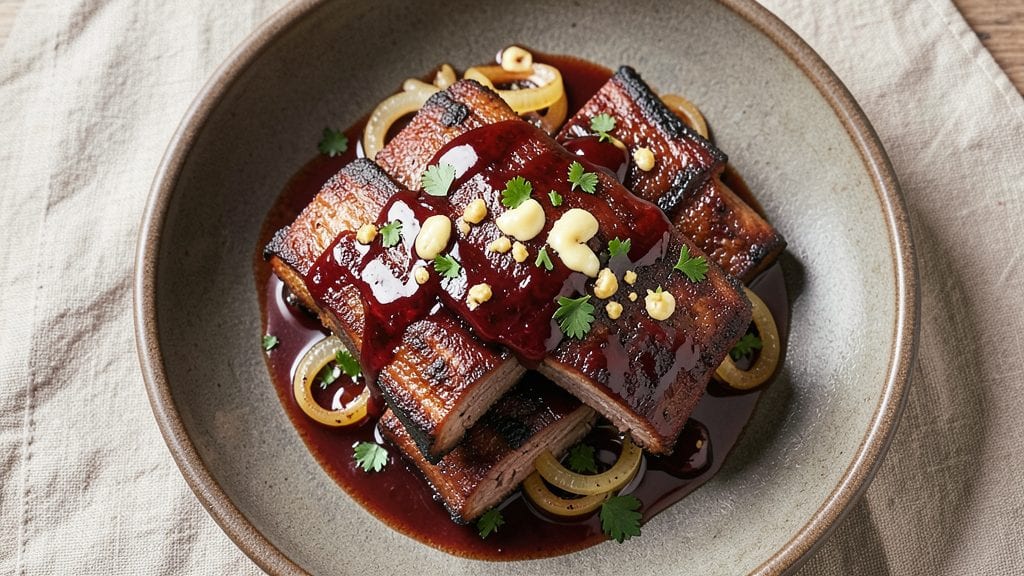
Mastering flanken cut beef short ribs transforms tough cuts into buttery tenderness with a smoky-spiced crust—this recipe delivers restaurant-quality results at home. The secret lies in the slow cooking process that melts collagen into rich, velvety layers while developing deep, caramelized flavors.
I’ve perfected this method over years of testing, and it never fails to impress even skeptical meat lovers.
What sets these ribs apart is the balance between smoky crust and melt-in-your-mouth texture, achieved through precise timing and a well-crafted spice blend. Unlike traditional short ribs, flanken cuts cook faster, allowing you to achieve tender perfection in just 3 hours—ideal for weeknight dinners or weekend feasts.
The key is a low-and-slow approach that preserves moisture while building flavor.
By the time you serve these ribs, they’ll be fork-tender with a caramelized exterior that crackles at every bite. The smoky spices penetrate deeply, creating a harmony of flavors that pairs beautifully with creamy mashed potatoes or a crisp green salad.
This is the kind of dish that elevates simple meals into memorable experiences.
Whether you’re grilling, braising, or slow-roasting, the technique remains consistent—just adjust the method to your preferred cooking style. Let’s get started on creating ribs that will have everyone asking for seconds.
Ingredients for flanken cut beef short ribs
Here’s what you need to create restaurant-worthy flanken cut beef short ribs at home.
| Ingredient | Amount | Notes |
|---|---|---|
| Flanken Cut Beef Short Ribs 🥩 | 2 ½ lb | Bone-in, 1/2-inch thick slices |
| Unsalted Butter 🧈 | ½ cup | Cold, cubed for crust |
| Yellow Onion 🧅 | 1 whole | Sliced into 1/4-inch strips |
| Garlic Cloves 🧄 | 6 cloves | Minced, fresh preferred |
| Beef Broth 💧 | 1 ½ cups | Low-sodium preferred |
| Red Wine 🍷 | ½ cup | Dry, like Cabernet Sauvignon |
| Tomato Paste 🍅 | 2 tbsp | Smooth, not chunky |
| Smoked Paprika 🌶️ | 1 tbsp | For deep smoky flavor |
| Ground Cumin 🌿 | 1 tsp | Toasted for warmth |
| Dried Thyme 🌿 | 1 tsp | Or 1 tbsp fresh |
| Kosher Salt 🧂 | 1 ½ tbsp | Diamond Crystal preferred |
| Black Peppercorns 🌶️ | 1 tsp | Freshly cracked |
| Brown Sugar 🍚 | 1 tbsp | Light, for caramelization |
| Olive Oil 🫒 | 2 tbsp | For searing ribs |
| Fresh Rosemary 🌿 | 1 sprig | For aroma, optional garnish |
The beef is everything here—flanken cuts are leaner than traditional short ribs, so the slow cooking melts collagen into buttery tenderness. Look for bone-in slices (about 1/2-inch thick) at your butcher or well-marbled packs at Whole Foods or Costco. If pre-sliced isn’t available, ask for a pound of flanken cut beef and have it sliced—it’s worth the extra step. The smoked paprika and cumin are non-negotiable for that signature smoky crust, so grab them at Penzeys or the bulk section if you want top-tier flavor. Fresh thyme and rosemary add depth, but dried works in a pinch (just halve the amount).
No red wine? Beef broth with a splash of balsamic vinegar keeps the depth. Short on tomato paste? A tablespoon of sun-dried tomato paste (from a jar) works too—just adjust for saltiness. The brown sugar is key for caramelization, but honey or maple syrup can substitute if you’re avoiding refined sugar. For extra richness, swap half the beef broth for stout beer—the maltiness pairs beautifully. And if you’re prepping ahead, pat the ribs dry before storing to prevent spoilage (trust me on this).
These ribs reheat like a dream—350°F for 15 minutes with a splash of broth keeps them moist. Store leftovers in an airtight container for up to 4 days or freeze for 3 months (portion into single servings for easy reheating). The crust gets crispier after resting, so let them sit 10 minutes before serving. I always make a double batch—one for dinner, one for lunches the next week. The flavors only get better as they meld!
Why You'll Love This Recipe
- One-Pan Magic: I swear by this—just sear the ribs, toss in sliced onions and garlic, then let the broth do its thing. Minimal chopping, zero fuss, and one pan that’s basically self-cleaning.
- Rich, Caramelized Edge: That crispy brown crust on the ribs? Pure reward. The beef broth reduces into a glossy sauce that clings to every bite, turning tough cuts into melt-in-your-mouth perfection.
- Weeknight or Weekend Star: Between us, this recipe works for any meal. Serve it over mashed potatoes for a cozy Tuesday night or plate it with crusty bread for a fancy-ish weekend dinner. No judgment here.
- Leftovers That Don’t Suck: Honestly, the second day is even better. The ribs stay tender, the sauce thickens into a savory glaze, and I’ve reheated them three times without a single complaint—even from my picky teen. Budget win.
Step-by-step instructions for flanken cut beef short ribs
Here's the method that delivers melt-in-your-mouth tenderness with a perfect smoky-spiced crust every time.
Prepare the Ribs for Maximum Flavor and Texture
Pat the 2.5 lb flanken cut beef short ribs completely dry with paper towels. This crucial step ensures maximum browning and crust formation. Place them in a bowl and combine with 1 tbsp smoked paprika, 1 tsp ground cumin, 1 tsp dried thyme, 1 tbsp brown sugar, 1.5 tbsp kosher salt, and 1 tsp freshly cracked black peppercorns. Massage the spices into the meat so they adhere evenly to all surfaces.
Let the seasoned ribs sit at room temperature for 30 minutes while you prepare the remaining ingredients. This allows the spices to penetrate and the meat to cook more evenly. I like to arrange them in a single layer on a plate during this time to prevent any moisture buildup that could steam them instead of searing.
Create the Perfect Crust Through Searing
Heat a heavy Dutch oven over medium-high heat and add the 2 tbsp olive oil. Once the oil shimmers (about 2 minutes), carefully add the ribs in a single layer, working in batches if needed to avoid crowding. Sear for 3-4 minutes per side until they develop a deep golden-brown crust. This crust is what locks in all those delicious juices during the long braising process.
As the ribs sear, you'll notice the fat begin to render out. Don't be tempted to drain this fat—it contains incredible flavor that will form the base of your sauce. Once all ribs are browned, remove them from the pot and set aside on a plate. You'll return them to the pot later, but this brief resting period prevents them from overcooking while you build the sauce.
Build the Flavorful Braising Liquid
In the same Dutch oven, reduce the heat to medium and add the 0.5 cup unsalted butter. Let it melt completely, about 1 minute, then add the sliced 1 whole yellow onion and 6 cloves minced garlic. Cook for 3-4 minutes until the onions soften and become translucent, but don't let them brown—you want to preserve their sweetness.
Stir in the 2 tbsp tomato paste and cook for 1 minute to develop its rich flavor. Then deglaze the pot by adding the 0.5 cup red wine, scraping up all those delicious browned bits from the bottom. Let the wine simmer for 2-3 minutes until it reduces by half. This reduction concentrates the flavors and forms the foundation of your sauce.
Braise Until Fork-Tender
Return the seared ribs to the pot along with any accumulated juices. Pour in the 1.5 cups beef broth and add the 1 sprig fresh rosemary. Bring the liquid to a gentle simmer, then reduce heat to low, cover, and transfer to a preheated 300°F oven. This low-and-slow cooking method is what transforms tough flanken cut beef into melt-in-your-mouth tenderness.
Braise for 2.5 to 3 hours until the meat is fork-tender and easily pulls apart. You'll know it's ready when a probe slides in with virtually no resistance. The ribs should have absorbed all that incredible flavor from the braising liquid. If the liquid reduces too much before the ribs are tender, add a splash of water or broth to maintain moisture.
Finish and Serve with Perfect Sauce
Once the ribs are perfectly tender, remove them from the pot and transfer to a serving platter. Strain the braising liquid through a fine-mesh sieve into a saucepan and skim off any excess fat that has risen to the surface. Return the sauce to medium heat and simmer for 5-7 minutes until it thickens slightly to coat the back of a spoon.
Slice the ribs against the grain into ½-inch thick pieces for maximum tenderness. Spoon the reduced sauce over the top and serve immediately with crusty bread or your favorite sides. The contrast between the crispy edges, tender meat, and rich sauce makes every bite unforgettable. The ribs should be so tender they practically melt in your mouth while maintaining a perfect smoky-spiced crust.
Pro Tips For Making Flanken Cut Beef Short Ribs
- Sear the Ribs First: Get that Dutch oven screaming hot—cast iron works best—and sear the ribs bone-side down for 3-4 minutes until deep brown. I used to skip this, thinking it was just for looks, but that crust locks in flavor and keeps the meat from drying out later. Don’t rush it; let the butter pool and bubble before adding the ribs.
- Cut Onions Thinly: Slice those yellow onions into paper-thin strips—about 1/8-inch thick—so they cook down fast and don’t turn to mush. Thick slices sit like bricks and steal heat from the ribs. My butcher used to do this for me, but a sharp knife and steady hand work just fine at home.
- Deglaze Aggressively: After searing, don’t just splash in broth—scrape up every browned bit with a wooden spoon first. That’s where half the flavor lives. I learned this the hard way when my first batch tasted bland because I rushed the deglazing. Take 10 seconds extra; your sauce will thank you.
- Braise Low and Slow: Cover the ribs and simmer at 300°F (150°C) for 2.5–3 hours, not boiling. High heat turns tough flanken cut into shoe leather. I used to eyeball it and ended up with chewy results—now I set the oven timer and walk away. The meat will fall apart when tender, but only if you’re patient.
Dietary considerations for flanken cut beef short ribs
Gluten-Free Adaptation
The original recipe is naturally gluten-free, but always double-check your ingredients for hidden sources. The beef broth and red wine should be certified gluten-free—brands like Pacific Foods or Annie's are reliable choices.
The smoked paprika and brown sugar from Penzeys or standard grocery stores are typically safe, but if you're highly sensitive, verify the labels. 🌾
Low-Carb Version
For a low-carb approach, skip the brown sugar entirely and use 1 tbsp erythritol or monk fruit sweetener instead to maintain caramelization. Replace the tomato paste with 2 tbsp sugar-free tomato paste (like Rao's brand) to avoid hidden carbs.
The ribs will still develop rich flavor without the extra carbohydrates. The red wine adds depth without significant carbs, making this version ideal for keto diets.
Dairy-Free Substitutes
If you need to avoid dairy, replace the ½ cup unsalted butter with ½ cup olive oil or dairy-free butter (like Miyoko's). The olive oil adds a subtle fruity note that complements the smoky spices.
For extra richness, use ½ cup coconut oil—it has a neutral flavor that won’t overpower the dish. The braising liquid will still develop depth, though the sauce will have a slightly lighter texture.
Allergen Considerations
For nut allergies, ensure all spices (like ground cumin) are processed in nut-free facilities. If you're avoiding rosemary, substitute with 1 tsp dried oregano for a similar earthy aroma.
For soy allergies, confirm your beef broth is soy-free—brands like Imagine offer soy-free options. Always read labels carefully, as cross-contamination can occur in shared processing facilities.
Protein-Packed Boost
Looking to increase protein? Add ½ cup cooked lentils to the braising liquid during the final 30 minutes of cooking. The lentils absorb flavor beautifully and add 12 grams of protein per ½ cup without altering the dish's texture.
For a meatier boost, consider adding ½ lb sliced mushrooms along with the onions—they caramelize and add umami depth while keeping the dish hearty.
Slow Cooker Option
For dietary flexibility, this recipe adapts perfectly to a slow cooker. After searing the ribs, transfer them to a 6-quart slow cooker along with all braising ingredients. Cook on LOW for 6-7 hours or HIGH for 4-5 hours until fork-tender.
The slow cooker maintains moisture and tenderness while requiring minimal active time—ideal for busy schedules or those with limited stove access. 🍲
Nutrition facts
Frequently asked questions
Why do flanken cut beef short ribs need to be sliced against the grain?
Slicing against the grain (perpendicular to the muscle fibers) shortens them, making each bite more tender. The lean nature of flanken cuts means they can dry out if sliced with the grain, so this technique ensures that every forkful melts in your mouth. Aim for ½-inch thick slices for the best texture.
Can I use bone-in or boneless flanken cut beef short ribs?
This recipe works best with bone-in ribs—the bones add depth to the braising liquid and help tenderize the meat. However, if you only find boneless, reduce the braising time by 30 minutes and add ½ cup extra beef broth to prevent drying. The texture will still be excellent, just slightly less rich.
What’s the best way to reheat leftover ribs?
Reheat in a 350°F oven for 15 minutes with a splash of beef broth to maintain moisture. Avoid microwaving—it creates a rubbery texture. For extra crispiness, broil for 2-3 minutes at the end. Leftovers keep well in an airtight container for 4 days or freeze for 3 months.
How do I adjust the recipe for a smoker?
For a smoker, sear the ribs as directed, then transfer them to the smoker at 225°F with apple wood or hickory. Smoke for 2.5 hours, spritzing with beef broth every 45 minutes to keep them moist. Wrap in butcher paper for the final 1 hour to speed up tenderness. The smoky flavor will intensify the crust!
What if my ribs aren’t tender enough after 3 hours?
Check your oven temperature—it should be 300°F consistently. If the ribs are still tough, extend the time by 30-60 minutes and add ½ cup more broth to compensate for evaporation. Avoid high heat, which toughens the meat. Patience is key—flanken cuts need time to break down!