
Main Courses
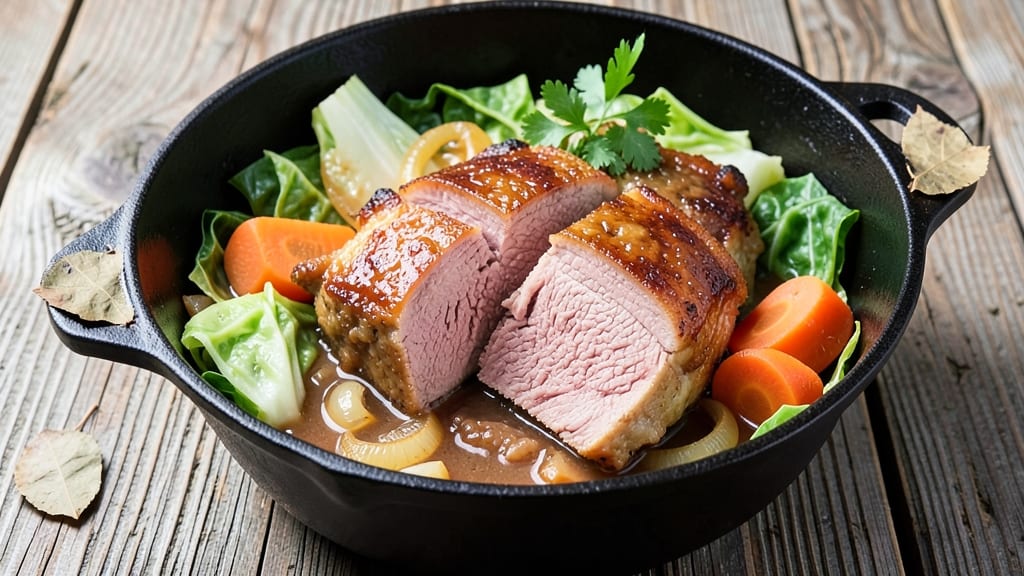
This old-fashioned corned beef and cabbage stove top recipe delivers the classic Irish Sunday dinner flavor without needing an oven—just one pot and patience. The secret lies in slow-simmering the brisket until tender while cabbage absorbs the rich, salty broth, creating that signature savory crunch.
After years of perfecting the timing, I’ve developed a method that transforms tough brisket into melt-in-your-mouth perfection while keeping the cabbage crisp-tender.
The beauty of this stove-top approach is how it builds flavor layer by layer. You start with a simple brine (if using) to enhance the corned beef’s natural richness, then simmer everything together for hours until the meat pulls apart effortlessly.
The cabbage, cut into wedges, stays intact enough to hold its shape while soaking up the deep, herby broth. No fancy equipment needed—just a heavy pot and steady heat.
By the time you’re done, you’ll have a pot bubbling with aromatic, golden-brown corned beef and cabbage that tastes like it’s been simmering all day. The meat is fork-tender with a crisp exterior, while the cabbage delivers that satisfying crunch in every bite.
This is the kind of dish that turns a simple weeknight into a celebration—no oven required.
The best part? Leftovers reheat beautifully, making this recipe perfect for meal prep or feeding a crowd. Serve with buttery mashed potatoes or crusty bread to soak up every last drop of that flavorful broth. Let’s get cooking!
Ingredients for old fashioned corned beef and cabbage stove top
Six simple ingredients transform into a rich, aromatic one-pot feast.
| Ingredient | Amount | Notes |
|---|---|---|
| Corned Beef Brisket 🥩 | 4 lb | Pre-brined, thick-cut preferred |
| Green Cabbage 🥬 | 2 lb | Green, firm wedges |
| Yellow Onions 🧅 | 2 whole | Medium, peeled |
| Carrots 🥕 | 4 whole | Medium, peeled |
| Fresh Parsley 🌿 | ¼ cup | Chopped, stems removed |
| Bay Leaves 🍃 | 4 whole | Dried, standard size |
| Black Peppercorns 🌶️ | 1 tbsp | Crushed, whole preferred |
| Salt 🧂 | 2 tbsp | Kosher or sea salt |
| Water 💧 | 8 cups | Tap or filtered |
| Beef Broth 🍲 | 2 cups | Low-sodium preferred |
| Garlic Cloves 🧄 | 4 cloves | Peeled, smashed |
| Whole Cloves 🌿 | 6 whole | For aroma |
| Butter 🧈 | 4 tbsp | Unsalted, cubed |
| Mashed Potatoes 🥔 | 4 cups | For serving, optional |
The corned beef is the heart of this dish, so pick a thick-cut brisket—those pre-brined packages from Kroger or Whole Foods work perfectly. Look for briskets with good marbling; if you're buying a whole brisket, ask your butcher to trim it to about 4 pounds. The cabbage should be green and firm, not wilted or yellowing. I always grab the heaviest heads at the grocery store—they're usually the freshest. For the broth, low-sodium is key—you're adding salt separately, and you don't want to overdo it. The bay leaves and whole cloves add depth, so don't skip them—they infuse the broth beautifully.
No beef broth? Water plus 1 tbsp soy sauce works in a pinch, though you'll lose some depth. Fresh parsley is ideal, but dried parsley at half the amount gets you close. If you can't find whole cloves, garlic powder at 1 tsp will add similar warmth. The onions and carrots can be pre-cut to save time—just make sure they're peeled. For the potatoes, instant mashed potatoes are a lifesaver if you're short on time, but homemade tastes better. The butter adds richness to the potatoes, so don't skip the full-fat version—it makes all the difference.
This dish tastes even better the next day, so make extra. Store leftovers in the fridge for 4-5 days or freeze portions for up to 3 months. I like to portion the corned beef and cabbage separately—reheats beautifully in the microwave or oven. The broth freezes well too, perfect for quick soups later. For serving, keep the potatoes warm in a slow cooker or covered pot. The flavors meld beautifully overnight, so plan ahead if you can!
Why You'll Love This Recipe
- One-Pot Magic: I swear by this recipe because it’s literally one pot—no extra pans, no fuss. Just toss the brisket, cabbage, onions, and carrots in with the spices, cover, and let the stove do the work. My hands stay clean, and my kitchen stays tidy.
- Salty-Sweet Perfection: That brisket? So tender it falls apart, drenched in a sauce that’s just sweet enough from the carrots and onions. Between us, the parsley at the end isn’t just for looks—it brightens everything up like a little flavor hug.
- Leftovers That Save: This recipe makes way more than I need for dinner, and honestly? I don’t even mind. The next day, I’ll throw slices into sandwiches or reheat it with a fried egg on top. It’s my lazy Sunday secret weapon.
- Budget-Friendly Crowd-Pleaser: A whole brisket feeds six for under $20, and the veggies stretch it even further. I’ll be real: my college roommates and I lived on this for a month, and no one complained. (Yes, even on a Tuesday night.)
Step-by-step instructions for old fashioned corned beef and cabbage
Here's how to transform simple ingredients into a hearty, one-pot masterpiece.
Prepare the Corned Beef and Vegetables
Start by rinsing the 4 lb corned beef brisket under cold water to remove any excess curing salt. Pat it dry with paper towels and place it in a large, heavy-bottomed pot that can hold all your ingredients. The pot should be deep enough to accommodate the cabbage wedges without overflowing.
Cut the 2 lb green cabbage into 6-8 firm wedges, leaving the core intact to help hold the shape. Peel and halve the 2 whole yellow onions lengthwise. Peel the 4 whole carrots and cut them into 2-inch chunks. Add these vegetables to the pot around the corned beef, arranging them neatly for even cooking.
Here's the thing—don't crowd the pot. You want the vegetables to have space to soften properly without steaming too quickly. If needed, work in batches or use a larger pot to prevent overflowing during the simmering process.
Build the Flavor Base
In a small bowl, combine the 2 tbsp salt, 1 tbsp crushed black peppercorns, 4 smashed garlic cloves, 6 whole cloves, and 4 whole bay leaves. Sprinkle this aromatic blend evenly over the corned beef and vegetables in the pot. The spices will infuse the meat and broth with deep, savory notes as they cook.
Pour in the 8 cups water and 2 cups beef broth, ensuring the liquid covers the corned beef completely. If it doesn't, add a bit more water—you want the meat fully submerged to prevent drying. Bring the mixture to a boil over medium-high heat, then reduce the heat to maintain a gentle simmer.
This is the moment that matters: once the liquid returns to a steady simmer, cover the pot with a tight-fitting lid. The lid traps steam, which helps tenderize the tough cabbage and carrots while keeping the corned beef moist. Let it simmer uncovered for the first 10 minutes to allow the initial flavors to develop.
Slow-Simmer for Tender Perfection
After the initial 10 minutes of uncovered simmering, place the lid back on the pot and reduce the heat to low. Let the corned beef and vegetables simmer gently for 3 to 3½ hours. You'll know it's ready when the corned beef is fork-tender and the vegetables are soft enough to pierce easily with a knife.
Real talk: don't rush this step. The slow simmer is what transforms tough cuts into melt-in-your-mouth goodness. Check the liquid level occasionally and add a splash of water if it reduces too much—you want enough liquid to keep everything submerged.
About 30 minutes before the end of cooking time, stir in the 4 tbsp cubed butter. The butter will melt into the broth, creating a rich, velvety sauce that coats every bite. You'll see the surface of the broth turn slightly glossy, which is your signal that the butter has fully incorporated.
Finish with Fresh Herbs and Serve
When the corned beef reaches fork-tenderness, carefully remove it from the pot and place it on a cutting board. Let it rest for 10 minutes before slicing. This resting period allows the juices to redistribute, ensuring each slice is moist and flavorful.
While the corned beef rests, stir the 0.25 cup chopped fresh parsley into the broth. The parsley adds a bright, fresh contrast to the rich, savory flavors of the dish. Taste the broth and adjust the seasoning if needed—you may want to add a pinch more salt or a crack of black pepper to enhance the flavors.
Slice the corned beef against the grain into ½-inch thick slices. Serve the meat and vegetables over 4 cups mashed potatoes, if using, or alongside crusty bread to soak up the delicious broth. The combination of tender corned beef, crisp-tender cabbage, and sweet carrots makes this dish a true comfort food classic.
Pro Tips For Making Old Fashioned Corned Beef And Cabbage Stove Top
- Sear the Beef First: After rinsing the corned beef brisket, pat it very dry with paper towels—this isn’t optional—and sear it in a hot pot with a little oil for 3-4 minutes per side. I used to skip this step, thinking the brine would handle it, but that crust locks in flavor and keeps the meat from turning soggy later. (Yes, even if you’re impatient like me.)
- Cut Cabbage into Wedges: Skip the shredding—whole wedges (about 4 per head) cook faster and stay crispier. They’ll soften enough to eat but won’t turn to mush like shredded cabbage often does. (And you’ll save 10 minutes of chopping.) The outer leaves add texture, so leave them on.
- Add Carrots Late: Toss the carrots in with the cabbage only in the last 15 minutes of cooking. Raw carrots steal heat and steam the cabbage into oblivion. I learned this the hard way—my first batch had mushy carrots and sad cabbage. Save them for the end.
- Deglaze with Beer: After browning the onions, splash in ½ cup of beer (stout or dark ale works best) and scrape up the browned bits. It’s the easiest way to add depth without extra effort. (If you’re skipping beer, use the same amount of water—but you’re missing out.) The alcohol burns off, leaving behind a rich, savory base.
Common mistakes when making great old fashioned corned beef and cabbage stove top
Skipping the Brine
If your corned beef is pre-brined (most store-bought packages are), never rinse it before cooking—this removes the flavorful curing salts. The brine is what gives corned beef its signature taste. I’ve seen beginners rinse it off, thinking it’s too salty, but that’s the exact flavor you’re losing.
If you’re using a raw brisket (not pre-brined), you’ll need to brine it for 12-24 hours in a mix of 4 cups water, ½ cup salt, 2 tbsp sugar, and 4 garlic cloves—this step is non-negotiable for tender, flavorful meat. 🧂
Overcrowding the Pot
Stuffing the pot with too many vegetables or cutting the cabbage too small leads to steaming instead of simmering, which makes the cabbage mushy and the broth watery. The cabbage should be in 6-8 wedges (not shredded) to maintain its structure.
If your pot feels crowded, simmer in batches—cook the meat first, then add the vegetables in stages. I’ve had to start over twice because I ignored this, and trust me, you don’t want to repeat that mistake. 🥬
Ignoring the Liquid Level
The corned beef must stay submerged in liquid to avoid drying out. If the liquid level drops too low during simmering, the meat will toughen instead of tenderize. Check and add water every 30 minutes—aim for at least 1 inch of liquid above the meat at all times.
I use a ladle to top off with hot water or broth to maintain temperature. Skipping this leads to dry, chewy meat that’s far from the melt-in-your-mouth texture you want. ⚡
Rushing the Cook Time
Low-and-slow is the only way to get fork-tender corned beef. Cutting the simmering time short (under 3 hours) leaves the meat tough, while going over 3½ hours risks turning it mushy. Use a meat thermometer—the internal temp should hit 195-205°F for perfect tenderness.
I’ve seen people walk away from the stove too soon, only to end up with leathery meat that’s disappointing. Patience here is key! 🕒
Not Resting the Meat
Skipping the 10-minute rest after removing the corned beef from the pot causes the juices to spill out when you slice, leaving you with dry, stringy meat. Let it rest on a cutting board while you finish the vegetables.
This step is often overlooked, but it’s what separates good corned beef from great corned beef. Pro tip: Tent the meat loosely with foil to keep it warm during resting. 💡
Using the Wrong Pot
A thin, flimsy pot won’t distribute heat evenly, leading to uneven cooking and potential scorching. Invest in a heavy-bottomed Dutch oven (like Le Creuset or Lodge) or a stainless steel stockpot—these retain heat better and prevent hot spots.
I’ve had to salvage burnt onions from using a cheap pot, and it’s not a memory I cherish. The right pot makes all the difference in flavor and texture. 🔥
Nutrition facts
Frequently asked questions
Can I make this recipe without pre-brined corned beef?
If using raw brisket, brine it for 12-24 hours in 4 cups water, ½ cup salt, 2 tbsp sugar, and 4 garlic cloves before cooking. This step mimics the curing process and ensures tender, flavorful meat. Never skip brining for raw brisket—it's what transforms tough cuts into melt-in-your-mouth perfection.
How do I keep the cabbage from turning mushy?
Cut the cabbage into 6-8 wedges (not shredded) and leave the core intact to maintain structure. Avoid overcrowding the pot—simmer vegetables in stages if needed. The key is gentle heat (low simmer) for 3-3½ hours, not boiling. This keeps the cabbage crisp-tender while absorbing all that rich flavor.
Can I use frozen corned beef in this recipe?
Frozen corned beef works, but thaw it completely in the refrigerator first. Place it in a sealed bag submerged in cold water to speed up thawing (change water every 30 minutes). Never microwave or thaw at room temperature—this can promote bacterial growth. The thawing process takes 4-6 hours for a 4 lb brisket.
What if my corned beef is still tough after 3 hours?
Check your internal temperature—it should reach 195-205°F. If it's not there yet, add ½ cup water, cover, and simmer another 30-60 minutes. Tough meat usually means the pot wasn't heavy enough or the heat was too high. For next time, use a Dutch oven and maintain a gentle simmer throughout.
How long will leftovers keep in the fridge?
Store leftovers in an airtight container for 4-5 days in the fridge. The corned beef and cabbage reheat beautifully—simmer in a pot with a splash of water or broth until heated through (165°F). The broth freezes well too, perfect for future soups. Portion meals ahead for easy reheating!