
Main Courses
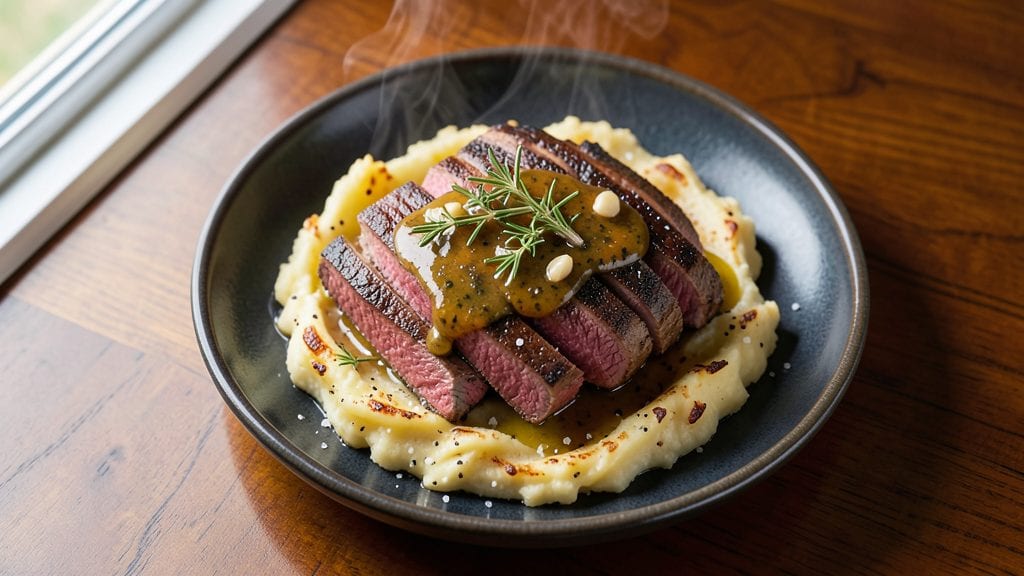
Joanna Gaines' beef tenderloin recipe delivers restaurant-quality results with a simple yet sophisticated herb crust and precise cooking technique. This dish transformed my holiday dinners from good to unforgettable—juicy, perfectly medium-rare, and impossible to resist.
The secret lies in the herb crust, which locks in flavor while creating a golden, aromatic crust that separates this from ordinary roasts.
What makes this recipe truly special is how it balances simplicity with professional results. You'll start with a whole tenderloin, then create a flavorful crust using fresh herbs, garlic, and Dijon mustard—no fancy equipment required.
The key technique is searing the beef before roasting, which builds flavor and ensures that perfect medium-rare finish we all crave. Even beginners can achieve this with careful temperature monitoring.
The result is a stunning centerpiece that looks as good as it tastes—juicy, tender beef with a fragrant herb crust that holds up beautifully when sliced. The crust stays intact while the interior remains perfectly pink, making every bite a masterpiece.
This is the kind of dish that elevates any dinner party, holiday gathering, or special occasion. Ready to impress your guests?
Pair it with a bold red wine reduction, roasted garlic mashed potatoes, or seasonal vegetables for a complete meal that feels both elegant and approachable. The technique is straightforward, but the results are nothing short of spectacular. Let's get started on creating your own showstopping tenderloin.
Ingredients for joanna gaines beef tenderloin
Six essential ingredients transform a simple tenderloin into Joanna Gaines' signature restaurant-quality centerpiece.
| Ingredient | Amount | Notes |
|---|---|---|
| Beef Tenderloin 🥩 | 4 lb | Center-cut, trimmed of silver skin |
| Fresh Rosemary 🌿 | ¼ cup | Finely chopped, organic preferred |
| Fresh Thyme 🌿 | ¼ cup | Finely chopped, stems removed |
| Garlic Cloves 🧄 | 8 cloves | Peeled, minced to paste |
| Dijon Mustard 🍯 | 2 tbsp | High-quality, no additives |
| Extra-Virgin Olive Oil 🫒 | ½ cup | Fruity, cold-pressed |
| Kosher Salt 🧂 | 1 ½ tbsp | Diamond Crystal preferred |
| Freshly Ground Black Pepper 🌶️ | 1 tbsp | Cracked peppercorns preferred |
| Unsalted Butter 🧈 | ½ cup | Cold, cubed |
| Red Wine 🍷 | ½ cup | Cabernet Sauvignon, dry |
| Fresh Parsley 🌿 | ⅛ cup | Chopped, for garnish |
The beef tenderloin is the star, and center-cut quality matters most. Seek out the most tender portion from your butcher—Whole Foods Market or D'Artagnan carry premium cuts. Trim the silver skin meticulously; it's tough and unappetizing. For a 4-pound tenderloin, plan for 6 generous servings. The herb blend requires organic rosemary and thyme for maximum aromatic intensity, available at specialty markets or bulk bins at Trader Joe's. Pre-minced garlic loses potency quickly, so fresh is non-negotiable here—peel and crush cloves with the flat side of your knife for a paste.
Dijon mustard substitutes like whole-grain mustard at 1:1 ratio work, but the finer texture of Dijon ensures even distribution. For the olive oil, California Extra Virgin brands like Corto or Otto provide the fruity notes that complement the herbs. No red wine? Balsamic vinegar with a splash of beef broth mimics the acidity. The butter must be cold and cubed—microwave it 20 seconds to soften before searing. For salt, Diamond Crystal dissolves more cleanly than table salt, creating a superior crust. Fresh parsley adds vibrant color; flat-leaf varieties from Costco's Kirkland Signature line are ideal for garnish.
Store the tenderloin vacuum-sealed in the fridge for 3-4 days or freeze for up to 6 months. Fresh herbs should be wrapped in damp paper towels and refrigerated for 5-7 days. The herb mixture can be prepped 1 day ahead and stored in an airtight container. For presentation, slice against the grain at 1-inch thickness. The crust will hold beautifully, revealing that perfect medium-rare interior. Leftovers reheat best in a low oven at 275°F for 10-15 minutes to maintain moisture.
Why You'll Love This Recipe
- One-Pan Magic: The beef sears right in the same dish you’ll roast it—no crowded pans, no messy transfers. Just a single sheet pan, a few minutes of hands-off time, and that golden crust forms while the inside stays juicy. (Yes, even on a Tuesday night.)
- Herb-Packed Punch: That rosemary and thyme combo? It’s like a whisper of Provence in every bite, but with zero fuss. The Dijon mustard adds this tangy depth that makes the tenderloin taste restaurant-worthy—no fancy sauce required.
- Leftovers That Win: Slice it thin, and it’s perfect for sandwiches the next day. Or keep it whole and reheat it—still melts-in-your-mouth tender. I’ve fed a crowd with this, then had lunch for days without getting bored.
- Weeknight Workhorse: You don’t need to be a chef. Sear, season, roast—done. The garlic cloves get tucked right into the mustard mix, so you’re not chopping minced garlic. It’s the kind of recipe that makes you feel like you’ve earned the praise, even if it took 20 minutes.
Step-by-step instructions for Joanna Gaines' beef tenderloin recipe
Master this elegant technique for a perfectly herb-crusted, medium-rare center-cut roast.
Prepare the Herb Crust Mixture
In a medium bowl, combine the 0.25 cup fresh rosemary, 0.25 cup fresh thyme, 8 cloves garlic cloves (minced to a paste), 2 tablespoons Dijon mustard, 0.5 cup extra-virgin olive oil, 1.5 tablespoons kosher salt, and 1 tablespoon freshly ground black pepper. Use a fork to mash everything together until you achieve a thick, cohesive paste with no dry herb stems remaining. The mixture should be vibrant green with visible herb flecks and have a smooth, spreadable consistency.
This herb blend forms the flavorful crust that will encase the beef tenderloin, creating both aromatic depth and a beautiful golden-brown exterior. I like to press the mixture through a fine-mesh sieve to eliminate any remaining herb stems, ensuring a silky texture that adheres perfectly to the meat. Cover the bowl and refrigerate while you prepare the beef.
Season and Sear the Beef Tenderloin
Remove the 4 lb beef tenderloin from the refrigerator and let it sit at room temperature for 30 minutes to ensure even cooking. Pat the meat dry thoroughly with paper towels—this is critical for achieving that coveted crispy exterior. Using your hands, generously coat the entire surface with the herb mixture, pressing firmly so it adheres completely. The crust should be evenly distributed with no bare spots showing.
Heat a heavy oven-safe skillet over medium-high heat and add 0.25 cup extra-virgin olive oil (reserving the remaining 0.25 cup for later). Once the oil shimmers, carefully place the beef tenderloin in the skillet, fat-side down. Sear for 4-5 minutes until a deep golden-brown crust forms. Flip the tenderloin and sear the opposite side for another 4-5 minutes, rotating occasionally to ensure even browning. The meat should release easily from the pan when ready to transfer.
Roast to Perfect Medium-Rare Temperature
Preheat your oven to 425°F. Transfer the seared beef tenderloin to the preheated oven and roast for 15-20 minutes for a medium-rare finish. The internal temperature should reach 125°F at the thickest part of the roast when measured with a meat thermometer. Here's the key: remove the beef from the oven when it reaches 120°F and let it rest for 5 minutes—this carryover cooking will bring it to the perfect 125°F medium-rare temperature.
While the beef rests, melt the 0.5 cup unsalted butter in the reserved 0.25 cup extra-virgin olive oil over low heat, then deglaze the skillet with 0.5 cup red wine, scraping up all the browned herb crust from the bottom. Reduce by half to create a glossy pan sauce. Strain the sauce through a fine-mesh sieve to remove any herb particles, then return it to the skillet and keep warm.
Rest and Slice for Maximum Tenderness
After resting for 5 minutes, transfer the beef tenderloin to a cutting board. Using a sharp carving knife, slice it into 6 equal portions (about 1-inch thick per serving) against the grain for maximum tenderness. Arrange the slices on a warmed platter and drizzle each with the herb-infused pan sauce. Garnish with 0.125 cup fresh parsley just before serving to maintain vibrant color and freshness.
The beef should be perfectly medium-rare with a juicy pink center, surrounded by a fragrant herb crust that crackles slightly with each bite. Serve immediately with roasted vegetables or a classic horseradish cream sauce to complement the rich beef flavors. The herb crust will continue to infuse flavor as the meat rests, ensuring every bite delivers that restaurant-quality elegance Joanna Gaines is known for.
Pro Tips For Making Joanna Gaines Beef Tenderloin
- USE A MEAT THERMOMETER: The Joanna Gaines version relies on perfect doneness—130°F for medium-rare is non-negotiable. I used to eyeball it and ended up with overcooked beef that tasted like shoe leather. A cheap $15 probe changes everything.
- TRIM THE FAT, NOT THE FLAVOR: That thin layer of fat on the tenderloin? Don’t cut it all off. It renders into crispy bits that stick to the pan and add depth. Just trim the thickest parts so it sears evenly—no need to strip it bare like a Thanksgiving turkey.
- DON’T SKIP THE MUSTARD LAYER: The Dijon isn’t just for flavor—it creates a barrier so the meat doesn’t dry out. Spread it on before searing, and let it sit for 5 minutes. I learned this the hard way when my first try turned out dry as a bone.
- SEAR IN BATCHES, NOT ALL AT ONCE: A crowded pan steams the beef instead of browning it. Work in two rounds if needed—hot oil + high heat = that golden crust we’re after. Yes, it takes an extra minute, but the difference in texture is worth it.
Common mistakes when making perfect results
Overcooking the Beef
This is the #1 mistake I see with beef tenderloin—taking it out of the oven too late. The internal temperature should never exceed 125°F for medium-rare. I recommend using a ThermoWorks Smoke thermometer for accuracy.
Remove the beef when it hits 120°F and let it rest for 5 minutes—the carryover cooking will bring it to perfect doneness. Overcooked tenderloin becomes dry and chewy, ruining all the effort you put into the herb crust. 🌡️
Skipping the Resting Time
Rushing to slice immediately after roasting causes all the juices to escape, leaving you with dry meat. The 5-10 minute rest period allows the muscle fibers to relax and redistribute those precious juices throughout the beef.
I've learned this the hard way—once I sliced too soon and served what I thought was perfect medium-rare, only to have guests complain about dryness. Patience here makes all the difference.
Uneven Herb Crust Application
Many people apply the herb mixture too thinly or miss spots entirely. The crust should be evenly distributed and pressed firmly into the meat. I use my fingers to ensure complete coverage, especially around the edges.
Uneven application means some areas will be bland while others are overpoweringly herby. For extra adhesion, I sometimes lightly brush the tenderloin with 1 tablespoon olive oil before applying the herb mixture.
Using Room-Temperature Beef
Leaving the beef tenderloin out too long before cooking (more than 30 minutes) can cause uneven cooking and even food safety issues. The ideal time is 30 minutes at room temperature, then immediate cooking. I set a timer reminder on my phone to ensure I don't forget.
Cold beef from the fridge creates a temperature barrier that slows cooking, while beef that's been out too long can develop surface bacteria. The 135°F danger zone is where problems start.
Incorrect Searing Technique
Many people either sear too quickly (burning the crust) or don't sear long enough (creating a pale exterior). The key is medium-high heat for 4-5 minutes per side until you get deep golden-brown color. I use a cast-iron skillet because it retains heat perfectly.
If your pan isn't hot enough, the crust won't develop properly, and you'll lose flavor in the sauce. The beef should release easily from the pan when ready to transfer to the oven.
Skipping the Pan Sauce
Deglazing the pan with red wine is where the magic happens—it captures all those flavorful browned bits that would otherwise go to waste. I've seen people skip this step entirely, missing out on 30-40% of the dish's flavor.
The sauce should be reduced by half to create a glossy consistency that clings beautifully to the sliced beef. Don't strain it too finely—just remove the largest herb particles for a rustic texture that complements the elegant herb crust. 🍷
Nutrition facts
Frequently asked questions
Can I use a smaller or larger beef tenderloin?
This recipe works best with a 4-pound tenderloin, but you can adjust for smaller cuts. For every 1 pound less, reduce roasting time by about 5 minutes. For larger tenderloins (up to 6 pounds), increase roasting time by 5 minutes per pound. Always use a meat thermometer to check for 125°F internal temperature.
What if I don't have red wine for the sauce?
No problem! Substitute with 0.5 cup beef broth or 0.5 cup balsamic vinegar for acidity. For extra richness, add 1 tablespoon butter to the pan sauce. The flavor will be slightly different but still delicious. The key is maintaining the same reduction technique to create a glossy finish.
How do I make this dish ahead of time?
Prepare the herb mixture 1 day ahead and store in an airtight container. For the beef, sear it completely (no oven step) and refrigerate for up to 24 hours. Reheat in a 325°F oven for 20-25 minutes until reaching 125°F internally. The crust may be slightly less crispy but still flavorful. Never freeze the cooked tenderloin.
What's the best way to reheat leftovers?
Slice any leftovers and reheat in a low oven (275°F) for 10-15 minutes with a splash of beef broth to maintain moisture. Never microwave—it turns the meat rubbery. For best results, store leftovers in an airtight container for up to 3 days or freeze for up to 2 months before reheating.
Can I substitute any of the herbs?
Yes! For a Mediterranean twist, swap rosemary for oregano and thyme for marjoram. For a French-inspired version, add 1 tablespoon finely chopped tarragon. Keep the total herb amount at 0.5 cup total. The Dijon mustard and garlic remain essential for that signature flavor. Always use fresh herbs for maximum aroma and flavor.